A Practical Guide to Planning a Trip Along the Nile in Egypt
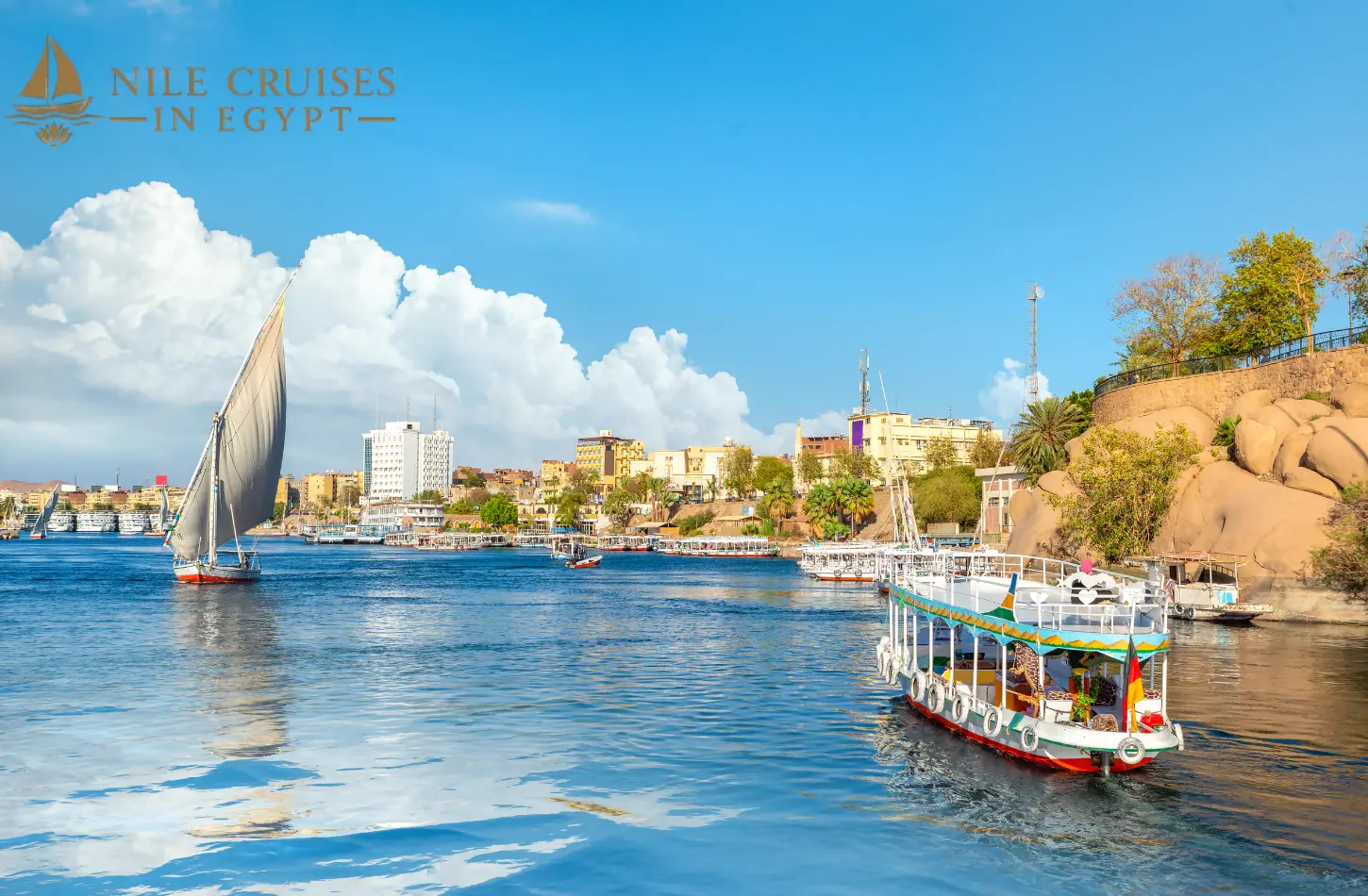
A Nile trip follows one of the oldest travel routes in the world. For many first-time visitors, it solves a practical problem: how to see a dozen ancient sites spread across roughly 200 kilometers without packing and unpacking every night. This guide explains how a river trip is organized, what a typical day looks like, and what to sort out before you leave home.
Why the river shaped the route
Nearly all of ancient Egypt’s population lived along the Nile. The yearly flood left a layer of silt that made farming possible in an otherwise desert country, so towns, temples, and tombs grew up beside the water. That is why so many of the country’s major sites are only a short distance from the river today. Seeing them from the deck of a boat follows the same logic that shaped the ancient landscape, which is why Nile Cruises in Egypt remain such a natural way to explore the country’s history. Luxor shows the pattern clearly. The east bank, where the sun rises, holds the great temples of Karnak and Luxor Temple. The west bank, where the sun sets, holds the tombs and funerary temples. Once you know this, the itinerary is much easier to follow.
The flood itself ended after the Aswan High Dam was completed in 1970. Water levels are now regulated, which is also why boats can operate for most of the year.
How a Nile river trip is organized
Most passenger boats sail the stretch of river between Luxor and Aswan in the south. Because the Nile flows north, the direction you travel changes the length of the trip. Sailing from Luxor to Aswan usually takes four nights, since the boat moves against the current. Going the other way usually takes three nights. Longer itineraries of five to seven nights also exist. They generally add more time at each stop, or side visits to Dendera and Abydos, two temples north of Luxor.
Lake Nasser is a separate kind of cruise. This large reservoir sits behind the Aswan High Dam, and its trips visit the Nubian temples that were relocated when the lake was created. It is a different experience from sailing on the river, so check which one an itinerary describes before you compare options.
What you will see along the way
The stops are fairly consistent between boats, though the order depends on the direction of travel.
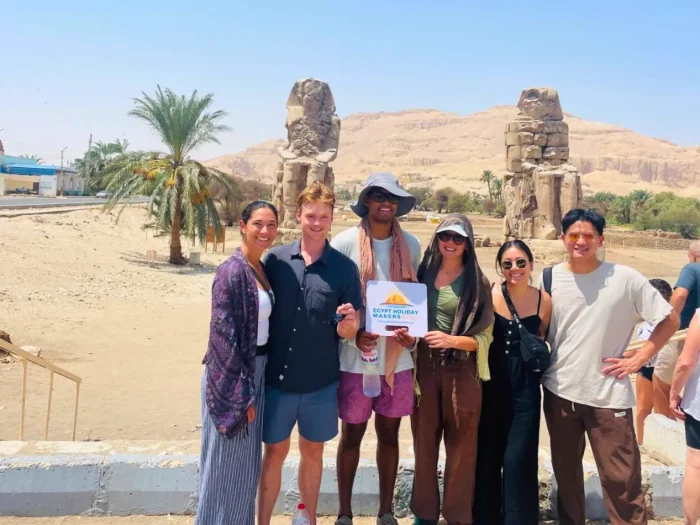
- Luxor: Karnak Temple and Luxor Temple on the east bank, plus the Valley of the Kings, the Temple of Hatshepsut, and the Colossi of Memnon on the west bank. Many travelers give Luxor two full days.
- Esna: a working lock where boats queue to pass through. The wait can last an hour or more, so many passengers use it as a rest period.
- Edfu: the Temple of Horus, one of the best-preserved temples in Egypt, usually reached by a short carriage ride from the dock.
- Kom Ombo: a temple shared by two gods, Sobek and Horus the Elder, built right beside the river and often visited in the late afternoon.
- Aswan: Philae Temple on its island, the High Dam, the Unfinished Obelisk, and Nubian villages. Many itineraries also include a short felucca ride.
Guided visits are the norm in Egypt because the sites are large and the inscriptions are hard to read without context. A licensed Egyptologist guide is especially useful at Karnak, where the layout can feel confusing on a first walk.
The best time of year
Egypt’s cooler months, from October to April, are the most comfortable for sightseeing. Daytime temperatures in Luxor and Aswan in December and January are often between 20 and 25°C (68 to 77°F), though nights can fall to around 8 to 10°C (46 to 50°F), so layers are useful. Summer is very different. Midday highs above 40°C (104°F) are normal from June to August, and travelers who visit then usually rely on early starts and a long break in the afternoon.
December and early January are the busiest weeks. October, November, March, and April can be easier for visitors who prefer quieter sites and are comfortable with slightly warmer or cooler days.
Choosing a type of boat
The river has several kinds of vessels, and they suit different priorities.
- Cruise ships: larger boats with three to five decks, a restaurant, a sun deck, and sometimes a small pool. They carry the most passengers and offer the widest choice of departure dates.
- Dahabiyas: traditional-style sailing boats with a handful of cabins. They move slowly, often with help from a small motor boat, and can stop at riverbank spots that larger ships cannot reach.
- Feluccas: small wooden sailboats used for short rides in Aswan and Luxor. Some travelers spend one or two nights on a felucca, with very basic facilities.
One detail surprises many first-time passengers. On busy docks, boats moor side by side, so you may walk through the lobby of one or two other ships to reach the pier. It is normal and only takes a moment.
What a typical day looks like
Days start early. Breakfast is often around 6:30 or 7 a.m., and the group leaves for the first temple by about 8, which avoids the worst of the heat and the crowds that build later in the morning. The boat often sails while you are at a site or during lunch. Afternoons tend to be free for the sun deck, reading, or a second short excursion in the late afternoon.
Dinner is served on board, and many boats organize an evening event such as a Nubian music performance or a galabeya night, where passengers can wear traditional dress. Optional activities, such as hot air balloon flights over Luxor’s west bank, leave before sunrise and depend on the weather, so it helps to keep the evening before them light.
Food and drink on board
Meals are usually served as buffets with a mix of Egyptian and international dishes. Drinks are often charged separately, and the price of bottled water, soft drinks, and coffee can differ by boat. If you follow a vegetarian, gluten-free, or other special diet, tell the operator before departure rather than on arrival, since kitchens on smaller boats plan menus in advance.
Adding Abu Simbel
Abu Simbel, the pair of rock temples built by Ramses II, lies about 280 kilometers south of Aswan, close to the Sudanese border. It is not on the river itself, so it is a side trip. The drive takes about three hours each way, and road departures often start before dawn. A short flight from Aswan is the other option. Ask whether the excursion is included or optional, because the cost and timing differ between operators.
Packing and health notes
- Clothing: light cotton or linen, with shoulders and knees covered at temples and mosques for comfort and out of respect. Pack a warm layer for winter evenings on deck.
- Footwear: closed, comfortable shoes with good grip. Temple floors are uneven and dusty.
- Sun protection: a wide-brimmed hat, sunglasses, and sunscreen, even in winter.
- Water: use bottled or filtered water if your stomach is sensitive, including for brushing your teeth. Ask a travel clinic about recommended vaccinations well before you leave.
- Electricity: Egypt uses 220V with two-pin plugs (Types C and F), so US travelers need a converter or dual-voltage devices, and UK travelers need a plug adapter.
- Cash: small notes in Egyptian pounds are useful for tips, which are customary for guides, drivers, and boat staff.
- Photography: some tombs and museums have separate photography rules, and drones are restricted without a permit.
Traveling with children or older relatives
Temple visits involve walking on uneven ground, steps, and long stretches in the sun. Some larger boats have elevators, but many smaller ones do not, so check the deck layout and cabin location if mobility is a concern. Ask the operator which sites have ramps or vehicle access and which require a longer walk. Shorter itineraries of three or four nights tend to work better for families than a full week, since the daily schedule is busy.
Entry requirements and paperwork
Visa rules depend on your nationality and change from time to time. Many travelers can apply for an electronic visa before departure or receive a visa on arrival, but you should confirm current rules on the official Egyptian government portal or on your own government’s travel advice page. Passports typically need at least six months of validity beyond your arrival date.
Also confirm what your itinerary includes. Temple entrance tickets are sometimes bundled and sometimes charged separately, and extra tombs in the Valley of the Kings carry their own tickets.
Common planning mistakes
- Too many sites in too few nights. A three-night itinerary covers the main highlights but leaves little time in Luxor, which has the most to see.
- Underestimating the heat. Outdoor sites have little shade, and a midday visit in summer can be tiring even for fit travelers.
- Skipping the guide. Without one, many of the reliefs and inscriptions are hard to interpret.
- Comparing prices without comparing inclusions. Meals, drinks, excursions, and airport transfers differ between itineraries.
- Assuming all boats are the same standard. Star ratings are not applied consistently across operators, so cabin sizes, recent traveler photos, and reviews give a clearer picture.
Putting it together
A river trip in Egypt works well because it removes most of the daily logistics and leaves time to focus on the sites. With a sensible season, a realistic itinerary length, and a clear picture of what is included, most first-time visitors find the pace comfortable. The main task is matching the trip to your own priorities, whether that is history, comfort, speed, or quiet. Once that is settled, what remains is mostly packing and paperwork.