Discovering Egypt: A Traveler’s Guide to Ancient Sites, the Nile, and the Red Sea
Few destinations capture the imagination quite like Egypt. For thousands of years, travelers have come to marvel at its pyramids, temples, and tombs, and to follow the path of the Nile through a landscape that has barely changed in centuries. Today, Egypt Vacations range from short city breaks in Cairo to longer journeys that combine ancient history, river cruising, and time on the Red Sea coast.
If you are planning your first visit, you may feel overwhelmed by how many places you want to see. This guide introduces the main regions most travelers explore, what makes each one special, and practical tips to help you make the most of your time in Egypt. At Egy Vacations, we help travelers turn this list of possibilities into a well-planned itinerary.
Cairo and the Pyramids of Giza
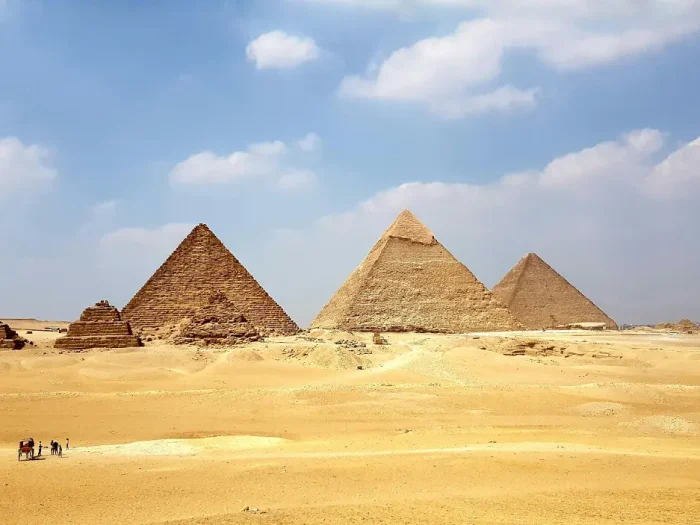
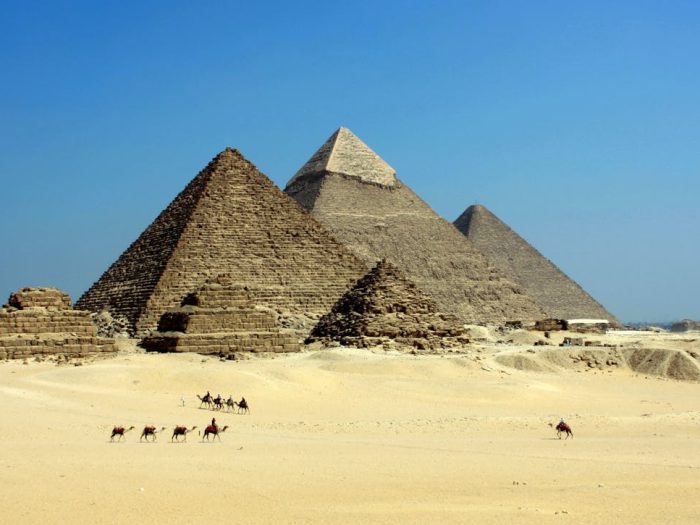
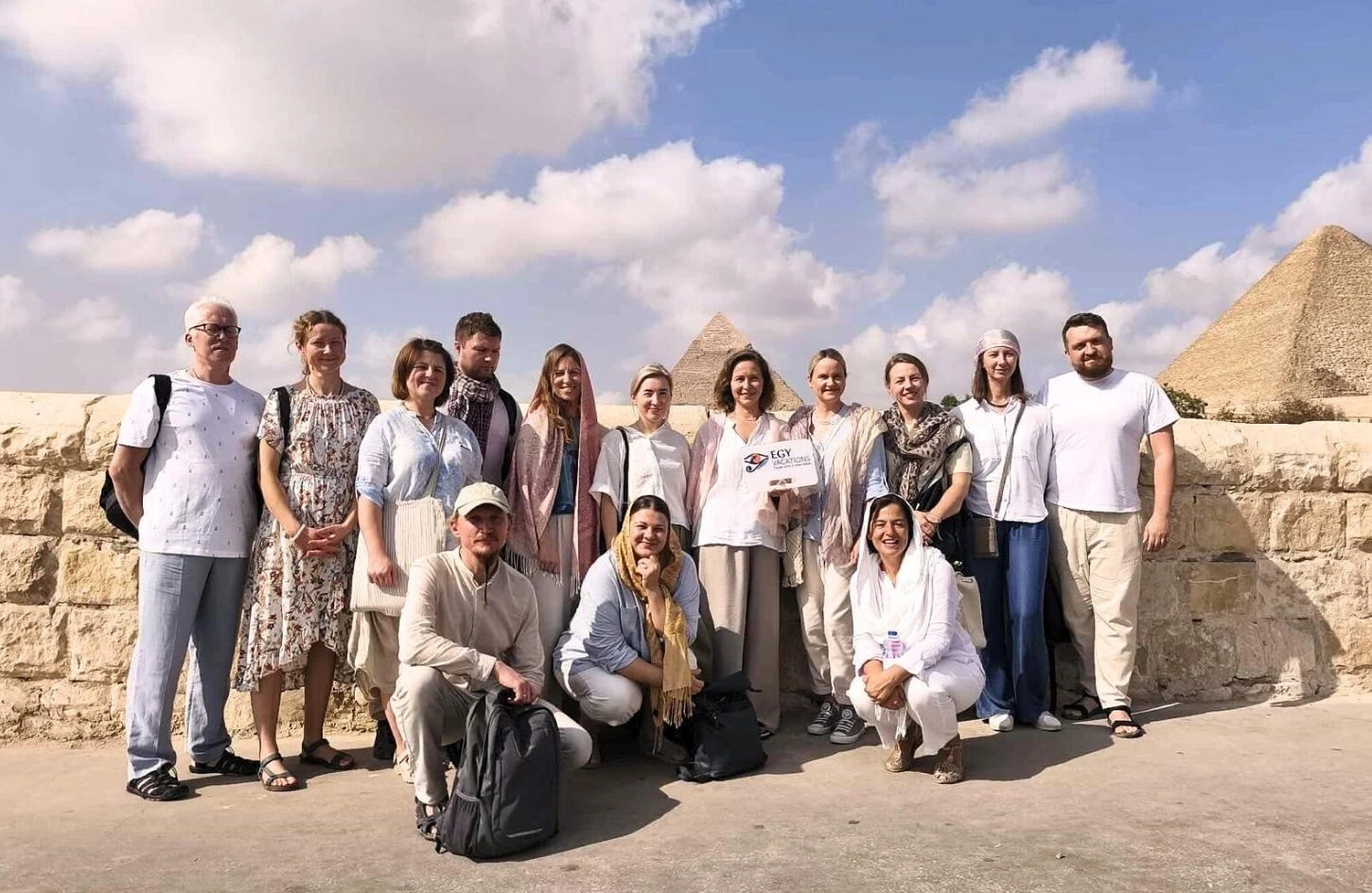
Most journeys begin in Cairo, a vast, lively capital where ancient history and modern life sit side by side. Just outside the city, on the Giza Plateau, stand the Great Pyramid and its neighbors, guarded by the Great Sphinx. Seeing them in person is an experience that photographs rarely prepare you for. Arriving early in the morning, when the air is cooler and crowds are thinner, makes the visit far more enjoyable.
Nearby, Saqqara is home to the Step Pyramid of Djoser, one of the oldest pyramids in Egypt, along with beautifully decorated tombs. Back in the city, Egypt’s great museums hold treasures from every period of ancient history, including the famous golden objects of Tutankhamun.
Cairo also rewards travelers who look beyond the pharaohs. Islamic Cairo is filled with historic mosques, old gates, and narrow lanes, while the Khan el-Khalili bazaar is a lively place to browse lanterns, spices, jewelry, and handmade crafts. In Coptic Cairo, ancient churches tell the story of Egypt’s long Christian heritage. An evening walk along the Nile or a dinner cruise on the river is a relaxing way to end a busy day.
Luxor: An Open-Air Museum on the Nile
South of Cairo, Luxor stands on the site of ancient Thebes, once one of the most powerful cities in the world. The Nile divides Luxor into two banks, each with its own treasures.
On the East Bank, Karnak Temple is an enormous complex of halls, columns, and obelisks built over many centuries. Walking through its Great Hypostyle Hall, surrounded by giant carved columns, is one of the most memorable moments of any trip to Egypt. Luxor Temple, closer to the center of town, is especially beautiful in the evening when it’s lit up after sunset.
The West Bank was the ancient city of the dead. Here, the Valley of the Kings holds the tombs of pharaohs, decorated with colorful paintings that have survived for thousands of years. The Temple of Hatshepsut, set against dramatic cliffs, and the giant Colossi of Memnon are also highlights. Many visitors start their day with a sunrise hot-air balloon ride, drifting over temples, fields, and the river as the sun comes up.
Aswan: Relaxed, Green, and Beautiful
Further south, Aswan has a calmer atmosphere than Cairo or Luxor. The Nile here is dotted with granite islands and lined with palm trees, and the city is known for its warm hospitality and Nubian culture.
The Temple of Philae, set on an island and reached by boat, is one of the most picturesque temples in Egypt. Travelers also visit the Aswan High Dam, the Unfinished Obelisk, and colorful Nubian villages, where brightly painted houses and friendly locals offer a glimpse of a unique culture. A sunset felucca sail around the islands is one of the simplest and most enjoyable experiences Aswan has to offer.
From Aswan, many travelers make the journey south to Abu Simbel, where two massive temples built by Ramses II are carved into the rock. It’s an early start, but standing in front of the giant statues is well worth it.
Cruising the Nile
A cruise between Luxor and Aswan is one of the most popular ways to see Upper Egypt. It combines transport, accommodation, and sightseeing in one relaxed journey. Along the way, boats usually stop at the temples of Edfu and Kom Ombo, both of which are impressive and well preserved.
Beyond the sightseeing, cruising offers something special: time to slow down. Watching farmers working in the fields, children waving from the riverbanks, and the desert hills glowing at sunset gives you a sense of how central the Nile has always been to life in Egypt.
Travelers can choose between larger cruise ships and smaller traditional sailing boats known as dahabiyas. Larger ships usually offer more facilities, while dahabiyas carry fewer guests and provide a quieter, more personal experience.
Relaxing on the Red Sea
After days of temples and museums, many travelers head to the Red Sea coast to unwind. Resort towns such as Hurghada, Sharm El Sheikh, Marsa Alam, and Dahab offer sandy beaches, warm water, and colorful coral reefs.
Snorkeling and diving are the main attractions, with reefs full of tropical fish just a short swim or boat ride away. For those who prefer to stay dry, glass-bottom boats and island trips are popular alternatives. The coast is also a good base for day trips, including excursions to Luxor from Hurghada or a sunrise climb up Mount Sinai from Sharm El Sheikh.
Into the Desert: Egypt’s Natural Side
While most visitors focus on the Nile Valley and the coast, Egypt’s deserts offer a completely different kind of adventure. The Western Desert is home to peaceful oases such as Siwa and Bahariya, surrounded by palm groves, springs, and rolling dunes. Closer to Cairo, Fayoum is a popular escape with lakes, desert scenery, and small villages known for their pottery.
Desert trips often include 4×4 drives across the sand, camel rides, and nights camping under a sky full of stars. With no city lights for miles, the stargazing is extraordinary. If you plan to spend a night in the desert, bring warm clothing, as temperatures drop quickly after sunset, and always travel with an experienced local guide.
Tasting Egyptian Food
Food is one of the most enjoyable parts of any trip to Egypt, and trying local dishes is a great way to connect with everyday life. Koshari, a hearty mix of rice, lentils, pasta, and chickpeas topped with tomato sauce and crispy onions, is a popular and filling street food. Ful medames, slow-cooked fava beans, is a traditional breakfast, often served with fresh bread, and ta’ameya, the Egyptian version of falafel, is made with fava beans rather than chickpeas.
Other dishes to look out for include molokhia, a green herb soup; mahshi, vegetables stuffed with seasoned rice; and feteer, a flaky layered pastry that can be sweet or savory. To drink, try karkadeh, a refreshing hibiscus tea served hot or cold, or a glass of sweet mint tea in a local café. Eating where locals eat, whether at a busy street stall or a family-run restaurant, often leads to the most memorable meals.
When to Visit Egypt
The most comfortable time to visit Egypt is from autumn through spring, when temperatures are mild and sightseeing is pleasant. This is also the busiest season, especially around the winter holidays, so booking hotels and cruises early is a good idea.
Summer can be very hot, particularly in Luxor and Aswan, but it also brings fewer crowds. If you travel during this time, plan your sightseeing for early mornings and late afternoons, and use the middle of the day to rest. The Red Sea coast is enjoyable year-round.
Practical Tips for Traveling in Egypt
A little preparation can make your trip smoother and more enjoyable:
- Check visa requirements for your nationality before you travel, using official government sources.
- Carry some cash in small notes for tips, markets, and small purchases.
- Dress modestly, especially when visiting mosques, churches, and rural areas.
- Drink bottled water and protect yourself from the sun with a hat and sunscreen.
- Hire licensed guides at major sites to better understand their history.
- Start sightseeing early to avoid crowds and heat.
- Allow time for rest, as days at large sites can involve a lot of walking.
Respecting Local Culture
Egyptians are known for their warmth and hospitality, and a little cultural awareness goes a long way. Learning a few simple Arabic words, such as “shukran” (thank you) and “salam” (hello), is always appreciated. Ask permission before photographing people, and be mindful of local customs, particularly during religious holidays. Tipping, known locally as baksheesh, is common for services, so keeping small change on hand makes things easier.
Final Thoughts
Egypt is a country of extraordinary variety. In a single trip, you can stand before the pyramids, explore the tombs of ancient kings, sail quietly along the Nile, snorkel over coral reefs, and sleep under the desert stars. Whether you have one week or several, taking the time to plan your route and pace yourself will help you experience the very heart of this remarkable destination.