What Travelers Need to Know About Rideshare Accident Rights in Texas
From the towering canyons of Big Bend to the cypress-lined trails near San Antonio, Texas is one of America’s most rewarding destinations for outdoor travelers. Millions of visitors pass through the state each year, and a growing number rely on Uber and Lyft to move between trailheads, city centers, and regional parks without the hassle of a rental car.
Rideshare services have become as essential to modern travel as a good pair of hiking boots. But as their usage climbs, so do accidents, and the legal landscape surrounding them in Texas is more layered than most travelers expect. If you’re planning a trip through the Lone Star State, here is what you need to know about your rights if a rideshare accident turns your adventure sideways.
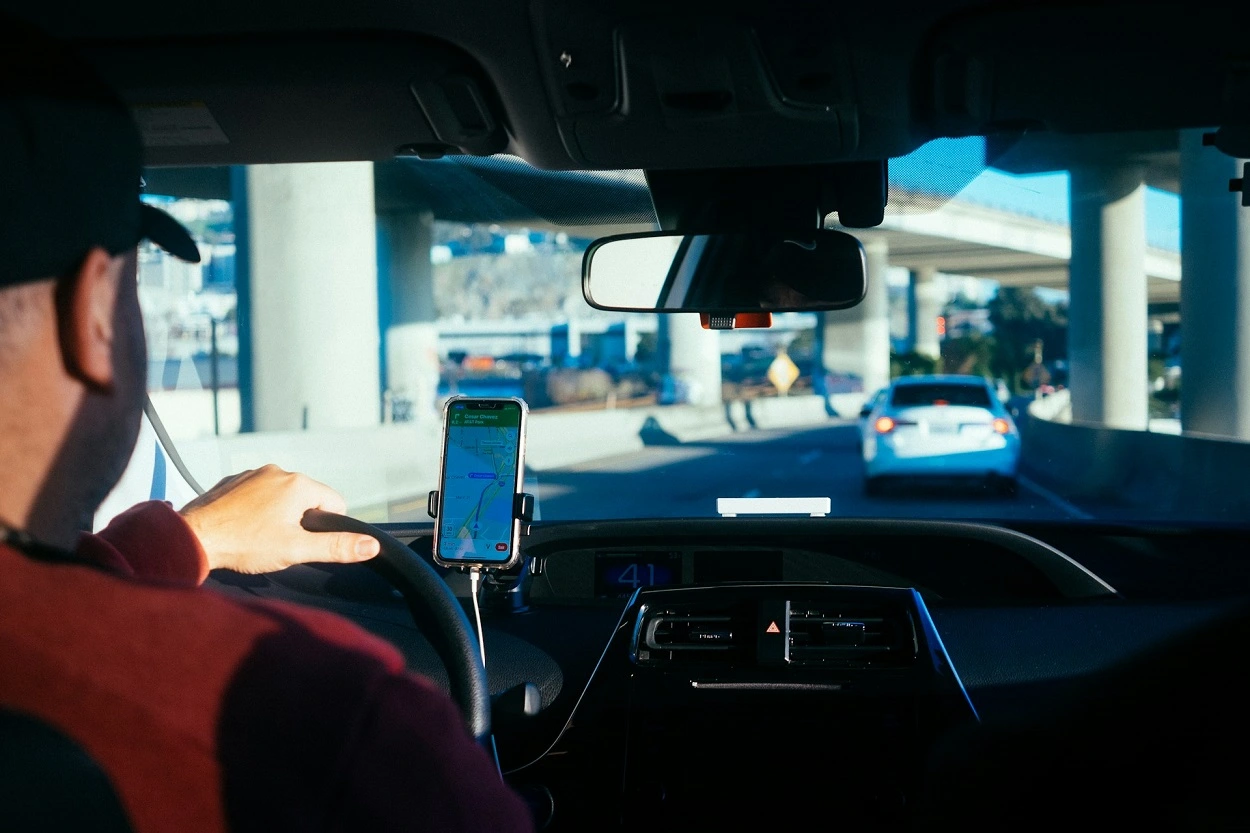
Why Rideshare Accidents Are More Common Than You Think
The numbers are harder to ignore than they used to be. According to the National Highway Traffic Safety Administration (NHTSA), rideshare-related crashes have steadily increased as platforms expand their footprint across both urban corridors and smaller gateway cities near national parks and recreation areas.
Cities like San Antonio, a popular base camp for travelers heading to Guadalupe Mountains National Park, the Hill Country, and Enchanted Rock, see exceptionally high rideshare traffic. More rides mean more risk exposure, especially for visitors who don’t know local roads and are entirely dependent on a stranger behind the wheel.
How Texas Law Structures Rideshare Insurance Coverage
Texas treats rideshare accidents under a three-period framework that determines which insurance policy applies at the moment of a crash. Understanding this structure is the first step to protecting yourself.
- Period 1 App off: The driver’s personal auto insurance is the only coverage in effect.
- Period 2 App on, waiting for a match: The rideshare company provides limited contingency liability coverage, typically $50,000 per person.
- Period 3 En route or passenger on board: The platform’s full $1 million liability policy is active.
This framework is codified under Texas Transportation Code Chapter 1954, which governs transportation network companies operating in the state. The Texas Department of Transportation (TxDOT) provides additional regulatory context on motor vehicle safety laws that apply to both residents and visitors traveling Texas roads.
Despite that $1 million policy ceiling, getting a fair payout is rarely straightforward. Rideshare companies classify their drivers as independent contractors, not employees, which creates legal distance between the platform and liability. Insurers routinely dispute fault, delay claims, or offer lowball settlements to travelers who don’t know their options.
What To Do Immediately After a Rideshare Crash in Texas
Quick, documented action in the aftermath of an accident gives you far stronger footing in any future claim. Follow these steps:
- Call 911 right away. A police report is an official record that insurers cannot easily dismiss. Request one even for collisions that seem minor.
- Get medical attention the same day. Injuries from vehicle crashes, such as whiplash, soft tissue damage, and concussion, often don’t present fully for hours. A same-day medical visit documents the connection between the crash and your injuries.
- Screenshot your ride details before closing the app. Capture the driver’s name, photo, vehicle information, and trip receipt within minutes of the crash.
- Collect witness contact information. Eyewitness accounts can be decisive when liability is disputed.
- Do not give recorded statements to insurance adjusters. Adjusters often call within 24 hours and may use your words against you. Consult an attorney first.
Your Rights as an Out-of-State Visitor
Traveling from another state does not limit your legal rights in Texas, but it does mean Texas law governs your claim, not your home state’s rules. Texas follows a modified comparative fault standard: you can recover compensation as long as you are found less than 51% responsible for the accident. Your payout is reduced proportionally by your share of fault, if any.
Recoverable damages typically include emergency and follow-up medical costs, lost wages, pain and suffering, and future care expenses for serious injuries. The Federal Motor Carrier Safety Administration (FMCSA) provides broader context on passenger protections in regulated transportation, a useful reference as federal and state rideshare oversight continues to develop.
Getting the Right Legal Help in San Antonio
San Antonio’s position as a gateway to central and southern Texas makes it one of the state’s busiest rideshare markets. It also makes it home to attorneys who specialize specifically in the intersection of rideshare platform liability, TNC insurance law, and Texas personal injury claims.
Whether you have been injured as a rideshare passenger or struck by a rideshare vehicle while on foot or in another car, partnering with an experienced San Antonio rideshare accident lawyer can be the difference between a denied claim and securing full compensation.
Ride Informed Travel Safer
Texas’s wide-open spaces and world-class parks deserve to be explored without worry. Knowing your rights before you ever step into a rideshare vehicle is one of the smartest travel preparations you can make. Save the resources in this post, and if the unexpected happens, you’ll be ready to protect yourself from the very first moment.