Deer Season on the Road: How to Avoid a Deer Collision
The best ways to avoid a deer collision in Michigan are to slow down at dawn and dusk, scan the road edges, and brake firmly in a straight line instead of swerving. Risk climbs every fall, when mating season, hunting activity, and earlier sunsets put more deer on the move.
Even careful drivers sometimes cannot avoid a strike, and many wonder how to start an insurance claim after a crash that involves an animal. The advice below covers prevention first, then the steps to take if a deer ends up in the road ahead of you.
When and where do deer crashes happen most in Michigan?
Deer crashes peak from October through December, with November the worst month. Michigan Traffic Crash Facts recorded 58,324 vehicle-deer crashes in 2024, including 1,816 injuries and 14 deaths, and 25,037 of them (42.9 percent) happened in the fourth quarter. November alone saw 10,017 crashes that year.
Numbers stayed high in 2025. The Michigan Department of Insurance and Financial Services, citing Michigan State Police data, reports more than 58,000 deer crashes in 2025, with about 80 percent on two-lane roads and many around dawn and dusk when deer are most active.
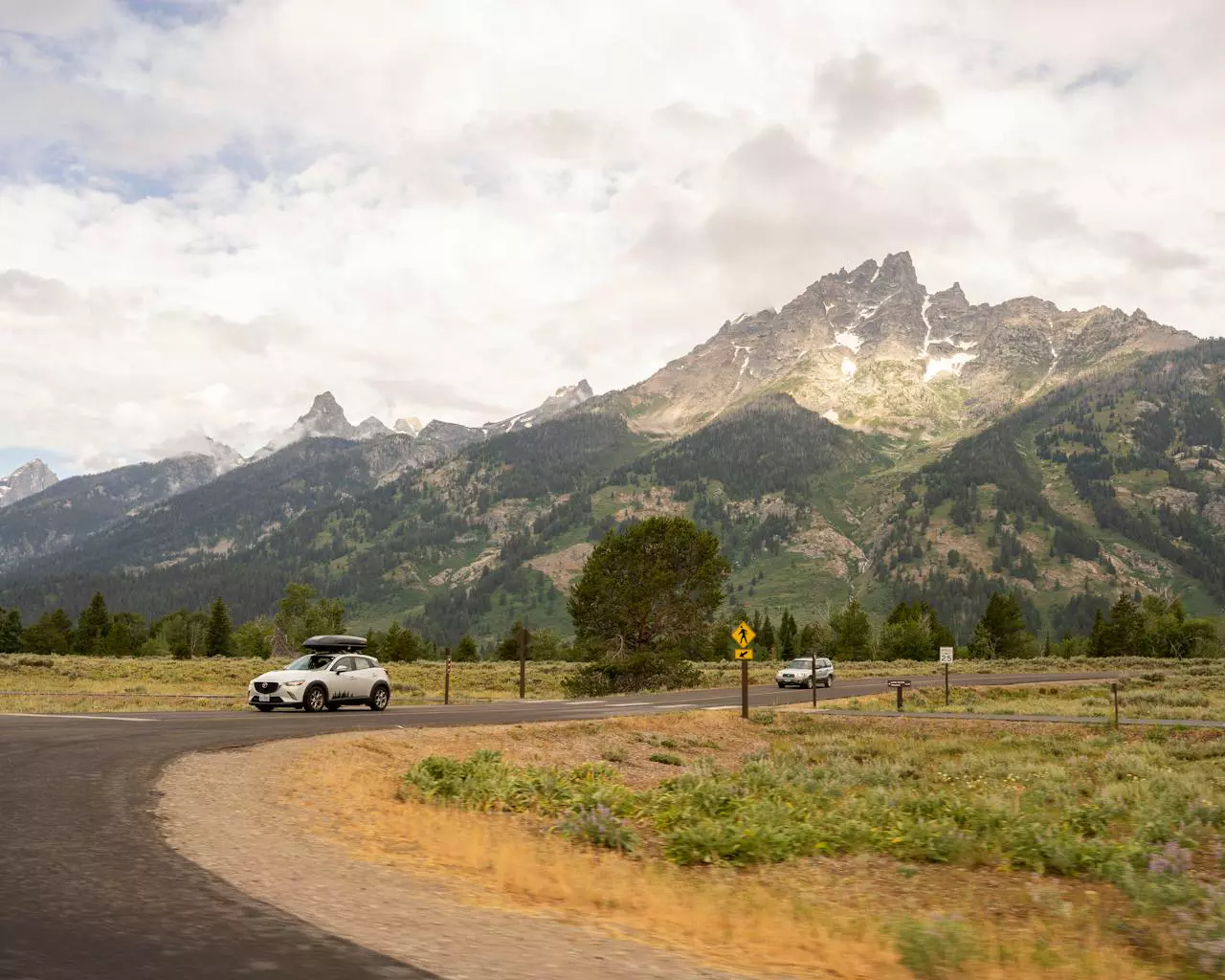
That pattern matches rural Mid-Michigan and Northern Michigan roads, where wooded edges, farm fields, and creek crossings give deer easy access to pavement. Michigan State Police also note that firearm deer season, which begins November 15, increases deer movement as animals are pushed from cover.
How can you lower your chances of hitting a deer?
Lower speed, sharper attention, and better visibility are the three most effective defenses. A few habits make a real difference on routes where deer are common:
- Slow down at dawn and dusk and on two-lane roads with wooded or field edges
- Scan the shoulders and ditches, not just the lane ahead, and watch for eyes reflecting in headlights
- Use high beams when no oncoming traffic is present, and dim them for approaching vehicles
- Expect more than one deer, since they often travel in groups and a second animal may follow the first
- Pay attention to deer crossing signs, which mark areas with a history of crossings
- Wear a seat belt on every trip, since a belt is the best defense if a crash occurs
Clean headlights and a clear windshield also matter more in fall, when low sun glare and early darkness shrink reaction time. Avoiding distractions such as phone use keeps your eyes available to catch the glint of an animal at the road edge.
What should you do when a deer appears in the road?
Brake firmly, hold the steering wheel straight, and stay in your lane. Swerving may feel instinctive, but it can send a vehicle into oncoming traffic, a ditch, or a tree, and those outcomes are often more dangerous than the deer strike itself. This is the reasoning behind the “Don’t veer for deer” message Michigan police repeat each fall.
If a collision seems unavoidable, keep both hands on the wheel, stay in your lane, and keep control of the vehicle after impact. Do not assume the animal is alone, and keep the speed low in case more deer follow.
What should you do after hitting a deer in Michigan?
Get the vehicle to a safe spot, turn on your emergency flashers, and call police. DIFS and Michigan State Police recommend pulling off the road if possible, being careful of traffic if you step out, and reporting the crash to the nearest police agency and your insurance company or agent.
If your vehicle cannot move and is still in a lane of traffic, carefully exit and stand at the side of the road, clear of oncoming vehicles. Stay away from the deer, since a wounded animal can be dangerous and one that looks dead may only be stunned.
When it is safe, take photos of the roadway, surroundings, damage, and any injuries, and ask witnesses for contact information. DIFS also cautions against assuming the vehicle is safe to drive. Look for leaking fluids, tire damage, loose parts, broken lights, or a hood that will not latch, and call for a tow if anything seems wrong.
Insurance coverage varies by policy. DIFS notes that coverage for a collision with an animal such as a deer is optional comprehensive coverage that is not part of a standard policy unless it was selected, so fall is a good time to read the policy and confirm what it includes. Michigan’s no-fault system also covers injuries to people hurt in the crash through personal injury protection, separate from vehicle repairs, and any injury should be checked by a doctor even if it seems minor.
Before the peak of deer season, a short checklist helps: confirm what the auto policy covers, keep a flashlight and a phone charger in the car, and save the local non-emergency police number. Plan evening commutes with extra time so there is no urge to rush on dark rural roads, and talk with teen drivers about what to do if a deer appears.