What to Write on a Headstone: A Comprehensive, In-Depth Guide to Examples, Ideas, and the Deep Meaning of Epitaphs
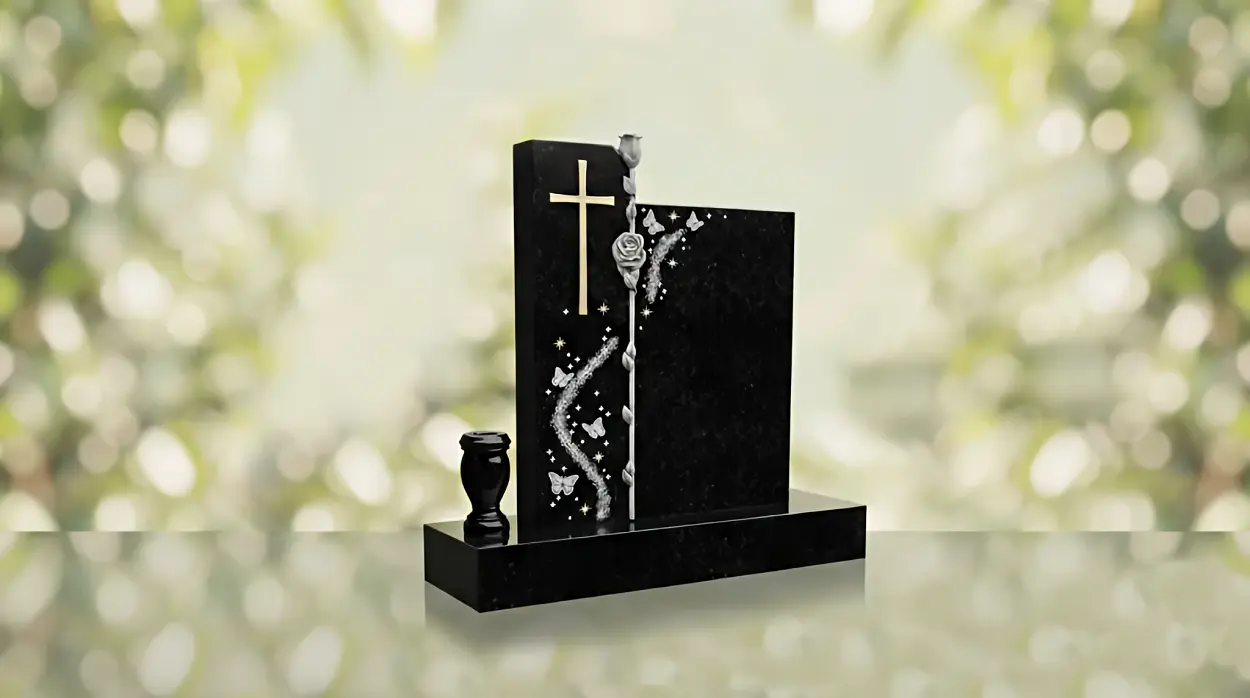
Choosing the words to engrave on a loved one’s headstone is one of the most profound, emotionally heavy, and incredibly significant tasks you may ever undertake in your lifetime. This stone, carved from enduring granite, elegant marble, or cast in timeless bronze, is intentionally designed to stand the test of time, weathering storms and seasons for centuries to come. It will serve as a silent, steadfast messenger to future generations, offering a brief but infinitely meaningful reflection of a life lived, the depth of your family’s love, the acute pain of an unfillable void, and the lasting impact of a human legacy. The process of selecting an epitaph often becomes an integral part of the psychological grieving and healing journey—a pivotal moment where we attempt the seemingly impossible task of distilling an entire universe of human experience, memories, laughter, and tears into a few lines of carved text.
In this monumental and extensively detailed guide, we will explore absolutely every facet of choosing the perfect words for a monument. We will delve deeply into historical traditions spanning across millennia, examine a massive array of ideas ranging from strict, stoic classicism to touching, emotive poetry, carefully analyze the highly practical and technical nuances of stone engraving, and provide you with the comprehensive inspiration needed to find the exact words that most sincerely and accurately express your deepest emotions. Creating a physical memorial is an act of profound devotion and historical preservation that should not be rushed under any circumstances, and the text placed upon it deserves the utmost, meticulous thought.
The Historical Context: A Legacy in Stone
The tradition of leaving permanent messages at burial sites is an ancient practice rooted deeply in the core of human history, transcending nearly all geographic boundaries and cultures. In ancient Egypt, the wealthy and royal classes inscribed intricate hieroglyphs inside tombs, utilizing excerpts from the Book of the Dead to guide the soul through the perilous journey of the afterlife. These inscriptions were not just memorials; they were considered vital tools for eternity.
In ancient Greece and the Roman Empire, stone steles and sarcophagi were prominently erected along busy public roadsides with direct, sometimes startling appeals to passing travelers. These antique epitaphs often began with “Stop, traveler,” containing a plea to halt a journey, read the name of the deceased aloud (thus keeping their memory alive), and reflect upon the fleeting, fragile nature of mortal life. The Romans often used the abbreviation “D.M.” for Dis Manibus, dedicating the grave to the spirits of the dead. The word “epitaph” itself is derived from the ancient Greek word epitaphios, which translates literally to “over the tomb” or “funeral oration.”
During the Middle Ages and the Renaissance in Europe, the texts on monuments began to take on a distinctly religious and solemn tone, deeply influenced by the dominance of the Church. They served as stark memento mori (reminders of death), warning the living to prepare their souls. These stones contained earnest prayers, supplications for divine mercy, and poignant quotes from sacred scriptures. Conversely, the Victorian era ushered in a highly romanticized, elaborate tradition of mourning. Epitaphs became lengthier, intensely poetic, and extraordinarily rich with metaphors about sleeping, embarking on a final sea voyage, or reuniting in a lush heavenly garden.
Understanding this incredibly rich historical tapestry can profoundly help you realize that whatever words you ultimately choose, you are participating in an ancient, deeply human tradition of memory-keeping. You are not just marking a plot of earth; you are anchoring a personal history in the physical, tangible world.
The Foundational Elements: What Must Be Included
Before venturing into the creative realm of poetic quotes, religious scriptures, and highly personalized messages, it is absolutely crucial to establish the foundational, factual information that typically anchors any memorial stone. These foundational elements serve as the essential historical record for genealogists, descendants, and official cemetery records.
The full, legal name is the most critical element of any monument. This usually includes the first name, middle name or initial, and last name. However, many families also choose to include beloved nicknames in quotation marks (e.g., Robert “Bob” Smith) to reflect how the person was genuinely known in daily life. For married women, including the maiden name is a highly recommended, thoughtful way to honor their family of origin and heavily assist future generations in genealogical research.
The dates of life are the next standard pillar of the monument. You can choose from several different formatting options depending on your aesthetic preference and the space available on the stone. You might use the full alphanumeric date (January 1, 1950 – December 31, 2020), a purely numerical format (01/01/1950 – 12/31/2020), just the birth and death years (1950 – 2020), or even symbols such as an asterisk (*) for birth and a cross (†) for death.
Family roles and relationships provide a succinct summary of the deceased’s connection to the world. A beautiful, enduring way to show how they were tied to others is through standard relational phrases. Common phrases include “Beloved Mother and Grandmother,” “Devoted Husband, Father, and Friend,” or “Cherished Son and Brother.”
Categorized Examples and Ideas for Headstones
To provide you with tangible, actionable inspiration, we have compiled a diverse and extensive selection of epitaphs. These are organized systematically by theme and length to help you effortlessly match the desired sentiment with the physical space available on the memorial stone.
Extensive Epitaph Examples by Category
| Thematic Category | Short & Concise (2-5 Words) | Medium Length (1-2 Sentences) | Long, Poetic, or Detailed Examples |
| Classic & Timeless | Rest in Eternal Peace. Forever in our hearts. | Gone from our sight, but never from our memories. A beautiful life, exceptionally well lived. | Earth has one gentle soul less, and Heaven has one angel more. To live forever in the hearts of those we leave behind is not to truly die. |
| Religious & Spiritual | Safely in God’s Care. Asleep in Christ. | The Lord is my shepherd, I shall not want. Joyfully called back to the loving arms of the Creator. | I have fought the good fight, I have finished the race, I have kept the highly treasured faith. Whoever believes in Him shall not perish but have eternal life. |
| For a Mother | Beloved Mother. Our Guiding Star. | Her devoted children arise and proudly call her blessed. She loved her family deeply and was profoundly loved in return. | A mother’s unconditional love is a profound blessing, an everlasting light that guides us even when she is physically gone. Her gentle memory is our eternal treasure. |
| For a Father | Devoted Father. Our Steadfast Anchor. | His greatest, lasting legacy is the love he left behind. He was a man of quiet, enduring strength and deep wisdom. | The true measure of a man is the love he leaves behind. He guided us through life with a firm, protective hand and an endlessly gentle heart. |
| Nature & Secular | Back to the Earth. A Free Spirit. | Planted firmly on earth to eventually bloom in heaven. She walked in beauty, much like the starry night. | Do not stand at my grave and weep; I am not there. I do not sleep. I am a thousand winds that blow. I am the diamond glints on the pristine snow. |
Practical, Legal, and Technical Considerations for Engraving
The emotional aspect of choosing words must eventually, inevitably align with the physical realities and constraints of stone carving. What looks beautiful on a piece of paper or a digital screen must translate effectively to solid granite, marble, or bronze.
Here are the critical technical considerations you must keep in mind:
- Stone Material and Contrast Restrictions: Dark granites (such as absolute black or dark grey) naturally provide extraordinarily high contrast, allowing for much smaller, more intricate text and even highly detailed laser-etched portraits. Lighter stones, such as traditional white marble or light grey granite, rely heavily on the natural shadows created by deep, V-cut carving to make the text visible. Over time, weathering can make shallow text on light stones incredibly difficult to read without the application of special monument paints.
- Typography and Font Selection: The specific font chosen plays a massive, undeniable role in long-term readability. Traditional serif fonts (like Roman, Garamond, or Times) are classic, distinguished, and relatively easy to read even after decades of weathering. Script fonts are undeniably elegant, but they can quickly become illegible if carved too small, or if the intricate connecting lines weather away over the centuries.
- Space and Spacing (Kerning): Every single monument has a strictly finite amount of surface area. The size of the stone dictates the absolute maximum number of characters that can be successfully engraved. Overcrowding a stone makes it look cluttered, extremely difficult to read, and significantly diminishes its overall aesthetic appeal. Proper spacing between letters (kerning) is vital.
- Cemetery Rules and Bylaws: Before finalizing any text whatsoever, it is absolutely imperative and non-negotiable to review the official bylaws of the cemetery. Many historic, religious, or highly regulated municipal cemeteries have strict, unbending rules regarding exactly what can and cannot be engraved, the specific languages permitted, the maximum height of the lettering, and the types of secular or religious imagery allowed.
- Financial Implications: While many memorial providers generously include the basic name, dates, and a simple design in the base purchase price of the stone, any additional lettering (especially exceptionally lengthy poems, custom quotes, or complex back-of-stone engravings) is almost always charged by the individual letter or by the word.
The Collaborative Journey of Choosing
Selecting an epitaph should ideally be a highly collaborative, patient process among close family members and trusted loved ones. While one specific person may be legally tasked with handling the final arrangements, gathering input from siblings, spouses, or children ensures that the final tribute honors the deceased from multiple, diverse perspectives.
Here is a helpful process for managing this emotional task:
- Brainstorm Independently: Have each close family member write down a few words, memories, or quotes that remind them of the deceased without consulting the others first.
- Gather and Compare: Come together to read the suggestions aloud. Look for recurring themes. Did everyone mention their humor? Their faith? Their love for nature?
- Draft Multiple Options: Create a short version, a medium version, and a long version of the proposed epitaph.
- Pause and Reflect: It is highly recommended to sit with the drafted options for a few days or even weeks. Read them aloud in different moods. How do they sound? Do they bring a sense of profound peace?
- Seek Consensus: Remember that acute grief is immediate, but a granite headstone is essentially permanent. Avoid inside jokes that might entirely lose their context over time, or sentiments driven by temporary anger or acute, unresolved trauma.

Conclusion
The challenging but beautiful journey to finding the absolute perfect words for a headstone is a profound exercise in enduring love, preserving memory, and ultimately letting go. It requires expertly balancing deep, emotional truths with practical, physical constraints, blending centuries-old historical traditions with uniquely personal touches. Whether you opt for a profound religious scripture, a delicate, timeless line of poetry, or a simple, stoically elegant declaration of love, the most critically important factor is absolute authenticity. The words should flawlessly reflect the unique, irreplaceable light that your loved one brought into this world.
To forcefully assist you in finalizing your monument decision and to ensure that absolutely no detail is overlooked, we have created a final, comprehensive review checklist. Please use this table to verify every aspect of your order before the final carving begins.
The Final Comprehensive Epitaph Review Checklist
| Critical Item to Check | Why It Absolutely Matters | Approval Status |
| Spelling and Grammar Verification | Errors permanently carved in stone are extremely difficult, stressful, and costly to fix. You must meticulously double-check all names, places, and words. | [ ] Checked and Approved |
| Vital Date Accuracy | Ensure birth and death dates are perfectly accurate according to official government vital records, birth certificates, and death certificates. | [ ] Checked and Approved |
| Official Cemetery Approval | Verifying that the text length, overall content, and design explicitly comply with local cemetery regulations and strict bylaws. | [ ] Checked and Approved |
| Total Family Consensus | Ensuring all immediate family members are completely at peace and in agreement with the finally chosen wording and layout. | [ ] Checked and Approved |
| Readability and Font Check | Confirming the chosen font style, letter size, and kerning will be highly legible on the selected stone color and specific material finish. | [ ] Checked and Approved |
Take your time with this deeply personal, enduring task. There is absolutely no rush to finalize the wording until you feel complete, unwavering peace with your choice. Let the beautiful, lingering memories of your loved one gently guide your heart and your decisions. As you finalize this incredibly important, enduring tribute, the dedicated team at Memory Headstones hopes this exhaustive guide provides the necessary clarity, deep inspiration, and soothing comfort needed to create a truly beautiful, lasting memorial for your deeply missed loved one.