From National Parks to Your Backyard: How Smart Bird Feeders Extend Your Birdwatching Adventure
Introduction
Watching birds in a national park is something special. It is early morning; you are on a quiet trail, with your binoculars, listening to the movement of the trees and searching the sky, in case you hear something unusual or beautiful. The red glimpses of the tree branches, a hawk flying over the cliffs, and a shorebird going through the wetland grass can make a simple stroll a memory that you keep throughout your life.
However, this feeling can be difficult to keep when you get back home after the trip. Business may be a daily routine, bird sightings may be more of a rarity, and you are not always sure what you are seeing in your own backyard. It is at that point that smart birdwatching tools can come in handy. They relate the thrill of birding in the park to home life.
Birdfy is a smart bird feeder with an in-built camera and AI bird recognition that can help make your backyard a personal birdwatching station, and make the process of birdwatching seem less like a hobby that you do occasionally and more like a hobby that you do regularly.
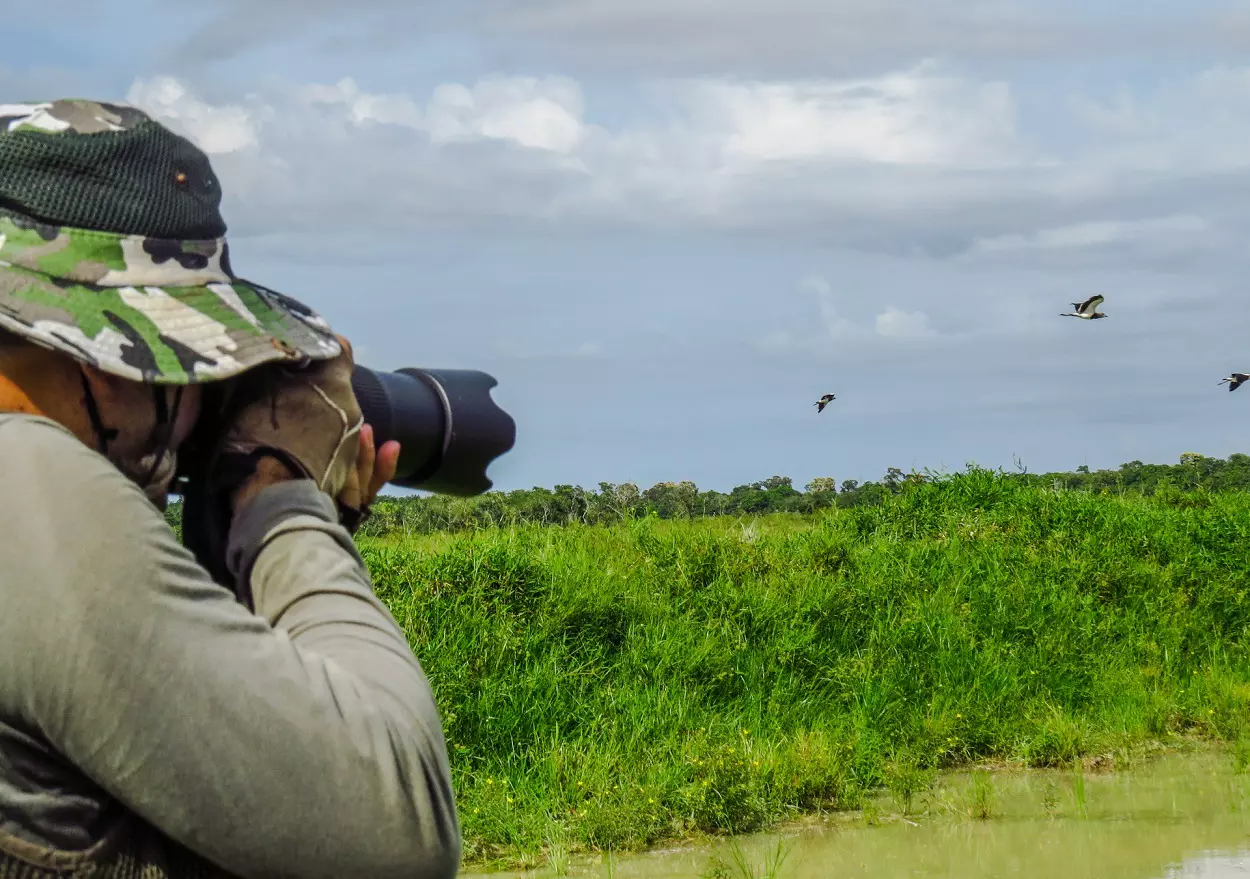
The Magic of Birdwatching in National Parks
National parks provide something that is difficult to find for bird lovers. They provide expansive natural habitats, reduced noise, and an opportunity to observe birds in their natural habitat.
There are parks known as seabird parks, others as wading birds’ parks, and others as rare migrants or raptor parks. These parks are some of the top locations to begin with if you wish to create memorable birdwatching experiences.
1. Point Reyes National Seashore
Point Reyes is among the best birding sites in the U.S. The National Park Service reports that it has almost 490 bird species listed in it, having one of the richest bird lists of any national park in the United States.
Birds to Look for
Warblers, sparrows, kinglets, throes, wrens, woodpeckers, hummingbirds, owls, shorebirds, and seabirds may be found according to the habitat and season. Bear Valley and Inverness Ridge are especially known for land birds, while lagoons and the coast attract water birds.
Best Time to Go
Birding is particularly good in the fall and winter at such sites as Abbotts Lagoon, although Point Reyes is productive all year round.
Helpful Tip
Start early in the morning, walk slowly, and explore a combination of woodland, scrub, and coastal zone during a single excursion. That will give you the best opportunity of having a diverse species of birds.
2. Everglades National Park
Everglades National Park is one of the great birding destinations in North America. The park has over 350 bird species, and the National Park Service highlights the Everglades as a major place for wading birds, raptors, pelicans, shorebirds, and seasonal migrants.
Birds to Look for
You can watch for white ibis, wood storks, osprey, bald eagles, pelicans, cormorants, roseate spoonbills, and many kinds of shorebirds. The Everglades is especially known for its wading birds.
Best Time to Go
Dry season birding is often the easiest because birds are easier to spot around shrinking water sources, but seasonal visitors also make different times of year exciting. Coastal areas and the Ten Thousand Islands are also strong viewing spots.
Helpful Tip
Bring patience and try both shore-based viewing and boat or paddling areas if possible. Morning and late afternoon often bring the best bird activity and softer light for viewing.
3. Big Bend National Park
Big Bend is world-famous among birders. The National Park Service says more than 450 bird species have been documented there, which makes it one of the most exciting birding parks in the country.
Birds to Look for
One of Big Bend’s most famous birds is the Colima Warbler. The park service notes that Big Bend is the only place to see this bird in the United States. The park is also excellent for many southwestern and tropical edge species.
Best Time to Go
Spring is the most popular season for birding because many migrants pass through then. Summer can still be rewarding for southwestern species, even if migration surprises are fewer.
Helpful Tip
Research target species before you go. In Big Bend, timing matters a lot. Some birds may stop only briefly during migration, so knowing when and where to look can make a big difference.
4. Acadia National Park
Acadia is a premier birdwatching area on the Atlantic coast. The National Park Service reports more than 20 species of warblers breeding on Mount Desert Island, and records of over 300 bird species in and around the park. More recent NPS material notes a record of 338 species encountered.
Birds to Look for
Warblers are a major highlight here. Acadia is also known for raptors, shorebirds, owls, and many forest birds. Cadillac Mountain is a well-known place to watch migrating raptors along the coast.
Best Time to Go
Summer is exceptional in the western mountains, and the breeding season is rewarding for warblers. Migration periods can also bring exciting coastal movement.
Helpful Tip
Mix mountain, forest, and coastal habitats in the same visit. Acadia’s variety is one of its greatest strengths for birdwatching.
5. Pinnacles National Park
Pinnacles National Park is productive for birding all year. The National Park Service says the park is known for species, like the Yellow-billed Magpie, Greater Roadrunner, California Condor, and Prairie Falcon, and that more than 160 bird species have been documented there.
Birds to Look for
California Condors are a great attraction. Pinnacles are among the release points of the condors, and the park also provides good opportunities for raptors and California resident birds.
Best Time to Go
It operates all year round, although early in the morning and evening are most ideal due to the fact that birds are most active and the light is better to see.
Helpful Tip
Bring a pair of field glasses with 7x-10x magnification and a spotting scope if you desire a more detailed view of the High Peaks over a longer distance.
What to Bring for a Better Birdwatching Trip?
A birdwatching trip does not require a lot of equipment, though a few essentials are useful.
- Binoculars
The most vital item among a majority of the birders is a sturdy pair of field glasses. They assist you in viewing the birds at a healthy distance without disturbing them. Keeping space between you and wildlife is also a recommendation in Leave No Trace.
- Bird Field Guide
A field guide assists you in size comparison, shape, color, and markings. It remains highly helpful despite the fact that you are using digital tools as well. Pinnacles birding guidance also points out that field guides are useful despite the speed at which birds may move.
- eBird App
According to the Cornell Lab education material, eBird is an application that transforms the sighting of birds into science and conservation studies. It can be used to create checklists and record what you have seen when you are on a trip.
Why Continuing Birdwatching at Home Matters: Benefits After Your Trip?
A national park birdwatching trip may make a strong impression, and the experience becomes much more valuable as long as it is continued at home. Birdwatching in your own backyard allows you to keep in touch with nature even in the most mundane of times, making birdwatching no longer a once-in-a-lifetime travel experience but an enjoyable and frequent part of life.
It also assists you in being more attentive to the types of birds around you, such as the birds that live in the area, and the migrant birds that fly through the area at various times of the year. Gradually, this will bring greater knowledge of the behavior of birds, their seasonal movement, and the natural rhythm of your own environment. Home birdwatching can also enable you to create your own bird log, which can be one of the most rewarding aspects of the sport.
Something bigger than personal pleasure can also be supported by backyard birdwatching. Examples, like Project FeederWatch, have demonstrated that observations of birds at home and in local areas can be used by researchers to monitor the population of birds and species of interest, to better comprehend the variation in distribution over time. By doing so, your personal records of the birds can be a small yet significant contribution to conservation and research.
Meanwhile, there are definite boundaries to the traditional backyard birdwatching. Patience and waiting can be long and tedious, but even special bird visits may be missed within a few seconds. It may also be challenging to identify species when a bird sits down and flies off before you have time to examine it. Uncommon times can occur during the time you are at work or even when traveling or doing some chores within the house, and the activity at night remains totally unknown.
How Birdfy Makes Backyard Birdwatching More Professional and Accurate?
Birdfy is a smart bird feeder with a built-in HD camera and AI tools designed for bird lovers. It helps turn a normal feeder into a more advanced birdwatching setup by combining feeding, video capture, bird identification, and app-based monitoring in one device.
Key Features and Benefits
AI Bird Identification
- Birdfy says its AI can identify more than 6,000 bird species.
- It helps beginners learn faster and makes regular birdwatching less confusing.
- Birdfy also offers bird journals and recap-style features that help organize what you have seen over time.
Auto Video Capture and Real-Time Alerts
- Birdfy sends instant alerts to your phone when birds arrive.
- Its AI bird recognition page says the camera automatically records a 20-second video of each bird visit.
- This means you can keep track of activity even when you are away from home.
HD Video and Night Vision
- Birdfy offers 1080p resolution on official product pages.
- It also offers color night vision, which helps capture bird activity after dark.
- This makes it easier to watch more than just daytime feeder visits.
Mobile App Control
- You can watch live, review saved clips, and share access with loved ones.
- Birdfy says its platform supports sharing with many accounts, which makes it easy for family members to enjoy the same feeder.
- Cloud storage options help save videos without filling local storage quickly.
Practical Outdoor Ready Design
- Birdfy feeders are designed for outdoor use.
- Official pages mention large seed capacity, easy cleaning, weather-ready use, and solar panel options on some models.
- This makes Birdfy a practical choice for people with gardens, patios, or backyards.
Citizen Science Contribution
- Birdfy records can support a more detailed home bird log.
- You can use that information alongside platforms like eBird or Project FeederWatch.
- Cornell and FeederWatch materials show that these types of bird observations can support science and conservation research.
How to Get Started With Birdfy at Home?
Starting is simple, but a few smart choices help a lot.
- Choose a Good Spot
Place the feeder in a quiet area where birds feel safe. A location near shrubs or trees often works well because birds like nearby cover. If possible, keep it where the camera has a clear line of sight.
- Think about Window Safety
Do not place the feeder in a way that increases the risk of window strikes. Give birds a safe setup and avoid sudden reflections where possible.
- Offer the Right Food and Water
Different seed mixes attract different birds. Adding fresh water nearby can also make your yard more attractive to local species.
- Combine Birdfy with Your Park Birdwatching
Use Birdfy to continue tracking species you learned about in parks. You can compare seasonal visitors, log home sightings in eBird, and keep a more complete record of your birdwatching life across both travel and home.
Conclusion
National parks give birdwatchers moments of wonder. They offer the thrill of new species, beautiful habitats, and quiet hours that stay with you long after the trip ends. But birdwatching does not have to stop when you drive home.
Birdfy helps carry that passion into everyday life by turning your backyard into a smart, active birdwatching space. With AI identification, video capture, alerts, night vision, and app-based control, it helps make home birdwatching easier, more accurate, and more rewarding.