What to Budget for on a Utah Mighty Five Road Trip
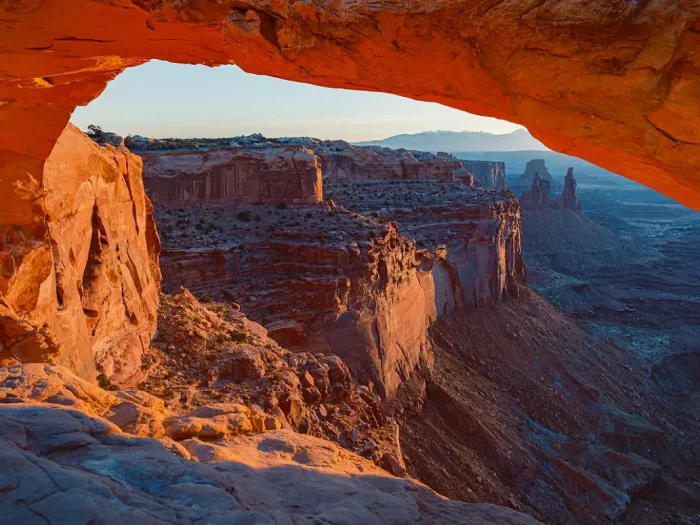
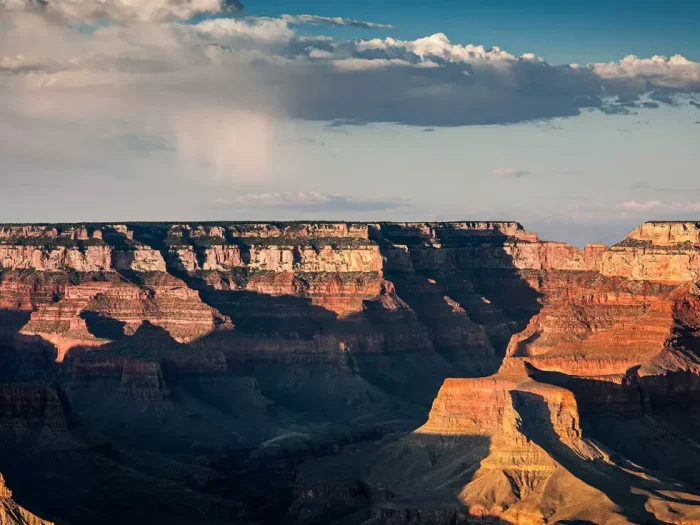
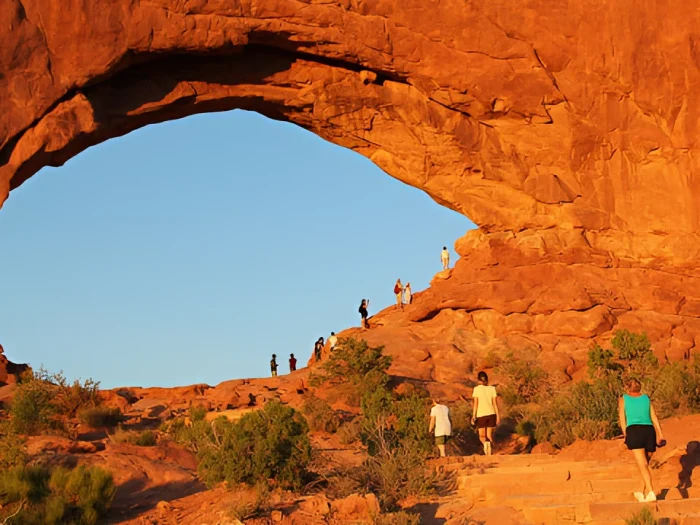
Utah’s Mighty Five road trip is one of the most memorable national park routes in the United States. In one journey, travelers can visit Arches, Canyonlands, Capitol Reef, Bryce Canyon and Zion, each offering a completely different desert landscape.
The route can include sandstone arches, deep canyons, red rock cliffs, hoodoos, scenic drives and unforgettable hikes. But costs can add up quickly. Lodging, fuel, park fees, camping reservations, food, permits, gear and seasonal crowds can all affect the final budget. Planning ahead helps travelers enjoy the parks with fewer surprises.
Start with park entrance fees and passes
The first cost to consider is park entrance. Each of the Mighty Five national parks charges an entrance fee, so travelers visiting several parks should compare individual fees with the cost of an annual pass.
For many visitors, an annual national parks pass can make sense on a multi-park trip. It can cover entrance to Arches, Canyonlands, Capitol Reef, Bryce Canyon and Zion, along with many other federal recreation sites during the year.
Before leaving, check current fee information and pass rules. This is one of the easiest costs to plan for, but it is also one travelers sometimes forget until they reach the gate.
Plan carefully for lodging near each park
Lodging can be one of the largest expenses on a Mighty Five road trip. Prices vary widely depending on the park, season and how close travelers want to stay to the entrance.
Moab is a popular base for both Arches and Canyonlands, but it can become expensive during busy seasons. Torrey is a common choice for Capitol Reef, while Bryce Canyon City and nearby towns offer access to Bryce Canyon. For Zion, many visitors look at Springdale, which is convenient but often pricey.
Booking early can help, especially for spring, fall and holiday weekends. Travelers may also compare gateway towns farther from the park, but they should factor in extra driving time and fuel. A cheaper room may not always save money if it adds long daily drives.
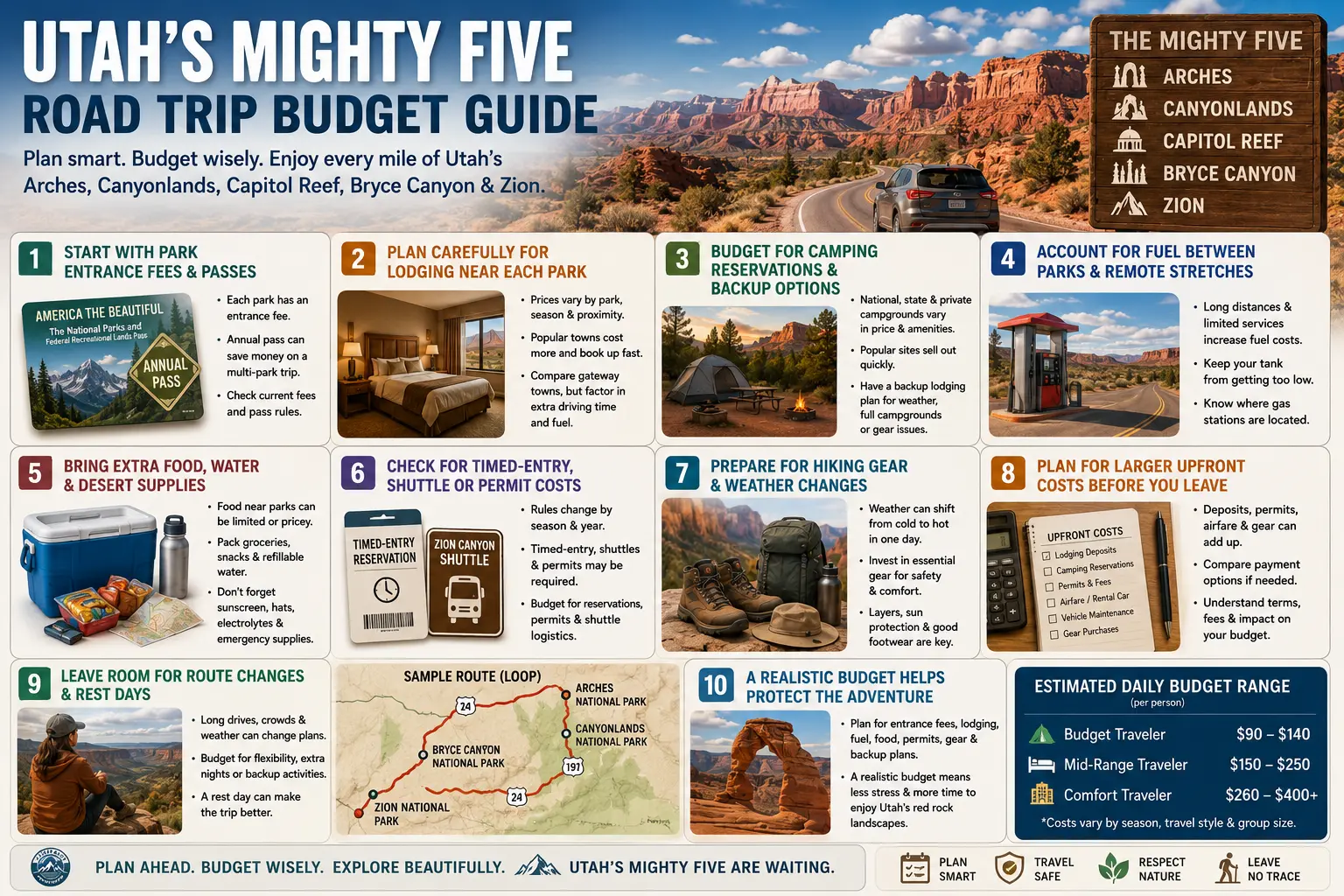
Budget for camping reservations and backup options
Camping can lower lodging costs, but it still requires planning. National park campgrounds, state parks, private campgrounds and RV parks all have different fees, reservation rules and amenities.
Popular campgrounds may sell out quickly, especially near Zion, Arches and Bryce Canyon. Some sites may be first-come, first-served, but relying on availability during peak season can be risky. Private campgrounds may cost more but offer showers, laundry, hookups or easier booking.
Travelers should also budget for backup lodging. Bad weather, road fatigue, full campgrounds or gear problems can make a hotel night worth the extra cost. Having a backup plan prevents camping from becoming stressful when conditions change.
Account for fuel between parks and remote stretches
A Mighty Five road trip includes long drives through desert landscapes and smaller towns. Fuel costs can be higher than expected, especially if travelers are driving an RV, larger SUV or rental vehicle.
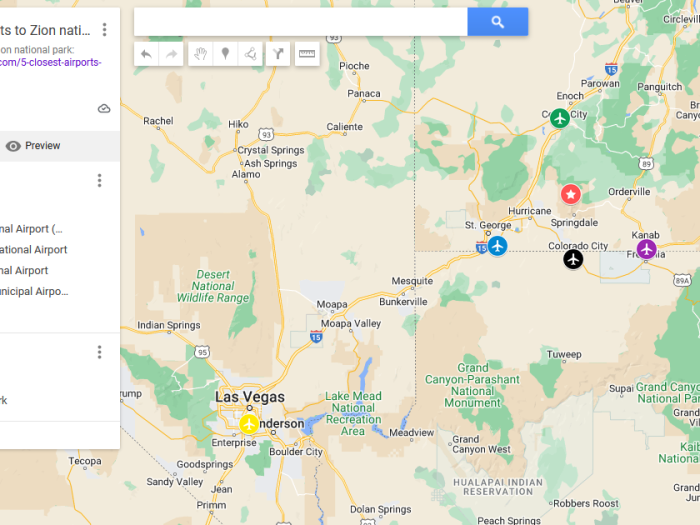
Distances between parks can add up. Travelers may drive from Moab to Capitol Reef, then on to Bryce Canyon and Zion, with scenic detours along the way. Some stretches have limited services, so it is smart to keep the tank from getting too low.
Fuel planning is not just about cost. It is also about safety and convenience. Check distances, know where gas stations are located and avoid assuming the next town will have everything available.
Bring extra food, water and desert supplies
Food and water are essential budget categories for a Utah parks trip. Restaurants and park-area markets can be limited or expensive, especially near popular entrances.
Travelers can save money by packing groceries, lunches, snacks and refillable water containers. A cooler can help with easy meals between parks. Electrolytes, extra water, sunscreen, hats and basic emergency supplies are also important for desert travel.
Hydration planning matters even on short hikes. Dry air, sun exposure and high temperatures can make visitors underestimate how much water they need. Buying supplies before entering park areas can save money and reduce stress.
Check for timed-entry, shuttle or permit costs
Some Mighty Five experiences require advance planning. Rules can change by season and year, so travelers should check current park information before the trip.
Arches has used timed-entry systems during high-demand periods. Zion relies heavily on shuttle logistics in Zion Canyon during much of the year. Popular hikes, backcountry routes, canyoneering trips or special activities may require permits or reservations.
These costs may not be huge individually, but missing a required reservation can affect the entire itinerary. Budgeting for permits, shuttle logistics and advance reservations helps protect the experiences travelers most want to enjoy.
Prepare for hiking gear and weather changes
Utah’s desert parks can bring a surprising range of conditions. Mornings may be cold, afternoons hot and exposed trails windy or stormy. Higher elevations, especially near Bryce Canyon, can feel very different from lower desert areas.
Travelers should budget for sturdy shoes, layers, rain gear, sun protection, hats, extra socks, daypacks and headlamps. Those visiting in colder months may need traction devices or warmer clothing. Summer travelers may need additional water storage and sun-protective gear.
The goal is not to buy every outdoor gadget. Focus on gear that improves safety, comfort and preparedness for the specific trails and season.
Plan for larger upfront costs before you leave
Some Mighty Five expenses may come due before the road trip begins. Lodging deposits, camping reservations, permits, airfare, rental cars, vehicle maintenance and gear purchases can create a larger upfront total than expected.
Travelers can compare savings, payment plans, credit options or personal loan rates if a larger planned cost needs more time. The important step is to understand repayment terms, fees and how any payment choice will affect the budget after the trip.
If the numbers feel too tight, adjust the itinerary. Cutting one extra night, choosing a less expensive base town or delaying a gear upgrade can make the trip easier to enjoy.
Leave room for route changes and rest days
A Mighty Five itinerary can look simple on a map, but the trip can feel packed in real life. Long drives, crowded parking lots, trail closures, weather shifts and tired legs can all change the plan.
Travelers should budget for flexibility. That might mean an extra night in one town, a slower morning, a scenic drive instead of a long hike or a backup activity if conditions change. A rest day can make the difference between enjoying the route and feeling rushed through it.
Building in flexibility also helps with unexpected costs, such as extra meals, additional fuel or last-minute lodging.
A realistic budget helps protect the adventure
The Utah Mighty Five is worth planning carefully. Arches, Canyonlands, Capitol Reef, Bryce Canyon and Zion each deserve time, attention and preparation.
A realistic budget is not about limiting the adventure. It is about making sure travelers are ready for the real costs of the route, from entrance fees and lodging to fuel, food, permits, gear and backup plans. With the essentials covered, visitors can spend less time worrying about expenses and more time enjoying Utah’s red rock landscapes.