Kluane National Park and Reserve: A Complete Guide to Canada’s Mountain Wilderness
Kluane National Park and Reserve is one of Canada’s most spectacular wilderness destinations, famous for its towering mountains, enormous glaciers, turquoise lakes, and vast untouched landscapes. Located in the southwestern corner of Yukon, near the border with Alaska, this remarkable protected area offers some of the most dramatic scenery in North America.
Home to Canada’s highest mountain, Mount Logan, and part of the world’s largest non-polar icefield, Kluane is a paradise for hikers, mountaineers, wildlife enthusiasts, photographers, and outdoor adventurers. Unlike many popular national parks, Kluane remains relatively remote and uncrowded, making it an ideal destination for travelers seeking an authentic wilderness experience.
Whether you want to explore scenic hiking trails, admire massive glaciers, watch wildlife, or simply enjoy the breathtaking mountain scenery, Kluane National Park and Reserve has something extraordinary to offer.
Where Is Kluane National Park and Reserve?
Kluane National Park and Reserve is located in southwestern Yukon, Canada, close to the Alaska border. It covers a vast mountainous region within the Saint Elias Mountains, one of the highest mountain ranges in North America.
The park is approximately 160 kilometers (100 miles) west of Whitehorse, Yukon’s capital city. Its main access communities include Haines Junction and Destruction Bay, both located along the Alaska Highway.
Kluane is part of a larger protected wilderness landscape that extends across the Canada–United States border. Together with Wrangell–St. Elias National Park and Preserve in Alaska, Glacier Bay National Park and Preserve, and Tatshenshini-Alsek Provincial Park in British Columbia, it forms an enormous internationally recognized protected area.
The park’s remote location contributes to its exceptional natural beauty. Visitors can experience dramatic alpine scenery, expansive icefields, deep valleys, and pristine waterways far from major urban centers.
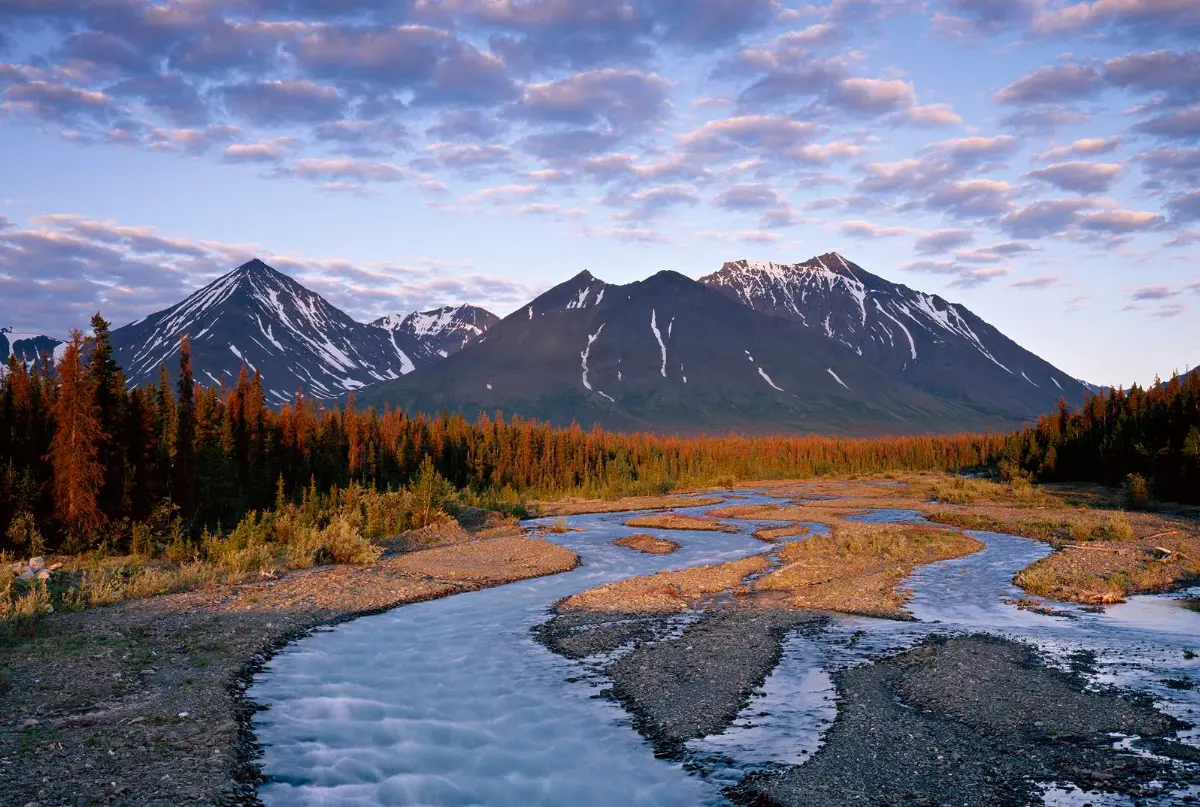
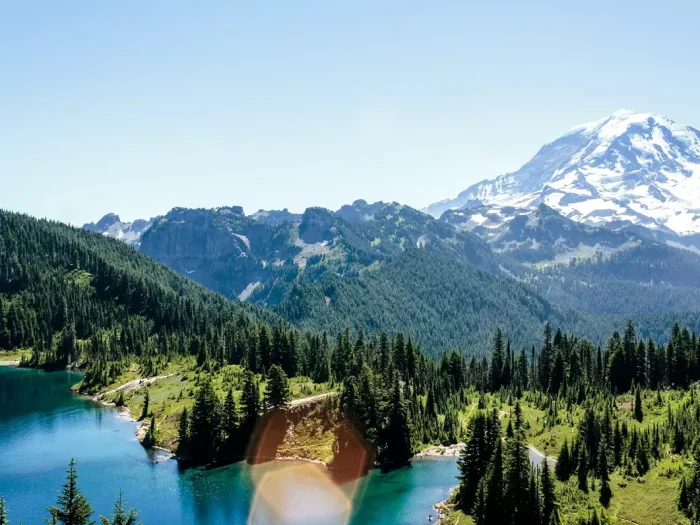
Photo by Omprakash
Kluane National Park and Reserve Facts
Here are some important facts about Kluane National Park and Reserve:
| Fact | Details |
|---|---|
| Location | Southwestern Yukon, Canada |
| Established | 1972 (National Park Reserve) |
| National park status | 1993 |
| Area | Approximately 22,013 square kilometers |
| Nearest major city | Whitehorse, Yukon |
| Main access community | Haines Junction |
| Highest mountain | Mount Logan |
| Mountain range | Saint Elias Mountains |
| UNESCO designation | 1979 |
| Main attractions | Glaciers, mountains, lakes, wildlife, hiking |
| Best time to visit | June to September |
| Famous lake | Kathleen Lake |
Kluane is one of Canada’s largest national parks and contains an extraordinary concentration of glaciers, mountain peaks, and alpine environments.
Why Is Kluane National Park Famous?
Kluane National Park and Reserve is famous for its spectacular mountain scenery, enormous glaciers, and exceptional wilderness. Several natural features make this destination particularly special.
Home to Canada’s Highest Mountain
The park contains Mount Logan, which rises to approximately 5,959 meters (19,551 feet) above sea level. It is the highest mountain in Canada and the second-highest peak in North America after Denali in Alaska.
One of the World’s Largest Non-Polar Icefields
Kluane contains an extensive icefield system covering much of its mountainous interior. These glaciers create breathtaking landscapes of snow-covered peaks, ice valleys, and glacial rivers.
Part of a UNESCO World Heritage Site
Kluane was designated a UNESCO World Heritage Site in 1979 because of its outstanding natural landscapes and geological significance. It is part of a transboundary World Heritage property shared with protected areas in Alaska and British Columbia.
Exceptional Wildlife
The park supports diverse wildlife, including grizzly bears, Dall sheep, mountain goats, caribou, moose, wolves, and numerous bird species.
Outstanding Outdoor Adventures
From easy lakeside walks to challenging alpine expeditions, Kluane offers outdoor activities for visitors with different experience levels.
Best Things to Do in Kluane National Park and Reserve
Kluane National Park and Reserve offers numerous opportunities to experience the wilderness of Canada’s north. Although some areas are difficult to access, several scenic locations and outdoor activities are suitable for ordinary visitors.
1. Visit Kathleen Lake
Kathleen Lake is one of the most beautiful and accessible destinations in Kluane National Park. Located near Haines Junction, the lake is surrounded by impressive mountains and offers spectacular views of the surrounding wilderness.
Its clear turquoise water, forested shoreline, and dramatic mountain backdrop make it one of the best places in the park for photography.
Visitors can enjoy several activities around the lake, including:
- Hiking along the Kathleen Lake shoreline.
- Enjoying a picnic beside the water.
- Canoeing and kayaking.
- Fishing where permitted.
- Photographing the surrounding mountains.
- Camping at Kathleen Lake Campground.
The Kathleen Lake area is especially popular during summer when the weather is generally more suitable for outdoor activities.
2. Explore the King’s Throne Hiking Trail
The King’s Throne Trail is one of the most popular hiking routes in Kluane National Park. It offers incredible views of Kathleen Lake and the surrounding mountain landscape.
The trail begins near Kathleen Lake Campground and climbs steadily toward a distinctive mountain formation known as King’s Throne.
The lower section leads through forested terrain before opening onto increasingly dramatic alpine scenery. Hikers who continue toward the upper sections are rewarded with spectacular views of the lake and surrounding mountains.
This is a challenging hike, particularly near the upper slopes, so visitors should bring suitable footwear, sufficient water, and appropriate outdoor equipment.
3. Hike the Auriol Trail
The Auriol Trail is a beautiful hiking route located near Haines Junction. It offers a relatively accessible way to experience Kluane’s forests, alpine meadows, and mountain scenery.
The trail passes through different landscapes, including spruce forests and open areas with impressive views of nearby peaks.
Compared with some of the park’s more demanding mountain routes, Auriol Trail is a good option for visitors looking for a moderate hiking experience.
Wildlife sightings are possible, so hikers should remain alert and follow bear safety recommendations.
4. Take a Flightseeing Tour Over the Glaciers
One of the most unforgettable experiences in Kluane National Park is taking a scenic flight over its enormous glaciers and mountain ranges.
Because much of the park’s interior is inaccessible by road, aircraft provide an exceptional opportunity to see landscapes that most visitors cannot reach on foot.
During a flightseeing tour, visitors may see:
- The immense Kaskawulsh Glacier.
- Vast snow-covered icefields.
- Dramatic peaks of the Saint Elias Mountains.
- Remote glacial valleys.
- Mount Logan and surrounding high mountains, depending on the route and weather.
Flightseeing tours generally operate during the warmer months, although availability depends on weather conditions and local operators.
5. Visit the Kluane National Park Visitor Centre
The Kluane National Park Visitor Centre is located in Haines Junction and is an excellent starting point for exploring the park.
The visitor centre provides information about the park’s geography, wildlife, cultural history, hiking trails, and outdoor safety.
Visitors can learn about the Saint Elias Mountains, the region’s glaciers, and the Indigenous communities whose history and traditions are closely connected to this landscape.
It is also a useful place to obtain updated information about trail conditions, camping, weather, and park regulations.
6. Explore the Alsek River
The Alsek River is one of the most impressive wilderness rivers in the region. It flows through dramatic mountain valleys and glacial landscapes before continuing into British Columbia and Alaska.
The river is particularly famous among experienced paddlers and wilderness adventurers.
Rafting and kayaking expeditions offer opportunities to experience remote landscapes, impressive glaciers, and extraordinary mountain scenery.
However, the Alsek River is a challenging wilderness route. Expeditions require appropriate equipment, careful preparation, and substantial backcountry experience.
7. Go Wildlife Watching
Kluane National Park is home to a remarkable variety of wildlife. Its forests, valleys, mountains, and alpine environments provide habitats for numerous mammals and bird species.
Some of the animals visitors may encounter include:
- Grizzly bears.
- Black bears.
- Dall sheep.
- Mountain goats.
- Moose.
- Caribou.
- Wolves.
- Arctic ground squirrels.
- Golden eagles.
Wildlife sightings are never guaranteed, but early mornings and quieter areas can offer excellent opportunities for observing animals.
Visitors should always maintain a safe distance from wildlife and never approach or feed wild animals.
8. Enjoy Camping in the Wilderness
Camping is one of the best ways to experience Kluane National Park. Spending the night surrounded by mountains and forests allows visitors to appreciate the peaceful atmosphere of this remote wilderness.
Kathleen Lake Campground is one of the park’s most popular developed camping areas.
Facilities and services are limited compared with larger campgrounds in more heavily visited national parks, so visitors should plan ahead.
Backcountry camping is also possible in designated circumstances, but travelers need to understand the park’s regulations, bear safety requirements, and wilderness conditions.
9. Visit Sheep Mountain
Sheep Mountain is a well-known location in the Kluane region, particularly for visitors interested in wildlife watching.
The surrounding area provides opportunities to observe Dall sheep on the mountain slopes. These animals are adapted to rugged alpine environments and are among the most recognizable wildlife species in the park.
Visitors should bring binoculars to improve their chances of spotting sheep from a safe distance.
10. Photograph the Saint Elias Mountains
The Saint Elias Mountains provide some of the most spectacular mountain scenery in North America.
Their towering peaks, enormous glaciers, deep valleys, and changing weather conditions create endless photographic opportunities.
Some of the best places to enjoy the scenery include Kathleen Lake, the Haines Junction area, and viewpoints along the Alaska Highway.
Photographers visiting during summer may also enjoy long daylight hours, while autumn brings beautiful colors to the surrounding forests and alpine landscapes.
Wildlife in Kluane National Park and Reserve
Kluane’s wildlife is closely connected to its diverse natural environments, ranging from boreal forests and wetlands to alpine tundra and glacial valleys.
Common wildlife species found in the park include:
| Wildlife | Description |
|---|---|
| Grizzly bears | Large mammals that inhabit mountain valleys and forested areas |
| Black bears | Found in forested habitats throughout the region |
| Dall sheep | White mountain sheep commonly seen on steep alpine slopes |
| Mountain goats | Agile animals adapted to rocky mountain terrain |
| Moose | Large mammals often found near wetlands and forested areas |
| Caribou | Northern deer species that inhabit the wider region |
| Wolves | Predators that roam across extensive wilderness areas |
| Golden eagles | Large birds of prey that soar above mountain valleys |
Dall sheep are among the park’s most recognizable animals. Their white coats make them relatively easy to spot against dark mountain slopes, particularly around Sheep Mountain.
Grizzly bears are another important part of the ecosystem. Visitors should carry appropriate bear safety equipment when hiking, make noise while traveling through dense vegetation, and store food securely.
Mount Logan: Canada’s Highest Mountain
Mount Logan is the most famous mountain in Kluane National Park and Reserve. Standing at 5,959 meters (19,551 feet), it is the highest mountain in Canada and one of the most impressive peaks in North America.
Located deep within the Saint Elias Mountains, Mount Logan is surrounded by enormous glaciers, snowfields, and rugged alpine terrain.
The mountain is particularly challenging for climbers because of its extreme altitude, unpredictable weather, and remote location. Expeditions typically require extensive mountaineering experience, specialized equipment, and careful logistical planning.
Even visitors who do not intend to climb Mount Logan can appreciate its remarkable presence through scenic flights and views of the surrounding mountain ranges.
Kluane National Park and Reserve Weather
Kluane has a varied mountain climate influenced by Pacific Ocean weather systems and cold, dry air from the Yukon interior. Conditions can change significantly depending on elevation, location, and season.
Summers are generally the most comfortable time for hiking and sightseeing, while winters bring freezing temperatures, snow, and challenging travel conditions.
Here is a general overview of the seasons:
| Season | Weather Conditions | What to Expect |
|---|---|---|
| Spring (March–May) | Cold, gradually warming | Snowmelt, variable conditions, fewer visitors |
| Summer (June–August) | Mild to warm in lower elevations | Best hiking conditions, long daylight hours |
| Fall (September–October) | Cool and increasingly cold | Autumn colors, crisp mountain scenery |
| Winter (November–February) | Very cold and snowy | Snow-covered landscapes, winter adventures |
Summer (June to August)
Summer is the most popular season to visit Kluane National Park. Daytime temperatures in lower elevations are generally comfortable for outdoor activities, although mountain weather can remain cold.
Long daylight hours provide plenty of time for hiking, camping, kayaking, and sightseeing.
June, July, and August are particularly suitable for visitors who want to explore Kathleen Lake, hike mountain trails, or take a flightseeing tour.
Fall (September to October)
Autumn brings beautiful seasonal colors to the forests and alpine landscapes around Kluane.
Temperatures become cooler, and daylight hours decrease. September can still offer excellent opportunities for hiking, although snow may arrive at higher elevations.
Visitors should prepare for rapidly changing weather and check local conditions before heading into the backcountry.
Winter (November to February)
Winter transforms Kluane into a vast snowy wilderness. Temperatures can become extremely cold, particularly in exposed mountain areas.
Although winter is not the easiest season for general sightseeing, experienced outdoor enthusiasts may enjoy snowshoeing, skiing, and other winter activities where permitted.
Visitors should understand that winter travel in this remote region requires proper equipment and preparation.
Best Time to Visit Kluane National Park and Reserve
The best time to visit Kluane National Park and Reserve is generally June through August.
During these months, visitors benefit from longer daylight hours, relatively mild temperatures in lower elevations, and better access to hiking trails and camping facilities.
Here is a breakdown of the best months for different activities:
| Activity | Best Months |
|---|---|
| Hiking | June–September |
| Camping | June–August |
| Flightseeing | June–September |
| Kayaking and canoeing | June–August |
| Wildlife watching | May–September |
| Photography | June–September |
| Winter activities | December–March |
July and August are particularly good choices for first-time visitors because they offer the warmest conditions and the widest range of outdoor activities.
However, the weather in Kluane can change quickly at any time of year. Always check local forecasts and park advisories before traveling.
How to Get to Kluane National Park and Reserve
Kluane National Park and Reserve is located approximately 160 kilometers (100 miles) west of Whitehorse, Yukon.
The easiest way to reach the park is by driving along the Alaska Highway.
By Car
Driving is the most convenient way to explore Kluane because many trailheads, viewpoints, and visitor facilities are spread across a large area.
From Whitehorse, follow the Alaska Highway west toward Haines Junction. The journey generally takes around two hours, depending on road conditions and stops.
Haines Junction is the main gateway community for the park and provides access to several attractions and visitor services.
By Air
The nearest major airport to Kluane National Park and Reserve is Erik Nielsen Whitehorse International Airport (YXY).
Visitors traveling from other Canadian cities or international destinations can fly to Whitehorse and rent a car for the journey to Kluane.
Scenic aircraft tours are also available through local operators, providing access to spectacular views of the park’s glaciers and mountain ranges.
By Bus or Other Transportation
Public transportation options to Kluane are limited. Visitors should not assume that regular bus services will connect them to trailheads or remote attractions.
Renting a vehicle in Whitehorse is generally the most practical option for independent travelers.
Where to Stay Near Kluane National Park and Reserve
Haines Junction is the most convenient base for visitors exploring Kluane National Park. The community offers accommodation, restaurants, fuel, and basic visitor services.
Accommodation options range from small hotels and lodges to cabins and campgrounds.
Some popular areas to consider include:
Haines Junction: The best overall base for exploring the park, visiting the visitor centre, and accessing nearby hiking routes.
Kathleen Lake: A great choice for visitors who want to camp close to the water and enjoy mountain scenery. The campground also offers Parks Canada’s oTENTik accommodations.
Destruction Bay: A small community along the Alaska Highway that provides another accommodation option for travelers exploring the region.
Whitehorse: A practical choice for visitors who prefer a larger selection of hotels, restaurants, rental vehicles, and travel services. However, it is farther from the park’s main attractions.
Indigenous Culture and History
Kluane National Park and Reserve is not only an important natural conservation area but also a landscape with deep Indigenous cultural significance.
The park lies within the traditional territories of the Champagne and Aishihik First Nations, Kluane First Nation, and White River First Nation.
For generations, Southern Tutchone people have maintained strong connections to the region through hunting, fishing, gathering, travel, and cultural traditions.
These communities have extensive knowledge of the land, wildlife, seasonal changes, and natural resources.
Today, Indigenous governments play an important role in the stewardship and management of the park. Visitors can learn more about the region’s cultural heritage through interpretive exhibits and educational programs at the visitor centres.
Respecting Indigenous traditions and the cultural significance of the landscape is an important part of visiting Kluane.
Kluane National Park and Reserve Visitor Centre
The Kluane National Park and Reserve Visitor Centre is located at the Da Kų Cultural Centre in Haines Junction.
It is an excellent place to begin your visit, especially if you are unfamiliar with the park’s geography and outdoor conditions.
Visitors can explore exhibits about the region’s mountains, glaciers, wildlife, Indigenous history, and conservation efforts.
Another important facility is the Thechàl Dhâl Visitor Centre, located near Sheep Mountain along the Alaska Highway, approximately 74 kilometers north of Haines Junction.
This visitor centre provides information about Dall sheep, local wildlife, and the surrounding landscape.
Both facilities offer useful information for planning outdoor activities. Seasonal opening dates and hours may vary, so check the official Parks Canada website before visiting.
Practical Travel Tips for Visiting Kluane National Park
Because Kluane is a remote wilderness destination, preparation is essential. Here are some useful tips for making your visit safer and more enjoyable.
- Bring appropriate clothing: Even during summer, temperatures can drop quickly, especially at higher elevations.
- Carry enough food and water: Services are limited outside Haines Junction.
- Prepare for wildlife encounters: Carry bear spray and understand how to use it.
- Check trail conditions: Some routes are steep, difficult to access, or temporarily closed.
- Book accommodation early: Summer is the busiest travel season.
- Bring insect repellent: Mosquitoes and other insects can be common during warmer months.
- Download offline maps: Mobile coverage is limited in many parts of the park.
- Respect the environment: Follow Leave No Trace principles and avoid disturbing wildlife.
For overnight backcountry trips, Parks Canada requires registration and permits during the applicable season. Approved bear-resistant food canisters are also mandatory.
Is Kluane National Park and Reserve Worth Visiting?
Absolutely. Kluane National Park and Reserve is one of Canada’s most extraordinary wilderness destinations, offering spectacular mountain scenery, enormous glaciers, pristine lakes, and exceptional wildlife.
Unlike more developed national parks, Kluane provides a relatively remote experience where visitors can appreciate the scale and beauty of Canada’s northern wilderness.
Whether you spend a few hours exploring Kathleen Lake, hike the King’s Throne Trail, take a scenic flight over the glaciers, or embark on a multi-day wilderness expedition, Kluane offers unforgettable experiences.
For travelers exploring Yukon or planning an Alaska Highway road trip, this national park deserves a place on the itinerary.
Frequently Asked Questions About Kluane National Park and Reserve
1. Where is Kluane National Park and Reserve located?
Kluane National Park and Reserve is located in southwestern Yukon, Canada, near the Alaska border. It is approximately 160 kilometers west of Whitehorse.
2. What is Kluane National Park famous for?
Kluane is famous for its enormous glaciers, spectacular Saint Elias Mountains, Mount Logan, extensive icefields, and diverse northern wildlife.
3. What is the highest mountain in Kluane National Park?
Mount Logan is the highest mountain in the park and Canada. It reaches an elevation of approximately 5,959 meters (19,551 feet).
4. How big is Kluane National Park and Reserve?
The protected area covers approximately 22,000 square kilometers, making it one of Canada’s largest national parks and reserves.
5. When was Kluane National Park established?
The area was established as a national park reserve in 1976. The southeastern portion received national park status in 1993, while the remaining area retains reserve status.
6. Is Kluane National Park a UNESCO World Heritage Site?
Yes. Kluane became part of the Kluane/Wrangell-St. Elias/Glacier Bay/Tatshenshini-Alsek UNESCO World Heritage Site in 1979.
7. What is the best time to visit Kluane National Park?
June through August is generally the best time to visit because of warmer weather, longer daylight hours, and better access to hiking trails and camping facilities.
8. Can you see glaciers in Kluane National Park?
Yes. Kluane contains enormous glaciers and extensive icefields. Flightseeing tours provide some of the best opportunities to view these remote landscapes.
9. Can you see Mount Logan from Kluane National Park?
Mount Logan is located within the park, but it is extremely remote. Scenic flights offer opportunities to see the mountain, depending on weather conditions and tour routes.
10. Are there bears in Kluane National Park?
Yes. The park is home to both grizzly bears and black bears. Visitors should follow bear safety guidelines and carry bear spray when hiking.
11. What animals live in Kluane National Park?
Wildlife includes grizzly bears, black bears, Dall sheep, mountain goats, moose, caribou, wolves, and golden eagles.
12. Can you hike in Kluane National Park?
Yes. Hiking is one of the most popular activities. Visitors can choose from short lakeside walks, moderate trails, challenging mountain hikes, and multi-day backcountry routes.
13. Is King’s Throne Trail difficult?
Yes. The King’s Throne Trail is a challenging mountain hike with steep sections and significant elevation gain. The route to the summit is more demanding than the hike to the alpine cirque.
14. Can you camp in Kluane National Park?
Yes. Kathleen Lake Campground offers developed campsites and oTENTik accommodations. Backcountry camping is also available subject to park regulations.
15. Can you kayak at Kathleen Lake?
Yes. Kathleen Lake offers opportunities for canoeing and kayaking. Visitors can use the boat launch or access the water from the shoreline.
16. How far is Kluane National Park from Whitehorse?
The park is approximately 160 kilometers (100 miles) west of Whitehorse. Driving to Haines Junction generally takes around two hours.
17. What is the closest airport to Kluane National Park?
Erik Nielsen Whitehorse International Airport (YXY) is the nearest major airport. Visitors can rent a vehicle in Whitehorse and drive to Haines Junction.
18. Is Kluane National Park open year-round?
The park is accessible throughout the year, although facilities, campgrounds, visitor centres, and some activities operate seasonally. Winter conditions can make travel more challenging.
19. How many days do you need to visit Kluane National Park?
Two to three days are a good starting point for exploring accessible attractions such as Kathleen Lake, nearby hiking trails, and Haines Junction. Longer trips are recommended for backcountry adventures and flightseeing.
20. Is Kluane National Park worth visiting?
Yes. Kluane is an excellent destination for travelers who enjoy mountains, glaciers, wildlife, hiking, and remote wilderness. Its spectacular scenery makes it one of the highlights of visiting Yukon.
Official Website and Visitor Information
For the latest information about park conditions, hiking trails, camping reservations, visitor facilities, and safety regulations, visit the official Parks Canada website.
- Official website: Kluane National Park and Reserve – Parks Canada
- Location: Southwestern Yukon, Canada
- Main visitor centre: Da Kų Cultural Centre, Haines Junction
- Visitor information phone: 867-634-5134
- Email: [email protected]
Sources and Further Reading
- Parks Canada – Kluane National Park and Reserve
- Parks Canada – Activities and Experiences
- Parks Canada – Kathleen Lake
- UNESCO – Kluane/Wrangell-St. Elias/Glacier Bay/Tatshenshini-Alsek World Heritage Site
Read more: