Cape Breton Highlands National Park: Complete Travel Guide
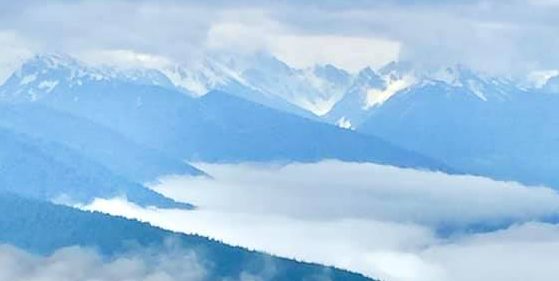
Cape Breton Highlands National Park is one of Canada’s most spectacular national parks, famous for its dramatic coastal cliffs, forest-covered mountains, pristine beaches, waterfalls, and breathtaking ocean views. Located on Cape Breton Island in Nova Scotia, the park protects a remarkable landscape where the Appalachian Mountains meet the Atlantic Ocean and Gulf of St. Lawrence.
One of the park’s biggest attractions is the famous Cabot Trail, a scenic highway that winds through mountain landscapes and along rugged coastlines. Visitors can enjoy hiking, wildlife watching, camping, swimming, kayaking, and some of the most beautiful coastal scenery in eastern Canada.
Whether you are planning a weekend getaway or a longer road trip through Nova Scotia, Cape Breton Highlands National Park offers an unforgettable outdoor experience.
Where Is Cape Breton Highlands National Park?
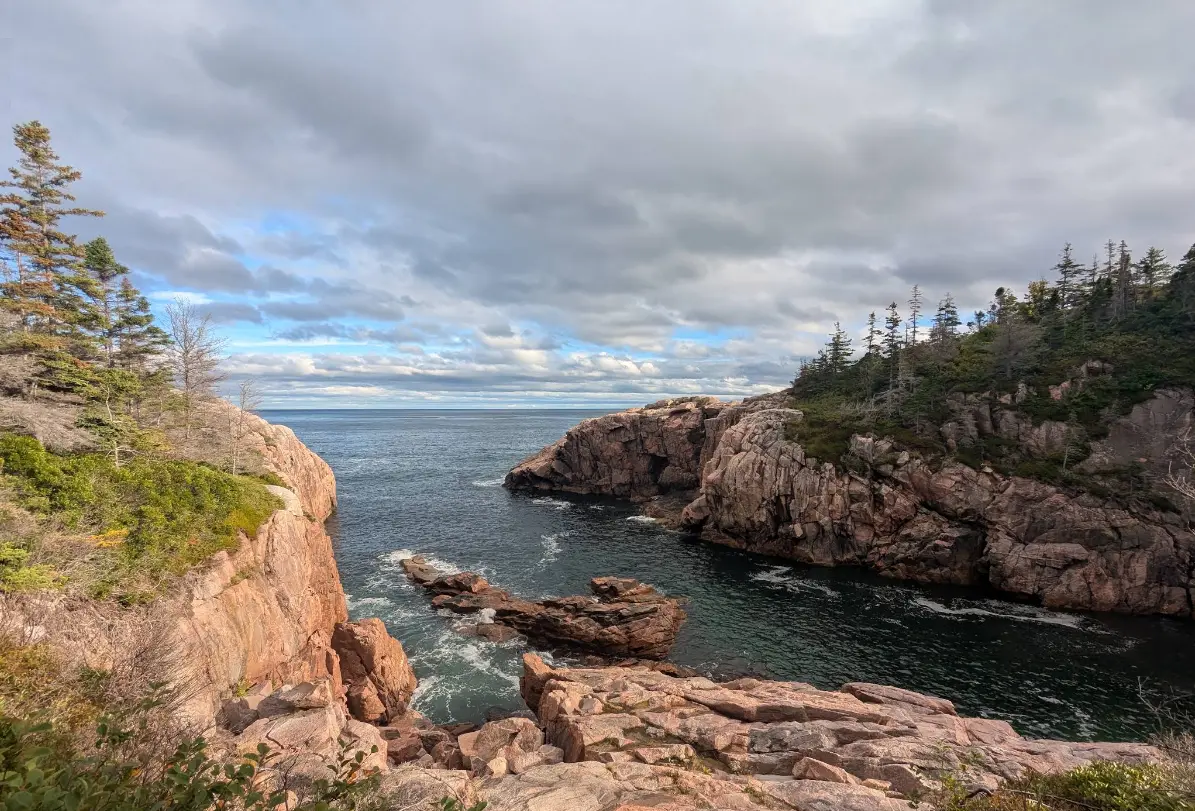
Cape Breton Highlands National Park is located on the northern portion of Cape Breton Island in Nova Scotia, Canada. The park covers approximately 948 square kilometers (366 square miles) and is bordered by the Atlantic Ocean to the east and the Gulf of St. Lawrence to the west.
The park is known for its mountainous interior, deep river canyons, coastal plateaus, and spectacular oceanfront scenery. Its location makes it one of the best destinations in Atlantic Canada for travelers who enjoy nature and outdoor adventures.
The famous Cabot Trail passes through the national park, connecting several communities and providing access to many of its most popular attractions.
Quick Facts About Cape Breton Highlands National Park
| Fact | Information |
|---|---|
| Location | Cape Breton Island, Nova Scotia, Canada |
| Established | 1936 |
| Area | Approximately 948 km² |
| Park Authority | Parks Canada |
| Main Attraction | Cabot Trail |
| Famous Hiking Trail | Skyline Trail |
| Highest Elevation | Approximately 532 meters |
| Nearest Major City | Sydney, Nova Scotia |
| Best Time to Visit | June to October |
| Main Activities | Hiking, camping, wildlife viewing, swimming, and scenic driving |
History of Cape Breton Highlands National Park
Cape Breton Highlands National Park was established in 1936 as one of Canada’s early national parks. Its creation helped protect the island’s spectacular highlands, forests, rivers, and coastal ecosystems while providing opportunities for tourism and outdoor recreation.
The construction of the Cabot Trail played an important role in opening the region to visitors. The highway made it easier to explore the remote northern areas of Cape Breton Island and helped establish the park as a major tourism destination.
Long before the park was established, Indigenous peoples, particularly the Mi’kmaq, had longstanding connections to Cape Breton Island. Their cultural traditions, knowledge, and relationship with the land remain an important part of the region’s history.
Today, Parks Canada manages the national park, protecting its natural and cultural heritage while welcoming visitors from around the world.
Best Things to Do in Cape Breton Highlands National Park
There are plenty of activities to enjoy in Cape Breton Highlands National Park, from scenic drives and challenging hikes to relaxing days at the beach. Here are some of the best experiences to include in your itinerary.
1. Hike the Skyline Trail
The Skyline Trail is arguably the most famous hiking trail in Cape Breton Highlands National Park. It is especially popular for its spectacular views of the Gulf of St. Lawrence and the winding Cabot Trail.
The trail takes visitors through a beautiful forest before opening onto a dramatic headland overlooking the ocean. A boardwalk and viewing platform provide excellent opportunities to admire the coastline and photograph the surrounding landscape.
The Skyline Trail is approximately 8.2 kilometers (5.1 miles) round trip on the main route. Hikers should allow around two to three hours, depending on their pace and how long they spend enjoying the scenery.
Wildlife sightings are possible, including moose, bald eagles, and other native species. Visitors should stay on designated paths and follow Parks Canada wildlife safety guidelines.
2. Drive the Cabot Trail
The Cabot Trail is one of Canada’s most famous scenic drives and a major reason people visit Cape Breton Highlands National Park.
This approximately 298-kilometer (185-mile) loop travels through spectacular mountain scenery, fishing villages, coastal viewpoints, and forested landscapes. A significant section passes through the national park.
Along the route, visitors can stop at scenic lookouts, explore hiking trails, visit beaches, and enjoy local restaurants and communities.
The drive can be completed in several hours without extended stops, but spending two or three days exploring the Cabot Trail is a much better way to experience the region.
3. Visit Ingonish Beach
Ingonish Beach is one of the park’s most beautiful coastal destinations. Located near the eastern entrance of the national park, it features a combination of sandy shoreline, ocean views, and mountain scenery.
The beach is an excellent place to relax, take photographs, enjoy a picnic, or spend time swimming during the warmer months.
Visitors can also explore nearby hiking trails and recreational facilities. The area is particularly attractive to families looking for a relaxing outdoor experience.
4. Explore Pleasant Bay
Pleasant Bay is a picturesque fishing community located along the western side of Cape Breton Highlands National Park.
The village is surrounded by mountains and overlooks the Gulf of St. Lawrence, making it a wonderful place to enjoy coastal scenery and experience local maritime culture.
Pleasant Bay is also a popular departure point for whale-watching excursions. Depending on the season and conditions, visitors may have opportunities to see several whale species in the surrounding waters.
5. Discover Middle Head Trail
Middle Head Trail is another excellent hiking destination, offering beautiful coastal scenery and relatively accessible hiking opportunities.
Located near Ingonish, the trail follows a narrow peninsula extending into the Atlantic Ocean. Along the way, hikers can enjoy panoramic views of the ocean, surrounding cliffs, and nearby mountains.
The trail is approximately 3.8 kilometers (2.4 miles) round trip and generally takes around one to two hours to complete.
It is an excellent option for visitors who want impressive ocean views without undertaking a particularly long hike.
6. Visit Black Brook Beach
Black Brook Beach is a beautiful sandy beach on the eastern side of the park. It is known for its scenic setting, clear coastal views, and nearby waterfall.
The beach is a popular place for swimming, relaxing, and enjoying the natural surroundings during summer.
Visitors should be aware that ocean temperatures can remain cold even in the middle of summer, and swimming conditions can change quickly.
7. Go Whale Watching
Whale watching is one of the most exciting activities available around Cape Breton Island.
The waters surrounding the national park attract several whale species, including humpback whales, minke whales, and pilot whales. Some excursions also provide opportunities to see dolphins, seals, and seabirds.
Summer and early autumn are generally popular periods for whale-watching tours. Pleasant Bay and nearby coastal communities are among the places where visitors can find tour operators.
8. Enjoy Wildlife Watching
Cape Breton Highlands National Park supports a variety of wildlife species, making it an excellent destination for nature enthusiasts.
Some animals that visitors may encounter include:
- Moose
- White-tailed deer
- Black bears
- Red foxes
- Snowshoe hares
- Bald eagles
- Various migratory birds
Moose are among the most recognizable animals in the park. They are sometimes spotted near forest edges, wetlands, and roadside areas.
Visitors should never approach, feed, or attempt to photograph wildlife from an unsafe distance.
9. Hike the Franey Trail
The Franey Trail is one of the best hiking routes for visitors who want panoramic views of the Cape Breton Highlands.
The trail climbs through a forested mountain landscape before reaching a rocky summit overlooking the Clyburn Brook canyon, the Atlantic coastline, and the surrounding highlands.
The round-trip hike is approximately 7.4 kilometers and is considered moderately challenging to difficult. It is particularly rewarding during autumn when the surrounding forests display vibrant red, orange, and yellow colors.
10. Explore the Acadian Trail
The Acadian Trail is a beautiful hiking route that takes visitors through one of the park’s lush forest environments.
Located near Chéticamp, this trail offers opportunities to discover Acadian forest ecosystems, enjoy mountain scenery, and observe local wildlife.
The trail is approximately 8.4 kilometers long and provides excellent views of the Chéticamp River valley. It is a wonderful option for hikers interested in experiencing the park beyond its famous coastal viewpoints.
Best Hiking Trails in Cape Breton Highlands National Park
Cape Breton Highlands National Park features approximately 26 hiking trails, ranging from short nature walks to challenging mountain hikes.
Here are some popular trails worth considering:
| Hiking Trail | Approximate Distance (Round Trip) | Difficulty |
|---|---|---|
| Skyline Trail | 8.2 km | Moderate |
| Middle Head Trail | 3.8 km | Easy to Moderate |
| Franey Trail | 7.4 km | Difficult |
| Acadian Trail | 8.4 km | Moderate to Difficult |
| Bog Trail | 0.5 km | Easy |
| Lone Shieling Trail | 0.6 km | Easy |
| Freshwater Lake Trail | 1.7 km | Easy |
| Broad Cove Mountain Trail | 2.3 km | Moderate |
| Warren Lake Trail | 4.7 km | Moderate |
| Fishing Cove Trail | Approximately 12 km | Difficult |
Trail distances and conditions can change. Check the official Parks Canada hiking information before setting out. Some trails may be temporarily closed.
Wildlife and Nature in Cape Breton Highlands National Park
Cape Breton Highlands National Park is home to diverse ecosystems that support a wide range of plants and animals.
The park’s landscape includes Acadian forests, boreal forests, coastal habitats, wetlands, rivers, and mountainous plateaus.
Mammals
Some of the park’s notable mammals include:
- Moose
- Black bears
- White-tailed deer
- Red foxes
- Snowshoe hares
- Coyotes
- River otters
Birds
Birdwatchers can look for several bird species, including:
- Bald eagles
- Northern gannets
- Great blue herons
- Common loons
- Various warblers
- Hawks and other birds of prey
Marine Wildlife
The surrounding coastal waters support a variety of marine animals. Depending on the season, visitors may spot humpback whales, minke whales, pilot whales, seals, and dolphins.
The park is also important for protecting native plant communities and sensitive wildlife habitats.
Visitors should maintain a safe distance from all wildlife, keep food secured, and never feed wild animals.
Best Time to Visit Cape Breton Highlands National Park
The best time to visit Cape Breton Highlands National Park depends on the activities you want to enjoy. Summer and early autumn are generally the most popular seasons because of their pleasant weather, accessible hiking trails, and spectacular scenery.
Spring (April to May)
Spring brings warmer temperatures, melting snow, and the return of migratory birds.
However, some hiking trails and visitor facilities may remain closed or have limited services during this period.
Spring is a good choice for travelers who prefer quieter surroundings and do not mind unpredictable weather.
Summer (June to August)
Summer is one of the best times to explore Cape Breton Highlands National Park.
Temperatures are generally comfortable for hiking, camping, swimming, and scenic driving. Most visitor facilities and recreational services operate during this season.
July and August are particularly popular, so visitors should reserve accommodations and campsites in advance.
Autumn (September to October)
Autumn is arguably the most beautiful season to visit the park.
The forests transform into brilliant shades of red, orange, and yellow, creating spectacular scenery along the Cabot Trail.
September and early October are especially popular for photography, hiking, and scenic road trips.
Visitors should remember that temperatures become cooler and some seasonal services begin closing toward the end of October.
Winter (November to March)
Winter brings snow, colder temperatures, and a quieter atmosphere to Cape Breton Highlands National Park.
Although some facilities and hiking trails have seasonal closures, visitors can still enjoy winter scenery, snowshoeing, and other cold-weather activities where conditions permit.
The Cabot Trail remains open year-round, although winter driving conditions can be challenging.
Where to Stay Near Cape Breton Highlands National Park
Visitors can choose from campgrounds, cabins, lodges, hotels, and vacation rentals around Cape Breton Highlands National Park.
Here are some accommodation options to consider.
1. Keltic Lodge at the Highlands
Keltic Lodge is one of the best-known accommodations in the Ingonish area.
Located on a scenic peninsula overlooking the Atlantic Ocean, the property offers beautiful coastal views and convenient access to nearby attractions.
It is an excellent choice for travelers looking for a comfortable stay close to hiking trails, beaches, and the Cabot Trail.
2. Skyline Cabins
Skyline Cabins offers accommodation options near the western side of the national park.
Its location makes it convenient for visitors exploring the Skyline Trail, Chéticamp, and other attractions along the Cabot Trail.
3. Park Campgrounds
Camping is one of the best ways to experience Cape Breton Highlands National Park.
Parks Canada provides several campgrounds, including:
| Campground | Location / Features |
|---|---|
| Chéticamp | Western side of the park |
| Mkwesaqtuk/Cap-Rouge | Coastal camping |
| Corney Brook | Smaller campground |
| Fishing Cove | Backcountry camping |
| MacIntosh Brook | Forest setting |
| Big Intervale | Small, quiet campground |
| Broad Cove | Popular campground near Ingonish |
| Ingonish Beach | Near the beach and recreational facilities |
Some campgrounds offer serviced sites, showers, washrooms, oTENTik accommodations, and other facilities.
Reservations are recommended during the busy summer season.
Important: Check Parks Canada’s current campground availability and closure notices before making travel arrangements.
How to Get to Cape Breton Highlands National Park
Cape Breton Highlands National Park is accessible by car from several communities in Nova Scotia.
The two main entrances are located near Chéticamp on the western side and Ingonish on the eastern side.
By Car
Driving is the most convenient way to explore the park because many attractions, hiking trailheads, beaches, and viewpoints are spread across a large area.
Approximate driving distances include:
| Starting Location | Approximate Driving Time |
|---|---|
| Sydney, Nova Scotia | 2 hours |
| Halifax, Nova Scotia | 5 hours |
| Baddeck, Nova Scotia | 1 hour |
| Chéticamp, Nova Scotia | Near the western entrance |
| Ingonish, Nova Scotia | Near the eastern entrance |
Driving times depend on your destination within the park, traffic, and road conditions.
By Air
The nearest major airport is Sydney/J.A. Douglas McCurdy Airport (YQY), located on Cape Breton Island.
Halifax Stanfield International Airport (YHZ) is another option, particularly for international visitors. From Halifax, travelers can rent a car and drive approximately five hours to the national park.
By Bus
Public transportation options are limited around the national park. Visitors should consider renting a car or arranging private transportation to explore the region.
Tips for Visiting Cape Breton Highlands National Park
Before visiting Cape Breton Highlands National Park, keep these practical tips in mind:
- Plan at least two days: The park has numerous hiking trails, beaches, and scenic viewpoints that deserve more than a quick visit.
- Drive the Cabot Trail: Allow plenty of time for scenic stops and photography.
- Bring suitable hiking equipment: Comfortable hiking shoes, water, weather-appropriate clothing, and snacks are essential.
- Check trail conditions: Some trails may be closed because of weather, wildlife activity, or maintenance.
- Book accommodation early: Summer and autumn are popular travel seasons.
- Watch for wildlife: Moose and other animals may appear near roads. Drive carefully, particularly at dawn and dusk.
- Prepare for changing weather: Coastal fog, rain, and strong winds can occur even during summer.
- Respect the environment: Stay on marked trails, take your garbage with you, and avoid disturbing wildlife.
2026 visitor notice: Parking reservations are required for the Skyline Trail during the peak season from June 26 to October 25, 2026. Check the official Parks Canada website for reservation requirements and current visitor notices before your trip.
Frequently Asked Questions About Cape Breton Highlands National Park
1. Where is Cape Breton Highlands National Park located?
Cape Breton Highlands National Park is located on the northern part of Cape Breton Island in Nova Scotia, Canada. It is surrounded by the Atlantic Ocean and the Gulf of St. Lawrence.
2. When was Cape Breton Highlands National Park established?
Cape Breton Highlands National Park was established in 1936 to protect the region’s natural landscapes, forests, wildlife, and cultural heritage.
3. How big is Cape Breton Highlands National Park?
The park covers approximately 948 square kilometers (366 square miles), making it one of the largest protected areas in Nova Scotia.
4. What is Cape Breton Highlands National Park famous for?
The park is famous for the Cabot Trail, Skyline Trail, dramatic coastal cliffs, forested mountains, beautiful beaches, and wildlife.
5. What is the best time to visit Cape Breton Highlands National Park?
June through October is generally the best time to visit. Summer offers excellent hiking and camping conditions, while autumn provides spectacular fall foliage.
6. How many days do you need in Cape Breton Highlands National Park?
Two to three days is a good amount of time to explore the major attractions, hike popular trails, and drive sections of the Cabot Trail.
7. Is Cape Breton Highlands National Park worth visiting?
Yes. The park is one of Canada’s most beautiful coastal destinations, offering spectacular scenery, outdoor activities, wildlife encounters, and memorable road trips.
8. Can you drive through Cape Breton Highlands National Park?
Yes. The Cabot Trail passes through the park and provides access to numerous scenic viewpoints, communities, beaches, and hiking trails.
9. What is the most popular hiking trail in Cape Breton Highlands National Park?
The Skyline Trail is generally considered the park’s most famous hiking trail because of its spectacular coastal views and dramatic oceanfront boardwalk.
10. How long is the Skyline Trail?
The main Skyline Trail route is approximately 8.2 kilometers (5.1 miles) round trip. Most visitors spend around two to three hours completing the hike.
11. Are there moose in Cape Breton Highlands National Park?
Yes. Moose live throughout the park and are among the wildlife species visitors may encounter.
12. Can you see whales in Cape Breton Highlands National Park?
Yes. Whale-watching excursions around Cape Breton Island provide opportunities to see humpback whales, minke whales, and other marine wildlife.
13. Are there bears in Cape Breton Highlands National Park?
Yes. Black bears inhabit the park. Visitors should store food properly, maintain a safe distance, and follow wildlife safety guidelines.
14. Can you swim in Cape Breton Highlands National Park?
Yes. Visitors can swim at several beaches, including Ingonish Beach and Black Brook Beach. However, ocean water can be cold, and swimming conditions may change quickly.
15. Is camping available in Cape Breton Highlands National Park?
Yes. Parks Canada operates several campgrounds, including Chéticamp, Broad Cove, Ingonish Beach, and Fishing Cove.
16. Can you visit Cape Breton Highlands National Park in winter?
Yes. The park can be visited throughout the year, although some facilities, campgrounds, and trails close seasonally. Winter visitors can enjoy snowshoeing and scenic winter landscapes.
17. How far is Cape Breton Highlands National Park from Halifax?
The park is approximately a five-hour drive from Halifax, depending on your destination and road conditions.
18. Do you need a park pass for Cape Breton Highlands National Park?
Yes. Visitors generally need to purchase a Parks Canada pass to access the park’s services and facilities. Check the official website for current admission fees and exemptions.
19. Is the Cabot Trail inside Cape Breton Highlands National Park?
Part of the Cabot Trail runs through the national park. Approximately one-third of the scenic highway is located within the park boundaries.
20. What airport is closest to Cape Breton Highlands National Park?
Sydney/J.A. Douglas McCurdy Airport (YQY) is the nearest major commercial airport on Cape Breton Island. Halifax Stanfield International Airport is another option for travelers arriving from farther away.
Conclusion
Cape Breton Highlands National Park is an incredible destination for anyone who wants to experience Canada’s natural beauty. From the breathtaking Skyline Trail and spectacular Cabot Trail to peaceful beaches, mountain forests, and diverse wildlife, the park offers something for every type of traveler.
Whether you enjoy hiking, camping, photography, wildlife watching, or scenic road trips, this national park deserves a place on your Nova Scotia travel itinerary.
If you are planning a trip to eastern Canada, make sure to include Cape Breton Highlands National Park in your journey.
Read more:
- Parks Canada – Cape Breton Highlands National Park
- Plan Your Visit
- Kootenay National Park
- Yoho National Park