Gros Morne National Park: Complete Guide to Exploring Newfoundland’s Natural Wonder
Located on the western coast of Newfoundland in the Canadian province of Newfoundland and Labrador, Gros Morne National Park is one of Canada’s most spectacular natural destinations. Known for its dramatic fjords, ancient mountains, rugged coastlines, and extraordinary geological formations, the park offers visitors an unforgettable opportunity to explore some of the most remarkable landscapes in North America.
Covering approximately 1,805 square kilometers (697 square miles), Gros Morne National Park features a diverse range of natural environments, including boreal forests, freshwater fjords, alpine plateaus, coastal beaches, and glacial valleys. Its unique geological history and exceptional scenery earned it recognition as a UNESCO World Heritage Site in 1987.
Whether you enjoy hiking, photography, wildlife watching, kayaking, or exploring geological wonders, Gros Morne National Park has something for everyone. This guide covers the park’s history, top attractions, outdoor activities, wildlife, and practical information to help you plan your visit.
Where Is Gros Morne National Park?
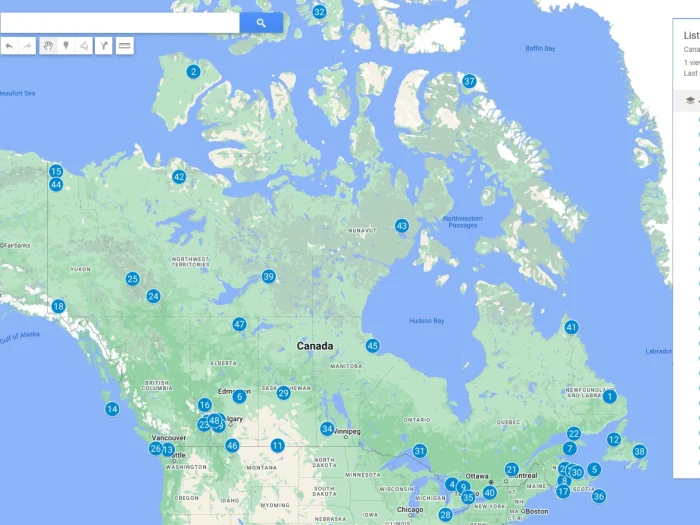
Gros Morne National Park is located on the western side of Newfoundland, an island in eastern Canada. It stretches along the Gulf of St. Lawrence and includes portions of the Long Range Mountains, one of the oldest mountain ranges in North America.
The park is surrounded by several small coastal communities, including Rocky Harbour, Norris Point, Woody Point, Trout River, and Cow Head. These communities provide convenient access to accommodations, restaurants, visitor services, and outdoor activities.
The nearest major airport is Deer Lake Regional Airport, approximately 30 minutes by car from the park’s main visitor areas. Visitors traveling from mainland Canada can also take a ferry to Newfoundland from North Sydney, Nova Scotia, arriving at Port aux Basques.
Gros Morne is relatively easy to explore by car, with roads connecting many of its major attractions and nearby communities.
History of Gros Morne National Park
Gros Morne National Park was established in 1973 to protect the region’s extraordinary natural landscapes, geological features, and wildlife. Its creation helped preserve an area of exceptional scientific and ecological importance on Newfoundland’s west coast.
The park takes its name from Gros Morne Mountain, which rises 806 meters (2,644 feet) above sea level. The name Gros Morne comes from French and is commonly translated as “big lone mountain.”
The region has a much longer human history. Indigenous peoples and later European settlers have lived in and around this part of Newfoundland for centuries. Fishing, hunting, and coastal industries played important roles in shaping the communities that exist around the park today.
In 1987, UNESCO designated Gros Morne National Park as a World Heritage Site because of its exceptional natural beauty and internationally significant geological features.
The park provides remarkable evidence of continental drift, plate tectonics, and glacial activity. Its exposed rocks help scientists understand how ancient oceans disappeared and how mountain ranges formed over hundreds of millions of years.
Today, Gros Morne remains one of Canada’s most important protected natural areas and a popular destination for visitors interested in nature, geology, and outdoor recreation.
Why Is Gros Morne National Park a UNESCO World Heritage Site?
Gros Morne National Park received UNESCO World Heritage recognition in 1987 for two major reasons: its outstanding natural beauty and its exceptional geological significance.
The park is one of the best places in the world to observe evidence of plate tectonics. Its landscape contains rocks that originally formed deep beneath the Earth’s surface and on the ocean floor before being pushed upward through tectonic movements.
One of its most remarkable geological features is the Tablelands, where rocks from the Earth’s mantle are exposed at the surface. These unusual formations provide scientists with valuable evidence about the movement of continental plates.
Glaciers also played a major role in shaping the park. During successive ice ages, enormous glaciers carved deep valleys, created fjords, and transformed the surrounding mountains into the dramatic landscapes visitors see today.
UNESCO recognizes Gros Morne under two criteria:
- Criterion (vii): The park contains exceptional natural beauty, including spectacular fjords, glacier-carved landscapes, and dramatic coastal scenery.
- Criterion (viii): Its geological formations provide an internationally important illustration of continental drift, plate tectonics, and the geological evolution of ancient mountain ranges.
This combination of geological importance and extraordinary scenery makes Gros Morne one of the most fascinating natural destinations in Canada.
Best Things to Do in Gros Morne National Park
There are numerous ways to experience Gros Morne National Park, from scenic drives and easy walking trails to challenging mountain hikes and boat excursions.
Here are some of the best attractions and activities to include in your itinerary.
1. Explore the Tablelands
The Tablelands is one of the most unusual geological attractions in Gros Morne National Park. Located near the community of Trout River, this distinctive landscape features enormous orange-brown mountains with very little vegetation.
Unlike typical mountain landscapes, the Tablelands are primarily composed of peridotite, a type of rock originating in the Earth’s upper mantle.
These rocks were pushed upward through tectonic movements hundreds of millions of years ago, eventually becoming exposed at the Earth’s surface.
The high concentrations of certain minerals in the rock make it difficult for many plants to grow, creating a barren landscape that looks almost like the surface of another planet.
Visitors can explore the area along the Tablelands Trail, an approximately 4-kilometer round-trip route that provides impressive views of the surrounding geological formations.
Guided interpretive walks are also available during certain periods, offering insights into the region’s fascinating geological history.
2. Take a Boat Tour of Western Brook Pond
Western Brook Pond is one of the most photographed destinations in Gros Morne National Park.
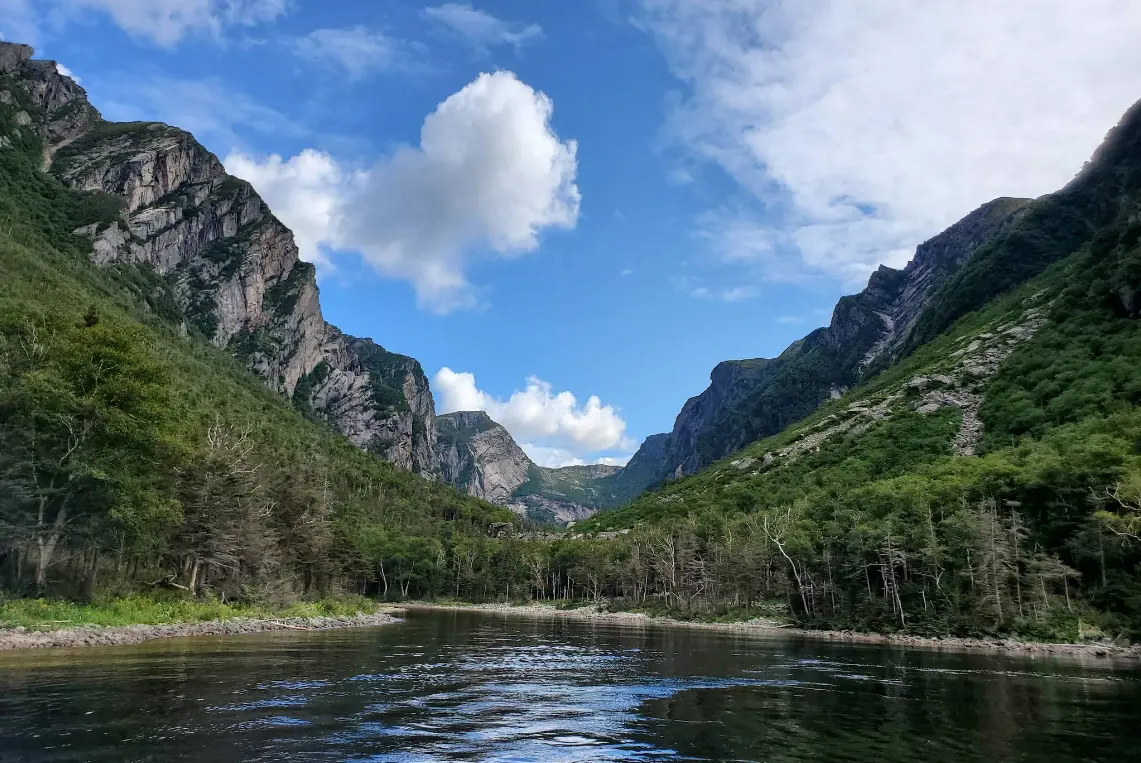
Despite its name, this spectacular freshwater body is a landlocked fjord formed by glaciers during the last ice age. It is surrounded by towering cliffs, deep valleys, and impressive waterfalls.
A guided boat tour allows visitors to travel deep into the fjord and experience its dramatic scenery from the water.
Along the journey, passengers can admire enormous rock walls, cascading waterfalls, and pristine mountain landscapes. The waterfalls are particularly impressive after periods of rainfall when water flows down the steep cliffs.
Reaching the boat departure area requires a relatively easy walk from the parking area across coastal wetlands and natural landscapes.
The boat excursion is one of the most popular experiences in the park, especially for visitors who want to appreciate its scenery without undertaking a strenuous hike.
3. Hike Gros Morne Mountain
Gros Morne Mountain is one of the park’s most recognizable landmarks and a favorite destination for experienced hikers.
Rising 806 meters above sea level, it is the second-highest peak on the island of Newfoundland.
The Gros Morne Mountain hiking route is a challenging experience that takes visitors through several different environments, including forests, rocky slopes, and exposed alpine terrain.
The complete hiking experience is approximately 17 kilometers when combining the approach and summit sections. Depending on fitness and weather conditions, visitors should allow most of a day to complete it.
From the summit, hikers can enjoy breathtaking panoramic views of the Long Range Mountains, surrounding valleys, and nearby coastal landscapes.
The summit trail is closed from May 1 through June 27 to protect wildlife during an important period of growth and reproduction. It typically reopens on June 28, subject to park conditions.
Visitors should prepare carefully, bring sufficient water and food, and check weather and trail conditions before starting.
4. Discover the Green Gardens Trail
The Green Gardens Trail is another outstanding hiking destination in Gros Morne National Park.
This scenic route takes hikers through several distinct landscapes, including open barrens, forests, coastal meadows, and rugged seaside cliffs.
The trail leads to a beautiful coastline featuring sea stacks, sea caves, waterfalls, and dramatic ocean views.
One of its most memorable sections is the descent through forest toward Old Man Cove, where visitors can enjoy the contrast between the green coastal vegetation and the rocky shoreline.
The main route to the coast and back is approximately 9 kilometers, making it a rewarding half-day hiking adventure.
Green Gardens is particularly attractive during summer when wildflowers bloom across the coastal meadows.
5. Visit Lobster Cove Head Lighthouse
Lobster Cove Head Lighthouse is a historic landmark located near Rocky Harbour.
Built in the 19th century, the lighthouse played an important role in helping ships navigate the waters along Newfoundland’s rugged coastline.
Today, it is a popular visitor attraction featuring historical exhibits, scenic viewpoints, and walking opportunities.
The surrounding headland provides beautiful views of the Gulf of St. Lawrence, especially during sunset.
Visitors can explore the lighthouse grounds, learn about Newfoundland’s maritime history, and enjoy a peaceful picnic overlooking the ocean.
6. Enjoy the Scenery at Bonne Bay
Bonne Bay is a beautiful fjord-like inlet located in the heart of Gros Morne National Park.
Surrounded by mountains and coastal communities, it is one of the best places in the park for enjoying water-based activities.
Visitors can explore the bay by kayak, take guided boat excursions, or simply admire the scenery from nearby communities such as Norris Point and Woody Point.
The calm waters and surrounding landscapes create excellent opportunities for photography and wildlife observation.
Bonne Bay is also an important marine environment supporting a variety of fish, seabirds, and other wildlife.
7. Visit the Discovery Centre
The Gros Morne Discovery Centre is an excellent starting point for visitors interested in understanding the park’s natural history.
Located near Woody Point, the centre features educational exhibits explaining the region’s geology, ecosystems, wildlife, and cultural heritage.
Visitors can learn how tectonic movements created the Tablelands, how glaciers shaped the fjords, and why the park is internationally important to geological research.
The centre also provides information about hiking trails, visitor experiences, and local attractions.
It is particularly worthwhile for families and anyone who wants to gain a deeper understanding of the landscapes they will encounter throughout the park.
Best Hiking Trails in Gros Morne National Park
Gros Morne National Park offers more than 100 kilometers of hiking trails, ranging from short nature walks to challenging backcountry adventures.
Here is a selection of popular trails:
| Hiking Trail | Distance | Estimated Time | Difficulty |
|---|---|---|---|
| Tablelands Trail | 4 km return | 1–2 hours | Easy |
| Gros Morne Mountain | 17 km total | 6–8 hours | Difficult |
| Green Gardens | 9 km return | 3–4 hours | Moderate |
| Lookout Trail | 5.8 km loop | 2–3 hours | Moderate |
| Trout River Pond | 14 km return | 4–5 hours | Moderate |
| Gros Morne Approach | 9 km return | 2.5–3.5 hours | Moderate |
Distances and estimated hiking times are approximate and may vary depending on trail conditions, weather, and individual fitness.
The Lookout Trail is particularly rewarding for visitors who want panoramic views without committing to a full-day mountain hike.
Before heading out, check the latest trail conditions and safety information through Parks Canada.
Wildlife in Gros Morne National Park
Gros Morne National Park supports a diverse range of wildlife thanks to its combination of forests, wetlands, mountains, freshwater environments, and coastal habitats.
Some of the animals visitors may encounter include:
- Moose: Moose are among the most recognizable large mammals in Newfoundland and can sometimes be spotted near roads, forests, and wetlands.
- Caribou: Woodland caribou inhabit parts of the region and are an important species in Newfoundland’s natural environment.
- Black Bears: Black bears live in the park’s forested areas, although sightings are not guaranteed.
- Red Foxes: These adaptable mammals can be found in various habitats throughout the region.
- Bald Eagles: These impressive birds are frequently associated with coastal areas and waterways.
- Hares: Snowshoe hares inhabit forest environments and change their coat color seasonally.
Marine wildlife can also be observed around the park’s coastline and nearby waters. Depending on the season, visitors may encounter whales, seals, and various seabirds.
Wildlife sightings are never guaranteed, and visitors should maintain a safe distance from animals. Proper food storage and following Parks Canada safety guidelines are especially important when camping or hiking.
Best Time to Visit Gros Morne National Park
Gros Morne National Park is open year-round, but the best time to visit depends on the activities you want to enjoy.
Summer and early fall are generally the most popular seasons because of their relatively favorable weather, longer daylight hours, and greater availability of outdoor activities.
Summer (June to August)
Summer is the busiest season in Gros Morne National Park. Temperatures are generally milder, hiking trails become more accessible, and many visitor services and guided activities operate during this period.
It is an excellent time for hiking, kayaking, camping, and taking boat tours of Western Brook Pond.
Fall (September to October)
Fall is a beautiful time to explore the park, particularly when the surrounding forests display vibrant autumn colors.
Temperatures become cooler, and the number of visitors generally decreases compared with summer.
September is especially attractive for scenic photography and hiking, although visitors should check seasonal trail conditions and activity schedules.
Winter (November to March)
Winter transforms Gros Morne into a snowy wilderness.
Although many summer activities are unavailable, the park offers opportunities for snowshoeing, cross-country skiing, and backcountry winter adventures.
Visitors should prepare for cold temperatures, snow, and changing weather conditions.
Spring (April to May)
Spring brings gradually warming temperatures, melting snow, and the return of migratory birds.
However, some trails and facilities may remain closed or have limited services. The summit trail on Gros Morne Mountain is also closed during its annual wildlife protection period.
Where to Stay Near Gros Morne National Park
There are several communities around Gros Morne National Park offering convenient accommodation options.
Rocky Harbour
Rocky Harbour is one of the most popular places to stay when visiting the park. It offers hotels, guesthouses, restaurants, and easy access to Western Brook Pond and several hiking trails.
Norris Point
Norris Point is a picturesque coastal community overlooking Bonne Bay. It is an excellent choice for visitors interested in kayaking, boat tours, and relaxing waterfront scenery.
Woody Point
Woody Point provides convenient access to the Tablelands, the Discovery Centre, and several attractions in the southern part of the park.
Trout River
Trout River is a small fishing community near the Tablelands and Green Gardens Trail. It is ideal for travelers looking for a quieter atmosphere and beautiful coastal scenery.
Cow Head
Cow Head is located in the northern section of the park and provides access to coastal landscapes, beaches, and nearby outdoor activities.
Booking accommodation in advance is recommended during the busy summer season, particularly in July and August.
How to Get to Gros Morne National Park
The easiest way to reach Gros Morne National Park is by flying to Deer Lake Regional Airport and renting a car.
The airport is approximately 30 minutes from the park’s main visitor areas, depending on your destination.
Visitors traveling from other parts of Newfoundland can reach the park using the island’s highway network.
For travelers arriving by ferry, the Port aux Basques terminal is approximately four hours away by car.
Having your own vehicle is highly recommended because the park covers a large area, and many attractions are spread across different communities.
A rental car also provides greater flexibility for visiting trailheads, scenic viewpoints, restaurants, and accommodation.
How Many Days Do You Need in Gros Morne National Park?
Ideally, visitors should spend three to five days exploring Gros Morne National Park.
A three-day visit provides enough time to experience several major attractions, while a longer stay allows visitors to explore more hiking trails, coastal communities, and geological landmarks.
Here is a suggested three-day itinerary:
| Day | Suggested Activities |
|---|---|
| Day 1 | Explore the Tablelands, visit Woody Point, and discover the Discovery Centre. |
| Day 2 | Take a boat tour of Western Brook Pond and visit Lobster Cove Head Lighthouse. |
| Day 3 | Hike Green Gardens or Gros Morne Mountain and explore the coastal communities around Bonne Bay. |
If you enjoy hiking and outdoor photography, consider spending four or five days in the area to experience more of its landscapes without rushing.
Travel Tips for Visiting Gros Morne National Park
A little preparation can make your trip to Gros Morne more enjoyable and comfortable.
Here are some useful tips:
- Rent a car: Driving is the most convenient way to explore the park and reach its different attractions.
- Bring appropriate clothing: Newfoundland weather can change quickly, especially in mountainous areas. Waterproof jackets and warm layers are recommended.
- Book accommodation early: Summer is a popular travel season, and accommodation in nearby communities can fill up quickly.
- Check hiking conditions: Some trails have seasonal closures or temporary restrictions.
- Carry enough food and water: Longer hiking routes may not have convenient facilities along the way.
- Respect wildlife: Keep a safe distance from animals and never feed them.
- Prepare for insects: Mosquitoes and black flies can be troublesome during warmer months, particularly near forests and wetlands.
- Allow extra driving time: Roads are scenic, and you may want to stop frequently for photographs and wildlife sightings.
Frequently Asked Questions About Gros Morne National Park
1. Where is Gros Morne National Park located?
Gros Morne National Park is located on the western coast of Newfoundland, in Newfoundland and Labrador, Canada. It borders the Gulf of St. Lawrence and is surrounded by several small coastal communities.
2. Why is Gros Morne National Park famous?
The park is famous for its dramatic fjords, ancient mountains, exposed mantle rocks, and extraordinary geological formations. It is also a UNESCO World Heritage Site recognized for its natural beauty and geological importance.
3. Is Gros Morne National Park a UNESCO World Heritage Site?
Yes. UNESCO designated Gros Morne National Park as a World Heritage Site in 1987 because of its exceptional natural beauty and internationally significant geological features.
4. How big is Gros Morne National Park?
Gros Morne National Park covers approximately 1,805 square kilometers (697 square miles), making it one of the largest national parks in Atlantic Canada.
5. What is the best time to visit Gros Morne National Park?
June through September is generally the best time to visit for hiking, camping, kayaking, and boat tours. September is particularly attractive for visitors who enjoy autumn scenery and cooler temperatures.
6. How many days should I spend in Gros Morne National Park?
Three to five days is a good amount of time to explore the park’s major attractions, including the Tablelands, Western Brook Pond, Gros Morne Mountain, and Green Gardens.
7. Can you see moose in Gros Morne National Park?
Yes. Moose are found throughout Newfoundland and can sometimes be spotted in Gros Morne National Park, particularly near forests, wetlands, and roadsides.
8. Is Gros Morne National Park worth visiting?
Absolutely. The park offers some of Canada’s most spectacular natural scenery, unique geological attractions, beautiful hiking trails, and opportunities to experience Newfoundland’s coastal culture.
9. What is the highest mountain in Gros Morne National Park?
Gros Morne Mountain is the park’s highest peak, reaching approximately 806 meters (2,644 feet) above sea level.
10. Is Gros Morne National Park suitable for families?
Yes. Families can enjoy scenic drives, easy walking trails, lighthouse visits, boat tours, wildlife observation, and educational exhibits at the Discovery Centre.
11. Can you visit Western Brook Pond without hiking?
Visitors can reach the Western Brook Pond boat tour departure area through a relatively easy walking trail. The boat excursion itself does not require strenuous hiking.
12. Are there bears in Gros Morne National Park?
Yes. Black bears inhabit the park. Visitors should follow bear safety recommendations, keep food properly stored, and maintain a safe distance from wildlife.
13. Can you camp in Gros Morne National Park?
Yes. The park offers several camping opportunities, including front-country and backcountry camping. Visitors should check Parks Canada for campground availability, reservations, and camping regulations.
14. What airport is closest to Gros Morne National Park?
Deer Lake Regional Airport is the closest major airport, approximately 30 minutes by car from the park’s main visitor areas.
15. Is Gros Morne National Park open year-round?
Yes. The park is open year-round, although visitor facilities, guided tours, and some recreational activities operate seasonally.
Conclusion
Gros Morne National Park is one of Canada’s most extraordinary natural destinations, combining spectacular mountain scenery, ancient geological formations, pristine fjords, and fascinating coastal communities.
From exploring the unusual landscapes of the Tablelands to cruising through Western Brook Pond and hiking to the summit of Gros Morne Mountain, visitors can experience a remarkable variety of outdoor adventures.
Its UNESCO World Heritage status highlights the park’s global importance, while its natural beauty makes it an unforgettable destination for travelers exploring Newfoundland.
Whether you are planning a short getaway or a longer outdoor adventure, Gros Morne National Park deserves a place on your Canadian travel itinerary.
Read more: