Kootenay National Park: A Complete Guide to Exploring Canada’s Natural Beauty
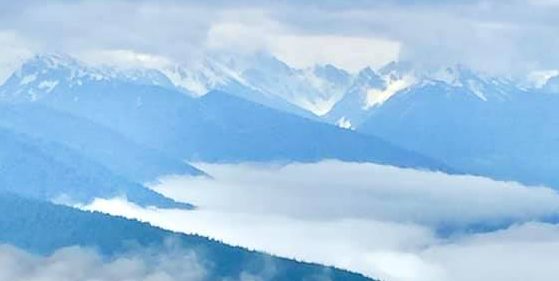
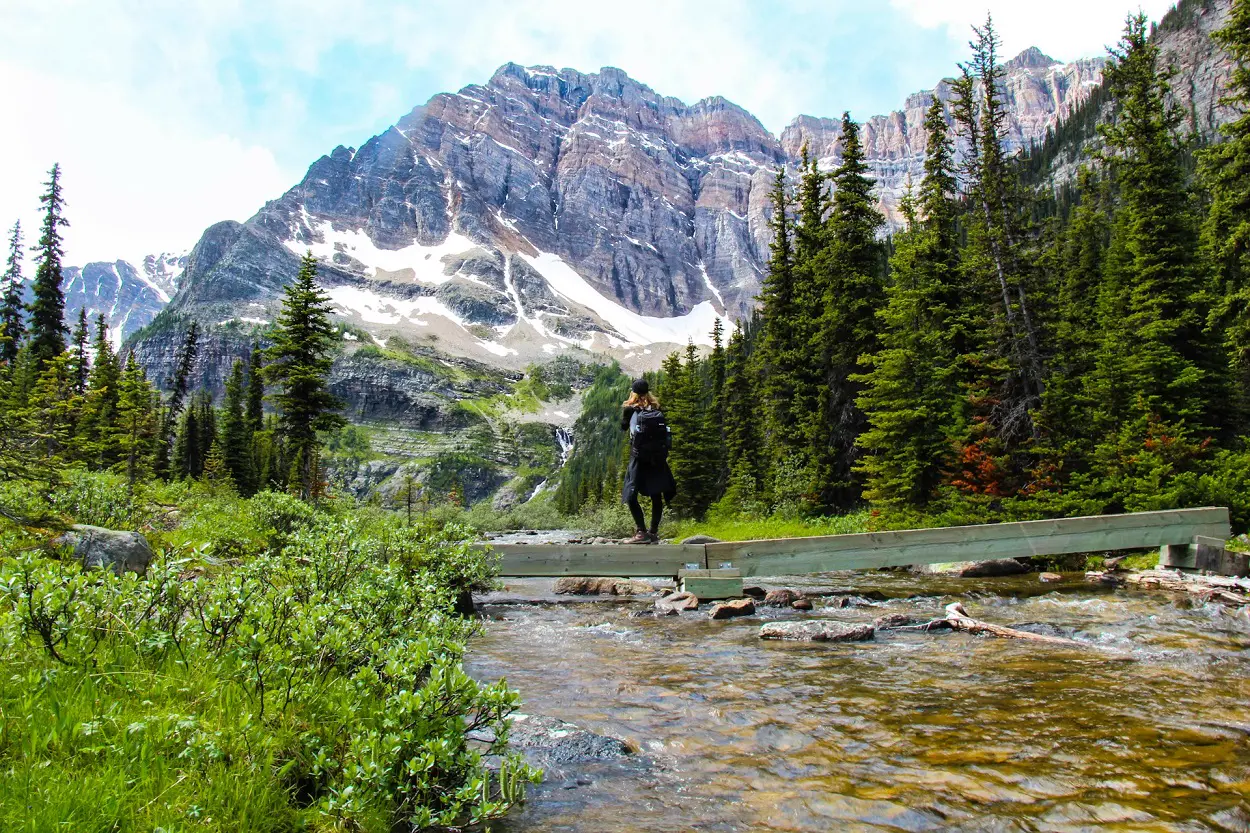
Kootenay National Park is one of Canada’s most beautiful natural destinations, offering spectacular mountain scenery, turquoise rivers, deep limestone canyons, colorful mineral springs, and breathtaking hiking trails. Located in southeastern British Columbia, this remarkable national park is part of the Canadian Rocky Mountain Parks UNESCO World Heritage Site.
Whether you enjoy hiking, wildlife watching, photography, camping, or relaxing in natural hot springs, Kootenay National Park offers plenty of opportunities to experience the Canadian wilderness.
Unlike some of Canada’s busier national parks, Kootenay provides a combination of accessible attractions and quieter natural landscapes. Its diverse scenery ranges from glacier-covered peaks to dry grasslands, making it an excellent destination for travelers exploring the Canadian Rockies.
1. Where Is Kootenay National Park?
Kootenay National Park is located in southeastern British Columbia, Canada. It stretches along the western side of the Canadian Rocky Mountains and is bordered by Banff National Park to the east.
The park covers approximately 1,406 square kilometers (543 square miles) and is crossed by the scenic Banff-Windermere Highway, also known as Highway 93 South.
Its location makes it an excellent stop for travelers visiting Banff, Lake Louise, Radium Hot Springs, and other destinations in the Canadian Rockies.
Nearby destinations include:
- Banff National Park – approximately 30–40 km from the northeastern park boundary.
- Radium Hot Springs – located near the western entrance.
- Lake Louise – approximately 80–100 km from the park’s northern attractions.
- Invermere – approximately 15–25 km from the western entrance.
Distances depend on the specific starting point and destination.
2. History of Kootenay National Park
Kootenay National Park was established in 1920 as part of an agreement between the federal government of Canada and the province of British Columbia.
The agreement involved constructing a highway through the Rocky Mountains, connecting the province’s interior with eastern Canada. In exchange, British Columbia transferred a strip of land along the highway to the federal government for protection as a national park.
The park was initially established to protect its spectacular mountain landscapes, wildlife, forests, and natural features while supporting tourism and transportation.
Today, Kootenay National Park is part of the Canadian Rocky Mountain Parks UNESCO World Heritage Site, recognized for its outstanding mountain scenery, glaciers, fossil sites, and geological features.
Important historical milestones:
| Year | Event |
|---|---|
| 1920 | Kootenay National Park was established. |
| 1920s | Development of the Banff-Windermere Highway improved access through the region. |
| 1984 | The Canadian Rocky Mountain Parks were designated a UNESCO World Heritage Site. |
| Today | The park is protected and managed by Parks Canada. |
3. Best Things to Do in Kootenay National Park
Kootenay National Park offers a wide variety of outdoor activities and sightseeing opportunities. From short nature walks to challenging mountain hikes, visitors can find experiences suitable for different interests and fitness levels.
1. Explore Marble Canyon
Marble Canyon is one of the most famous attractions in Kootenay National Park. This spectacular limestone canyon was carved by Tokumm Creek over thousands of years.
A short walking trail takes visitors across several bridges overlooking the deep canyon. Along the way, you can admire the impressive rock formations, waterfalls, and striking blue-green water flowing below.
The trail is relatively short and suitable for many visitors, making it an excellent stop for families and casual hikers.
2. Visit the Paint Pots
The Paint Pots are among the most unusual geological attractions in the Canadian Rockies.
These colorful mineral springs contain iron-rich ochre deposits that create vibrant orange, yellow, and reddish colors in the surrounding soil.
Historically, Indigenous peoples used the ochre from this area as a natural pigment for various purposes.
Today, visitors can follow a walking trail through the forest to see the mineral springs and colorful deposits. The area provides excellent opportunities for photography and learning about the park’s geological history.
3. Relax at Radium Hot Springs
Radium Hot Springs is one of the most popular attractions near Kootenay National Park’s western entrance.
Surrounded by dramatic limestone cliffs in Sinclair Canyon, these natural mineral hot springs offer a relaxing experience after a day of hiking and sightseeing.
The facility includes hot and cooler swimming pools, changing rooms, and visitor amenities.
It is an excellent destination for families, couples, and travelers looking to enjoy the relaxing atmosphere of mineral-rich water.
4. Drive the Banff-Windermere Highway
Driving along Highway 93 South is one of the best ways to experience the beauty of Kootenay National Park.
This scenic road passes through dramatic mountain valleys, dense forests, open grasslands, and impressive geological formations.
Several roadside viewpoints provide opportunities to stop, take photographs, and enjoy the surrounding scenery.
Popular stops include:
- Sinclair Canyon
- Kootenay Valley Viewpoint
- Numa Falls
- Marble Canyon
- Continental Divide viewpoints
Allow extra time for sightseeing rather than treating the highway simply as a route between destinations.
5. Discover Numa Falls
Numa Falls is a beautiful waterfall located along the Vermilion River.
The water rushes through a narrow rocky channel before cascading downstream, creating a dramatic natural scene.
A short walk from the parking area provides access to viewpoints overlooking the falls. It is a convenient stop for visitors who want to enjoy the park’s natural beauty without completing a long hike.
6. Enjoy Hiking in Kootenay National Park
Hiking is one of the best ways to explore Kootenay National Park. The park features trails ranging from easy family-friendly walks to challenging backcountry routes.
Some popular hiking options include:
- Marble Canyon Trail: A short walk through a spectacular limestone canyon.
- Paint Pots Trail: A scenic route to colorful mineral springs.
- Stanley Glacier Trail: A rewarding hike featuring mountain scenery and glacial landscapes.
- Floe Lake Trail: A challenging hike leading to a beautiful alpine lake.
- Rockwall Trail: A famous multi-day backpacking route through dramatic mountain scenery.
Hiking conditions can change quickly in the mountains. Check Parks Canada’s current trail reports before setting out.
4. Best Places to See Wildlife
Kootenay National Park is home to a diverse range of wildlife species. Its forests, mountain slopes, grasslands, and river valleys provide habitats for many animals.
Wildlife that visitors may encounter includes:
- Grizzly bears: These powerful animals inhabit forested areas and alpine environments throughout the park.
- Black bears: Often found in forested habitats and areas with seasonal food sources.
- Elk: Frequently seen in open grasslands and mountain valleys.
- Bighorn sheep: Often spotted on rocky slopes and steep mountain terrain.
- Mountain goats: These sure-footed animals inhabit high-elevation rocky areas.
- Marmots: Commonly found in alpine meadows and rocky environments.
Wildlife sightings are never guaranteed. Visitors should maintain a safe distance, never feed animals, and follow Parks Canada’s wildlife safety guidelines.
5. Best Time to Visit Kootenay National Park
Kootenay National Park is a year-round destination, but the best time to visit depends on your preferred activities and weather conditions.
Summer (June to August)
Summer is generally the most popular season for visiting Kootenay National Park. Temperatures are relatively comfortable, hiking trails become more accessible, and many scenic attractions are easy to explore.
This is the best season for hiking, camping, photography, and wildlife viewing.
Fall (September to October)
Autumn brings beautiful golden colors to the park’s forests and valleys. Cooler temperatures and fewer visitors can make this season particularly enjoyable.
September is especially attractive for photography and hiking, although higher-elevation trails may begin experiencing snow.
Winter (November to March)
Winter transforms Kootenay National Park into a snowy mountain landscape. Visitors can enjoy snowshoeing, winter hiking where conditions permit, and scenic winter photography.
However, some trails and facilities may be closed or inaccessible due to snow and weather conditions.
Spring (April to May)
Spring brings warmer temperatures, flowing rivers, and the return of wildlife activity. However, many higher-elevation trails remain snow-covered, and some hiking routes can be muddy or affected by seasonal conditions.
6. Where to Stay Near Kootenay National Park
There are several accommodation options near Kootenay National Park, including hotels, resorts, campgrounds, and vacation rentals.
The best place to stay depends on your budget, travel plans, and preferred activities.
Radium Hot Springs
Radium Hot Springs is one of the most convenient places to stay when exploring the park. It offers hotels, motels, restaurants, and easy access to the park’s western entrance.
Invermere
Invermere is another excellent accommodation option. Located near Lake Windermere, the town offers additional restaurants, shops, resorts, and vacation rentals.
Banff and Lake Louise
Travelers exploring multiple Canadian Rocky Mountain parks may choose to stay in Banff or Lake Louise. These destinations provide extensive accommodation options, although driving distances should be considered when planning daily activities.
Camping
Camping is an excellent option for visitors who want to experience the Canadian wilderness more closely. Kootenay National Park has designated campgrounds, including Redstreak Campground near Radium Hot Springs and Marble Canyon Campground.
Reservations, seasonal operating dates, and campsite availability should be checked through Parks Canada.
7. How to Get to Kootenay National Park
The easiest way to explore Kootenay National Park is by car. The park is accessible through Highway 93 South, which connects the Banff area with Radium Hot Springs and the Columbia Valley.
By car:
- From Banff: Drive west along Highway 1 and connect to Highway 93 South.
- From Calgary: Drive west toward Banff, then follow the route toward Highway 93 South.
- From Invermere: Drive north along Highway 93 toward the park’s western entrance.
- From Radium Hot Springs: Follow Highway 93 north into the park.
Nearest airports:
| Airport | Approximate Distance |
|---|---|
| Canadian Rockies International Airport (YXC) | 140–160 km |
| Calgary International Airport (YYC) | 250–280 km |
| Kelowna International Airport (YLW) | 300–350 km |
Distances are approximate and depend on the exact destination within the park.
A rental car is highly recommended because public transportation options within the park are limited.
8. Kootenay National Park Weather
The weather in Kootenay National Park varies considerably throughout the year because of differences in elevation and geography. Lower valleys are generally warmer and drier, while higher mountain areas experience cooler temperatures and heavier snowfall.
Here is an approximate seasonal weather overview:
| Season | Average Daytime Temperature | General Conditions |
|---|---|---|
| Spring | 5–15°C (41–59°F) | Cool, variable weather and melting snow |
| Summer | 18–25°C (64–77°F) | Warm days and pleasant hiking conditions |
| Fall | 5–18°C (41–64°F) | Cooler temperatures and colorful foliage |
| Winter | -10–0°C (14–32°F) | Cold temperatures and frequent snowfall |
These are general estimates rather than official park-wide climate averages. Conditions can vary significantly between Radium Hot Springs and higher alpine areas.
Summer is usually the best season for hiking and camping, while September and early October are excellent for visitors interested in autumn scenery.
Winter travelers should prepare for snow, icy roads, and changing mountain conditions.
9. Entrance Fees and Park Facilities
Visitors traveling to Kootenay National Park should plan for national park admission fees and additional costs for certain activities and accommodations.
Parks Canada manages the park and provides facilities designed to help visitors enjoy the natural environment responsibly.
Available facilities and services include:
- Designated parking areas and scenic viewpoints.
- Visitor information services.
- Public washrooms at selected locations.
- Designated campgrounds and picnic areas.
- Hiking trails and interpretive walking routes.
- Radium Hot Springs swimming facilities.
- Backcountry camping areas.
Park admission fees, camping prices, and facility operating schedules can change. Check the official Parks Canada website before your trip for current information.
Official website: Kootenay National Park – Parks Canada.
10. Tips for Visiting Kootenay National Park
Planning ahead can make your visit to Kootenay National Park more enjoyable and help you avoid common travel problems.
Here are some practical tips:
- Start early: Arrive early at popular attractions such as Marble Canyon and the Paint Pots, especially during summer weekends.
- Bring suitable clothing: Mountain weather can change quickly, so pack warm layers and waterproof clothing.
- Carry enough water: Bring drinking water and snacks, particularly when hiking longer trails.
- Check trail conditions: Some trails may remain snow-covered well into summer.
- Respect wildlife: Never approach, feed, or attempt to photograph wild animals at close range.
- Book accommodation early: Hotels and campgrounds near the park can become busy during the summer season.
- Download offline maps: Mobile coverage may be limited in some parts of the park.
- Follow park regulations: Stay on designated trails and follow all posted closures and restrictions.
Important visitor alert: Parks Canada has announced restrictions on water activities in Kootenay and Yoho national parks. Visitors should check current regulations regarding watercraft and angling before their trip. Recreational drone use is also prohibited within the park.
11. Kootenay National Park Map
Kootenay National Park stretches along Highway 93 South, making it relatively easy to explore several attractions during one road trip.
Some of the most popular locations to include on your itinerary are:
- Marble Canyon
- Paint Pots
- Radium Hot Springs
- Numa Falls
- Floe Lake Trail
- Stanley Glacier Trail
You can find official maps and visitor information on the Parks Canada website.
12. Is Kootenay National Park Worth Visiting?
Absolutely! Kootenay National Park is an excellent destination for anyone interested in exploring the Canadian Rockies.
Although it is often overshadowed by nearby Banff and Yoho national parks, Kootenay has its own distinctive attractions. Its combination of colorful mineral springs, spectacular limestone canyons, alpine lakes, scenic mountain roads, and natural hot springs makes it a rewarding place to visit.
The park is particularly appealing to travelers who enjoy outdoor activities and want to experience different mountain environments without spending their entire trip in the busiest tourist areas.
Whether you spend a few hours exploring Marble Canyon or several days hiking the famous Rockwall Trail, Kootenay National Park offers unforgettable experiences in one of Canada’s most beautiful natural regions.
13. Frequently Asked Questions About Kootenay National Park
1. Where is Kootenay National Park located?
Kootenay National Park is located in southeastern British Columbia, Canada, within the Canadian Rocky Mountains. It lies west of Banff National Park and is accessible via Highway 93 South.
2. How big is Kootenay National Park?
Kootenay National Park covers approximately 1,406 square kilometers (543 square miles), protecting a diverse landscape of mountains, forests, grasslands, glaciers, and rivers.
3. When was Kootenay National Park established?
Kootenay National Park was established on April 21, 1920, as part of an agreement between the federal government and British Columbia to construct the Banff-Windermere Highway.
4. Why is Kootenay National Park famous?
The park is famous for its dramatic mountain scenery, Marble Canyon, Paint Pots, Radium Hot Springs, alpine hiking trails, and diverse wildlife.
5. What is the best time to visit Kootenay National Park?
June through September is generally the best time to visit for hiking, camping, and sightseeing. September is particularly attractive for autumn colors.
6. How many days do you need in Kootenay National Park?
One day is enough to visit several major attractions, including Marble Canyon, the Paint Pots, and Radium Hot Springs. However, two or three days are recommended for a more relaxed visit with additional hiking opportunities.
7. Can you see bears in Kootenay National Park?
Yes. Both black bears and grizzly bears live in the park. Visitors should carry bear spray when hiking, maintain a safe distance, and follow wildlife safety guidelines.
8. Is Kootenay National Park worth visiting?
Yes. The park offers spectacular mountain scenery, beautiful hiking trails, natural hot springs, and unique geological attractions. It is an excellent addition to a Canadian Rockies road trip.
9. Can you camp in Kootenay National Park?
Yes. The park offers several frontcountry and backcountry camping options, including Redstreak, McLeod Meadows, and Marble Canyon campgrounds.
10. Is Kootenay National Park open year-round?
Yes. Kootenay National Park is open throughout the year. However, some facilities, roads, and hiking trails may have seasonal closures or restrictions.
11. What are the most popular attractions in Kootenay National Park?
Popular attractions include Marble Canyon, the Paint Pots, Radium Hot Springs, Numa Falls, Stanley Glacier, and Floe Lake.
12. Is there a fee to enter Kootenay National Park?
Yes. Visitors generally need a valid Parks Canada admission pass. Fees and applicable discounts can be checked on the official Parks Canada website.
13. Can you swim in Kootenay National Park?
Visitors can swim at the Radium Hot Springs facility. However, other water activities are subject to park regulations and temporary restrictions.
14. What animals live in Kootenay National Park?
Wildlife includes grizzly bears, black bears, elk, bighorn sheep, mountain goats, moose, wolves, lynx, and numerous bird species.
15. Is Kootenay National Park part of a UNESCO World Heritage Site?
Yes. Kootenay National Park is part of the Canadian Rocky Mountain Parks UNESCO World Heritage Site, which was designated in 1984.
16. What is the most famous hiking trail in Kootenay National Park?
The Rockwall Trail is one of the park’s most famous hiking routes. This multi-day backpacking trail features dramatic limestone cliffs, alpine lakes, glaciers, and mountain passes.
17. How far is Kootenay National Park from Banff?
Kootenay National Park’s northeastern boundary is relatively close to Banff, approximately 30–40 kilometers away. Actual driving distances to individual attractions vary.
18. Are dogs allowed in Kootenay National Park?
Yes. Dogs are permitted in many areas but must generally remain on a leash. Visitors should check specific trail and facility restrictions before bringing their pets.
19. Does Kootenay National Park get snow?
Yes. Snowfall is common during winter, particularly at higher elevations. Some mountain areas can retain snow well into spring and early summer.
20. Can you visit Kootenay National Park and Banff National Park on the same trip?
Absolutely. The two parks are connected by scenic highways, making them excellent destinations for a combined Canadian Rockies road trip.
Official Resources
For additional information about park admission, hiking trails, camping reservations, weather, and visitor safety, consult these official resources:
- Parks Canada – Kootenay National Park
- Things to Do in Kootenay National Park
- Plan Your Visit
- Hiking and Trail Information
Kootenay National Park is a remarkable destination where glaciers, rugged mountains, colorful mineral springs, and beautiful forests come together. For travelers exploring British Columbia and the Canadian Rockies, it deserves a place on the itinerary.