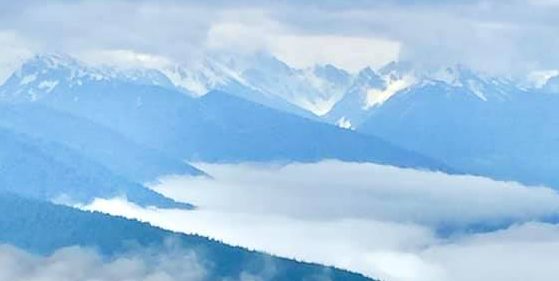
Jasper National Park: Complete Travel Guide
Jasper National Park is one of the most spectacular destinations in the Canadian Rockies. Known for its dramatic mountain scenery, turquoise lakes, glaciers, waterfalls, and abundant wildlife, the park offers year-round opportunities for hiking, sightseeing, camping, skiing, and stargazing.
Covering more than 11,000 square kilometers (4,200 square miles), Jasper is the largest national park in the Canadian Rockies and forms part of the Canadian Rocky Mountain Parks UNESCO World Heritage Site.
Whether you are planning a summer road trip, a fall wildlife adventure, or a winter getaway, Jasper National Park has plenty to explore.
Where Is Jasper National Park?
Jasper National Park is located in western Alberta, Canada, in the Canadian Rocky Mountains. The town of Jasper sits inside the park and serves as the main base for visitors.
The park is approximately:
- 365 km (227 miles) west of Edmonton
- 415 km (258 miles) northwest of Calgary
- 805 km (500 miles) northeast of Vancouver
- 290 km (180 miles) north of Banff National Park
The famous Icefields Parkway (Highway 93) connects Jasper with Banff and provides one of the most scenic road trips in Canada.
Jasper National Park Guides
You read this PDF file

Why Visit Jasper National Park?
Jasper combines spectacular scenery with a quieter atmosphere than some of the more heavily visited destinations in the Canadian Rockies.
Some of the biggest reasons to visit include:
- Dramatic Rocky Mountain landscapes
- Turquoise alpine lakes
- Glaciers and icefields
- Scenic mountain roads
- Abundant wildlife
- Hundreds of hiking trails
- Dark skies and excellent stargazing
- Waterfalls and canyons
- Winter skiing and snow activities
- Scenic drives and viewpoints
Jasper is also an excellent destination for travelers who want to experience the Canadian Rockies without spending their entire trip in major tourist centers.
Best Things to Do in Jasper National Park
1. Visit Maligne Lake
Maligne Lake is one of Jasper’s most recognizable attractions. Surrounded by towering peaks, the lake is famous for its striking blue-green water and spectacular mountain scenery.
One of the best-known locations on the lake is Spirit Island, a small island surrounded by mountains and water. Boat tours provide a popular way to experience the lake and reach the island.
In summer, visitors can also explore the shoreline by canoe or kayak.
2. Explore Maligne Canyon
Maligne Canyon is one of the most impressive natural attractions in Jasper National Park.
The limestone canyon has been carved by the Maligne River and reaches depths of more than 50 meters in places. Several bridges cross the canyon, allowing visitors to view the rushing water and unusual rock formations from different perspectives.
Winter transforms the canyon into an entirely different landscape, with frozen waterfalls and dramatic ice formations.
3. See Athabasca Falls
Athabasca Falls is one of the most accessible waterfalls in the park.
Although the waterfall is only about 23 meters high, the powerful Athabasca River forces its way through a narrow canyon, creating an impressive display of water and spray.
Short walking trails lead to several viewpoints, making Athabasca Falls an easy stop during a road trip through Jasper.
4. Ride the Jasper SkyTram
The Jasper SkyTram takes visitors high above the valley for panoramic views of Jasper and the surrounding mountains.
At the upper station, you can explore short trails and enjoy views of the Athabasca River, Jasper townsite, and Rocky Mountain peaks.
The attraction is particularly popular during the warmer months.
5. Drive the Icefields Parkway
The Icefields Parkway is one of Canada’s most scenic highways.
Running between Jasper and Lake Louise, the route passes through spectacular mountain scenery, glaciers, lakes, waterfalls, and alpine valleys.
Major stops along the route include:
- Athabasca Falls
- Sunwapta Falls
- Athabasca Glacier
- Columbia Icefield
- Tangle Creek Falls
- Peyto Lake
- Bow Lake
Allow plenty of time for the drive because there are numerous viewpoints and hiking opportunities along the way.
6. Visit Athabasca Glacier
The Athabasca Glacier is one of the most accessible glaciers in North America.
It is part of the Columbia Icefield, one of the largest icefields in the Canadian Rockies.
Visitors can walk toward the glacier viewpoint or join guided experiences that travel onto the ice. The nearby Columbia Icefield Discovery Centre is also an important visitor stop.
Because glaciers are dangerous environments, visitors should stay on designated trails and follow all safety instructions.
7. Relax at Pyramid Lake
Pyramid Lake is located close to the town of Jasper and offers beautiful views of Pyramid Mountain.
The lake is especially attractive at sunrise and sunset when the surrounding mountains can be reflected in the calm water.
Visitors can enjoy:
- Canoeing
- Kayaking
- Hiking
- Photography
- Picnicking
- Wildlife viewing
Pyramid Lake is also a convenient place to visit if you are staying in Jasper townsite.
8. Explore Medicine Lake
Medicine Lake is another scenic destination along the road toward Maligne Lake.
What makes it unusual is that its water level changes dramatically throughout the year. The lake is connected to an underground drainage system, causing much of the water to disappear beneath the surface during certain periods.
The surrounding mountains and forests make Medicine Lake a popular photography stop.
9. Go Wildlife Watching
Jasper National Park is home to a remarkable variety of wildlife.
Animals you may encounter include:
- Elk
- Bighorn sheep
- Moose
- Mountain goats
- Black bears
- Grizzly bears
- Wolves
- Coyotes
- Mule deer
- Caribou
Wildlife sightings are never guaranteed, but early morning and evening can be productive times for wildlife viewing.
Never approach or feed wild animals. Keep a safe distance and follow Parks Canada wildlife regulations.
Best Hiking Trails in Jasper National Park
Jasper has hundreds of kilometers of hiking trails, ranging from easy walks to challenging mountain routes.
Valley of the Five Lakes
This popular trail takes hikers past five beautiful lakes, each with its own distinctive color.
The relatively short loop is a good choice for travelers looking for an accessible introduction to Jasper’s landscapes.
Valley of the Tonquin
The Tonquin Valley is known for spectacular alpine scenery and multi-day hiking opportunities.
The area provides views of rugged mountain peaks and remote wilderness.
Mount Edith Cavell
The Mount Edith Cavell area offers dramatic views of Angel Glacier and Cavell Pond.
The short Path of the Glacier Trail is one of the easiest ways to experience this spectacular landscape.
Sulphur Skyline
For a more challenging hike, Sulphur Skyline near Miette Hot Springs climbs to a spectacular panoramic viewpoint.
The trail involves a significant elevation gain but rewards hikers with expansive views of the surrounding mountains.
Jasper National Park Weather
Jasper experiences four distinct seasons, and weather conditions can change quickly because of the mountainous environment.
Summer
Summer is generally the most popular season.
Expect:
- Mild daytime temperatures
- Cool nights
- Long daylight hours
- Generally favorable hiking conditions
- Busy roads and attractions
July and August are typically the busiest months.
Fall
September and early October can be excellent times to visit.
Temperatures become cooler, crowds decrease, and the forests can take on beautiful autumn colors.
Winter
Winter brings snow and cold temperatures to Jasper.
Popular activities include:
- Skiing
- Snowshoeing
- Cross-country skiing
- Ice skating
- Winter hiking
- Ice canyon tours
- Wildlife viewing
Spring
Spring is a transition period. Lower elevations begin to warm up, while snow and winter conditions can remain in the mountains.
Some trails and mountain roads may still be affected by snow or seasonal closures.
Best Time to Visit Jasper National Park
The best time to visit depends on what you want to do.
| Season | Best For |
|---|---|
| Summer | Hiking, sightseeing, lakes, wildlife |
| Fall | Fewer crowds, autumn scenery, photography |
| Winter | Snow activities, skiing, frozen waterfalls |
| Spring | Quiet travel and changing landscapes |
For first-time visitors who want to experience the largest selection of trails and attractions, July through September is generally the easiest period.
However, summer is also the busiest season, so accommodations and popular activities can sell out.
How to Get to Jasper National Park
By Car
Driving is one of the best ways to explore Jasper because many major attractions are spread throughout the park.
From Edmonton, take Yellowhead Highway (Highway 16) west toward Jasper.
From Calgary or Banff, the scenic route is the Icefields Parkway (Highway 93).
By Train
Jasper is also accessible by rail. Long-distance passenger trains connect Jasper with several Canadian cities.
The train journey can be an especially scenic way to reach the Canadian Rockies.
By Air
Jasper does not have a major commercial airport in the townsite.
Many travelers fly to Edmonton International Airport or Calgary International Airport and continue to Jasper by car, shuttle, or other transportation.
Where to Stay in Jasper
The town of Jasper is the main accommodation hub inside the national park.
Visitors can choose from:
- Hotels
- Lodges
- Cabins
- Resorts
- Campgrounds
- Vacation accommodations
Staying in Jasper townsite makes it convenient to access restaurants, shops, visitor services, and transportation.
For a quieter experience, accommodations outside the town center may offer more secluded surroundings.
Camping in Jasper National Park
Camping is a popular way to experience Jasper’s wilderness.
The park has several campgrounds, but availability and operating dates vary by season.
Popular camping areas include:
- Whistlers Campground
- Wapiti Campground
- Wabasso Campground
- Pocahontas Campground
Reservations are recommended during the busy summer season.
How Many Days Do You Need in Jasper?
A 3-day trip can cover many of Jasper’s major attractions, but 4–5 days gives you much more flexibility.
1 Day
Focus on nearby attractions such as:
- Jasper townsite
- Pyramid Lake
- Athabasca Falls
- Maligne Canyon
3 Days
Add:
- Maligne Lake
- Medicine Lake
- Jasper SkyTram
- More hiking
5 Days or More
You can explore the Icefields Parkway, spend more time hiking, visit glaciers, look for wildlife, and enjoy some of Jasper’s less crowded areas.
Jasper National Park Entrance Fee
Jasper National Park is managed by Parks Canada, and visitors generally need a valid national park entry pass.
You can choose between daily admission and longer-duration options depending on your travel plans.
If you are visiting several Canadian national parks, a Parks Canada Discovery Pass may be worth considering.
Always check current fees, pass rules, road conditions, and seasonal closures before your trip.
Jasper National Park Safety Tips
The Canadian Rockies are beautiful but can also present serious wilderness hazards.
Keep these tips in mind:
- Stay on marked trails.
- Carry sufficient water.
- Check weather conditions before hiking.
- Tell someone about your hiking plans.
- Carry bear spray where appropriate and know how to use it.
- Keep a safe distance from wildlife.
- Never feed wild animals.
- Be prepared for sudden weather changes.
- Check for trail and road closures.
- Do not walk onto glaciers without appropriate guidance and safety measures.
Cell service can also be limited in remote areas, so do not rely entirely on your phone.
Frequently Asked Questions
Is Jasper National Park worth visiting?
Yes. Jasper is an excellent destination for mountain scenery, hiking, wildlife, lakes, glaciers, scenic drives, and outdoor adventures.
What is Jasper National Park famous for?
Jasper is famous for the Canadian Rockies, Maligne Lake, Spirit Island, Athabasca Falls, glaciers, abundant wildlife, and some of Canada’s darkest skies.
How many days should I spend in Jasper?
Three days is enough for a quick visit, while four to five days allows you to explore the park more thoroughly.
Is Jasper better than Banff?
Neither is universally better. Banff generally has more famous attractions and visitors, while Jasper is larger, more wilderness-oriented, and often feels quieter.
Can you see wildlife in Jasper?
Yes. Elk, bighorn sheep, deer, bears, moose, mountain goats, and other wildlife live in the park. Sightings are unpredictable, so always observe animals from a safe distance.
Can you visit Jasper National Park in winter?
Yes. Jasper is open year-round and offers skiing, snowshoeing, skating, winter hiking, and opportunities to see frozen waterfalls and snowy mountain landscapes.
What is the closest airport to Jasper?
Edmonton International Airport is one of the major airports commonly used by travelers visiting Jasper, although Calgary International Airport is another important option.
Is Jasper National Park good for families?
Yes. Many attractions, scenic viewpoints, short walks, lakes, waterfalls, and wildlife-viewing opportunities are suitable for families.
What is the most famous lake in Jasper?
Maligne Lake is arguably the park’s most famous lake, particularly because of its turquoise water, surrounding mountains, and Spirit Island.
What is the best scenic drive in Jasper?
The Icefields Parkway between Jasper and Lake Louise is one of the most spectacular scenic drives in the Canadian Rockies.
Final Thoughts
Jasper National Park is a remarkable destination for anyone who wants to experience the Canadian Rockies. From the turquoise waters of Maligne Lake and the power of Athabasca Falls to enormous glaciers, wildlife-filled valleys, and spectacular mountain trails, the park offers an impressive variety of experiences.
For a first visit, give yourself at least three to five days if possible. Spend time around Jasper townsite, explore Maligne Lake and Canyon, visit the waterfalls, and dedicate a full day to the Icefields Parkway.
With its combination of wilderness, wildlife, mountains, lakes, and year-round outdoor activities, Jasper National Park deserves a place on any Canadian Rockies itinerary.