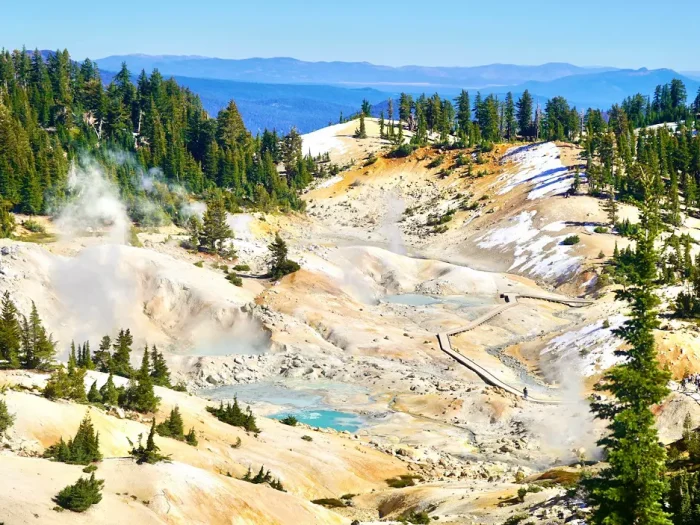
A Midlife Woman’s Guide to Planning Comfortable National Park Adventures
National park adventures can be comfortable, enjoyable, and highly rewarding for women in midlife. A little extra planning around energy levels, recovery, hydration, and physical comfort often makes the difference between an exhausting trip and a memorable one.
Many women find themselves rediscovering travel and outdoor recreation during midlife. Children may be older, careers may be more established, and there is often a greater desire to prioritize personal experiences and well-being.
National parks offer incredible scenery, wildlife encounters, and opportunities to stay active. Planning with comfort in mind allows women to enjoy these destinations while supporting their changing health and lifestyle needs.
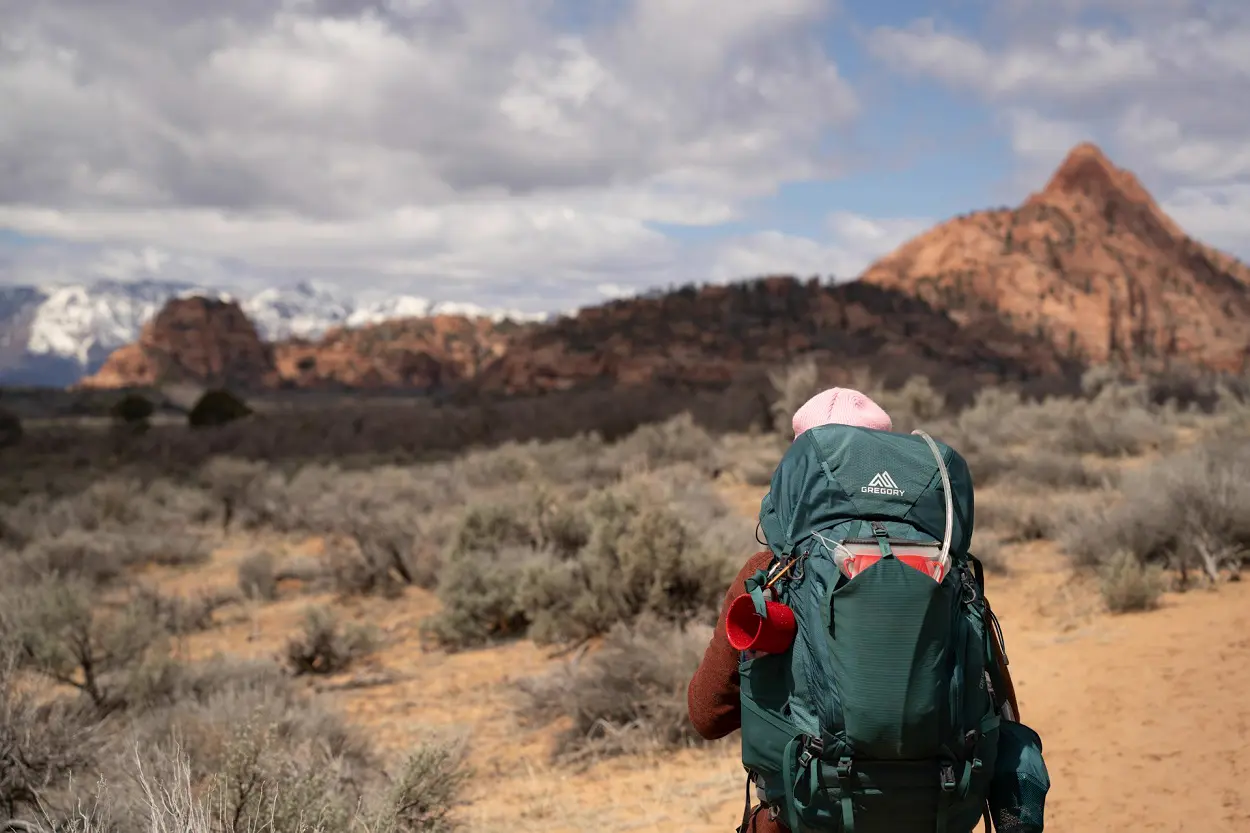
Start With Realistic Expectations and Trip Goals
Not every national park adventure needs to involve challenging hikes or packed itineraries. Many travelers enjoy a slower pace that focuses on scenic drives, short walks, photography, and wildlife viewing.
Before booking accommodations or activities, consider what type of experience feels most rewarding. Comfort often improves when trips are built around personal interests rather than ambitious checklists.
Several questions can help shape a trip plan:
- Daily activity levels
- Walking distances
- Preferred climate
- Recovery needs
- Travel pace
Thoughtful planning often creates a more enjoyable experience than trying to fit too much into a short visit.
Consider Health and Hormonal Changes Before You Go
Midlife women may experience changes that affect travel comfort, including fluctuations in energy, sleep quality, temperature regulation, and recovery time. Planning around these factors can make outdoor adventures significantly more enjoyable.
Some women explore resources such as a Menopause hormone therapy kit while discussing symptom management with healthcare providers and preparing for active travel. Understanding personal health needs before departure often leads to better trip experiences.
Several comfort considerations may include:
- Sleep quality
- Hydration needs
- Temperature sensitivity
- Joint comfort
- Recovery time
Preparation helps reduce unexpected challenges on the road.
Choose the Right Season for Your Destination
Weather conditions can dramatically affect comfort during a national park visit. Summer crowds, extreme heat, and limited shade may make certain parks less enjoyable for some travelers.
Spring and autumn often provide milder temperatures, smaller crowds, and more comfortable hiking conditions. Seasonal research can help travelers select the best time for their preferred activities.
Several seasonal factors to review include:
- Average temperatures
- Peak visitation periods
- Wildlife activity
- Trail accessibility
- Daylight hours
Weather awareness helps improve both comfort and safety.
Prioritize Comfortable Accommodation
A good night’s sleep can have a major impact on how much travelers enjoy outdoor activities. Comfortable accommodation often becomes more important during midlife, especially on multi-day trips.
National park lodges, nearby hotels, and cabin rentals may provide a better balance of comfort and convenience than more rugged options. Recovery and relaxation deserve a place in the itinerary.
Several accommodation features worth considering include:
- Comfortable bedding
- Private bathrooms
- Air conditioning
- On-site dining
- Easy park access
Comfortable evenings often lead to more enjoyable days.
Build Recovery Time Into Your Schedule
Many travelers underestimate how much energy is required for long drives, hiking, sightseeing, and changing elevations. Scheduling downtime can help prevent exhaustion and allow more flexibility throughout the trip.
Recovery days do not have to mean staying indoors. Scenic overlooks, visitor centres, gentle walks, and picnic lunches can provide enjoyable experiences without demanding significant physical effort.
Several low-impact activities may include:
- Scenic drives
- Wildlife viewing
- Ranger programmes
- Photography stops
- Visitor centre tours
Balanced itineraries often feel more sustainable and rewarding.
Pack for Comfort Rather Than Just Adventure
Packing strategies change as travel priorities evolve. Comfortable clothing, supportive footwear, and practical accessories often contribute more to a successful trip than specialised outdoor gear.
Preparation can also reduce discomfort caused by changing weather and varying trail conditions.
Several useful items may include:
- Supportive walking shoes
- Refillable water bottles
- Lightweight layers
- Sun protection
- Trekking poles
Practical packing helps travelers stay comfortable throughout the journey.
Stay Flexible During Your Adventure
Some of the best national park experiences happen when travelers allow room for spontaneity. Wildlife sightings, weather changes, and unexpected discoveries can all influence daily plans.
Flexibility also allows travelers to adjust activities based on energy levels or changing conditions. Giving yourself permission to slow down can make the trip more enjoyable.
Several ways to stay flexible include:
- Leaving open afternoons
- Choosing shorter hikes
- Monitoring weather forecasts
- Taking extra rest breaks
- Adjusting daily goals
Adaptability often leads to a more relaxing travel experience.
Comfortable Adventures Create Lasting Memories
National park travel does not have to be strenuous to be meaningful. Midlife women can enjoy extraordinary outdoor experiences by focusing on comfort, preparation, and realistic expectations.
Careful planning, appropriate pacing, and attention to personal well-being can make every adventure more enjoyable. Many women also explore resources such as the Menopause hormone therapy kit when preparing for active travel and creating experiences that support both health and enjoyment.