Nahanni National Park Reserve: A Complete Guide to Canada’s Wilderness Paradise
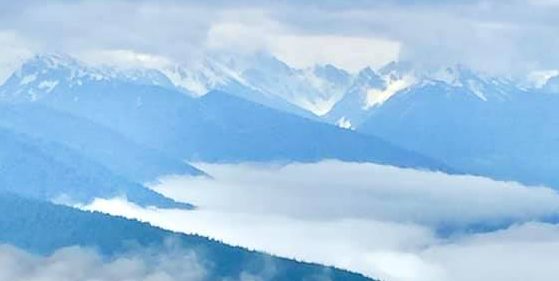
Nahanni National Park Reserve is one of Canada’s most spectacular wilderness destinations. Located in the southwestern Northwest Territories, this remote protected area is famous for its dramatic river canyons, towering waterfalls, rugged mountains, hot springs, and untouched northern landscapes.
Covering approximately 30,050 square kilometers, Nahanni National Park Reserve protects a remarkable portion of the Mackenzie Mountains and the South Nahanni River watershed. It is a paradise for experienced adventurers, nature enthusiasts, photographers, and anyone seeking an unforgettable wilderness experience.
The park’s most famous attraction is Virginia Falls, a magnificent waterfall nearly twice the height of Niagara Falls. Visitors can also explore deep limestone canyons, paddle along wild rivers, hike through alpine terrain, and observe wildlife in one of Canada’s most remote natural environments.
Recognized as a UNESCO World Heritage Site in 1978, Nahanni is internationally celebrated for its outstanding natural beauty and geological significance. Whether you are interested in its landscapes, wildlife, outdoor activities, or cultural history, Nahanni National Park Reserve offers an extraordinary look at Canada’s northern wilderness.
Where Is Nahanni National Park Reserve?
Nahanni National Park Reserve is located in the southwestern part of the Northwest Territories, Canada. It lies within the Mackenzie Mountains, near the border with Yukon, and protects the South Nahanni River and surrounding wilderness.
The park is relatively isolated, with no conventional road access to its main attractions. Most visitors reach the area by aircraft, typically departing from communities such as Fort Simpson or Nahanni Butte.
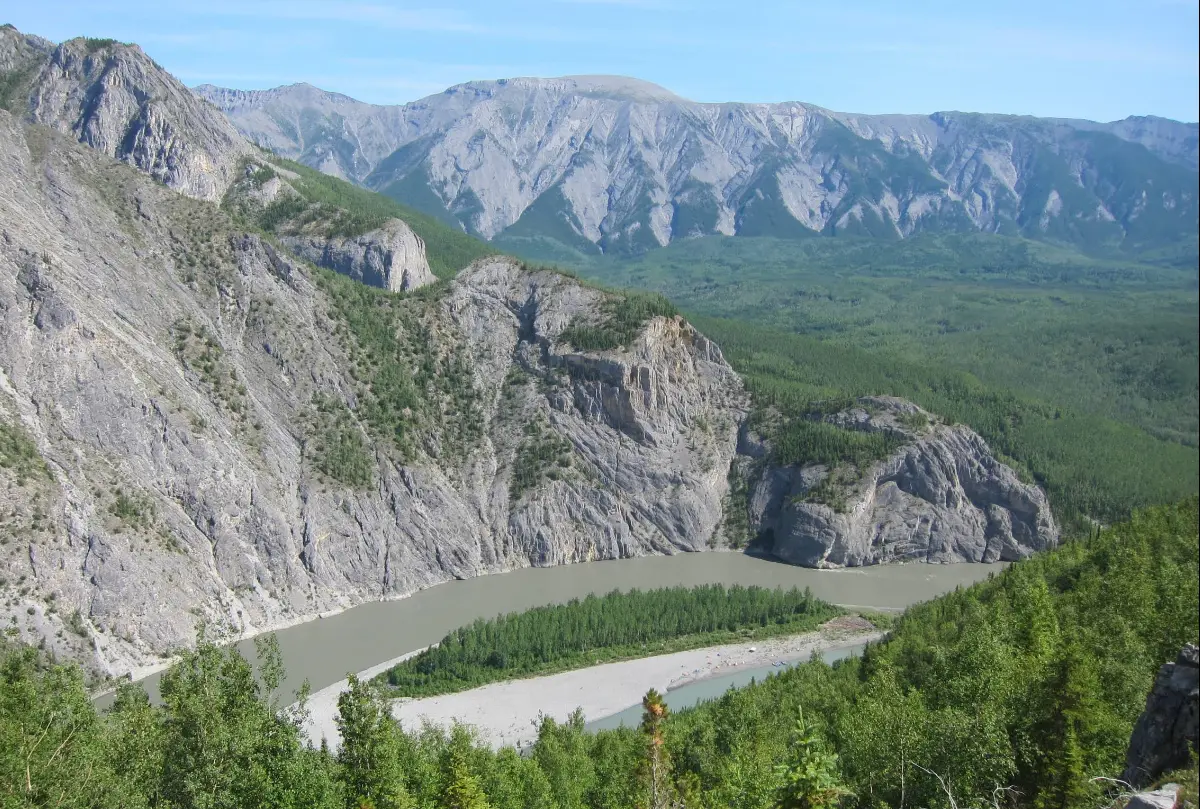
The South Nahanni River is the central feature of the park, flowing through spectacular mountain scenery, deep canyons, and remote valleys before eventually joining the Liard River.
Its remote location is one of the reasons Nahanni remains so pristine. Unlike more accessible Canadian national parks, it receives relatively few visitors, allowing its natural landscapes and ecosystems to remain largely undisturbed.
Quick Facts About Nahanni National Park Reserve
| Fact | Details |
|---|---|
| Park name | Nahanni National Park Reserve |
| Location | Northwest Territories, Canada |
| Established | 1976 |
| UNESCO designation | 1978 |
| Area | Approximately 30,050 km² |
| Famous attraction | Virginia Falls |
| Main river | South Nahanni River |
| Mountain range | Mackenzie Mountains |
| Nearest major community | Fort Simpson |
| Best time to visit | June to September |
| Main activities | Canoeing, rafting, hiking, camping, wildlife viewing |
| Accessibility | Primarily by aircraft and river |
| Management | Parks Canada |
History of Nahanni National Park Reserve
The history of Nahanni National Park Reserve is closely connected to Indigenous peoples who have lived in and traveled through the region for generations.
The Dene peoples have longstanding cultural, spiritual, and traditional connections to the Nahanni region. The area’s rivers, mountains, valleys, and wildlife have played important roles in their lives, including hunting, fishing, transportation, and cultural practices.
European explorers and prospectors began entering the region during the late 19th and early 20th centuries. Stories of gold prospecting, remote mountain valleys, and mysterious disappearances helped give the Nahanni region a legendary reputation.
In 1972, the South Nahanni River was designated as a Canadian Heritage River, recognizing its exceptional natural and cultural importance.
Nahanni National Park Reserve was officially established in 1976 to protect its outstanding landscapes, ecosystems, and wildlife.
In 1978, UNESCO designated Nahanni as a World Heritage Site, making it one of the first natural properties in the world to receive this recognition. The designation highlighted its spectacular geological formations, impressive waterfalls, and outstanding natural features.
In 2009, the park was significantly expanded, increasing its protected area to approximately 30,050 square kilometers. This expansion strengthened the protection of the South Nahanni River watershed and surrounding ecosystems.
Today, Nahanni National Park Reserve remains one of Canada’s most important wilderness conservation areas.
Top Attractions in Nahanni National Park Reserve
Nahanni National Park Reserve contains some of the most extraordinary natural attractions in northern Canada. From enormous waterfalls to dramatic mountain formations, the park offers scenery that is difficult to find anywhere else in North America.
1. Virginia Falls (Náįlįcho)
Virginia Falls is undoubtedly the most famous attraction in Nahanni National Park Reserve. Known as Náįlįcho in the Dene language, this spectacular waterfall is located along the South Nahanni River.
The waterfall drops approximately 96 meters, making it nearly twice as high as Niagara Falls. Its powerful water flow creates an impressive display of white water, mist, and thunderous noise as the South Nahanni River plunges into the canyon below.
Virginia Falls is surrounded by rugged cliffs, forested landscapes, and dramatic rock formations. A prominent rock formation known as Mason’s Rock divides the waterfall into two sections, creating a particularly distinctive appearance.
Visitors can reach the falls by floatplane or as part of a multi-day river expedition. It is one of the most photographed natural landmarks in the Northwest Territories.
2. The Cirque of the Unclimbables
The Cirque of the Unclimbables is one of Canada’s most remarkable mountain landscapes. Located in the Ragged Range of the Mackenzie Mountains, this spectacular area is famous for its towering granite peaks and dramatic rock formations.
The most recognizable feature is Lotus Flower Tower, a striking granite formation that attracts experienced rock climbers from around the world.
The surrounding landscape features alpine meadows, steep mountain walls, glaciers, and remote valleys. It is an extraordinary destination for mountaineering, photography, and wilderness exploration.
Due to its challenging terrain and remote location, the Cirque of the Unclimbables is best suited to experienced climbers and adventurers.
3. The South Nahanni River
The South Nahanni River is the heart of Nahanni National Park Reserve and one of the most spectacular wilderness rivers in North America.
Stretching approximately 580 kilometers, the river flows through the Mackenzie Mountains, passing deep canyons, waterfalls, limestone formations, and forested valleys.
The river is especially popular with experienced canoeists, kayakers, and whitewater rafters. Multi-day expeditions allow visitors to experience the wilderness at a slower pace while camping along its remote banks.
One of the most impressive sections is the famous Four Canyons area, where the river cuts through enormous limestone and dolomite cliffs.
The South Nahanni River is also an important cultural landscape for the Dene peoples, who have maintained deep connections with the river and surrounding lands for generations.
4. The Four Great Canyons
The Four Great Canyons are among the most impressive geological features in Nahanni National Park Reserve.
These deep canyons were carved by the South Nahanni River over millions of years. Their steep limestone and dolomite walls rise dramatically above the water, creating a spectacular natural corridor.
The canyon walls reveal fascinating geological formations and provide habitat for a variety of plants and wildlife.
For river travelers, navigating through these canyons is one of the highlights of a Nahanni expedition. The scenery changes constantly as the river winds between towering cliffs and narrow passages.
5. Rabbitkettle Hot Springs (Gahnįhthah)
Rabbitkettle Hot Springs, known as Gahnįhthah, is another fascinating natural attraction in Nahanni National Park Reserve.
The area is famous for its enormous tufa mounds, which have formed through the gradual deposition of minerals from mineral-rich spring water.
These unusual formations are among the largest examples of their kind in Canada. Their delicate geological structures make the area especially important for scientific research and conservation.
Rabbitkettle is also a culturally significant location for the Dene peoples. Visitors should follow Parks Canada guidelines carefully because the formations are fragile and access is managed to protect this special environment.
6. The Ram Plateau
The Ram Plateau is a vast elevated landscape within Nahanni National Park Reserve. It features expansive alpine terrain, distinctive geological formations, and remote mountain scenery.
The plateau is an important part of the park’s expanded protected area and contributes to its remarkable geological diversity.
Its landscape includes alpine tundra, wetlands, rocky terrain, and areas shaped by glacial activity. Wildlife such as caribou and mountain goats may be found in the wider region.
Because the plateau is extremely remote, exploring it generally requires careful planning, appropriate equipment, and considerable wilderness experience.
7. Nahanni Karst Landscape
Nahanni is internationally recognized for its extraordinary karst landscapes, which have developed through the dissolution of soluble rocks such as limestone and dolomite.
The park contains an impressive variety of geological features, including caves, underground drainage systems, sinkholes, and unusual rock formations.
These formations provide valuable evidence of the region’s geological history and the long-term effects of water erosion.
For geology enthusiasts, Nahanni offers an exceptional opportunity to understand how natural processes shape mountain landscapes over millions of years.
Best Things to Do in Nahanni National Park Reserve
Nahanni National Park Reserve is primarily a wilderness destination. Most activities require advance planning, specialized transportation, and an understanding of remote outdoor conditions.
Here are some of the best experiences to consider.
1. Take a Scenic Flight Over the Park
A scenic flight is one of the easiest ways to experience the spectacular landscapes of Nahanni National Park Reserve without undertaking a lengthy wilderness expedition.
Visitors can arrange charter flights from regional communities such as Fort Simpson. Depending on the route and weather, flights may provide aerial views of Virginia Falls, the South Nahanni River, deep canyons, and the surrounding mountains.
For photographers, a flightseeing tour offers excellent opportunities to capture the park’s vast wilderness from above.
2. Go Canoeing and Kayaking
Canoeing and kayaking are among the most popular activities in Nahanni National Park Reserve.
The South Nahanni River offers a remarkable multi-day paddling experience through some of Canada’s most dramatic wilderness scenery.
Experienced paddlers can also explore the Little Nahanni River and Flat River.
River trips typically involve camping along the riverbanks, navigating rapids, and spending several days away from modern facilities. Some sections require advanced whitewater skills, so visitors should carefully evaluate river difficulty before planning an expedition.
3. Explore the Mountain Trails
Hiking and trekking provide opportunities to explore Nahanni’s alpine valleys, mountain passes, and remote plateaus.
The Ragged Range is particularly attractive to experienced trekkers because of its spectacular mountain scenery and challenging terrain.
Unlike many popular national parks, Nahanni does not have an extensive network of developed hiking trails. Visitors should be comfortable with wilderness navigation, changing weather conditions, and independent travel.
4. Experience Rock Climbing
The Cirque of the Unclimbables is internationally famous among mountaineers and rock climbers.
Its granite towers offer challenging climbing routes, including the legendary Lotus Flower Tower.
Climbing in this remote environment requires considerable technical experience, appropriate equipment, and careful expedition planning.
5. Watch Wildlife
Wildlife viewing is another rewarding activity in Nahanni National Park Reserve.
The park’s diverse habitats support a wide range of northern animals, including large mammals, birds, and smaller wildlife.
Visitors may encounter animals while traveling along rivers, hiking through valleys, or observing the landscape from aircraft.
Wildlife sightings are never guaranteed, and visitors should maintain safe distances from all animals.
6. Photograph the Northern Wilderness
Nahanni is an exceptional destination for nature photography.
Its dramatic waterfalls, deep canyons, granite peaks, alpine meadows, and winding rivers provide countless photographic opportunities.
The changing light throughout the summer creates particularly beautiful conditions for landscape photography.
Aerial photography is especially rewarding around Virginia Falls and the Four Great Canyons.
7. Go Fishing
The rivers and waterways of Nahanni National Park Reserve support several species of northern fish.
Fishing can be incorporated into some wilderness and river expeditions, offering visitors another way to experience the park.
However, fishing regulations, permitted locations, licensing requirements, and conservation rules should be checked with Parks Canada before departure.
Wildlife in Nahanni National Park Reserve
Nahanni National Park Reserve protects a diverse range of ecosystems, including boreal forests, alpine tundra, wetlands, mountain valleys, and freshwater habitats.
These environments provide important habitat for many species of wildlife.
Some of the animals visitors may encounter include:
| Wildlife | Description |
|---|---|
| Grizzly bears | Large predators found throughout suitable mountain and forest habitats |
| Black bears | Common inhabitants of northern forest ecosystems |
| Woodland caribou | Northern deer species that depend on extensive wilderness habitats |
| Dall’s sheep | White-coated mountain sheep found on rocky alpine slopes |
| Mountain goats | Agile animals adapted to steep mountain terrain |
| Wolves | Predators that roam large areas of the northern wilderness |
| Moose | Large herbivores commonly associated with forests and wetlands |
| Beavers | Aquatic mammals that help shape freshwater ecosystems |
| Golden eagles | Large birds of prey found in mountainous regions |
| Trumpeter swans | Large waterbirds that inhabit suitable northern wetlands |
Birdwatchers may also observe peregrine falcons, bald eagles, waterfowl, and various migratory birds.
Because the park is remote and wildlife populations move across large areas, sightings depend on the season, location, and weather conditions.
Plants and Vegetation
Nahanni National Park Reserve contains a remarkable variety of vegetation due to its different elevations, climates, and geological conditions.
The lower valleys and river corridors are dominated by boreal forests, including spruce, pine, and birch trees. These forests provide shelter and food for numerous wildlife species.
At higher elevations, trees gradually give way to alpine tundra, where visitors can find mosses, lichens, grasses, and small flowering plants.
During the short northern summer, alpine meadows can become particularly colorful as wildflowers bloom across the landscape.
Wetlands, riverbanks, and mineral-rich areas also support specialized plant communities adapted to the region’s environmental conditions.
The diversity of vegetation contributes significantly to the ecological importance of Nahanni National Park Reserve.
Weather in Nahanni National Park Reserve
Nahanni National Park Reserve experiences a northern continental climate characterized by long, cold winters and relatively short summers.
Temperatures vary considerably depending on elevation and location. Mountain areas can remain cold even during summer, while lower valleys may experience much warmer daytime conditions.
Summer is generally the most popular season for visiting the park, especially for river expeditions, scenic flights, and hiking.
Winter brings freezing temperatures, snow, and challenging travel conditions. Most recreational visitors choose to explore Nahanni between June and September.
Average Seasonal Weather
| Season | Typical Conditions | Recommended Activities |
|---|---|---|
| Spring (April–May) | Cold conditions with melting snow and changing river levels | Limited wilderness travel |
| Summer (June–August) | Mild to warm days, cool nights, and long daylight hours | Canoeing, hiking, rafting, scenic flights |
| Fall (September–October) | Cooler temperatures and changing autumn colors | Photography and experienced wilderness travel |
| Winter (November–March) | Extremely cold temperatures and widespread snow | Specialized winter expeditions |
Weather in the Mackenzie Mountains can change rapidly. Even in summer, visitors should prepare for cold rain, strong winds, and sudden temperature drops.
For a safe trip, bring layered clothing, waterproof outerwear, appropriate footwear, and equipment suitable for remote wilderness conditions.
Best Time to Visit Nahanni National Park Reserve
The best time to visit Nahanni National Park Reserve is generally from June through August.
During these months, temperatures are more favorable, daylight hours are long, and most popular wilderness activities are possible.
June: Early summer offers beautiful scenery, flowing rivers, and relatively cool weather. It can be a good time for scenic flights and some wilderness adventures, depending on river conditions.
July: July is one of the most popular months for visiting Nahanni. Longer daylight hours and generally milder weather make it suitable for canoeing, rafting, and mountain exploration.
August: August is another excellent month for wilderness travel. Visitors can enjoy warm summer days, dramatic landscapes, and opportunities for photography and wildlife viewing.
September: Early September can offer beautiful autumn scenery and fewer visitors. However, temperatures become colder, daylight decreases, and weather conditions can be less predictable.
For first-time visitors, July and August are generally the most practical months to plan a trip.
How to Get to Nahanni National Park Reserve
Getting to Nahanni National Park Reserve requires more planning than visiting most Canadian national parks. The reserve has no public road access, and most visitors arrive by chartered aircraft or travel into the wilderness on foot.
1. Fly to Fort Simpson
Nearest major regional gateway
Fort Simpson is one of the main starting points for trips to Nahanni National Park Reserve.
The community has regional air connections and serves as an important base for arranging charter flights, guided excursions, and river expeditions.
Visitors can use Fort Simpson to organize transportation, purchase supplies, and coordinate with local outfitters before entering the park.
2. Take a Chartered Floatplane
Chartered floatplanes are the most common way to access Nahanni’s major attractions.
Flights can depart from Fort Simpson and other regional communities, depending on the operator and itinerary.
A flight can take visitors directly to designated landing areas near Virginia Falls and other wilderness locations.
This option is particularly suitable for travelers who want to experience the park without committing to a lengthy river expedition.
3. Join a Guided River Expedition
Another way to experience Nahanni is through a guided canoeing or rafting expedition.
These trips generally involve several days of traveling along the South Nahanni River, camping in remote locations, and exploring the surrounding wilderness.
Professional outfitters can provide transportation, equipment, guides, and logistical support.
4. Hike Into the Park
Experienced backpackers may also access certain areas by hiking from outside the park boundaries.
However, this option requires advanced navigation skills, careful preparation, and knowledge of remote wilderness travel.
Parks Canada should be contacted before planning an overland route.
For official transportation information, visit the Parks Canada Nahanni travel guide.
Where to Stay Near Nahanni National Park Reserve
Nahanni National Park Reserve does not have conventional hotels, resorts, or developed accommodation facilities inside the wilderness.
Most visitors arrange lodging in nearby communities before and after their park excursions.
Here are some accommodation options and arrangements to consider.
1. Hotels and Lodges in Fort Simpson
Fort Simpson is one of the most convenient places to stay when planning a Nahanni adventure.
Visitors can find local accommodation, restaurants, transportation services, and businesses that arrange wilderness excursions.
Staying in Fort Simpson before departure is particularly useful because charter flights and guided trips often require advance coordination.
2. Accommodation in Nahanni Butte
Nahanni Butte is a small Dene community near the southern edge of the park.
It offers opportunities to learn about local culture and the area’s connection to the surrounding wilderness.
Visitors interested in cultural experiences can explore arrangements with local community tourism providers.
3. Wilderness Camping
Camping is an essential part of many Nahanni adventures.
River expeditions frequently involve overnight stays at remote campsites along the South Nahanni River.
Visitors should bring suitable camping equipment and follow Parks Canada regulations regarding food storage, wildlife safety, waste disposal, and campsite use.
Overnight visits require advance trip reservations with Parks Canada. Travelers should confirm current camping arrangements and access requirements before departure.
How Many Days Do You Need in Nahanni National Park Reserve?
The amount of time needed depends on how you plan to experience the park.
Because Nahanni is remote, even a short visit requires transportation arrangements and careful scheduling.
| Trip Duration | Suggested Experience |
|---|---|
| 1 day | Scenic flight and views of Virginia Falls |
| 2–3 days | Flightseeing, photography, and selected wilderness experiences |
| 4–7 days | Extended exploration and shorter guided outdoor excursions |
| 7–10 days | Multi-day river expedition |
| 10–14 days or more | Comprehensive wilderness paddling and exploration |
For visitors interested mainly in Virginia Falls, a day trip may be sufficient.
However, those who want to explore the South Nahanni River, experience the canyons, and camp in the wilderness should consider a multi-day expedition.
Travel Tips for Visiting Nahanni National Park Reserve
Visiting Nahanni requires more preparation than a typical sightseeing trip. Its remote location, limited facilities, and unpredictable weather mean that travelers should plan carefully.
Here are some important tips to consider.
1. Make reservations in advance. Overnight visitors must make a trip reservation with Parks Canada. Contact the park well before your departure to understand registration requirements and available arrangements.
2. Choose experienced guides. If you are unfamiliar with northern wilderness travel, consider joining a professional guided expedition.
3. Prepare for changing weather. Even during summer, temperatures can drop quickly, particularly in mountain areas.
4. Bring appropriate equipment. Waterproof clothing, navigation equipment, first-aid supplies, camping gear, and reliable communication devices are essential for remote trips.
5. Understand river conditions. The South Nahanni River contains challenging rapids and changing water levels. Paddlers should have appropriate whitewater experience.
6. Follow bear safety guidelines. Grizzly bears and black bears inhabit the park. Learn proper food storage practices and wildlife safety procedures.
7. Respect Indigenous culture. Nahanni is a culturally important landscape for the Dene peoples. Visitors should respect traditional sites, local customs, and community guidance.
8. Leave no trace. Carry out waste, avoid disturbing wildlife, and protect fragile natural formations.
9. Check park alerts. Review the latest Parks Canada warnings, closures, fire information, and travel regulations before departure.
10. Do not rely on mobile phone coverage. Communications can be limited or unavailable in remote areas. Arrange suitable emergency communication equipment.
Why Is Nahanni National Park Reserve a UNESCO World Heritage Site?
Nahanni National Park Reserve was recognized as a UNESCO World Heritage Site in 1978 because of its exceptional natural beauty and geological significance.
It was among the first natural properties inscribed on the UNESCO World Heritage List.
The park is particularly important because it contains an extraordinary combination of natural features, including:
- Deep river canyons carved through mountain ranges.
- Virginia Falls, one of North America’s most impressive waterfalls.
- Extensive limestone and dolomite karst formations.
- Remarkable cave systems and underground drainage networks.
- Natural hot springs and mineral-rich geological formations.
- Diverse ecosystems ranging from boreal forests to alpine tundra.
The South Nahanni River is particularly important to the site’s recognition because it demonstrates the powerful geological processes that have shaped the landscape over millions of years.
The park’s expanded boundaries also provide protection for a much larger portion of the South Nahanni River watershed.
Today, Nahanni represents an internationally important example of northern wilderness conservation. UNESCO World Heritage Centre+2
Conservation and Indigenous Heritage
Nahanni National Park Reserve is more than a protected wilderness area. It is also a landscape with deep cultural and spiritual significance.
The Dene peoples and their ancestors have maintained connections with this region for thousands of years. Archaeological evidence indicates human occupation dating back approximately 10,000 years.
The area’s rivers, mountains, forests, and wildlife have traditionally supported hunting, fishing, transportation, and cultural practices.
The 2009 park expansion was supported by the Dehcho First Nations and Nahʔą Dehé Dene Band, helping protect a much larger portion of the region’s natural and cultural landscape.
Parks Canada works with Indigenous communities through collaborative management and stewardship arrangements.
Conservation priorities include:
- Protecting the South Nahanni River watershed.
- Maintaining healthy wildlife populations.
- Preserving important Dene cultural sites.
- Monitoring climate change and ecosystem conditions.
- Protecting fragile karst formations and cave systems.
- Maintaining the ecological integrity of the park.
These efforts help ensure that Nahanni remains an important natural and cultural heritage area for future generations. Nahanni National Park Reserve+1
Frequently Asked Questions About Nahanni National Park Reserve
1. Where is Nahanni National Park Reserve located?
Nahanni National Park Reserve is located in the southwestern Northwest Territories of Canada, within the Mackenzie Mountains near the Yukon border.
2. What is Nahanni National Park Reserve famous for?
The park is famous for Virginia Falls, the South Nahanni River, deep river canyons, limestone caves, hot springs, and spectacular mountain landscapes.
3. When was Nahanni National Park Reserve established?
Nahanni National Park Reserve was established in 1976 with an original area of approximately 4,766 square kilometers. It was expanded to approximately 30,050 square kilometers in 2009.
4. Is Nahanni National Park Reserve a UNESCO World Heritage Site?
Yes. The original Nahanni World Heritage property was designated by UNESCO in 1978 in recognition of its outstanding natural beauty and geological significance.
5. How big is Nahanni National Park Reserve?
The park reserve covers approximately 30,050 square kilometers, making it one of Canada’s largest protected wilderness areas.
6. What is the most famous attraction in Nahanni National Park Reserve?
Virginia Falls, also known as Náįlįcho, is the park’s most famous attraction. It features an approximately 96-meter waterfall on the South Nahanni River.
7. Is Virginia Falls higher than Niagara Falls?
Yes. Virginia Falls drops approximately 96 meters, nearly twice the height of Niagara Falls.
8. Can you drive to Nahanni National Park Reserve?
No. There are no public roads into the park. Most visitors arrive by chartered aircraft, while some experienced wilderness travelers hike into designated areas.
9. What is the nearest town to Nahanni National Park Reserve?
Fort Simpson is one of the main regional gateways to the park. Nahanni Butte is another nearby community associated with access to the region.
10. How do you get to Virginia Falls?
Visitors generally reach Virginia Falls by chartered floatplane or as part of a multi-day river expedition along the South Nahanni River.
11. What is the best time to visit Nahanni National Park Reserve?
June through August is generally the best time to visit because of milder weather, longer daylight hours, and favorable conditions for many outdoor activities.
12. Can you camp in Nahanni National Park Reserve?
Yes. Wilderness camping is an important part of many river expeditions. Overnight visitors must arrange their trip reservation with Parks Canada and follow applicable camping regulations.
13. Can you go canoeing in Nahanni National Park Reserve?
Yes. Canoeing and kayaking are popular activities, particularly along the South Nahanni River. Some sections contain challenging rapids and require advanced paddling skills.
14. Are there bears in Nahanni National Park Reserve?
Yes. Both grizzly bears and black bears inhabit the park. Visitors should follow proper wildlife safety and food storage guidelines.
15. What animals live in Nahanni National Park Reserve?
Wildlife includes grizzly bears, black bears, wolves, woodland caribou, Dall’s sheep, mountain goats, moose, and numerous bird species.
16. Is Nahanni National Park Reserve suitable for families?
Nahanni can be challenging for families because of its remote location, limited facilities, and demanding outdoor conditions. A professionally organized scenic flight may be a more practical option than a long wilderness expedition.
17. Are there hotels inside Nahanni National Park Reserve?
No. The park does not have conventional hotels or resorts. Visitors generally stay in Fort Simpson or other nearby communities before and after their wilderness trips.
18. What is the South Nahanni River famous for?
The South Nahanni River is famous for its spectacular mountain scenery, deep canyons, powerful rapids, and its role as the central natural feature of Nahanni National Park Reserve.
19. Can you see Virginia Falls on a day trip?
Yes. Visitors can arrange a scenic charter flight to see Virginia Falls and other remarkable landscapes without undertaking a multi-day river expedition.
20. Why should you visit Nahanni National Park Reserve?
Nahanni is an exceptional destination for travelers seeking untouched wilderness, dramatic waterfalls, spectacular mountain scenery, wildlife, and unforgettable outdoor adventures. Its UNESCO recognition and deep Indigenous cultural connections make it one of Canada’s most remarkable natural destinations.
Final Thoughts
Nahanni National Park Reserve is one of Canada’s most extraordinary wilderness destinations. Its spectacular waterfalls, towering mountain peaks, deep river canyons, and remarkable geological formations make it a truly unique place to explore.
From the impressive Virginia Falls to the legendary Cirque of the Unclimbables, every part of the park offers a different perspective on the natural beauty of Canada’s Northwest Territories.
Although reaching Nahanni requires careful planning and specialized transportation, the experience is well worth the effort for adventurous travelers.
For anyone interested in remote wilderness, outdoor exploration, and natural heritage, Nahanni National Park Reserve deserves a place among Canada’s most remarkable national parks.
Official resources:
- Parks Canada – Nahanni National Park Reserve
- UNESCO – Nahanni National Park
- Parks Canada – Plan Your Visit
Read more: