Prince Edward Island National Park: Beaches, Trails, Things to Do, and Visitor Guide
Prince Edward Island National Park is one of Canada’s most beautiful coastal national parks, famous for its sandy beaches, striking red sandstone cliffs, rolling sand dunes, and picturesque landscapes along the Gulf of St. Lawrence. Located on the northern coast of Prince Edward Island in eastern Canada, the park offers visitors a wonderful combination of outdoor recreation, coastal scenery, wildlife viewing, and cultural heritage.
Established in 1937, Prince Edward Island National Park protects an important stretch of the island’s coastline, including beaches, wetlands, salt marshes, coastal forests, and fragile dune ecosystems. Its peaceful atmosphere and relatively accessible trails make it an excellent destination for families, nature enthusiasts, photographers, and travelers exploring Atlantic Canada.
The park is also closely associated with the famous Anne of Green Gables stories by Canadian author Lucy Maud Montgomery. Visitors can explore the landscapes that inspired the fictional world of Anne Shirley while enjoying some of the island’s most spectacular natural scenery.
Whether you want to spend a relaxing afternoon on the beach, hike through coastal forests, cycle along scenic pathways, or discover the island’s literary history, Prince Edward Island National Park has something for everyone.
Where Is Prince Edward Island National Park?
Prince Edward Island National Park is located along the northern shoreline of Prince Edward Island, a Canadian province in the Gulf of St. Lawrence. The park stretches across several coastal areas, protecting approximately 65 kilometers of shoreline.
The park is situated approximately 24 kilometers from Charlottetown, the provincial capital, making it relatively easy to reach by car.
Prince Edward Island National Park is divided into three main regions:
- Cavendish–North Rustico: Famous for its sandy beaches, red sandstone cliffs, coastal dunes, and connections to Anne of Green Gables.
- Brackley–Dalvay: Known for its beautiful beaches, cycling routes, historic architecture, and peaceful coastal landscapes.
- Greenwich: Located on the northeastern part of the island, this area features impressive sand dunes, wetlands, floating boardwalks, and diverse wildlife.
These three regions are separated by bays and are not directly connected by highways through the park. Visitors should plan their driving routes accordingly.
Source: Parks Canada – Plan Your Visit.
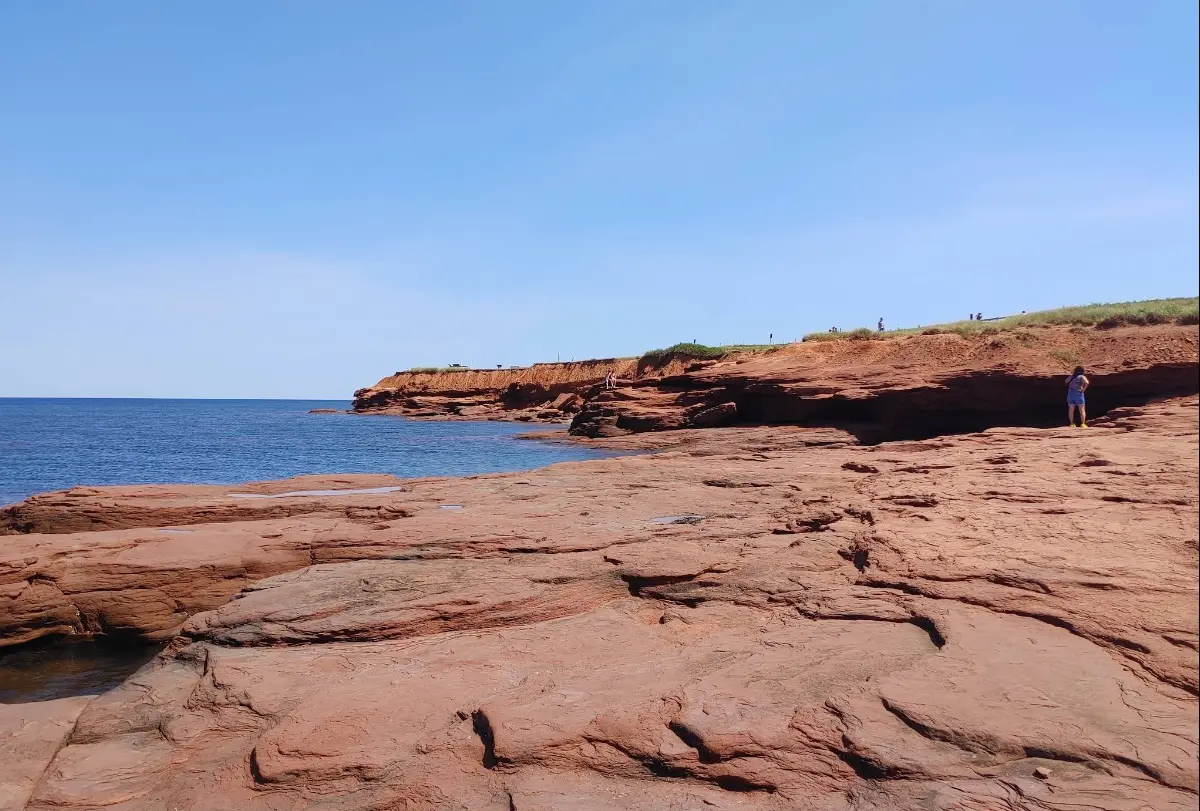
Photo by Rob Chapman
What Makes Prince Edward Island National Park Special?
Prince Edward Island National Park stands out because of its combination of coastal scenery, geological features, and cultural significance.
Unlike Canada’s famous mountain parks, such as Banff and Jasper, this national park is primarily characterized by relatively flat coastal landscapes, sandy beaches, and gently rolling terrain.
Some of its most distinctive features include:
Red Sandstone Cliffs: The island’s iconic red sandstone cliffs create a striking contrast against the blue waters of the Gulf of St. Lawrence. These colorful coastal formations are among the park’s most recognizable photographic subjects.
Coastal Sand Dunes: Wind-shaped dunes protect inland ecosystems and provide important habitats for native plants and wildlife.
Beautiful Beaches: Long stretches of sandy shoreline offer opportunities for swimming, sunbathing, beachcombing, and relaxing by the ocean.
Wetlands and Salt Marshes: These ecosystems support a variety of birds, insects, and other wildlife.
Literary Heritage: The surrounding Cavendish area is closely connected to the life and work of Lucy Maud Montgomery and her beloved Anne of Green Gables stories.
Best Things to Do in Prince Edward Island National Park
There are plenty of activities to enjoy throughout the park, from relaxing beach days to cycling adventures and nature walks.
Here are some of the best things to do during your visit.
1. Visit Cavendish Beach
Cavendish Beach is one of the most popular attractions in Prince Edward Island National Park. Known for its beautiful white sand, red sandstone cliffs, and expansive coastal views, it attracts thousands of visitors during the summer.
The beach is an excellent destination for swimming, sunbathing, walking along the shoreline, and enjoying the Atlantic Canadian coastal atmosphere.
Its wide sandy shoreline provides plenty of space for families and couples to relax. Visitors can also enjoy spectacular views of the surrounding dunes and cliffs.
During the summer season, Cavendish Beach offers supervised swimming and accessible facilities, including beach wheelchairs and mobility mats.
Because of its popularity, the beach can become crowded during July and August. Arriving earlier in the day is a good way to enjoy a quieter experience.
2. Explore Greenwich Beach and Its Sand Dunes
Greenwich is one of the most distinctive areas of Prince Edward Island National Park.
Located on the northeastern peninsula, this region is famous for its enormous parabolic sand dunes, coastal wetlands, and beautiful sandy beaches.
The landscape is particularly impressive because of the contrast between the golden sand, green vegetation, and blue ocean.
One of the best ways to experience Greenwich is by walking the Greenwich Dunes Trail. The route passes through forests and wetlands before reaching a remarkable floating boardwalk over Bowley Pond.
The boardwalk provides visitors with an opportunity to experience the dune ecosystem while enjoying spectacular scenery.
Greenwich is also a wonderful destination for photography, birdwatching, and peaceful nature walks.
3. Discover the Anne of Green Gables Heritage
Prince Edward Island is internationally recognized as the setting that inspired Anne of Green Gables, one of Canada’s most beloved literary works.
Visitors can explore Green Gables Heritage Place in Cavendish, where the historic farmhouse and surrounding landscapes celebrate the life and work of author Lucy Maud Montgomery.
The site features a historic house, walking paths, gardens, and interpretive exhibits related to the famous novel.
Fans of the Anne of Green Gables series can explore the landscapes that helped inspire Montgomery’s fictional world.
Even visitors unfamiliar with the books can appreciate the property’s historic atmosphere and beautiful countryside.
Green Gables Heritage Place is administered by Parks Canada and is located within the national park area.
4. Go Cycling Along Gulf Shore Way
Cycling is one of the best ways to explore Prince Edward Island National Park.
The park features paved multi-use pathways that pass through coastal landscapes, wooded areas, and scenic viewpoints.
Gulf Shore Way is particularly popular with cyclists because it offers beautiful views of beaches, dunes, and the Gulf of St. Lawrence.
The relatively flat terrain makes cycling accessible to visitors with different fitness levels.
You can bring your own bicycle or explore available rental options in nearby communities.
5. Hike the Greenwich Dunes Trail
The Greenwich Dunes Trail is one of the park’s most memorable hiking experiences.
This scenic route takes visitors through several different ecosystems, including forests, wetlands, and coastal dunes.
The highlight is the floating boardwalk that crosses Bowley Pond. Walking across this elevated pathway offers beautiful views of the surrounding wetlands and sand dunes.
The trail continues toward Greenwich Beach, where visitors can enjoy expansive views of the Gulf of St. Lawrence.
It is an excellent option for nature enthusiasts and photographers who want to experience the park’s distinctive coastal environment.
6. Enjoy Swimming and Beach Activities
Swimming and beach activities are among the most popular reasons to visit Prince Edward Island National Park.
The park protects several beautiful beaches where visitors can swim, sunbathe, build sandcastles, and enjoy the ocean.
Some popular beach destinations include:
- Cavendish Beach: A famous sandy beach with red cliffs and seasonal visitor facilities.
- Brackley Beach: A popular destination known for its broad sandy shoreline and summer atmosphere.
- Stanhope Beach: A beautiful coastal area offering relaxing beach experiences and scenic surroundings.
- Greenwich Beach: A quieter beach surrounded by impressive dunes and natural landscapes.
Water temperatures are generally most comfortable during July and August.
Visitors should always check local swimming conditions and pay attention to posted safety warnings.
7. Go Birdwatching and Wildlife Watching
Prince Edward Island National Park protects several important habitats for birds and other wildlife.
Its beaches, wetlands, salt marshes, and forests support a variety of species throughout the year.
Visitors may encounter:
- Red foxes
- Great blue herons
- Waterfowl
- Warblers
- Shorebirds
- Various coastal bird species
One particularly important species is the piping plover, an endangered shorebird that nests on sandy beaches.
Certain beach sections may be temporarily closed to protect nesting areas. Visitors should respect all signs, barriers, and wildlife protection measures.
Birdwatching is especially enjoyable around wetlands and quieter coastal areas.
8. Enjoy a Picnic by the Ocean
A picnic is a wonderful way to enjoy the natural beauty of Prince Edward Island National Park.
Several areas provide picnic facilities where visitors can relax and enjoy meals surrounded by coastal scenery.
You can bring sandwiches, snacks, and drinks before heading to the beach or exploring nearby trails.
The combination of fresh ocean air, scenic views, and peaceful surroundings makes a picnic a memorable part of any visit.
Remember to dispose of waste properly and never leave food behind.
9. Photograph the Red Sandstone Cliffs
The red sandstone cliffs are among the most recognizable natural features of Prince Edward Island.
Their distinctive reddish-orange colors are especially beautiful when sunlight illuminates the coastline.
Photography enthusiasts can capture impressive images of the cliffs, sandy beaches, ocean waves, and coastal vegetation.
Early morning and late afternoon often provide softer lighting and excellent opportunities for landscape photography.
Visitors should remain on designated paths and viewing areas to avoid damaging fragile coastal environments.
10. Experience the Park During Autumn
Although summer is the busiest season, autumn offers a different and equally attractive experience.
As temperatures become cooler, coastal forests begin displaying beautiful shades of yellow, orange, and red.
The beaches are generally quieter, making autumn an excellent time for photography, walking, and enjoying peaceful coastal scenery.
Wildlife observation can also be rewarding during this season as migratory birds move through the region.
Visitors should remember that some seasonal services and facilities operate on reduced schedules outside the summer months.
Best Hiking Trails in Prince Edward Island National Park
Prince Edward Island National Park offers a variety of walking and hiking trails through coastal forests, wetlands, agricultural landscapes, and sand dunes.
Most routes are relatively flat, making them suitable for families and visitors who prefer easy outdoor activities.
Here are some trails worth exploring:
| Trail | Difficulty | Highlights |
|---|---|---|
| Greenwich Dunes Trail | Moderate | Floating boardwalk, wetlands, and sand dunes |
| Cavendish Dunelands Trail | Easy | Coastal dunes and scenic boardwalk |
| Homestead Trail | Easy | Farmland, dunes, and coastal views |
| Bubbling Springs Trail | Easy | Woodlands and wetlands |
| Farmlands Trail | Easy | Historic agricultural landscapes |
| Gulf Shore Way East | Easy | Coastal cycling and walking |
| Gulf Shore Way West | Easy | Scenic coastal landscapes |
Trail conditions and accessibility can change throughout the year. Check the official Parks Canada trail information before setting out.
Source: Prince Edward Island National Park Trails.
Wildlife in Prince Edward Island National Park
The park’s diverse coastal ecosystems provide important habitats for numerous wildlife species.
Although it is relatively small compared with Canada’s wilderness parks, its beaches, forests, wetlands, and salt marshes support a surprising variety of animals.
Mammals
Red foxes are among the most recognizable animals in the park. Visitors may occasionally see them moving through grasslands or along forest edges.
Other small mammals also inhabit the park’s wooded and wetland environments.
Birds
Birdwatching is a popular activity, particularly around wetlands and coastal areas.
Some birds you may encounter include:
- Great blue herons
- Common eiders
- Various ducks and geese
- Warblers
- Sandpipers
- Piping plovers
Marine and Coastal Wildlife
The surrounding Gulf of St. Lawrence supports marine ecosystems that are important to the island’s natural environment.
Visitors may occasionally spot marine wildlife from suitable coastal viewing locations.
To protect these habitats, stay on designated trails, avoid disturbing animals, and never approach nesting birds.
Best Time to Visit Prince Edward Island National Park
The best time to visit Prince Edward Island National Park depends on the activities you want to enjoy.
Summer is generally the most popular season because of its warm weather, comfortable swimming conditions, and availability of seasonal facilities.
However, spring and autumn can also offer excellent opportunities for hiking, photography, and wildlife observation.
Summer (June to August)
Summer is the best season for traditional beach activities.
Temperatures are generally pleasant, and visitors can enjoy swimming, cycling, hiking, and exploring the park’s coastal attractions.
July and August are particularly busy, so booking accommodations in advance is recommended.
Fall (September to October)
Autumn is an excellent time for visitors who prefer fewer crowds.
The changing foliage creates beautiful scenery, while cooler temperatures make outdoor activities comfortable.
Some seasonal facilities may close or reduce their operating hours during this period.
Spring (April to May)
Spring brings milder temperatures and the return of migratory birds.
It is a good season for peaceful walks, nature observation, and photography.
However, some visitor facilities and services may not yet be operating.
Winter (November to March)
Winter transforms the park into a quiet coastal landscape.
Snow-covered dunes, frozen wetlands, and dramatic winter skies create unique photographic opportunities.
The park remains accessible year-round, although many visitor services are seasonal. Trails and facilities are generally not maintained during the winter off-season.
Where to Stay Near Prince Edward Island National Park
There are several accommodation options near Prince Edward Island National Park, ranging from historic seaside properties to family-friendly resorts and vacation rentals.
Cavendish, Brackley Beach, and nearby communities are convenient places to stay when exploring the park.
Here are some accommodation options to consider:
Dalvay by the Sea
Located near the Brackley-Dalvay region, Dalvay by the Sea is a historic seaside property known for its distinctive architecture and coastal setting.
It offers a memorable accommodation experience for visitors interested in history and traditional seaside hospitality.
Cavendish Resorts and Hotels
The Cavendish area offers numerous hotels, motels, resorts, and family-friendly accommodations.
Staying here provides convenient access to Cavendish Beach, Green Gables Heritage Place, restaurants, and other local attractions.
Cottages and Vacation Rentals
Visitors who prefer more privacy can choose from numerous cottages and vacation rentals around the island’s northern coast.
These accommodations are particularly suitable for families and groups planning longer stays.
During the peak summer season, it is advisable to reserve accommodation well in advance.
How to Get to Prince Edward Island National Park
Prince Edward Island National Park is accessible by car from different parts of Prince Edward Island.
The closest major city is Charlottetown, which serves as the province’s main transportation and tourism hub.
By Car
Driving is one of the easiest ways to explore the park because its three main regions are geographically separated.
Approximate driving distances from Charlottetown include:
| Destination | Approximate Distance | Driving Time |
|---|---|---|
| Brackley Beach | 24 km | 25–30 minutes |
| Cavendish Beach | 40 km | 40–45 minutes |
| Greenwich | 75 km | 1 hour–1 hour 15 minutes |
Distances and driving times are approximate and depend on the route and traffic conditions.
By Air
The closest airport to Prince Edward Island National Park is Charlottetown Airport (YYG).
The airport serves domestic flights and provides access to rental cars and ground transportation.
From the airport, visitors can drive to the park’s main regions.
By Ferry or Confederation Bridge
Travelers coming from mainland Canada can reach Prince Edward Island through two main routes.
- Confederation Bridge: Connects New Brunswick with Prince Edward Island and is the primary year-round road connection.
- Northumberland Ferries: Provides seasonal ferry service between Caribou, Nova Scotia, and Wood Islands, Prince Edward Island.
Once on the island, visitors can drive toward the national park using the provincial road network.
Visitor Information: Prince Edward Island National Park
Here is a quick overview to help you plan your visit.
| Information | Details |
|---|---|
| Park Name | Prince Edward Island National Park |
| Location | Prince Edward Island, Canada |
| Established | 1937 |
| Country | Canada |
| Region | Atlantic Canada |
| Nearest City | Charlottetown |
| Closest Airport | Charlottetown Airport (YYG) |
| Main Attractions | Cavendish Beach, Greenwich, Brackley Beach |
| Popular Activities | Swimming, hiking, cycling, birdwatching, photography |
| Best Time to Visit | June to September |
| Park Access | Year-round |
| Official Website | Parks Canada |
| Telephone | 902-672-6350 |
Park Address:
Prince Edward Island National Park
2 Palmers Lane
Charlottetown, PE C1A 5V8
Canada
Important Visitor Information:
- The park is accessible throughout the year, but visitor services are primarily seasonal.
- Admission fees may apply depending on the visitor category and applicable national promotions.
- Dogs and other domestic animals are prohibited on national park beaches from April 1 through October 15 annually.
- Pets are generally permitted on designated trails when kept on a leash.
- Sand dunes are protected ecosystems and visitors must stay off restricted dune areas.
- Certain beaches may close temporarily to protect endangered piping plover nesting sites.
Frequently Asked Questions About Prince Edward Island National Park
1. Where is Prince Edward Island National Park located?
Prince Edward Island National Park is located along the northern coast of Prince Edward Island in eastern Canada, overlooking the Gulf of St. Lawrence.
2. When was Prince Edward Island National Park established?
Prince Edward Island National Park was established in 1937 to protect the island’s important coastal landscapes and natural ecosystems.
3. What is Prince Edward Island National Park famous for?
The park is famous for its sandy beaches, red sandstone cliffs, coastal dunes, wetlands, cycling trails, and connections to the Anne of Green Gables stories.
4. How big is Prince Edward Island National Park?
The park protects approximately 65 kilometers of shoreline along the northern coast of Prince Edward Island, including several distinct coastal regions.
5. What are the best things to do in Prince Edward Island National Park?
Popular activities include swimming at Cavendish Beach, hiking the Greenwich Dunes Trail, cycling along Gulf Shore Way, birdwatching, photography, and visiting Green Gables Heritage Place.
6. Is Prince Edward Island National Park worth visiting?
Yes. The park is an excellent destination for travelers who enjoy beaches, coastal scenery, outdoor recreation, wildlife, and Canadian cultural history.
7. What is the best time to visit Prince Edward Island National Park?
June through September is generally the best time to visit, especially for swimming, cycling, and enjoying the beaches. July and August are the busiest months.
8. Can you swim at Prince Edward Island National Park?
Yes. Several beaches offer swimming opportunities, and selected locations provide seasonal supervised swimming. Always check current water conditions and safety information.
9. What is the most popular beach in Prince Edward Island National Park?
Cavendish Beach is one of the park’s most popular beaches, attracting visitors with its beautiful sand, red cliffs, and scenic coastal setting.
10. Are there hiking trails in Prince Edward Island National Park?
Yes. The park offers several walking and hiking trails, including Greenwich Dunes Trail, Cavendish Dunelands Trail, Homestead Trail, and Bubbling Springs Trail.
11. Can you visit Green Gables Heritage Place inside the national park?
Yes. Green Gables Heritage Place is located within the Prince Edward Island National Park area and celebrates the literary heritage of Anne of Green Gables.
12. What animals live in Prince Edward Island National Park?
Wildlife includes red foxes, great blue herons, waterfowl, warblers, shorebirds, and other species that inhabit coastal forests and wetlands.
13. How far is Prince Edward Island National Park from Charlottetown?
The park’s nearest main areas are approximately 24 kilometers from Charlottetown, although distances vary depending on which region you want to visit.
14. Can you camp in Prince Edward Island National Park?
Yes. Parks Canada offers camping opportunities in designated areas, including the Cavendish and Stanhope regions. Availability and operating dates vary by season.
15. Are dogs allowed in Prince Edward Island National Park?
Dogs are generally allowed on designated trails when kept on a leash. However, pets are prohibited on national park beaches from April 1 through October 15.
16. Is Prince Edward Island National Park open in winter?
Yes. The park remains accessible year-round, but many visitor services and facilities operate seasonally. Winter visitors should prepare for limited maintenance and services.
17. How many days do you need to explore Prince Edward Island National Park?
One day is enough to visit a few major attractions, but two or three days are recommended if you want to explore all three regions, enjoy the beaches, and experience the hiking and cycling trails.
18. What is the closest airport to Prince Edward Island National Park?
Charlottetown Airport (YYG) is the closest airport, providing convenient access to the park and other destinations across Prince Edward Island.
19. Does Prince Edward Island National Park have red sandstone cliffs?
Yes. Red sandstone cliffs are among the park’s most recognizable geological features and create a beautiful contrast with the blue waters of the Gulf of St. Lawrence.
20. Is Prince Edward Island National Park suitable for families?
Absolutely. Families can enjoy swimming, beach walks, cycling, easy hiking trails, picnics, wildlife observation, and educational experiences at Green Gables Heritage Place.
Final Thoughts
Prince Edward Island National Park is a beautiful destination that showcases the natural and cultural heritage of Canada’s Atlantic coast. Its spectacular sandy beaches, red sandstone cliffs, coastal dunes, and peaceful wetlands create an unforgettable landscape for visitors.
From swimming at Cavendish Beach and exploring the floating boardwalk at Greenwich to discovering the literary history of Anne of Green Gables, the park offers plenty of experiences for travelers of all ages.
Whether you are planning a weekend getaway or a longer vacation around Prince Edward Island, this national park deserves a place on your travel itinerary.
Its combination of coastal beauty, outdoor activities, and cultural attractions makes Prince Edward Island National Park one of the most rewarding national parks to explore in eastern Canada.
Read more: