Living Next Door to a National Park: Two Ways Landlords and Renters Handle the Trade-Offs
One black bear pulling apart a trash bin in the driveway can cost a landlord a replacement enclosure, a cleanup fee, an angry neighbor, and, if it keeps happening, a habituated animal that gets euthanized. A wildfire that jumps a ridge onto a rental street can cost far more. Homes near protected land come with a specific kind of risk, and the people who manage those homes tend to fall into one of two camps.
One camp treats the park as scenery and writes the lease as if the property sat on any suburban block. The other treats the park as an operating condition and builds wildlife, fire, and access rules into how the home is rented, maintained, and inspected. Both approaches exist, but only one holds up when something goes wrong.
The Scenery View Sells the House; the Operating View Keeps It
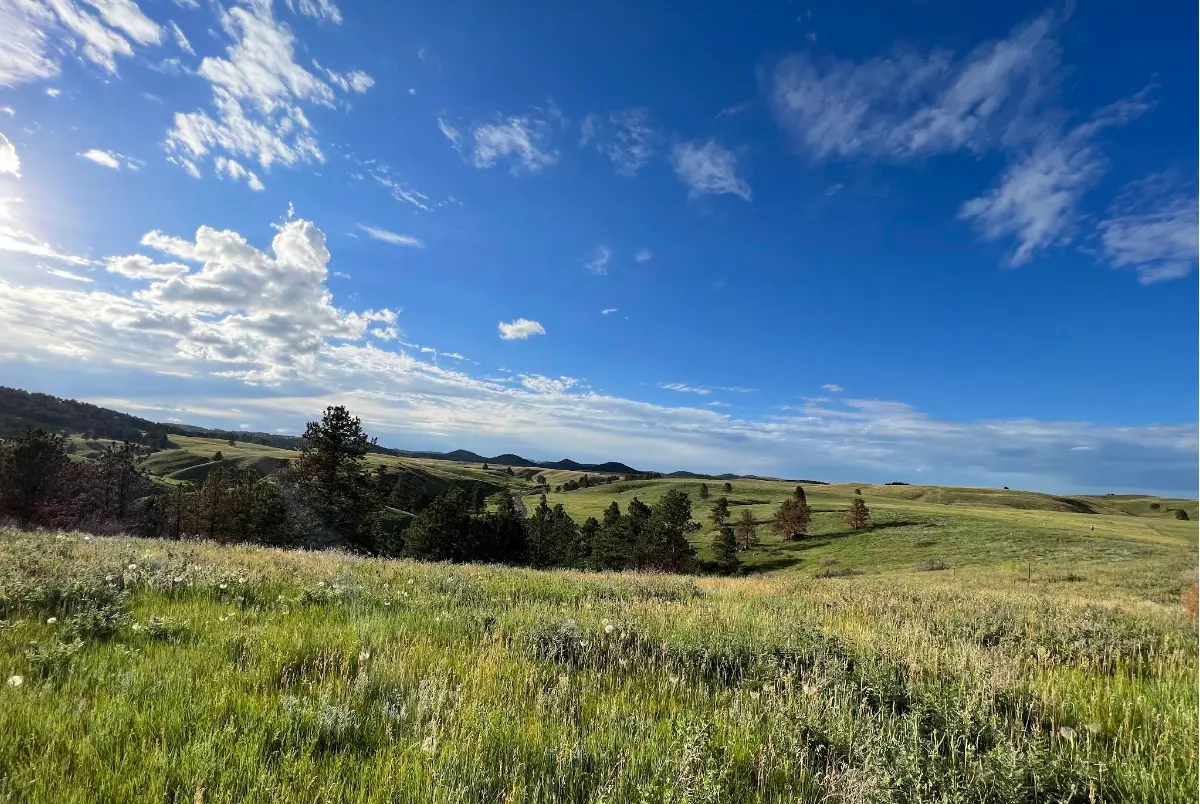
The scenery view is common, and understandable. A rental with a park at the end of the road markets itself. Listings lean on the trailhead, the elk sightings, the dark skies.
The lease looks like any other lease. The landlord assumes the tenant will “be sensible,” and the tenant assumes the landlord has already thought through whatever the setting requires.
The operating-condition view starts somewhere else. The park is a set of variables that show up in maintenance calendars, insurance riders, and lease clauses. Trash pickup gets timed to reduce odor exposure. Grills and bird feeders have rules.
Defensible-space work happens on a schedule, not after a bad fire season is announced. The property costs a bit more to run. It also holds together when the setting acts up. Neither approach is wrong in every setting. A rental twenty miles from a park boundary in a dense subdivision is not the same as one that backs onto federal land. The honest question is which one the property actually is.
Wildlife Rules Should Be Written Down
Passive coexistence is the default. Tenants get told, informally, not to feed the deer. Trash goes out the night before pickup. Somebody puts up a hummingbird feeder. Most days, nothing happens. The approach works until a bear, a raccoon family, or a mountain lion learns the address.
Active management writes the rules down and enforces them. The National Park Service is direct about what those rules look like in its guidance on watching wildlife near protected lands: keep distance, use wildlife-resistant food and trash containers, and never feed, touch, or intentionally disturb animals. Landlords who take this seriously specify the containers, spell out feeder restrictions, and put a reporting number in the welcome packet.
The trade-off is real. Active management costs money upfront and adds language to the lease. Passive coexistence costs nothing until it costs everything, whether that’s a habituated bear, an insurance claim, or a tenant who moves out mid-lease because the deck is no longer usable after dusk.
Defensible Space Is a Line Item, Not a Reaction
The reactive approach handles vegetation when it gets obvious. A dead tree comes down after it drops a limb. Brush gets cleared when a neighbor complains. Gutters get done when the tenant asks. The property looks fine most of the year, and carries fuel loads the landlord has rarely actually measured.
The standing approach treats defensible space as a maintenance line item. That work matters more than it used to. U.S. Forest Service research on the wildland-urban interface found that as of 2020, the interface covered under 10 percent of contiguous U.S. land but contained more than 44 million homes, roughly a third of the national housing stock. Rental housing exposed to wildland fuels is no longer a niche concern.
Standing defensible space costs a few hundred dollars a year on most properties and a weekend of coordination. Reactive cleanup costs nothing until an evacuation order, and then it costs the house. Insurance carriers in fire-prone areas have started to price the difference, and some won’t renew without documentation of the work.
Each Approach Wins in a Different Setting
The scenery-and-informal approach wins when the property sits genuinely far from the boundary, the tenant pool is short-term and low-maintenance, and the landlord is willing to absorb the occasional bad outcome as a cost of doing business. That’s a legitimate choice on some portfolios.
The operating-condition approach wins nearly everywhere else, and it wins by a wider margin as the property gets closer to the park, as tenant tenure gets longer, and as the fire and wildlife seasons get less predictable. It also wins when the owner doesn’t live nearby, which is where a local manager earns their keep.
Owners who don’t want to run the calendar themselves often hand it to a professional property manager who can inspect for fuels, enforce container rules, and coordinate with adjacent-land agencies without waiting for a crisis to make the call.
A park at the property line is an asset. It’s also a set of conditions the lease has to acknowledge. Landlords and renters who treat it as both get the view and keep the house.