How to Plan a National Park Road Trip in a Luxury Passenger Van
A national park road trip combines scenic highways, outdoor adventure and the freedom to explore several landscapes in one journey. For families or groups traveling together, a luxury sprinter van can provide comfortable seating and useful luggage space between destinations. However, visiting protected areas in a larger passenger vehicle requires more planning than an ordinary highway trip.
Parking capacity, road restrictions, shuttle systems and changing weather can all influence the itinerary. Preparing for these details makes it easier to enjoy the parks without spending the vacation solving transportation problems.
Choose Parks That Form a Realistic Route
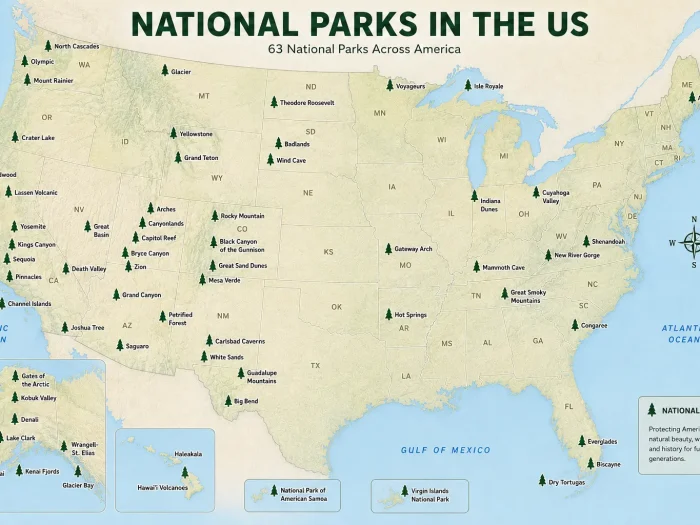
It is tempting to include as many national parks as possible, particularly in regions where several appear close together on a map.
Driving distances tell only part of the story. Mountain roads, entrance lines, construction and wildlife can make travel slower than expected. Time is also needed to park, use park transportation and reach the actual trail or viewpoint.
Select a small number of parks and explore them properly. Two or three parks over a week will usually produce a more satisfying trip than racing through a different one every day.
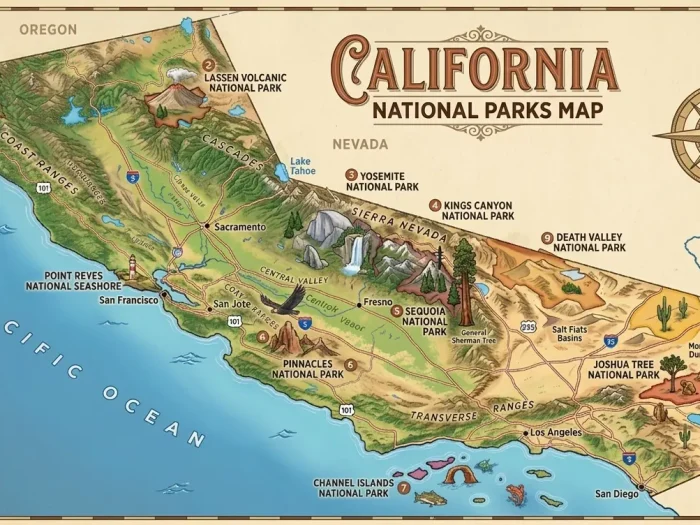
Build the route around one region. Possible combinations include the parks of southern Utah, Yellowstone and Grand Teton, or Sequoia and Kings Canyon. Travelers can also connect a major park with nearby national monuments, forests or state parks.
Include at least one lighter day. Hiking, early departures and changing hotels can become tiring, even when the driving distances appear manageable.
Know the Vehicle’s Exact Dimensions
Before entering any park, record the van’s complete height, width and length.
Include roof racks, antennas and other installed equipment. The original vehicle specifications may not reflect accessories added during conversion.
These measurements can affect:
- Parking garages
- Tunnels
- Narrow scenic roads
- Historic bridges
- Ferry crossings
- Oversized-vehicle spaces
- Hotel entrances
- Automatic car washes
Some park roads have permanent or seasonal vehicle restrictions. Others may allow larger vehicles but provide limited parking at popular viewpoints.
Check each park’s official website shortly before departure. Look specifically for road conditions, vehicle restrictions, parking guidance and construction notices. Do not rely on an old travel article when current access could be affected by weather or maintenance.
Keeping the dimensions near the driver makes it easier to respond when a clearance sign appears unexpectedly.
Understand the Difference Between Driving to a Park and Driving Inside It
A comfortable passenger van may be ideal for traveling between parks but unnecessary once the group reaches a busy visitor center.
Many popular parks operate shuttle systems during high-demand periods. Certain roads may be closed to private traffic, while other areas have parking lots that fill early in the morning.
Research the local transportation system before arriving. Confirm:
- Where the shuttle begins
- Whether parking is available nearby
- When service operates
- Whether reservations are required
- Which attractions the route serves
- Whether everyone in the group can board comfortably
Use the van as a base for reaching the park, then take advantage of public transportation where it makes sense. This reduces time spent searching for parking and allows the driver to enjoy the scenery too.
If a park does not offer a shuttle, prioritize larger parking areas and visit busy locations early or later in the day.
Organize Equipment Before Leaving Home
National park trips involve more gear than ordinary sightseeing vacations.
In addition to suitcases, travelers may carry hiking shoes, backpacks, trekking poles, coolers and photography equipment. Everything should have a secure location that remains usable when all passenger seats are occupied.
Separate belongings by purpose:
- Overnight luggage
- Hiking and outdoor equipment
- Food and water
- Emergency supplies
- Items needed during the drive
Each passenger can keep a small daypack ready with water, sun protection, a layer of clothing and personal medication. This prevents the group from reorganizing the entire luggage area at every trailhead.
Avoid placing loose objects in the aisle or on seats. Sudden braking can turn an unsecured bottle, camera or bag into a hazard.
At night, remove food and scented items when required by local wildlife rules. Storage guidance differs by park, so follow instructions from rangers and official signs.
Plan Around Weather and Elevation
A single national park journey can cross deserts, forests and high mountain passes.
Temperatures may change dramatically over a short distance. A warm afternoon near the park entrance does not guarantee comfortable conditions at a higher viewpoint or after sunset.
Pack layers rather than relying on one heavy outfit. Every traveler should have protection from sun, rain and cooler temperatures.
Check the forecast for the specific area of the park, not only the nearest town. Conditions at a trailhead several thousand feet higher may be very different.
Weather can also close roads or make them unsuitable for travel. Never allow a hotel reservation or tightly packed itinerary to pressure the group into driving through unsafe conditions.
The vehicle’s climate control will keep passengers comfortable between stops, but it does not replace proper outdoor clothing and preparation.
Carry More Water Than You Expect to Need
Water should remain easily accessible throughout the vehicle.
Give every passenger a refillable bottle and carry an additional supply for delays or emergencies. This is especially important in desert parks and remote areas where services may be limited.
Do not leave water, medication or essential equipment buried beneath suitcases.
Bring simple food that can tolerate the conditions inside the vehicle. Avoid items that melt, spill easily or create strong odors. Confirm whether picnic areas, restaurants or stores will be open during the visit.
Never leave food or trash unattended outdoors. Wildlife that learns to associate people and vehicles with food can become dangerous and may ultimately have to be removed from the area.
Protect the Driver’s Energy
Scenic roads still require complete attention.
Wildlife, bicycles, pedestrians and sudden stops are common inside parks. Roads may include steep grades, sharp curves and narrow shoulders. The driver should avoid trying to sightsee while the vehicle is moving.
Stop only in designated pullouts. Never block traffic to take a photograph or approach wildlife from the road.
If multiple adults can operate the van safely and legally, agree on driving shifts before the trip. Anyone unfamiliar with a larger vehicle should practice parking and maneuvering before reaching a crowded park.
Long hiking days also affect driving ability. A tired traveler should not automatically become the driver simply because the group is ready to leave.
Leave Space in the Schedule
National parks reward travelers who are willing to slow down.
A trail may take longer than expected. Wildlife might create a traffic delay. A viewpoint may be too beautiful to leave after ten minutes.
Reserve accommodations and any activities that require advance booking, but avoid filling every hour. One major hike or activity per day may be enough, particularly when the group also needs to drive.
Start early when practical and keep the afternoon flexible. If everyone still has energy, add a shorter trail or scenic stop. If the group is tired, return to the hotel without treating rest as a failed plan.
A flexible schedule also makes it easier to respond to closures and changing weather.
Travel Responsibly
A larger vehicle does not give visitors additional access or permission to park outside designated areas.
Stay on established roads, use marked spaces and follow instructions from park staff. Never drive onto vegetation to create a parking spot or stop where the vehicle obstructs traffic.
Pack out all trash, keep a safe distance from wildlife and remain on designated trails. Noise should be kept low at viewpoints and trailheads so other visitors can experience the natural environment.
National parks protect living ecosystems, not simply attractive scenery. Responsible behavior helps preserve them for the people arriving next season and for generations still to come.
Let the Journey Connect the Parks
A national park road trip is about more than collecting entrance signs and photographs.
Traveling together gives the group time to watch the landscape change between destinations, discuss the day’s experiences and discover places outside the most famous boundaries.
Choose a route that allows time to explore, understand the vehicle’s limitations and use park shuttles when they offer a better option. With thoughtful preparation, the road becomes part of the national park experience rather than simply the distance between one trail and the next.