Washington National Parks Dog Rules: A Complete Travel Guide
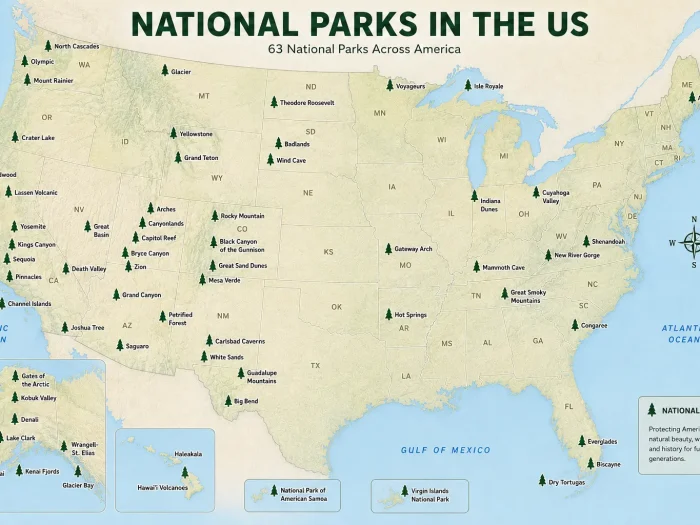
Before you load the car with kibble and leashes for a mountain road trip, you’ll want to get familiar with Washington National Park’s dog rules. Washington State’s three national parks pull in millions of visitors each year, but plenty of those travelers show up assuming a “pet-friendly” park means unlimited trail access. It doesn’t.
The National Park Service strictly limits domestic animals to designated developed areas to protect sensitive habitats and keep everyone (two-legged and four-legged) safe. This guide breaks down the pet regulations for Mount Rainier, Olympic, and North Cascades so you can plan an itinerary that actually works for every member of your group, including the furry ones. You’ll learn where dogs are permitted, where they’re banned, and how to find dog-friendly hikes near each park when the national park trails aren’t an option. Pet rules, closures, and access conditions shift often, so always double-check the official park website before you hit the road.
Overview of Washington National Parks Dog Rules
Understanding pet policies across Washington’s federal lands means looking at each destination individually, because geography and wildlife management drive different restrictions at each park. The National Park Service designs these rules to protect wildlife, ensure visitor safety, and preserve trails. What catches most people off guard is that a “pet-friendly” designation usually applies only to scenic viewpoints and parking lots, not to backcountry trails. It’s similar to how unexpected access rules apply to the Zion National Park shuttle; what sounds straightforward gets complicated fast once you’re on the ground.
| Park | Dogs Allowed In | Dogs Not Allowed In | Best For Dog Owners | Main Limitation |
| Mount Rainier National Park | Campgrounds, parking lots, roads, some paved areas | Most trails, wilderness, off-road areas | Scenic stops and short roadside visits | Very limited trail access |
| Olympic National Park | Campgrounds, parking areas, roads, some specific pet-friendly trails and beaches | Most wilderness trails, many beaches, public buildings | A few specific pet-access spots plus scenic drives | Rules vary heavily by district |
| North Cascades National Park Complex | Campgrounds, roads, parking lots, Pacific Crest Trail corridor (rules vary by unit) | Most trails in national park areas, backcountry | Scenic highway pullouts and limited developed access | Very little true trail access in park units |
Leash control and strict area compliance matter every time you visit these protected environments. Here are the broad rules that apply across federal recreation lands in the Pacific Northwest:
- Dogs are usually allowed in developed areas like campgrounds, paved roads open to vehicles, and parking areas.
- Dogs are usually prohibited on most trails, in wilderness and backcountry areas, and inside many public buildings.
- Leashes are typically required and must remain short (usually 6 feet or less; verify park-specific rules before you go).
- Service animals are treated differently under federal law than pets and have broader access rights, so don’t confuse the two categories.
- Conditions can change quickly due to wildlife activity, trail closures, fires, storms, or scheduled maintenance.
Mount Rainier National Park Dog Rules
Where Dogs Are Allowed at Mount Rainier
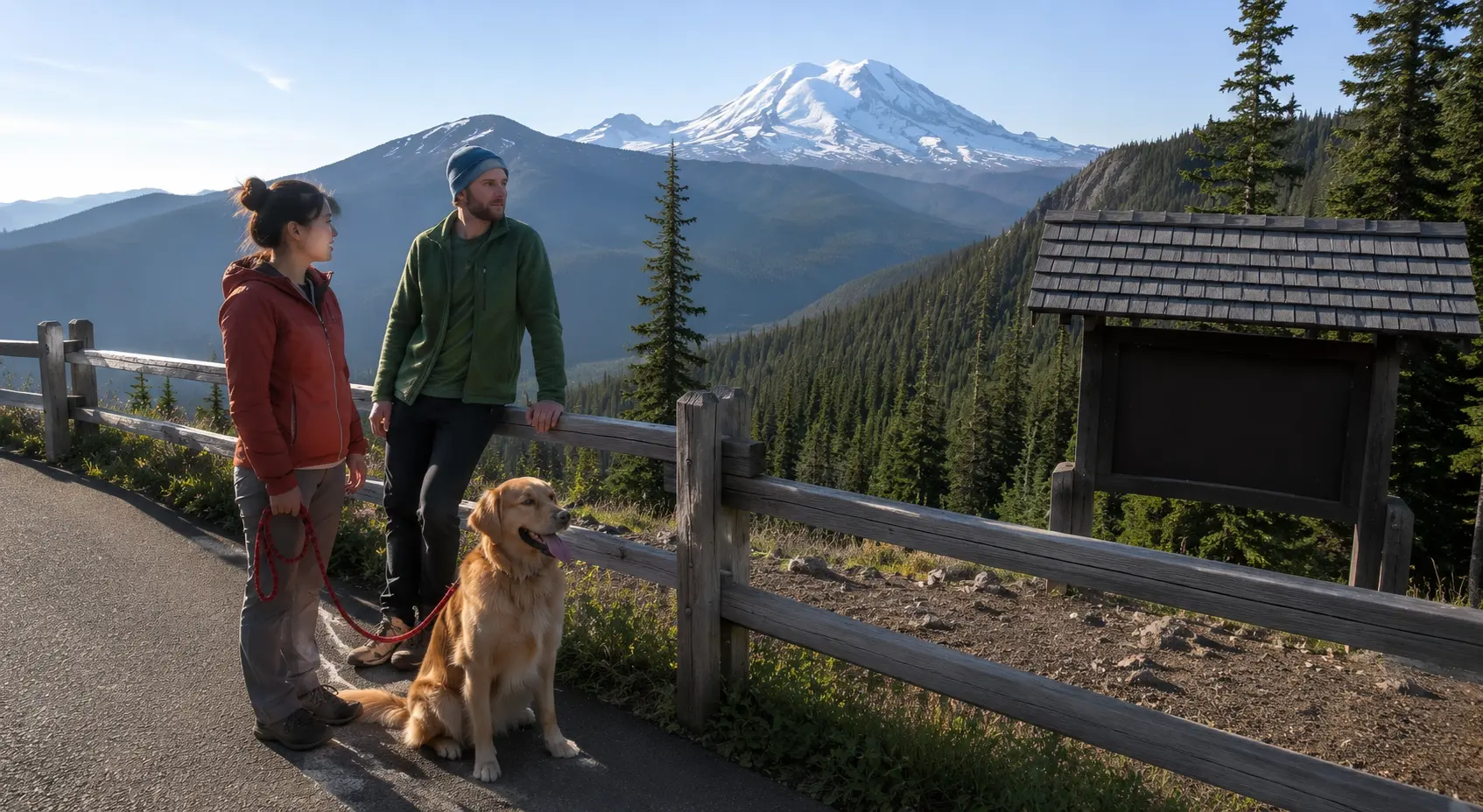
The rules regarding dogs in Mount Rainier National Park focus on keeping pets in developed locations. According to the National Park Service, you can walk a leashed dog in established campgrounds, parking lots, and along roads that are open to public vehicles. If park guidance permits, pets may also visit designated picnic areas and specific paved viewpoints where vehicle traffic is standard. Think of it as a “stay near the pavement” policy; once the trail turns to dirt, your dog can’t follow.
Where Dogs Are Not Allowed at Mount Rainier
If you’re hoping to hike the iconic trails of Mount Rainier with your dog at your side, you’ll need a backup plan. Dogs are banned from almost all hiking trails in the park. The National Park Service prohibits them in backcountry zones, wilderness areas, alpine meadows, and sensitive habitats to prevent disturbance to local flora and fauna. Routes like the Skyline Trail and the Wonderland Trail remain completely off-limits to domestic pets, no exceptions.
What This Means for Your Visit
Mount Rainier works best as a scenic driving destination when you’ve got a dog in the backseat. You can enjoy roadside stops, photograph the mountain from paved viewpoints, or take turns so one traveler hikes while another stays with the dog in a permitted area. Sound limiting? It can be, but the views from the road are genuinely spectacular, and plenty of visitors have a great day without ever setting foot on a trail.
Keep in mind that closures can happen without much warning. For example, part of the Wonderland Trail was temporarily closed due to unusual bear activity, a good reminder that wildlife management affects access in real time.
Olympic National Park Dog Rules
Olympic’s Rules Are More Location-Specific
Navigating the rules for dogs in Olympic National Park requires more homework than you might expect. The park includes wildly diverse environments: Pacific coastline, rainforest valleys, and alpine ridges. The National Park Service manages each ecosystem differently, so pet regulations change depending on which district you visit. You could drive thirty minutes from a dog-friendly beach to a trailhead where pets are completely banned. Checking the official park website for area-specific rules before arriving at a trailhead isn’t optional here; it’s essential.
Where Dogs May Be Allowed
Olympic National Park provides a select list of designated pet-friendly areas where leashed dogs can walk. Official park guidance currently permits leashed dogs on the Peabody Creek Trail, the Madison Falls Trail, and portions of the Spruce Railroad Trail. On the coast, pets are allowed on the Kalaloch area beaches and the Rialto Beach area from the parking lot to 0.8 miles north of Ellen Creek. If you’re looking for a coastal outing with your dog, those are your best bets.
Where Dogs Are Commonly Restricted
Outside the designated pet-friendly zones, Olympic National Park enforces strict animal bans. Dogs aren’t allowed on wilderness and backcountry trails, and most inland hiking routes through the rainforests are off-limits too. Many natural beaches with sensitive wildlife habitats ban pets completely, and public buildings restrict domestic animals except for recognized service animals. Not where you expected this guide to go, right? Most first-time visitors to Olympic are surprised by how limited pet access really is once you leave the designated spots.
Ferry and Peninsula Travel Tips With a Dog
Reaching the Olympic Peninsula often involves a ferry ride, and the good news is that Washington State Ferries updated their pet policy for the summer travel season. Starting July 1, 2026, pets will be allowed in marked areas inside cabins, outdoor passenger areas, and on vehicle decks. After a six-week education period, pet owners will need to follow these new guidelines, keeping dogs leashed or crated while aboard. This updated policy could make it significantly easier for travelers using Puget Sound ferry routes to reach Olympic National Park.
North Cascades National Park Dog Rules
Why the North Cascades Confuses Dog Owners
The rules for dogs in the North Cascades National Park trip up visitors because the area is managed as three distinct units. The complex includes North Cascades National Park, Ross Lake National Recreation Area, and Lake Chelan National Recreation Area. The National Park Service applies different pet regulations to recreation areas than to the stricter national park zones. So “North Cascades” can mean two very different things depending on which boundary line you’re standing inside.
Where Dogs Are Usually Allowed
Within the Ross Lake and Lake Chelan National Recreation Areas, leashed dogs generally have broader access to developed spaces. Pets are permitted in campgrounds, parking lots, and along roads within these units. Dogs are also allowed on the Pacific Crest Trail corridor within the park complex, provided they stay on a leash at all times. If you’re a PCT section-hiker who brings your dog along, that’s a useful detail to know.
Where Dogs Are Usually Not Allowed
Inside the actual boundaries of North Cascades National Park, pet access is severely restricted to protect the rugged alpine environment. Dogs are prohibited on most trails within the national park units, including all backcountry and wilderness zones. Natural-surface hiking routes ban domestic animals to prevent conflicts with wildlife like bears and mountain goats, which are common in the area.
Best Way to Visit With a Dog
The most practical strategy for visiting the North Cascades complex with a dog is to treat the trip as a scenic highway drive along State Route 20. You can stop at developed overlooks and recreation area campgrounds for photos and short walks. For real hiking mileage, plan to use the adjacent national forest lands outside the park boundaries; that’s where you’ll find trails that actually welcome your dog.
Better Alternatives for Longer Dog-Friendly Hikes Near the Parks
Near Mount Rainier
If you want dog-friendly trails near Mount Rainier, look just outside the park boundaries to the Mount Baker-Snoqualmie National Forest. This massive forest covers more than 1.7 million acres and generally allows dogs on most of its hiking trails, provided they remain on leash. The Okanogan-Wenatchee National Forest also offers excellent pet-accessible routes on the eastern approaches to the mountain. Ask any dog owner who’s done a Rainier trip, and they’ll tell you the same thing: the national forest trails are where the real dog-friendly hiking happens.
Near Olympic
For those wanting long trail days near the coast, the Olympic National Forest surrounds much of the national park and offers numerous dog-friendly trail systems. The Olympic Discovery Trail corridor serves as a strong alternative to national parks, offering miles of paved and unpaved pathways for leashed pets. Always check local notices before heading out, as maintenance projects can temporarily affect these multi-use routes.
Near North Cascades
Finding dog-friendly hikes near the North Cascades is straightforward once you shift your focus to the Okanogan-Wenatchee National Forest or the Mount Baker-Snoqualmie National Forest along the Highway 20 corridor. These federally managed forest lands offer extensive trail networks where dogs are welcome. You should still verify trailhead-level restrictions, though, as specific wilderness zones within the national forests may enforce seasonal limits on animals.
Dog Safety on Washington Trails and What to Do After an Incident
Wildlife, Leashes, and Trail Etiquette
Responsible pet ownership on Washington trails starts with leash compliance and keeping a safe distance from wildlife. Just as you’d check Yellowstone’s weather conditions to avoid seasonal hazards, you should also avoid bringing dogs into areas where predators are active. Pack out all waste, carry enough water for your pet (not just yourself), and make sure your dog is wearing current identification and vaccination tags. These aren’t suggestions; they’re basics that can prevent a bad situation from getting worse.
If a Dog Bites Someone on a Trail or at a Campground
Trail and campground dog incidents can turn serious quickly, especially in remote locations. Dog-bite ER visits are 4 times higher in rural areas than in urban areas, and visits to remote outdoor locations are more likely to result in medical complications. On top of that, nearly 1 in 5 dog bites become infected, making immediate medical attention important regardless of how minor the wound appears. In Washington, these cases can also trigger strict liability rules and local leash ordinances.
If you’re bitten by a dog while on a hike on a public trail, the legal picture depends heavily on whether local or park rules were violated. Washington’s strict liability framework and insurance considerations can get complicated, and a consultation with an attorney experienced in dog-bite injury claims can help you understand your options. With the average claim reaching $58,545 in 2023, legal guidance may help injured visitors pursue fair compensation after an attack in a public recreational space.
Key Takeaways
Best for scenic stops with a dog: Mount Rainier National Park offers excellent paved viewpoints and roadside photo opportunities for pet owners.
Best for a few designated pet-access areas: Olympic National Park provides specific beaches and a small number of approved trails where leashed dogs are permitted.
Most confusing rules: The North Cascades park complex requires you to distinguish between strict national park boundaries and the more lenient national recreation areas.
Best strategy for hikers with dogs: Combine short scenic drives through national parks with longer hikes in the surrounding national forests. That’s the move that makes the whole trip work.
Most important planning tip: Check official National Park Service alerts for trail closures, unusual wildlife activity, and current pet restrictions before leaving home.
Frequently Asked Questions
Are dogs allowed on trails in Washington national parks?
Dogs are prohibited on the vast majority of hiking trails in Washington’s national parks to protect wildlife and natural resources. Only a very small number of specifically designated trails allow leashed pets.
Can dogs go to Paradise at Mount Rainier?
Dogs are allowed in the paved Paradise parking lot and on roads open to vehicles, but they’re banned from the surrounding alpine trails and meadows.
Does Olympic National Park allow dogs on beaches?
Dogs are allowed in specific coastal areas, such as the Kalaloch beaches and a designated section of Rialto Beach, but they’re banned from most other natural shorelines.
Are dogs allowed on Hurricane Ridge trails?
No. Dogs are prohibited on hiking trails at Hurricane Ridge in Olympic National Park, though they may remain in paved parking areas where otherwise permitted.
Can dogs hike in North Cascades National Park?
Dogs can’t hike on trails within the North Cascades National Park boundary, but they are allowed on a leash in the adjacent Ross Lake and Lake Chelan National Recreation Areas.
Are dogs allowed in campgrounds in these parks?
Yes, leashed dogs are generally permitted in established front-country campgrounds across all three Washington national parks.
Do national forest rules differ from national park rules?
Exactly, and that difference is crucial. Because national forests fall under the jurisdiction of the USDA Forest Service, they typically permit leashed dogs on the vast majority of their routes, offering a far more accommodating environment for people traveling with pets.
What leash length is allowed in Washington national parks?
When dogs are permitted in developed areas, the National Park Service generally requires them to be kept on a physical leash no longer than six feet at all times.
Are service animals treated the same as pets?
No. Legally recognized service animals trained to perform tasks for individuals with disabilities are exempt from standard pet restrictions under federal law.
Can I leave my dog in the car at a national park?
Leaving a dog in a vehicle is strongly discouraged and can be illegal if temperatures threaten the animal’s safety. Park rangers may intervene if a pet is in distress, and in hot weather, vehicle interiors can reach dangerous temperatures within minutes.
Do I need to worry about bears or wildlife if traveling with a dog?
Absolutely. Dogs can attract or agitate bears, cougars, and mountain goats, which is one of the main reasons the parks strictly forbid pets on backcountry trails.
What should I do if another dog bites me on a trail?
Seek immediate medical attention to help prevent infection, report the incident to a park ranger or local animal control, and document the owner’s contact information along with photos of the injury if possible.
Are Washington State Ferries pet-friendly for Olympic trips?
Starting July 1, 2026, pets are expected to be allowed in marked cabin areas, outdoor passenger spaces, and on vehicle decks under the updated policy.
Where can I find the most up-to-date pet rules?
The official National Park Service website, nps.gov, maintains dedicated pets pages for Mount Rainier, Olympic, and North Cascades with current maps and closures.
Final Thoughts
Washington’s national parks are incredible destinations for travelers with dogs, as long as your expectations line up with federal pet policies. While Mount Rainier, Olympic, and North Cascades restrict domestic animals to protect fragile ecosystems, you can still enjoy roadside views, designated campground stays, and memorable coastal stops. Knowing these limits before you arrive prevents frustration at the trailhead and helps protect the state’s wildlife.
If you want both iconic scenery and real outdoor exercise with your dog, the split-itinerary strategy is the way to go. Combine scenic drives through the national parks with longer hikes in the neighboring national forests, and you’ll experience the best of the Pacific Northwest without leaving your dog behind. Just confirm current access rules, seasonal wildlife closures, and official leash regulations before packing up the car for your 2026 adventure.