South Florida National Parks Road Trip: Everything You Need to Know Before You Go
South Florida is home to two of America’s most unique national parks — Everglades National Park and Biscayne National Park — along with world-famous beaches, vibrant cities, and the iconic Florida Keys. Whether you’re planning a dedicated national parks trip or looking to combine outdoor adventure with urban exploration, the South Florida corridor offers more variety than almost any other destination in the United States.
This guide covers everything you need to know to plan a South Florida road trip, from how to get there to what to see at each stop.
Overview of South Florida
The South Florida region stretches from Orlando in central Florida down through Miami and into the Florida Keys.
Key destinations include:
- Everglades National Park — 1.5 million acres of subtropical wilderness
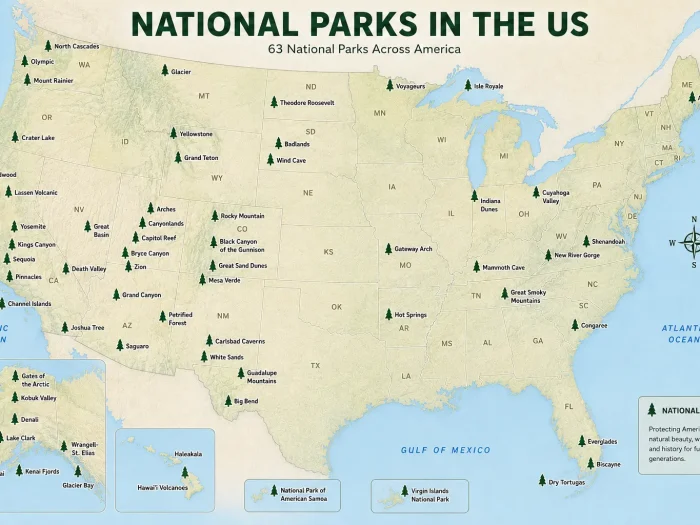
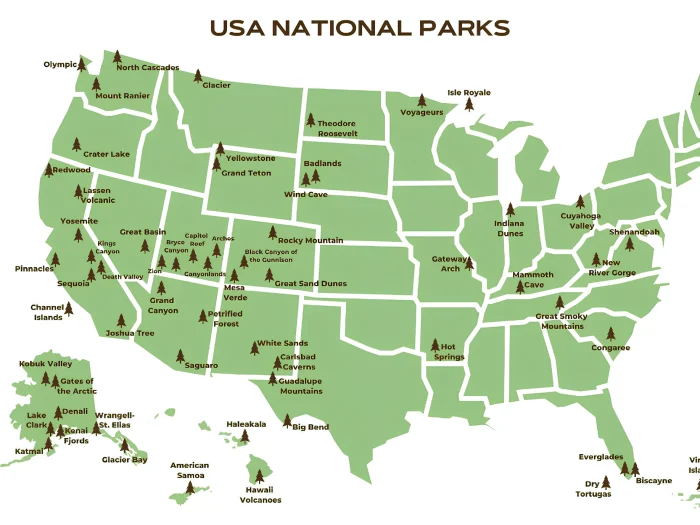
- Biscayne National Park — 95% underwater, protecting coral reefs and barrier islands just south of Miami
- Miami — gateway city with beaches, world-class dining, and international connections
- Fort Lauderdale — known as the “Venice of America” for its 300+ miles of inland waterways
- Florida Keys — a 125-mile chain of islands stretching southwest to Key West
Most visitors use Miami as a base, with day trips to the national parks and overnight stays in the Keys.
Getting to South Florida from Orlando
Many travelers arrive in Florida through Orlando International Airport (MCO) before making their way south. The drive from Orlando to Miami covers approximately 240 miles and takes around 3.5 to 4 hours via Florida’s Turnpike or I-95.
For travelers who prefer not to drive the full route themselves — especially after a long flight or with a large group — booking an Orlando to Miami car service is a practical option. Professional transportation handles the logistics of the highway transfer so visitors arrive in Miami rested and ready to explore.
Key transit facts:
- Orlando to Miami: ~240 miles, 3.5–4 hours by car
- Orlando to Fort Lauderdale: ~220 miles, 3–3.5 hours
- Miami International Airport (MIA) serves the greater Miami area
- Fort Lauderdale–Hollywood International Airport (FLL) is a second major gateway
Everglades National Park
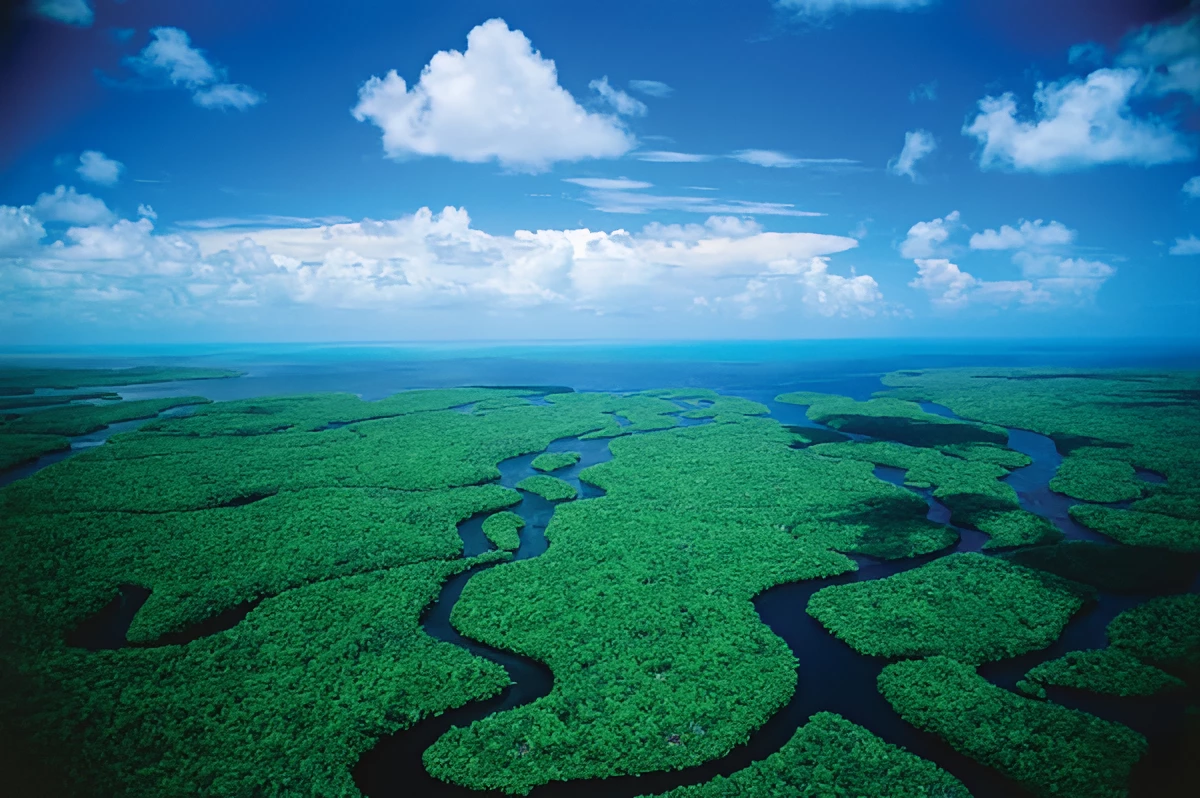
Everglades National Park is the largest subtropical wilderness in North America. Covering 1.5 million acres, it protects a slow-moving “river of grass” that flows from Lake Okeechobee south to Florida Bay — a landscape unlike anything else in the United States. . The official NPS Everglades page has up-to-date road closures, permit requirements, and ranger program schedules.
Main Entry Points
The park has three primary entrances:
| Entry Point | Location | Best For |
| Ernest F. Coe Visitor Center | Homestead | Anhinga Trail, Royal Palm, main road to Flamingo |
| Shark Valley | Miami side (Tamiami Trail) | Tram tours, cycling, alligator sightings |
| Gulf Coast Visitor Center | Everglades City | Kayaking, Ten Thousand Islands, mangroves |
Top Activities
- Walking Anhinga Trail (0.8 miles, easy — excellent year-round wildlife viewing) – Cycling or taking the tram at Shark Valley’s 15-mile loop road
- Kayaking through mangrove tunnels near Everglades City
- Fishing and birdwatching along the Flamingo coast
Practical Tips
- Entrance fee: $35 per vehicle (valid 7 days)
- Visit early morning to avoid heat and maximize wildlife sightings
- Bring insect repellent — mosquitoes are significant from May through November – The main park road (Route 9336) runs 38 miles from the entrance to Flamingo
Biscayne National Park
Located 21 miles south of Miami, Biscayne National Park protects Biscayne Bay, the northernmost Florida Keys, and a living coral reef system. More than 95% of the park is underwater, making it one of the most unusual national parks in the country.
Unlike most parks, there are no scenic drives — most major destinations require a boat. Key areas visible on the park map:
- Dante Fascell Visitor Center (Homestead) — the only area accessible by car; starting point for all boat tours
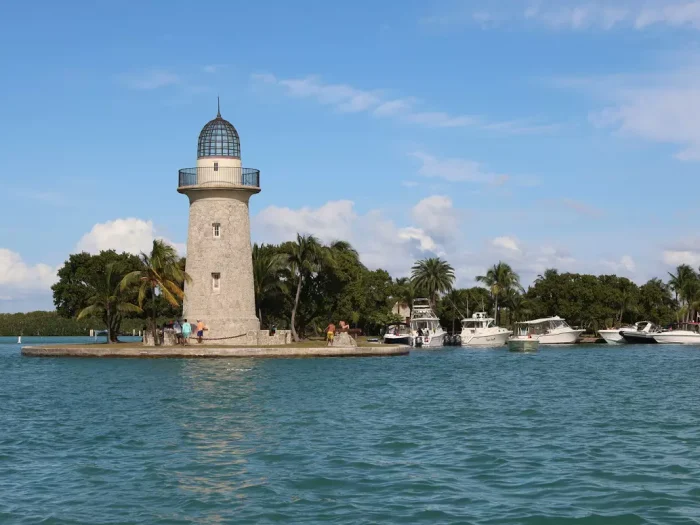
- Boca Chita Key — most visited island, historic lighthouse, harbor, and picnic areas
- Elliott Key — largest island, camping, hiking, and overnight docking
- Coral Reef — the only living coral reef system in the continental United States
For navigation details and planning, refer to the Biscayne National Park Map Guide.
Practical Tips
- Boat tours depart from Dante Fascell Visitor Center — book in advance, especially December through April
- Bring snorkeling equipment or rent it through the park concessioner
- Without a private boat, kayak, or guided tour, the park’s main islands are not accessible – Free entry; boat tour fees vary by operator
- Full visitor information at the NPS Biscayne National Park page
Exploring Fort Lauderdale
Fort Lauderdale sits on Florida’s Atlantic coast between Miami and Palm Beach. The city earned its nickname as the “Venice of America” from its extensive network of inland waterways, and it offers a distinctive mix of beach, culture, and maritime activity.
Fort Lauderdale works well either as a stand-alone destination or as a stop on a South Florida road trip. For groups — families, corporate travelers, or event attendees arriving at Fort Lauderdale–Hollywood International Airport — booking a Fort Lauderdale Sprinter van rental is a practical way to move everyone between the beach, the airport, downtown, and Port Everglades without coordinating multiple vehicles.
Top highlights:
- Fort Lauderdale Beach — wide and clean, generally less crowded than Miami Beach
- Las Olas Boulevard — the city’s main dining, gallery, and boutique corridor
- Water Taxi — connects key points along the Intracoastal Waterway
- NSU Art Museum Fort Lauderdale — one of the largest art museums in Florida
- Port Everglades — major departure point for Caribbean cruises
The Florida Keys
The Florida Keys extend 125 miles southwest from the mainland to Key West. The Overseas Highway (US-1) connects 42 bridges and 30 inhabited keys, and the drive itself ranks among the most scenic in the country.
Key stops along the route:
- Key Largo — first key; gateway to John Pennekamp Coral Reef State Park, the first underwater state park in the US
- Islamorada — sport fishing capital of the world
- Marathon — Turtle Hospital; views from the Seven Mile Bridge
- Big Pine Key — resident Key deer population; the Blue Hole freshwater lake
- Key West — southernmost point in the continental US; Duval Street; Ernest Hemingway Home & Museum
Budget at least one full day in the Keys. The drive from Miami to Key West takes approximately 3.5 hours without stops.
Best Time to Visit
| Season | Conditions | Notes |
| December–April | Dry season, 65–82°F | Best overall; wildlife concentrated around water; peak tourist season |
| May–November | Wet season, high humidity, daily afternoon storms | Fewer crowds, lower prices; hurricane season runs June–November |
| June–August | Hottest months, frequent rain | Schedule outdoor activities before noon |
The dry season is the most reliable time for Everglades wildlife viewing, as animals congregate around shrinking water sources.
Practical Tips for the Road Trip
Before setting out:
- Arrange transportation in advance — South Florida’s attractions are spread out and require a car or private transfer
- Book boat tours early — guided tours to Biscayne’s islands fill quickly in peak season
- Protect against sun — UV index is extreme throughout South Florida year-round
- Monitor weather forecasts — afternoon thunderstorms are common from May through October
- Plan fuel stops in the Keys — gas stations become less frequent past Homestead
Final Thoughts
A South Florida road trip combines two genuinely rare national parks with one of the country’s most distinctive drives and a string of cities each with their own character. From the subtropical river of grass in the Everglades to the underwater reefs of Biscayne and the island chain of the Keys, few corridors in the United States pack this much variety into a single route.
Planning the logistics — how to arrive, where to base, how to get around — makes the difference between a rushed trip and one that does justice to what South Florida has to offer.