Smart Road Trip Tips for Handling Dirt, Mud, and Wet Camping Gear
Road trips often become messy faster than travelers expect. Muddy boots, wet jackets, fishing gear, rain-soaked bags, and camping supplies can quickly leave dirt and moisture throughout the vehicle interior.
Travelers visiting national parks, forests, lakes, and campgrounds usually deal with changing weather, muddy trails, and wet outdoor equipment during the trip. Without proper protection, rear carpet areas can become difficult to clean after several days of travel.
Many campers protect the back of their SUV or truck with a cargo liner to help contain dirt, moisture, and outdoor gear mess before it spreads through the vehicle interior.
For travelers carrying hiking tools, sports equipment, pets, or wet camping supplies, rear cargo protection can make post-trip cleanup much easier.
Why Road Trips Create More Interior Mess Than Daily Driving
Daily commuting usually involves limited cargo and short driving distances. Road trips are different.
Travelers often load their vehicles with:
- Coolers
- Tents
- Hiking boots
- Fishing equipment
- Firewood
- Camping chairs
- Wet jackets
- Muddy backpacks
- Pet supplies
Outdoor travel conditions also change quickly.
A dry hiking trail in the morning may become muddy after afternoon rain. Campgrounds near lakes or rivers often leave shoes and equipment wet for hours.
Without interior protection, moisture and dirt can spread through the vehicle during multi-day travel.
What Makes Mud and Moisture Harder to Manage During Camping Trips
Mud and water create bigger problems than simple dust or crumbs.
Wet equipment can soak into carpet areas and leave behind:
- Stains
- Odors
- Mold risk
- Moisture damage
- Dirt buildup
Travelers carrying fishing gear, hiking supplies, or camping tools often place dirty items directly into the rear cargo area after outdoor activities.
Over time, repeated exposure to moisture becomes harder to clean.
This is one reason many travelers use removable cargo protection during outdoor road trips.
Why Many Travelers Use Cargo Liners During Road Trips
Drivers often ask if cargo liners are worth using for camping travel.
For people carrying outdoor gear regularly, they usually provide useful protection during long trips.
A cargo liner creates a barrier between dirty equipment and the vehicle’s interior surface.
Travelers commonly use them for:
- Muddy hiking shoes
- Wet tents
- Fishing supplies
- Snow-covered gear
- Pet travel accessories
- Beach equipment
- Camping storage bins
Families, campers, pet owners, and outdoor travelers often choose cargo liners because cleanup becomes faster after the trip.
Many liners can simply be removed, rinsed, dried, and placed back into the vehicle.
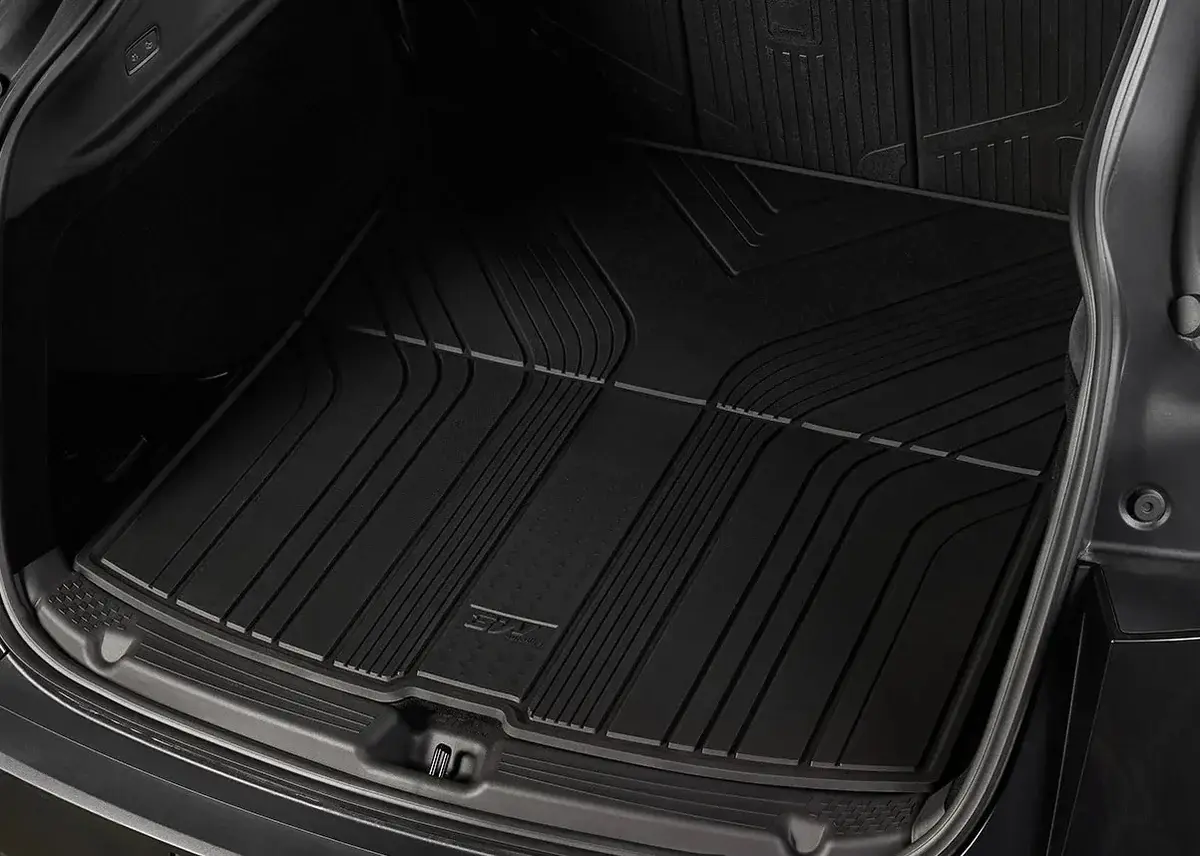
Best Cargo Liners for SUV Travel and Camping Gear
SUV travelers often carry larger amounts of outdoor gear during road trips, including coolers, hiking bags, fishing equipment, pet supplies, and wet camping tools. Without proper rear storage protection, dirt and moisture can spread quickly through carpet surfaces after several days of travel.
Many travelers choose rear cargo protection because it helps contain muddy shoes, wet jackets, rain-soaked tents, and outdoor equipment in one easier-to-clean area. This becomes especially useful during camping trips, beach travel, hiking weekends, and rainy road conditions.
Drivers traveling with children or pets also prefer interior protection because cleanup becomes faster after outdoor activities.
How Floor Protection Helps During Long Road Trips
Road trips often involve repeated stops at gas stations, hiking trails, campgrounds, lakes, and outdoor parking areas. Dirt, gravel, sand, spilled drinks, and wet shoes can quickly spread across vehicle floors during multi-day travel.
Many travelers use floor protection during long drives because it helps reduce stains, moisture buildup, and cleanup time after the trip. Families, campers, pet owners, and outdoor travelers usually prefer easier-to-clean interior surfaces when driving through changing weather conditions.
Floor and cargo protection become especially useful for travelers visiting muddy campsites, snowy mountain roads, beaches, forests, and national park trails.
Choosing Cargo Protection for Camping and Outdoor Travel
Travelers searching for the right cargo setup usually focus on durability and easy cleaning.
People preparing for outdoor road trips often prefer liners that:
- Resist water absorption
- Hold dirt without leaking
- Cover large cargo areas
- Stay stable during driving
- Clean easily after muddy trips
SUV owners and truck travelers usually carry larger amounts of gear during national park travel.
Because of that, full rear-area coverage becomes important.
Drivers carrying coolers, firewood, bicycles, or storage containers often prefer liners with raised edges that help contain water and dirt.
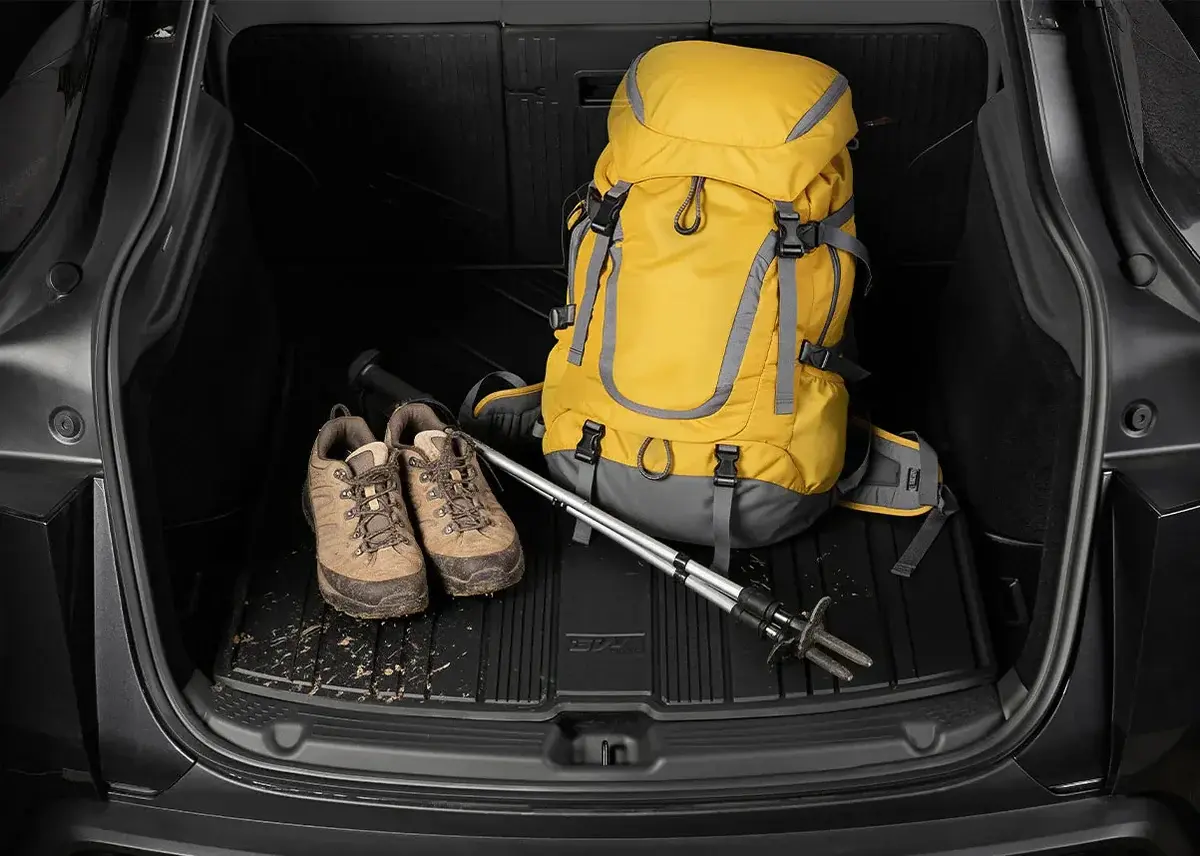
Smart Packing Habits for Muddy and Wet Travel Conditions
Keeping the vehicle organized becomes harder during multi-day camping travel.
Travelers can reduce interior mess by separating equipment into categories.
For example:
Keep Wet Gear Separate
Wet clothing, towels, and jackets should stay away from dry bags and electronics.
Store Muddy Shoes in Containers
Plastic bins or waterproof bags help prevent dirt from spreading through the cargo area.
Use Dedicated Storage Areas
Camping cookware, food supplies, and tools should remain separated when possible.
Clean Gear Before Reloading
Quickly brushing dirt off equipment before placing it back into the vehicle helps reduce buildup later.
These habits make long road trips easier to manage, especially during rainy travel conditions.
What Drivers Usually Look for in a Cargo Liner
Travelers often search for cargo protection that handles outdoor conditions without constant maintenance.
Drivers usually choose cargo liners based on:
- Vehicle compatibility
- Waterproof material
- Cleaning convenience
- Edge coverage
- Durability during heavy use
For camping trips, waterproof protection becomes one of the biggest priorities.
Travelers carrying wet sleeping bags, fishing gear, or muddy equipment often want protection that keeps moisture away from carpet surfaces.
Drivers who travel with pets may also prefer liners that resist claw marks and hair buildup.
Road Trip Situations Where Cargo Protection Helps Most
Cargo liners become especially useful during certain travel situations.
Rainy Camping Trips
Rain often creates muddy shoes, soaked tents, and wet clothing during outdoor travel.
Beach Travel
Sand and saltwater quickly spread through vehicle interiors after beach trips.
Hiking Vacations
Boots and backpacks collect dirt, rocks, and moisture after long trail walks.
Fishing and Water Activities
Fishing gear and water equipment often remain damp after use.
Winter Travel
Snow-covered gear and melting ice can soak into carpet areas during cold-weather trips.
Travelers facing these conditions often prefer removable cargo protection because cleanup becomes simpler afterward.
How Cargo Liners Help Families and Pet Owners
Families traveling with children often carry snacks, drinks, sports gear, and extra luggage during road trips.
Spills and dirt become harder to avoid during long drives.
Pet owners face additional challenges.
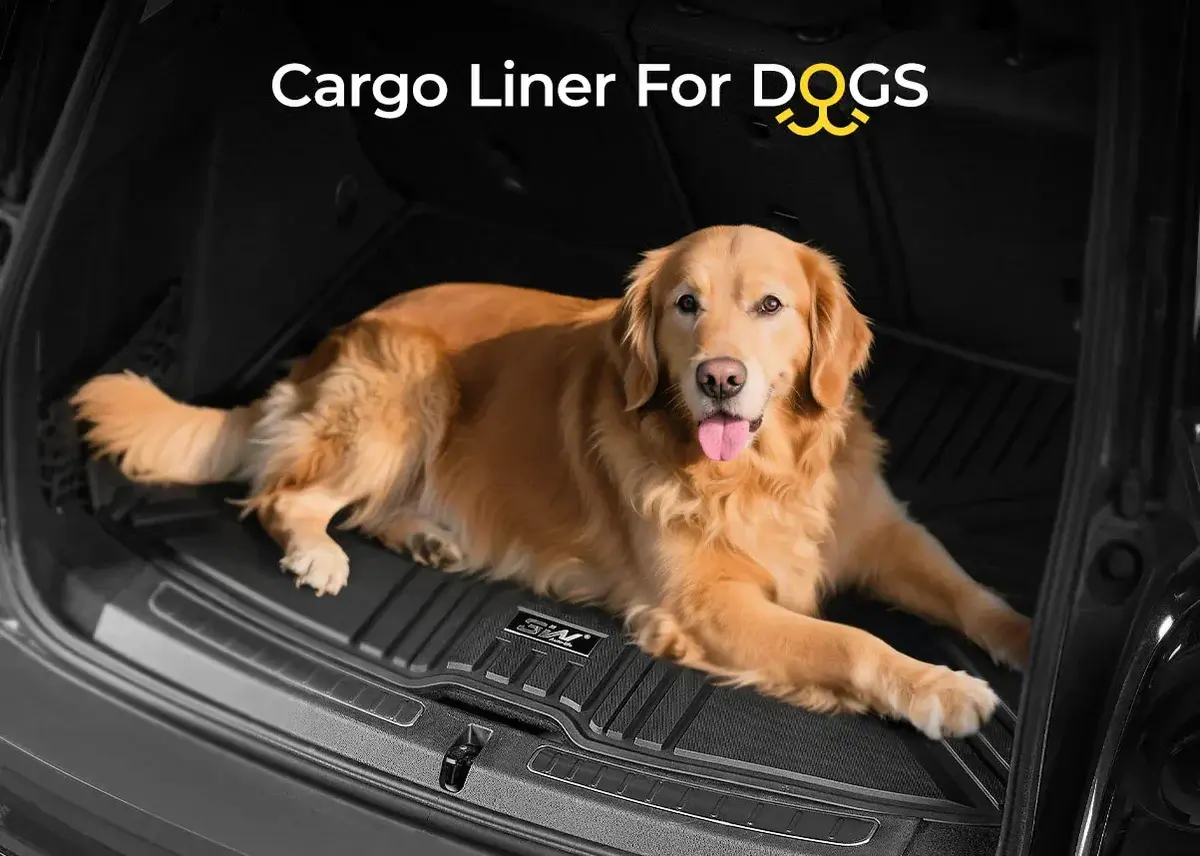
Dogs returning from hikes, lakes, or campgrounds frequently carry mud, fur, sand, and moisture into the vehicle.
A cargo liner helps contain the mess in one section of the vehicle instead of allowing it to spread across carpet surfaces.
Drivers traveling with pets also prefer easier cleaning after outdoor activities.
Simple Cleaning Tips After Outdoor Road Trips
Cleaning the vehicle soon after returning home helps prevent long-term odor and dirt buildup.
Travelers should:
- Remove wet items quickly
- Vacuum dirt and gravel
- Wipe moisture from hard surfaces
- Air out the vehicle interior
- Wash removable cargo protection
Mud becomes harder to remove once it dries deeply into the carpet material.
Travelers who regularly visit parks, campgrounds, or lakes often clean their cargo areas immediately after unloading gear.
Travel Preparation Tips Before Leaving Home
Outdoor road trips become easier when travelers prepare their vehicles early.
Before leaving, drivers should:
- Organize gear into separate bags
- Pack waterproof containers
- Carry cleaning towels
- Bring trash bags for wet items
- Check weather conditions
- Protect rear storage areas
Travelers expecting rainy conditions may also pack extra shoe bags and storage bins.
Small preparation steps reduce stress during the trip and help travelers spend less time cleaning afterward.
Common Mistakes Travelers Make During Camping Trips
Some travelers unintentionally create larger cleanup problems during outdoor trips.
Common mistakes include:
- Throwing wet gear directly onto the carpet
- Mixing clean and muddy equipment
- Leaving damp items inside overnight
- Ignoring spills during the trip
- Overloading storage areas
These habits can leave stains and unpleasant smells inside the vehicle after the trip ends.
Travelers who regularly carry outdoor gear usually prepare dedicated storage areas before starting long drives.
Why Outdoor Travelers Prefer Easy-to-Clean Vehicle Protection
Travelers visiting forests, mountains, beaches, and campgrounds often spend more time dealing with dirt and moisture than city drivers.
Because of that, many drivers now focus on practical interior protection instead of deep cleaning after every trip.
People who travel frequently usually prefer solutions that save time and reduce cleanup effort.
A cargo liner helps many travelers manage outdoor messes more efficiently during camping trips, fishing trips, hiking weekends, and long-distance road adventures.
Final Thoughts
Camping road trips often involve mud, wet equipment, dirt roads, and changing weather conditions. Without proper preparation, vehicle interiors can become difficult to clean after several days of outdoor travel.
Travelers who organize gear carefully and protect rear storage areas usually deal with fewer cleanup problems during the trip.
A cargo liner helps protect vehicle interiors from moisture, dirt, muddy shoes, camping supplies, and outdoor equipment during long road trips. Many travelers choose them because they make cleaning easier after hiking trips, camping weekends, beach travel, and outdoor family vacations.
Combined with smart packing habits and regular cleanup during travel, simple cargo protection can help road trip travelers keep their vehicles cleaner throughout the journey.