Self-Driving in Tanzania and Kenya: A Guide to 4×4 Adventure Self Drive Tours and Camping Safaris
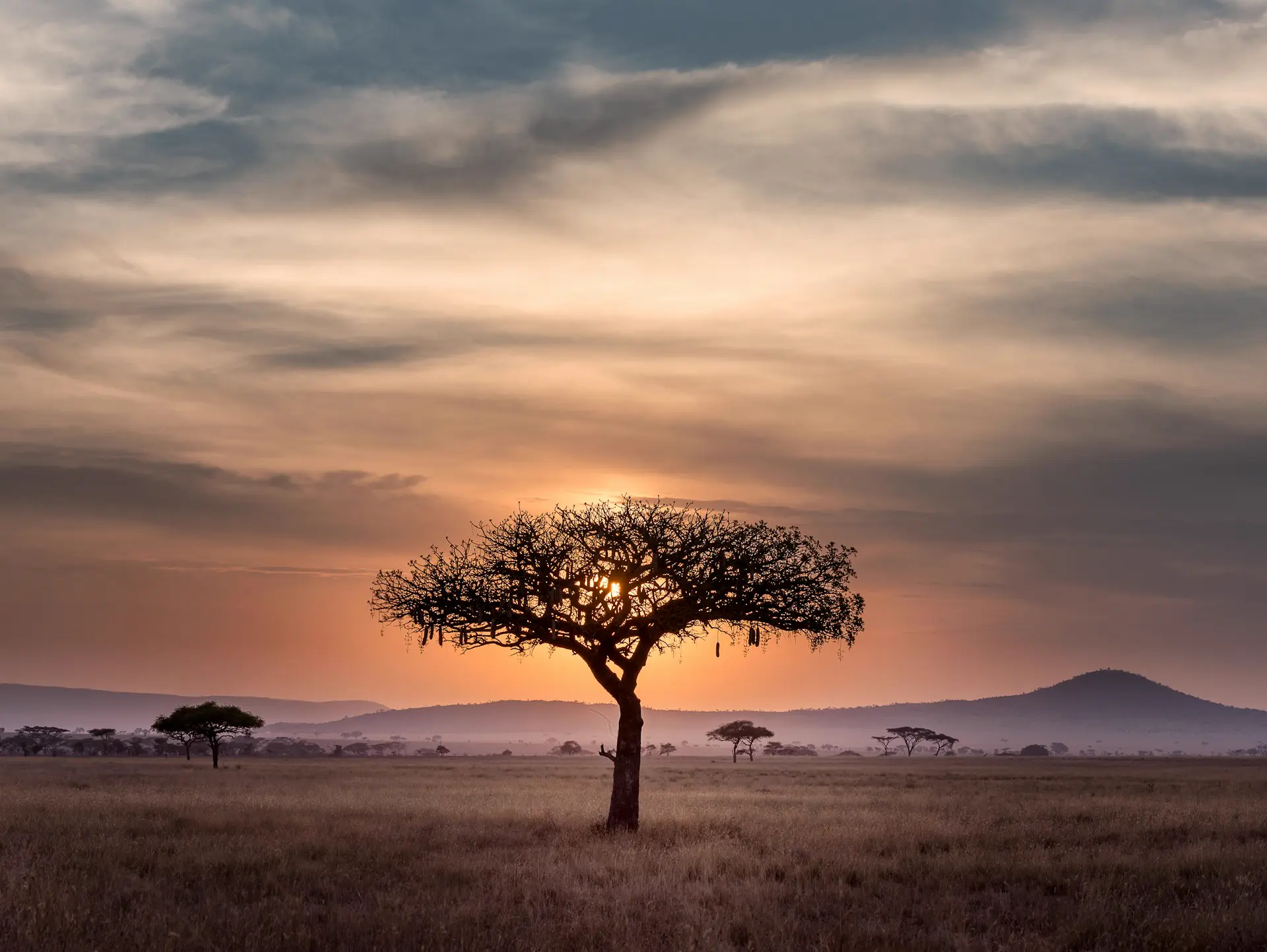
There’s a particular kind of magic in being the one behind the wheel when a herd of elephants crosses the road ahead, or when the Serengeti plains open up in every direction with nothing but grass, sky, and the occasional acacia tree breaking the horizon. This is the appeal that draws thousands of travellers each year toward self-drive safaris in East Africa, and specifically toward Tanzania and Kenya — two countries that, together, form arguably the most complete overland wildlife experience on the continent. If you’ve been searching for car hire Tanzania options, comparing Kenya 4×4 car hire packages, or simply wondering whether a self-organised camping safari is realistic for someone without prior African driving experience, this guide walks through everything you need to know.
Why Choose Tanzania and Kenya for a Self-Drive Safari?
Of all the African nations, Kenya and Tanzania consistently rank as the two most self-drive-friendly safari destinations, and for good reason. Both countries have decades of established tourism infrastructure built specifically around wildlife viewing, both drive on the left-hand side of the road (a relief for visitors from the UK, Australia, India, and much of the Commonwealth), and both share a border that can be crossed by rental vehicle, making it possible to combine the two into a single road trip rather than treating them as separate holidays.
Kenya is often described as the more developed of the two when it comes to self-drive infrastructure. Often thought of primarily as a fly-in safari destination, Kenya also offers one of the most exciting and varied self-drive experiences in Africa, combining well known landscapes with a strong self-drive culture that for years has taken a backseat to destinations like Namibia, Botswana, and South Africa in the self-drive conversation, despite deserving equal attention. Its parks — the Maasai Mara, Amboseli, Lake Nakuru, Samburu, Tsavo East and West — are largely accessible on reasonable roads, and its rental industry is mature, with companies offering everything from compact crossovers to fully kitted Land Cruisers with rooftop tents.
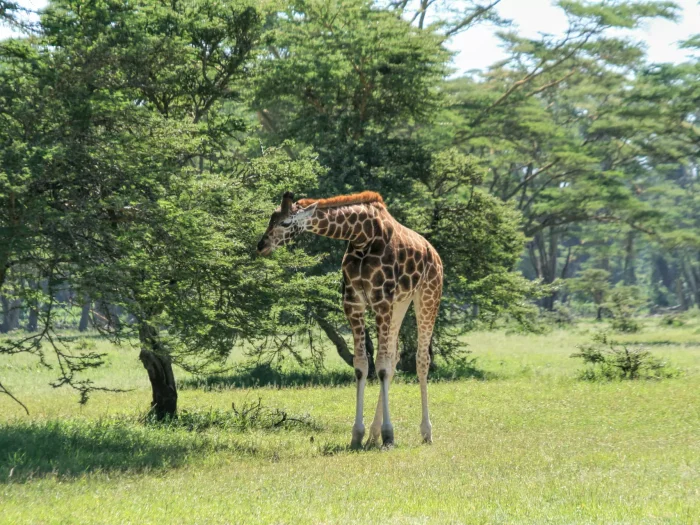
Tanzania, on the other hand, is the country of scale and drama: the Serengeti’s endless plains, the Ngorongoro Crater’s otherworldly bowl of wildlife, Lake Manyara’s tree-climbing lions, and of course Mount Kilimanjaro looming over it all. Tanzania has long been a magnet for overland self-drive travellers precisely because the distances between parks are long enough to feel like a genuine expedition, yet the parks themselves are well organised, with TANAPA (Tanzania National Parks Authority) and the Ngorongoro Conservation Area Authority (NCAA) maintaining clear fee structures and track networks.
Choosing both countries together, rather than just one, lets you experience two distinct flavours of safari in a single trip: Kenya’s open savannahs and the world-famous wildebeest migration crossing the Mara River, and Tanzania’s vast, almost lunar landscapes around Ngorongoro and the southern Serengeti where that same migration calves each year. It’s genuinely one continuous ecosystem split by a political border, so driving across that border yourself, rather than flying over it, gives you a far richer sense of how the land and the animals actually move.
Car Hire Tanzania and Kenya 4×4 Car Hire: What’s on Offer
The self-drive rental scene across both countries has matured significantly, with a dense network of specialist operators based in Nairobi, Arusha, and Moshi. Most companies operating car hire Tanzania and Kenya 4×4 car hire services fall into a similar pattern: they offer 4WD vehicles — predominantly Toyota Land Cruisers, Land Rover Defenders, Toyota Hilux double-cabs, and smaller options like the Toyota RAV4 or Nissan X-Trail — set up specifically for safari use.
A typical fleet, as offered by operators across the region, includes 4×4 car (Land Cruiser, Xtrail, Rav4, van) rentals for hire on self drive and driver guided safari itinerary packages in Kenya, Uganda, Tanzania and Rwanda, specialising in Land Cruisers with pop-up roofs, Land Cruisers with rooftop tents, Land Cruisers with camping gear, and long-term rentals and one-way hires across borders. This is the vehicle category you want for serious off-road touring: high ground clearance, low-range gearing for muddy or sandy tracks, and either a hatch-style pop-up roof (for standing and photographing wildlife) or external rooftop tents (for camping).
Pricing has become fairly standardised. Fully equipped 4×4 rental vehicles, designed for the rugged terrains of Kenya and East Africa, typically start from around $120 per day, with overlanding-ready vehicles coming with roof tents, camping gear, fridges, and recovery equipment to ensure total independence on the road. Budget operators offering smaller, non-camping 4WDs can come in considerably cheaper, while fully outfitted Land Cruiser campers with double rooftop tents for families or groups sit at the premium end.
What’s particularly useful for trip planning is that most of these companies aren’t confined to a single country. Specialist self-drive operators across the region focus on 4WD Toyota Land Cruisers and small 4×4 RAV4s for off-road adventure, modified with rooftop tents and camping gear, enabling complete cross-border trips through Kenya, Tanzania, Rwanda, and Uganda with reliable car rental and camping equipment including fridges. This cross-border flexibility is the single biggest advantage of treating Kenya and Tanzania as one trip rather than two: you can pick up your vehicle in Nairobi and drop it off in Arusha (or vice versa), without ever handing back the keys mid-journey.
What to Look for in a Rental Vehicle
If you’re shopping around for 4×4 Adventure self drive tours, a few practical things matter more than glossy marketing photos:
- 4WD with low-range gearing, not just all-wheel drive — essential for the rougher tracks in Tsavo, Samburu, the southern Serengeti, and around Ngorongoro’s crater rim.
- Rooftop tent setup, ideally with the tent and ladder pre-installed so you’re not assembling camping infrastructure after a long drive day.
- Long-range or dual fuel tanks, since fuel stations thin out significantly once you’re inside or between major parks.
- Recovery gear: a high-lift jack, tow rope, spare tyre (preferably two), and a basic toolkit.
- 24/7 breakdown support from the rental company — in remote areas like the Serengeti’s western corridor or northern Kenya’s Samburu region, this matters more than almost anything else on the list.
One returning self-drive traveller summed up a fairly typical experience: renting a Toyota Hilux with a rooftop tent for a month to travel within Kenya and Tanzania, finding the cab comfortable for four people with camping gear, luggage and food fitting easily in the back, and the vehicle performing well both on highway and in sand, mud and rock.
Budget Safaris in East Africa: Making the Self-Drive Case
One of the most persuasive reasons travellers choose self-driving over fully guided safaris is cost. Guided safaris, particularly those booked through international operators, can run into the thousands of dollars per person once you factor in driver-guide fees, vehicle hire, lodge accommodation, and park fees bundled into a package markup.
Self-driving strips out the middleman. As one regional operator puts it plainly, self-drive safaris have gained popularity among adventurous travellers for several reasons: flexibility to set your own pace and tailor the experience, choosing where to go, how long to stay, and when to take breaks for wildlife viewing, and cost-efficiency, since while guided safaris can be costly, self-drive options can be more budget-friendly.
For travellers specifically chasing budget safaris in East Africa, the maths works out roughly like this: vehicle hire with camping gear (split between two to four people sharing a vehicle) plus park fees plus groceries for self-catered camping comes in dramatically lower per day than even a mid-range lodge-based guided tour. Camping at public campsites instead of lodges removes the single largest cost line in any East African safari budget — accommodation — and replaces it with a fee that’s often under $35 per person per night.
Other cost-saving habits worth building into your itinerary:
- Travel in the shoulder or green season (roughly April–May in Tanzania), when some lodges and even park-adjacent campsites discount rates, although core park entrance fees usually remain fixed year-round.
- Choose lesser-known parks alongside the big names — Tanzania’s Ruaha, Mikumi, or Saadani carry significantly lower entrance fees than Serengeti or Ngorongoro while still offering excellent game viewing.
- Cook your own meals at camp rather than relying on lodge restaurants — a camping fridge and a simple gas stove go a long way.
- Share vehicle costs across a group; a Land Cruiser that comfortably seats four to six splits the daily rental rate considerably.
Self Driving in Kenya: Routes, Parks, and Practicalities
Kenya rewards the self-driver with relatively good infrastructure between its headline parks. A classic loop might run Nairobi → Lake Naivasha → Lake Nakuru → Maasai Mara → back to Nairobi, or push further north into Samburu and Buffalo Springs for a more rugged, less crowded experience.
Camping is a genuine highlight rather than an afterthought here. Camping in Kenya isn’t just about pitching a tent anywhere scenic — it’s about knowing which national parks actually allow camping, what type of camping is permitted, and what level of preparation is required, and self-drive travellers planning northern Kenya routes should know where to camp in Samburu and Buffalo Springs specifically. Public campsites in most Kenyan parks are basic but functional — pit latrines, sometimes a water source, and a patch of cleared ground — while special or “exclusive” campsites offer privacy at a higher nightly rate, often with no other campers nearby and genuinely wild surroundings, complete with the occasional hyena patrol around the tent at 3am.
A traveller who completed a three-week camping road trip through Kenya described a fairly representative route: from Nairobi over Lake Naivasha and Nakuru, to Iten in the highlands, then to Mt. Kenya, before heading all the way to Amboseli and finishing at the coast in Diani and Watamu, relying throughout on a spacious Toyota Prado. This kind of itinerary — highlands, savannah, then coast — captures why Kenya self drive routes are so popular: the country compresses an enormous variety of terrain into drivable distances.
Documentation requirements are straightforward. As long as you have a valid driving permit from your native country, you are allowed to drive in Kenya, and operators will check your driving permit and passport before handing over a self-drive vehicle. Kenya now operates an e-visa system rather than visa-on-arrival, so that’s worth sorting before departure rather than at the airport.
Self Driving in Tanzania: Permits, Fees, and the Practical Detail
Tanzania’s self-drive system is more tightly regulated than Kenya’s, largely because TANAPA and the NCAA run a structured permit and fee regime designed to fund conservation directly. For a standard 4×4 Land Cruiser registered in Tanzania, the daily vehicle permit fee is approximately $20 USD; for a self-drive in a foreign-registered vehicle, expect to pay considerably more, up to $150 USD. This is one reason many self-drive Tanzania specialists rent out Tanzanian-registered vehicles rather than having travellers bring vehicles across from Kenya or Uganda.
Park entrance fees themselves vary by destination. Non-East African adults pay roughly $70.80 to enter Ngorongoro, while expatriates and residents in Tanzania pay around $35.40, and East African citizens pay a flat rate in Tanzanian shillings. Serengeti sits at a similar premium tier. Lesser-visited parks are considerably cheaper, which is worth knowing if you’re trying to stretch a budget safari itinerary further without sacrificing wildlife quality.
As of 2026, Tanzania’s park payment system has gone fully digital. Self-drivers must pay via Visa or Mastercard at the gate — cash is not accepted — and all payments require a government “Control Number” generated by the park authority, obtainable through a registered tour operator or the official TANAPA and TAWA portals, after which payment can be made by card or local mobile money. This is a meaningful practical detail: arrange your Control Number in advance through your rental company or a local agent, rather than assuming you can simply roll up to a gate and pay cash, as was once possible.
Camping fees in Tanzania split into two tiers. Public campsites managed by TANAPA cost around $35.40 per person per night, while special campsites — which allow you to pitch a tent at a secluded wilderness spot with no other campers and no facilities — cost around $59 per person per night. The Ngorongoro Crater carries an additional quirk worth knowing in advance: authorities require all self-driving visitors to be accompanied by a park ranger while inside the crater, arranged on arrival at the gate for a fee of $40 payable in cash, though the ranger only guides rather than drives.
For travellers heading toward Lake Natron — one of Tanzania’s most starkly beautiful, least visited landscapes, home to flamingos and an otherworldly alkaline lakebed beneath an active volcano — fees work differently again, since the area falls under Wildlife Management Area rules rather than TANAPA. Visitors pay three separate village fees at Engare Sero town, plus a wildlife activity entrance fee, plus an overnight concession fee of around $23.60 per night for camping.
Camping Safaris: The Real Heart of the Self-Drive Experience
What separates a genuine self-drive camping safari from a standard lodge-hopping holiday is the proximity to the wild that camping forces on you. There’s no buffer of staff, walls, or electric fencing between you and the bush — just canvas, and the knowledge that the sounds outside your rooftop tent at night belong to whatever happens to be passing through.
Most rental operators across both countries now bundle full camping kits into their 4×4 Adventure self drive tours: rooftop tents (single or double), mattresses, bedding, camping chairs and tables, gas cookers, fridges, and basic cooking equipment. This turns the vehicle itself into a complete mobile base camp, meaning your only real decisions each day are where to drive and where to park for the night.
A few camping-specific tips that come up repeatedly among experienced self-drive travellers:
- Book special/exclusive campsites in advance where possible, particularly in Serengeti and Ngorongoro during peak migration season (roughly July–October), since availability is limited and popular spots fill quickly.
- Carry more water than you think you need — remote campsites, particularly in Tanzania’s western and southern circuits, often have no reliable water source.
- Respect the no-walking-after-dark rule in unfenced campsites; wildlife moves through camps at night, and rangers and experienced operators are consistent on this point.
- Pack layers — savannah nights, especially at altitude near Ngorongoro or in Kenya’s highlands, drop sharply once the sun sets, even though daytime temperatures can be intense.
Combining the Two Countries: A Sample Approach
A popular and genuinely achievable circuit runs roughly: Nairobi → Amboseli (with its classic Kilimanjaro backdrop) → cross the border at Namanga → Arusha → Lake Manyara → Serengeti → Ngorongoro Crater → back through Arusha and Namanga → Maasai Mara → Nairobi. This kind of multi-week loop, doable in anywhere from two to four weeks depending on pace, captures both countries’ signature landscapes and lets you witness the wildebeest migration at different points in its annual cycle depending on timing.
Multi-country specialists describe similarly structured trips: a 27-day self-drive safari focused specifically on exploring Kenya and Tanzania’s wildlife in depth, alongside longer 25- and 30-day itineraries that fold in Uganda as well for travellers wanting an even broader regional loop.
Final Thoughts
Self-driving through Tanzania and Kenya isn’t the easiest way to see East Africa’s wildlife, but it is arguably the most rewarding. The freedom to linger at a sighting for as long as you like, to choose your own route between Lake Naivasha’s flamingo-pink shallows and the endless gold of the Serengeti, and to fall asleep in a rooftop tent listening to lions somewhere out in the dark — these are experiences a fixed-itinerary guided tour simply can’t replicate. With a properly equipped 4×4, a clear understanding of park fees and permit systems, and a sensible approach to camping logistics, both countries are remarkably accessible to independent travellers, whether you’re chasing a tight budget safari in East Africa or building a once-in-a-lifetime multi-week overland adventure.