Flagstaff Weather by Month: A Complete Guide for Travelers
Located at 7,000 feet above sea level, Flagstaff offers a dramatically different climate from lower-elevation Arizona cities like Phoenix. Instead of desert heat year-round, Flagstaff experiences four true seasons — including snowy winters and cool, crisp summers.
Here’s a complete month-by-month breakdown to help you plan your trip.
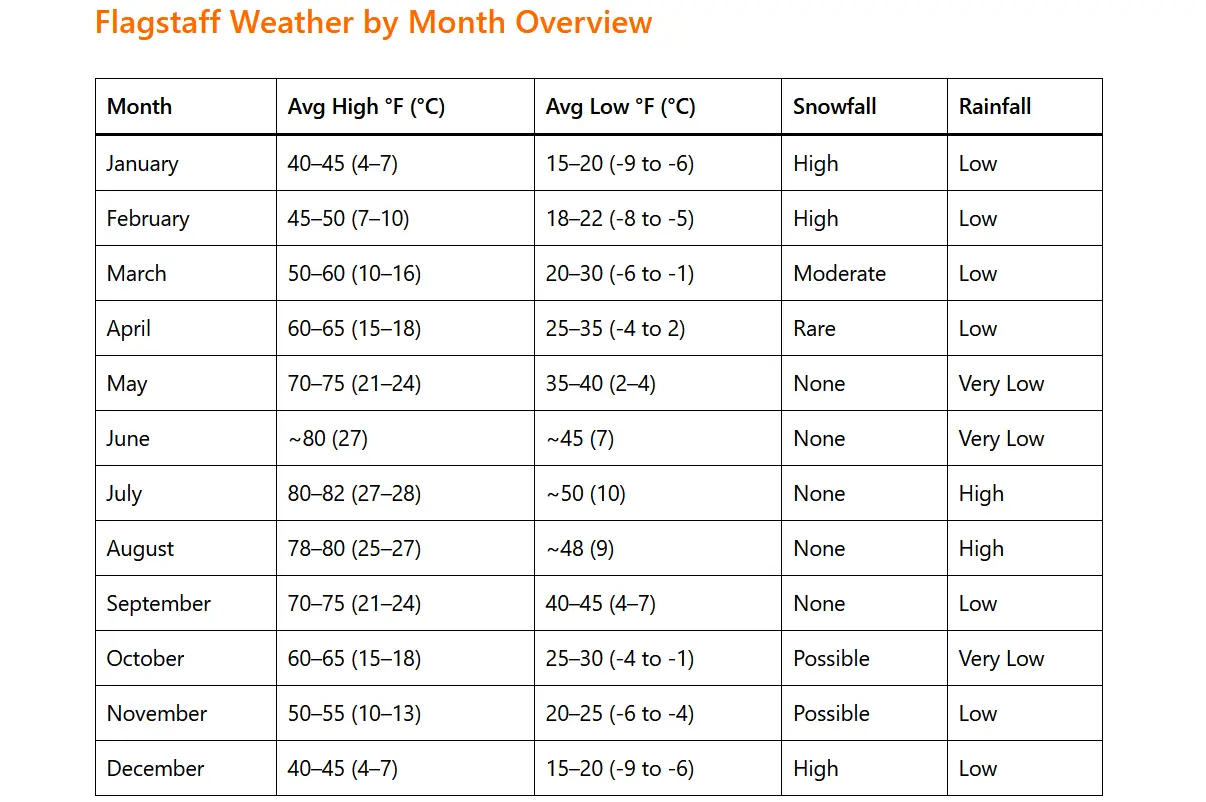
Flagstaff Weather by Month Overview
| Month | Avg High °F (°C) | Avg Low °F (°C) | Snowfall | Rainfall |
|---|---|---|---|---|
| January | 40–45 (4–7) | 15–20 (-9 to -6) | High | Low |
| February | 45–50 (7–10) | 18–22 (-8 to -5) | High | Low |
| March | 50–60 (10–16) | 20–30 (-6 to -1) | Moderate | Low |
| April | 60–65 (15–18) | 25–35 (-4 to 2) | Rare | Low |
| May | 70–75 (21–24) | 35–40 (2–4) | None | Very Low |
| June | ~80 (27) | ~45 (7) | None | Very Low |
| July | 80–82 (27–28) | ~50 (10) | None | High |
| August | 78–80 (25–27) | ~48 (9) | None | High |
| September | 70–75 (21–24) | 40–45 (4–7) | None | Low |
| October | 60–65 (15–18) | 25–30 (-4 to -1) | Possible | Very Low |
| November | 50–55 (10–13) | 20–25 (-6 to -4) | Possible | Low |
| December | 40–45 (4–7) | 15–20 (-9 to -6) | High | Low |
January – Peak Winter
- Average High: 40–45°F (4–7°C)
- Average Low: 15–20°F (-9 to -6°C)
- Conditions: Frequent snowfall
January is the heart of winter. Snowstorms are common, and skiing is in full swing at Arizona Snowbowl. Expect icy mornings and cold nights.
Best for: Snow sports, winter scenery, cozy mountain getaways.
February – Cold but Brighter
- Average High: 45–50°F (7–10°C)
- Average Low: 18–22°F (-8 to -5°C)
Still wintery, but with more sunny days between storms. Snow conditions remain excellent for skiing.
Travel tip: Layered clothing is essential.
March – Early Spring Transition
- Average High: 50–60°F (10–16°C)
- Average Low: 20–30°F (-6 to -1°C)
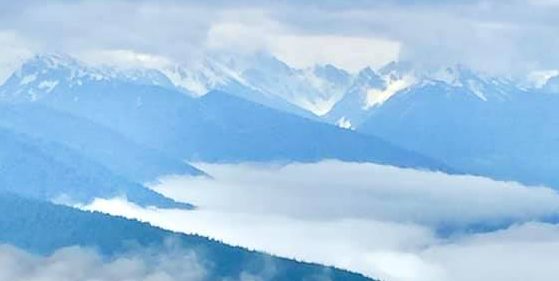
Weather becomes unpredictable — sunshine one day, snow the next. Melting snow highlights the beauty of the San Francisco Peaks.
Best for: Fewer crowds and scenic mountain views.
April – Cool and Crisp
- Average High: 60–65°F (15–18°C)
- Average Low: 25–35°F (-4 to 2°C)
Spring hiking begins, especially in Coconino National Forest. Snow mostly disappears at lower elevations.
Best for: Outdoor activities before summer tourism rises.
May – Ideal Weather
- Average High: 70–75°F (21–24°C)
- Average Low: 35–40°F (2–4°C)
One of the best months to visit. Warm days, cool nights, and minimal rainfall make it perfect for hiking and exploring downtown.
June – Warm and Pleasant
- Average High: Around 80°F (27°C)
- Average Low: Around 45°F (7°C)
Unlike much of Arizona, Flagstaff stays comfortable in early summer thanks to its elevation.
Great escape from: Extreme desert heat.
July – Monsoon Season Begins
- Average High: 80–82°F (27–28°C)
- Conditions: Frequent afternoon thunderstorms
Arizona’s monsoon season brings dramatic skies and cooling rains. Mornings are usually sunny; storms build later in the day.
Tip: Plan hikes early to avoid lightning.
August – Lush and Rainy
- Average High: 78–80°F (25–27°C)
Storms continue, and the landscape turns greener. Rainfall is common but typically short-lived.
Best for: Cooler summer travel with fewer heat concerns.
September – Near-Perfect Conditions
- Average High: 70–75°F (21–24°C)
- Rainfall: Decreasing
Comfortable temperatures and fewer storms make this one of the best months overall.
Best for: Hiking, biking, scenic drives.
October – Fall Colors Peak
- Average High: 60–65°F (15–18°C)
- Average Low: 25–30°F (-4 to -1°C)
Golden aspens light up the mountains. Days are cool and crisp; nights require jackets.
Best for: Autumn foliage and photography.
November – Early Winter Feel
- Average High: 50–55°F (10–13°C)
- Conditions: First snow possible
Tourism slows, making it quieter and more affordable. Weather becomes increasingly chilly.
December – Snowy and Festive
- Average High: 40–45°F (4–7°C)
- Conditions: Regular snowfall
Ski season is active again, and the town feels festive during the holidays.
Best Time to Visit Flagstaff
Your ideal travel month depends on your preferences:
- ❄ Snow & Skiing: January–February
- 🌸 Mild Hiking Weather: May & September
- 🍁 Fall Colors: Late September–October
- ⛈ Dramatic Storm Watching: July–August
Thanks to its high elevation, Flagstaff remains cooler than most of Arizona year-round — offering both a summer retreat and a true winter escape.
20 FAQs about Flagstaff Weather
1. Does it snow in Flagstaff, Arizona?
Yes, Flagstaff, Arizona gets significant snowfall each year. The city averages 90–100 inches of snow annually, making it one of the snowiest cities in Arizona. Snow is most common from December through March, with January typically seeing the heaviest accumulation.
2. What is the coldest month in Flagstaff?
January is the coldest month in Flagstaff. Average daytime highs range from 40–45°F (4–7°C), while nighttime lows often fall between 15–20°F (-9 to -6°C). Snowstorms are frequent during this time.
3. What is the hottest month in Flagstaff?
July is usually the hottest month in Flagstaff. Average highs reach 80–82°F (27–28°C). However, due to the city’s 7,000-foot elevation, temperatures remain much cooler than most Arizona cities.
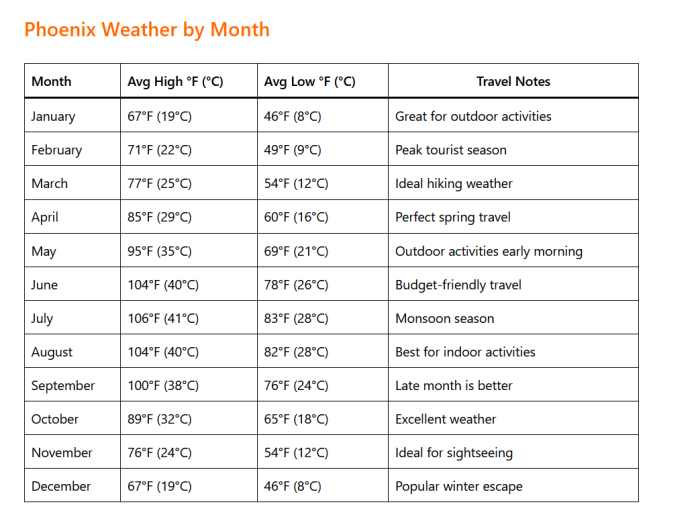
4. Why is Flagstaff cooler than Phoenix?
Flagstaff is cooler than Phoenix because it sits at approximately 7,000 feet above sea level. Higher elevation leads to lower temperatures year-round, making Flagstaff up to 20–30°F cooler than Phoenix in summer.
5. When is monsoon season in Flagstaff?
Monsoon season in Flagstaff typically runs from July through early September. During this period, afternoon thunderstorms are common, bringing brief but heavy rain, lightning, and cooler evening temperatures.
6. Does Flagstaff have four seasons?
Yes, Flagstaff experiences four distinct seasons: snowy winters, cool springs, warm summers, and colorful autumns. Unlike desert regions of Arizona, seasonal weather changes are clearly noticeable.
7. What is the best month to visit Flagstaff?
May and September are often considered the best months to visit Flagstaff. These months offer mild daytime temperatures, cool evenings, low rainfall, and ideal conditions for hiking and outdoor activities.
8. How much snow does Flagstaff get per year?
Flagstaff averages about 90–100 inches of snow per year. Snowfall varies by winter, but heavy storms can significantly increase totals, especially between December and February.
9. Is summer hot in Flagstaff?
Summer in Flagstaff is warm but not extremely hot. Average highs range from 75–82°F (24–28°C), and nighttime temperatures often drop into the 40s or 50s°F, providing cool and comfortable evenings.
10. Are winters harsh in Flagstaff?
Winters in Flagstaff can be cold and snowy, especially from December through February. However, many winter days remain sunny, and snowfall often melts between storms.
11. Does it rain a lot in Flagstaff?
Flagstaff receives moderate rainfall. The wettest period is during summer monsoon season (July–August), when short but intense afternoon storms are common.
12. What should I pack for Flagstaff weather?
Pack layered clothing year-round. Even in summer, evenings can be cool. In winter, bring insulated jackets, gloves, and waterproof boots due to frequent snow.
13. Is Flagstaff windy?
Yes, spring (especially April and May) can be windy in Flagstaff. Windy conditions are common during seasonal weather transitions.
14. Does Flagstaff get sunshine in winter?
Yes, Flagstaff receives abundant sunshine even in winter. Snowstorms are typically followed by clear, sunny days.
15. When do fall colors peak in Flagstaff?
Fall colors in Flagstaff usually peak from late September to mid-October. The best viewing areas are near the San Francisco Peaks, where golden aspen trees create vibrant landscapes.
16. Is Flagstaff a good summer escape from Arizona heat?
Yes, Flagstaff is a popular summer escape due to its cooler mountain climate. Many residents from lower-elevation Arizona cities visit to avoid extreme desert heat.
17. Does elevation affect visitors in Flagstaff?
Yes, Flagstaff’s 7,000-foot elevation may cause mild altitude symptoms, such as shortness of breath or headaches, especially for first-time visitors.
18. Can you ski in Flagstaff?
Yes, skiing and snowboarding are available at Arizona Snowbowl during winter months, typically from December through March, depending on snowfall.
19. How cold are summer nights in Flagstaff?
Summer nights in Flagstaff are cool, often dropping into the 40s–50s°F (7–12°C). A light jacket or sweater is recommended after sunset.
20. Is Flagstaff weather predictable?
Flagstaff weather can change quickly due to its mountain location. Spring and fall are particularly unpredictable, with sudden temperature shifts and occasional storms.