From Local Parks to Forest Trails: Getting Your Dog Adventure-Ready
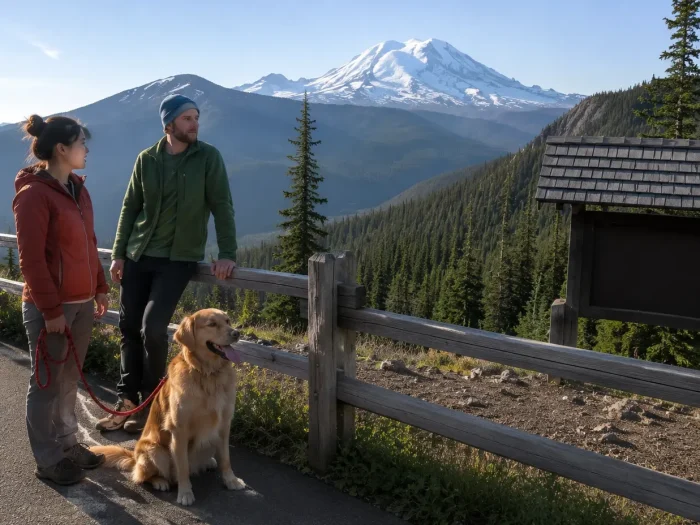
Most dogs love a good walk, but there’s a real difference between a relaxed stroll through a neighborhood park and a three-hour hike on an uneven forest trail.
Making that leap requires more than enthusiasm. A dog who’s ready for dog-friendly trails can handle varied terrain, stay calm around wildlife sounds or passing hikers, and respond reliably to basic trail commands even when distracted. A dog who simply enjoys walks isn’t automatically there yet, and that gap matters for safety.
The path from casual outings to genuine trail adventures is one of gradual conditioning, not a single gear purchase or a one-time test run. It starts with honest assessment: manageable fitness, consistent leash manners, and a solid recall before distance or difficulty increases. A proper dog harness and a well-fitted leash are part of that foundation too. For anyone getting trail-ready before your visit, preparation is always a progression built in stages.

What Your Dog Needs Before Hitting Trails
Build Trail Skills Close to Home First
The best training ground for future forest adventures is already outside your door. Neighborhood paths, local parks, and short nature walks give dogs repeated exposure to real-world distractions without the added pressure of unfamiliar terrain.
Practice the Commands That Matter Outside
Before distance or difficulty increases, dogs need reliable responses to a handful of trail commands. The come command is the most important of these. A dog who returns immediately when called, regardless of what’s nearby, is far safer on a trail than one who only listens indoors.
Positive reinforcement works best here. High-value treats, such as small pieces of cooked chicken or meat-based rewards, hold attention far better than standard kibble when competing with outdoor distractions. Keep training sessions short, consistent, and rewarding. Just as it’s worth knowing what dogs can and can’t safely eat, the same care applies to choosing what counts as a high-value treat on the trail. For example, knowing whether can dogs eat candy is a useful reminder that not every pocket snack is a safe reward during training.
Increase Distance and Terrain Gradually
Gradual conditioning matters more than speed. Adding a few extra minutes of walking each week, then introducing gentle slopes, gravel paths, or uneven surfaces in small steps, builds both stamina and confidence.
Off-leash recall practice in low-distraction areas also prepares dogs for moments when focus is tested by scents, sounds, or other animals. Slow, steady progression across varied terrain is exactly what makes park training transfer to real trail situations.
Pack for Safety, Not Just Convenience
Good trail gear earns its place in the bag through function, not novelty. The core kit for any dog on a trail covers a collapsible water bowl, a clear hydration plan based on distance and temperature, updated identification tags, a reliable leash, and a basic first aid kit. These items address the most common trail situations: dehydration, minor cuts, and a dog who gets separated from their owner.
Beyond the essentials, terrain and distance determine what else makes sense to bring. Dog boots and paw protection become genuinely useful on rocky, icy, or hot surfaces where pad damage is a real risk. A dog pack works well for longer hikes with fit, experienced dogs, letting them carry their own water and supplies without overloading a small day bag.
A well-fitted dog harness also improves control on steep or narrow sections of trail. Before heading out, it’s worth reviewing dog rules across national parks, since leash requirements and restrictions vary widely by location.
Handle the Trail Responsibly Once You Arrive
Preparation gets a dog to the trailhead, but behavior on the trail determines whether the experience stays positive for everyone involved.
Leash laws exist for good reason, and most dog-friendly trails enforce them throughout. Even where off-leash sections are permitted, a dog should only be unleashed if recall is genuinely reliable and the area is clear of wildlife, other hikers, and sensitive habitat. Trail etiquette means keeping dogs from approaching strangers or other animals without permission, and yielding when the trail narrows. Leave No Trace principles apply to dogs too, so waste should be bagged and packed out rather than left trailside.
Pace and route adjustments matter just as much. If a dog’s energy drops, focus drifts, or comfort changes mid-hike, scaling back the plan is always the right call.
Watch for Heat, Paws, and Post-Hike Issues
Warm weather adds a layer of risk that’s easy to underestimate. Dogs can’t regulate body temperature the way humans do, so overheating can develop quickly on sun-exposed trails. Signs include excessive panting, drooling, or slowing down noticeably. Hydration breaks every 15 to 20 minutes on warm days help, and hot pavement or rocky surfaces can burn paw pads before any visible damage appears. Cornell’s Riney Canine Health Center offers practical veterinary heat safety guidance worth reviewing before summer outings.
After every hike, a quick check goes a long way. Tick prevention starts with a thorough inspection through the fur, especially around the ears, underbelly, and between the toes. Paw protection also extends post-trail, so check pads for cuts, cracking, or embedded debris. Watch for unusual fatigue or limping in the hours following a hike, which can signal soreness that wasn’t obvious on the trail itself.
Getting Your Dog Trail-Ready Is a Process
Readiness comes from gradual conditioning, consistent training, safe gear, and sound trail etiquette built up over time. None of it happens in a single outing.
The most effective approach is to start small, progress steadily, and let the dog’s comfort and confidence set the pace. Every skill learned close to home translates directly to better, safer experiences on longer trails ahead.