Zion National Park Hiking Trails Guide
Zion National Park features a trail network that stretches from flat, paved riverside paths to fully exposed sandstone ridges outfitted with chains and punishing drop-offs. With the park approaching five million visitors annually, smart route selection and solid travel planning aren’t optional; they’re the difference between an incredible day and a miserable (or dangerous) one. Navigating the mandatory seasonal shuttle system, securing required trail permits, and dealing with extreme environmental conditions all require forethought. You’ll want to honestly assess your fitness level, your comfort with heights, and the day’s weather forecast before committing to any trailhead. Getting a clear read on the physical demands of each route helps you avoid hitting a wall mid-hike and drastically cuts your chances of needing emergency assistance.
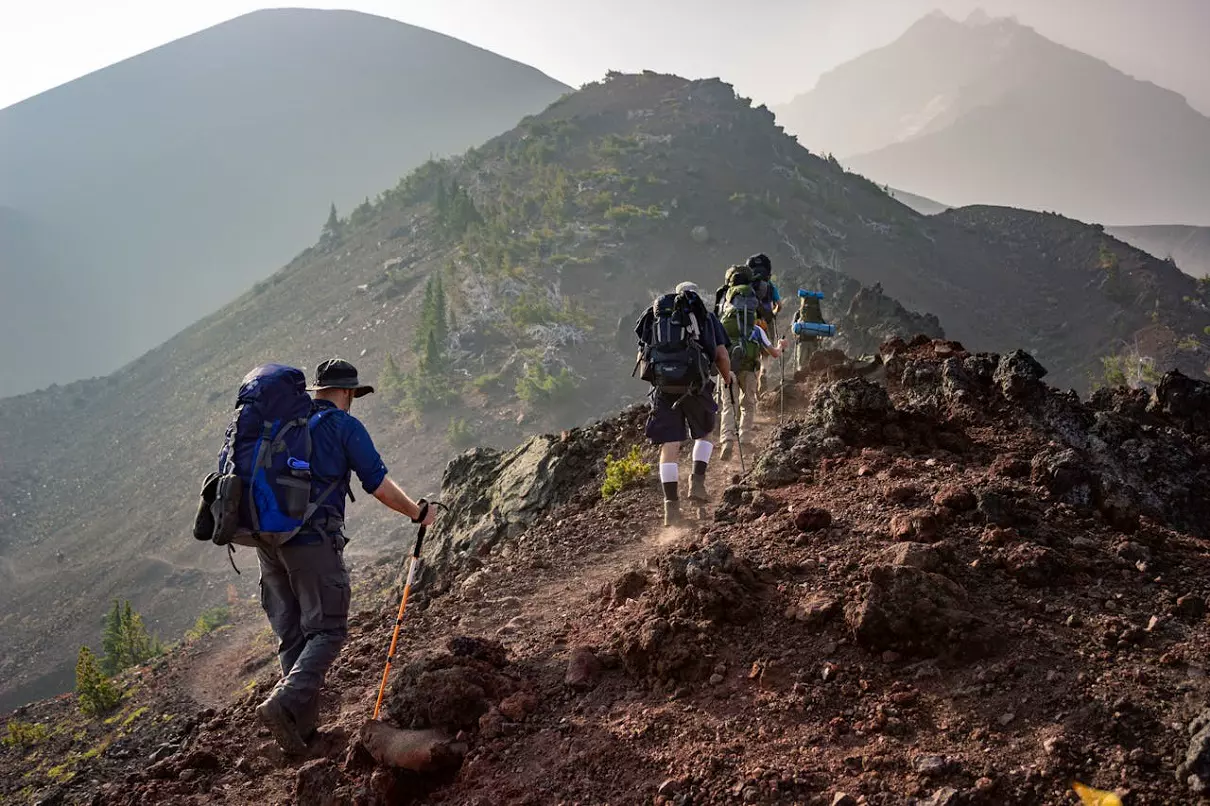
This Zion National Park hiking guide helps you stack up route distances, total elevation gains, and specific safety considerations side by side. You can weigh easy family walks, moderate canyon viewpoints, and strenuous bucket-list challenges to make a trip-planning decision that actually fits your group. Each trail’s demands are broken down so you can match the right hike to your timeline, footwear, and ability level. You’ll also find current safety data, recent incident trends, and practical advice for handling emergencies in the backcountry. The bottom line? Matching your real capabilities to the right trail makes for a far smoother experience inside the canyon.
Overview of Hiking in Zion National Park
Hiking in Zion demands careful logistical prep because visitor volume directly shapes trail accessibility, parking availability, and overall safety. Understanding how the park operates helps you reach your desired trailhead without burning half the morning on unexpected delays. Before diving into specific trail stats, it’s worth recognizing the general environmental hazards and park regulations that affect daily hiking conditions. Things can shift quickly out here, and preparing for those variables is the foundation of a solid trip plan.
What Visitors Should Know Before Choosing a Trail
Here are the key factors that’ll shape your day on the trail:
- Shuttle access: Many popular trailheads in Zion Canyon are only reachable via the mandatory shuttle system during the main visitor season.
- Permits: Angels Landing requires a permit for the final section with the chains, and rangers enforce this at the Scout Lookout checkpoint. No permit, no passage.
- Heat: Summer temperatures frequently exceed 38°C (100°F), making early-morning starts and extra water non-negotiable.
- Flash floods: The Narrows and other slot canyons can close suddenly or turn deadly during summer monsoons and unexpected storms.
- Exposure: Several moderate and strenuous trails feature narrow sections and steep drop-offs, where a single misstep can result in serious injury.
- Footing: Uneven sandstone, loose sand, and wet surfaces significantly increase the risk of slips. You’ll want footwear with aggressive traction.
- Closures: Trail access changes due to rockfalls, search-and-rescue operations, or routine maintenance. Always make a final check of the official park website before heading out.
Quick Trail Comparison Table
| Pa’rus Trail | Easy | 3.5 mi / 5.6 km | Minimal | 1–2 hrs | Families, strollers, biking | Low exposure; watch for heat |
| Riverside Walk | Easy | 2.2 mi / 3.5 km | 57 ft / 17 m | 1–1.5 hrs | Scenic canyon walk | Can be crowded; caution near river’s edge |
| Lower Emerald Pool Trail | Easy | 1.2 mi / 1.9 km | 69 ft / 21 m | 0.5–1 hr | Short scenic walk | Wet, slippery surfaces possible |
| Canyon Overlook Trail | Moderate | 1 mi / 1.6 km | 163 ft / 50 m | 1 hr | Big views, short hike | Drop-offs; railings in some sections |
| Watchman Trail | Moderate | 3.3 mi / 5.3 km | 368 ft / 112 m | 2 hrs | Sunrise/sunset views | Heat and sun exposure |
| Kayenta Trail | Moderate | 2 mi / 3.2 km | 150 ft / 46 m | 1–2 hrs | Connecting scenic route | Exposed edges in some sections |
| Sand Bench Trail | Moderate | 3.9 mi / 6.2 km | 460 ft / 140 m | 2–3 hrs | Avoiding heavy crowds | Deep sand increases fatigue |
| Angels Landing | Strenuous | 5.4 mi / 8.7 km | 1,488 ft / 454 m | 4–5 hrs | Iconic thrill hike | Severe drop-offs; permit required |
| The Narrows Bottom-Up to Big Springs | Strenuous | Up to 9.4 mi / 15.1 km | Gradual | 6–8 hrs | Slot canyon experience | Flash flood risk, cold water, unstable footing |
| Observation Point via East Mesa | Moderate/Strenuous | 7 mi / 11.3 km | ~700 ft / 213 m | 3–4 hrs | Big overlook without chains | Sun exposure; check route access |
*Trail access, permit rules, and closures are subject to change. Check the official Zion National Park website for current conditions before hiking.
Easy Zion Trails
Easy trails in Zion feature minimal elevation gain, wider paths, and low exposure to steep edges. These routes work well for families, visitors with limited mobility, and anyone still adjusting to the desert climate. Don’t let the “easy” label fool you into skipping preparation, though. You still need to manage sun exposure and carry plenty of water, even on a flat two-mile stroll.
Pa’rus Trail
Difficulty: Easy
Distance: 3.5 mi / 5.6 km
Elevation Gain: Minimal
Time Commitment: 1–2 hours
Best For: Families, strollers, bicycles, and wheelchairs
The Pa’rus Trail is the only fully paved, multi-use trail in Zion National Park, and it’s the one trail where you can bring your dog on a leash. It winds directly alongside the Virgin River, offering a safe, low-exposure walk with excellent views of the Watchman formation. Because it connects the South Campground to Canyon Junction, it’s a hugely convenient option during the busy shuttle season when getting around the park can feel like a logistics puzzle.
Fair warning: there’s almost no shade along the path, so morning or late evening is your best window for comfort. The wide, flat surface also makes it an ideal warm-up for visitors adjusting to the altitude and dry air before tackling something more ambitious.
Riverside Walk
Difficulty: Easy
Distance: 2.2 mi / 3.5 km
Elevation Gain: 57 ft / 17 m
Time Commitment: 1–1.5 hours
Best For: Casual visitors seeking dramatic canyon scenery
The Riverside Walk serves as the main gateway to The Narrows, starting at the Temple of Sinawava shuttle stop. The trail runs relatively flat alongside the Virgin River, passing hanging gardens, weeping walls, and towering canyon walls that make you feel like you’ve walked into a postcard. Because the scenic payoff is enormous and the physical barrier is low, this route gets crowded throughout the day. Expect company.
While it’s mostly paved, minor sand and water runoff can create slippery patches near the water’s edge, so watch your step. It delivers an immersive canyon experience without demanding an all-day commitment, which is exactly why it stays so popular.
Lower Emerald Pool Trail
Difficulty: Easy
Distance: 1.2 mi / 1.9 km
Elevation Gain: 69 ft / 21 m
Time Commitment: 0.5–1 hour
Best For: Families and quick scenic stops
This short path leads to a lush oasis where a light waterfall typically cascades over an overhanging cliff face. It’s the shortest and most accessible segment of the broader Emerald Pools network, making it a popular choice for families with younger kids or anyone short on time. The paved trail transitions to wet, uneven rock near the pool, so careful foot placement is essential to avoid a slip. Park officials occasionally close this section due to rockfall or heavy trail maintenance, so check the current status boards at the visitor center before hopping off at the Zion Lodge shuttle stop.
Moderate Zion Trails
Moderate trails ask more of you physically and mentally. You’ll need sturdy footwear, a clear understanding of your surroundings, and a willingness to navigate uneven rocky stairs and sections of moderate exposure near cliffs. Budget extra time for these hikes so you can manage fatigue and deal with crowded choke points without feeling rushed. Sound doable? Good. These trails offer some of the best views in the park for the effort.
Canyon Overlook Trail
Difficulty: Moderate
Distance: 1 mi / 1.6 km
Elevation Gain: 163 ft / 50 m
Time Commitment: 1 hour
Best For: Visitors seeking major views for a short effort
The Canyon Overlook Trail sits directly above the Great Arch, delivering sweeping views of lower Zion Canyon without a full-day ascent. Don’t let the short distance trick you into thinking it’s easy. The path involves uneven stone steps, sandy patches, and immediate exposure to drop-offs. Some sections have protective guardrails, but the route still demands caution, especially when squeezing past other hikers on the narrow bits.
Getting to the trailhead means driving a personal vehicle through the Zion-Mount Carmel Tunnel, since the park shuttle doesn’t service this location. Parking is extremely limited (think eight to ten spots), so arriving very early or later in the afternoon is strongly advised.
Watchman Trail
Difficulty: Moderate
Distance: 3.3 mi / 5.3 km
Elevation Gain: 368 ft / 112 m
Time Commitment: 2 hours
Best For: Sunrise or sunset photography and general conditioning
Starting near the main visitor center, the Watchman Trail provides a steady, moderate climb up the eastern side of the canyon. The route opens up expansive views of Watchman Peak, the Towers of the Virgin, and the town of Springdale below. Because the trail lacks heavy tree cover, you’ll face serious sun exposure during the middle of the day; think of it as hiking inside a toaster oven around noon in July.
Proper heat management is critical here. Bring more water than you think you’ll need and wear a wide-brimmed hat. It remains a solid pick for visitors who want a satisfying climb without boarding the canyon shuttle.
Kayenta Trail
Difficulty: Moderate
Distance: 2 mi / 3.2 km
Elevation Gain: 150 ft / 46 m
Time Commitment: 1–2 hours
Best For: Connecting the Emerald Pools and the Grotto
The Kayenta Trail is an unpaved, scenic dirt-and-rock connector that skirts the western wall of the canyon. It delivers beautiful mid-level views of the Virgin River but requires constant attention to footing thanks to loose sand and exposed edges. Even moderate trails in Zion can carry serious consequences. Case in point: a hiker recently survived a 35-foot fall from the Kayenta Trail and was impaled by a branch before being airlifted to safety.
The takeaway? Stay focused on the path and resist the urge to back toward cliff edges for a better photo angle. The route ends at the Emerald Pools, which allows hikers to create a loop back to the Zion Lodge.
Observation Point via East Mesa
Difficulty: Moderate/Strenuous
Distance: 7 mi / 11.3 km
Elevation Gain: ~700 ft / 213 m
Time Commitment: 3–4 hours
Best For: Experiencing massive canyon views without chains
This route approaches the famous Observation Point from the plateau behind the canyon, letting you bypass the grueling elevation gain of the traditional East Rim approach. The payoff at the end is a dramatic vantage point that actually looks down onto Angels Landing, giving you bragging-rights views without clinging to chains over a 1,000-foot void.
You’ll need to arrange a private shuttle or drive a high-clearance vehicle down dirt roads outside the park boundaries to reach the East Mesa trailhead. The trail itself is mostly flat and forested until the final viewpoint, but summer heat can still cause significant fatigue over the seven-mile distance. Access conditions change frequently based on rain and road rutting, so checking local reports before you go is a must.
Strenuous Zion Trails
Strenuous trails test your endurance, your balance, and your psychological comfort with severe heights. These routes require significant water, appropriate footwear, and strict adherence to park regulations. Taking them lightly often leads to heat exhaustion, severe dehydration, or emergency interventions. If you’ve ever wondered why parks post those “people have died here” signs, these are the trails that earned them.
Angels Landing
Difficulty: Strenuous
Distance: 5.4 mi / 8.7 km
Elevation Gain: 1,488 ft / 454 m
Time Commitment: 4–5 hours
Best For: Thrill-seekers comfortable with extreme exposure
Angels Landing is one of the most famous and psychologically intense hikes in the United States. The final half-mile involves gripping anchored chains as you navigate a narrow sandstone ridge with drops of over 1,000 feet on either side. According to recent reporting, roughly 20 deaths have occurred along the route since it opened, with over half happening since 2000. Park officials maintain that the overall risk of falling remains low when hikers act responsibly and use extreme care, but those numbers still demand respect.
To address hazardous congestion along the slender ridge, the National Park Service has implemented a mandatory reservation system for anyone wishing to climb the chained route. Plan accordingly; permits go fast.
The Narrows Bottom-Up
Difficulty: Strenuous
Distance: Up to 9.4 mi / 15.1 km
Elevation Gain: Gradual
Time Commitment: 6–8 hours
Best For: A unique, physically demanding slot canyon experience
Hiking The Narrows means walking directly in the flowing waters of the Virgin River over highly uneven, slippery river rock. The distance is flexible (you can turn around whenever you choose), but don’t underestimate how exhausting it is to push against moving water for hours. Navigating this terrain safely requires specialized canyon footwear; recent travel guidelines urge hikers to wear neoprene booties and closed-toed shoes for the trek.
You absolutely need to monitor weather reports before and during the hike, because the canyon becomes a deadly trap during flash floods. Rangers also strongly recommend bringing a sturdy walking stick for balance and checking current flow rates at the visitor center before starting.
Sand Bench Trail
Difficulty: Moderate/Strenuous
Distance: 3.9 mi / 6.2 km
Elevation Gain: 460 ft / 140 m
Time Commitment: 2–3 hours
Best For: Avoiding crowds and seeing lower canyon formations
The Sand Bench Trail is an excellent alternative when popular routes get overcrowded or closed due to hazards. For context, a major 2026 rockfall heavily damaged the East Rim Trail through Echo Canyon, forcing hikers to seek other strenuous routes. Recent travel coverage highlighted Sand Bench as a less-crowded option, noting that it provides sweeping scenery of the Court of the Patriarchs without the typical Zion crowds.
One catch: the path is deeply covered in loose sand, making every single step significantly more taxing than hiking on solid dirt or rock. Your calves will know it. Equestrian tours also frequently use this path, so you’ll need to yield the right-of-way to horses when you encounter them.
Zion Hiking Safety and Recent Incident Trends
Safe hiking in Zion comes down to respecting the environment and being honest about your own physical limits. The combination of intense heat, vertical terrain, and sudden weather shifts creates a uniquely demanding atmosphere. Looking at recent injury data helps you recognize patterns and prepare more effectively, so let’s dig into what the numbers actually say.
Why Zion Demands More Preparation Than Many Parks
Zion Canyon is, in practical terms, a massive heat-trapping trench. Steep sandstone walls amplify summer temperatures and radiate heat long after the sun dips. High visitor volume means trailheads stay consistently crowded, shuttle logistics eat into your morning, and movement on narrow paths can slow to a crawl. The park is experiencing a major travel boom, making transportation planning and permit awareness essential parts of any visit.
On top of that, slick rock surfaces, sudden drop-offs, and unpredictable monsoon storms increase the terrain’s objective risk. You can significantly reduce your outdoor risks by reviewing local weather conditions before departing and ensuring you pack appropriate equipment. If you’ve ever been caught in a desert thunderstorm on exposed rock, you already know why this matters.
What the Injury Data Shows
Understanding the reality of wilderness injuries underscores just how important proper footwear and situational awareness really are. An estimated 4,000 to 5,000 hiking injuries happen annually across the United States. A significant chunk of those come from simple missteps on uneven terrain; slips and falls account for roughly 50% of all hiking injuries.
These accidents put a heavy burden on emergency responders. In 2022 alone, there were 301 fatalities, 26 missing persons, and 1,306 rescues involving hiking-related injuries nationwide. Because hikers so often underestimate the support their ankles need on rocky trails, the ankle is the most injured body part, accounting for 42% of hiking injuries. That stat alone should make you think twice about wearing trail runners on a route like Angels Landing.
Practical Risk Factors in Zion
The primary risk factors in Zion come down to three things: poor heat management, inadequate footwear, and losing balance near exposed edges. A recent surge in trail accidents prompted a Utah foot and ankle center to issue a safety warning, attributing many falls in places like Zion to preventable ankle instability and poor trail conditioning.
Hikers also frequently push past their safe turnaround time, leaving them exhausted for the descent when leg muscles are at their weakest. That’s when most falls happen. Entering closed areas or ignoring flash flood warnings in The Narrows drastically compounds the danger. Sticking to park regulations and packing appropriate gear prevents many common canyon emergencies.
What to Do If Someone Falls or Is Seriously Injured on a Zion Trail
When an accident happens in a remote canyon, emergency response time depends on your location, the weather, and available resources. Knowing exactly how to react can preserve life and help prevent secondary accidents. Calm, decisive action makes a real difference in outcomes.
Immediate Emergency Steps
If a severe fall occurs, immediately assess the scene for safety before approaching the victim; you need to avoid triggering a secondary rockfall or slip. Call 911 if you have cell service, or send a capable, fast hiker to notify the nearest park ranger or shuttle driver. Don’t move a person with suspected head, neck, spine, or major leg injuries unless they’re in immediate, life-threatening danger.
Protect the injured person from extreme canyon heat or cold while waiting, and control any severe bleeding with direct pressure. Keep in mind that rescue operations are resource-intensive. Some estimates place the cost of complex helicopter evacuations at around $12,000, which is another reason to take preparation seriously before you hit the trail.
After the Emergency
Once the injured person reaches safety, they should get a full professional medical evaluation, even if they feel their condition is stable. Adrenaline is remarkably good at masking the true severity of internal injuries, concussions, or hairline fractures sustained during a major fall. If it’s safe to do so, take photographs of the immediate trail conditions, relevant signage, and the precise location where the incident occurred.
Be sure to collect full names and reliable phone numbers from any bystanders or professional outfitters who observed the incident. Maintaining a clear timeline of events and retaining all medical records simplifies any necessary follow-up reporting to park authorities.
When Outside Negligence May Be a Factor
In most Zion trail accidents, no one else is legally responsible for the slip or fall. But if a serious injury involved possible negligence by a private guide company, shuttle operator, or another commercial third party, it can help to speak with a hiking injury lawyer who can evaluate what happened, preserve evidence, and explain whether compensation may be available for medical costs and other losses. Legal professionals can help injured parties identify liability when commercial operators fail to maintain safe equipment or enforce required safety standards.
Regardless of the circumstances, reporting the incident to the relevant park authorities remains a necessary step for official documentation. Keeping accurate medical receipts and evacuation records helps build a clear account of the financial impact following the event.
Best Zion Hikes Summarized
Choosing the best trail depends on your available time, fitness level, and tolerance for crowds and heights. This quick summary helps you zero in on the most suitable route for your group. Always verify trail accessibility with rangers when you arrive at the park.
| Best Easy Hike | Pa’rus Trail | Paved, highly accessible, low exposure |
| Best Short Scenic Hike | Canyon Overlook Trail | Big aerial views in a short distance |
| Best Family Option | Riverside Walk | Flat, dramatic canyon scenery near the river |
| Best Moderate Viewpoint | Observation Point via East Mesa | Huge canyon overview without the chains |
| Best Thrill Hike | Angels Landing | Iconic route with extreme exposure and drop-offs |
| Best Water Hike | The Narrows | Uniquely immersive slot canyon river experience |
Zion Hiking FAQs
1. What’s the best easy hike in Zion National Park?
The Pa’rus Trail is widely considered the best easy hike because it’s paved, relatively flat, and suitable for strollers and bicycles. It offers a great introduction to the canyon without steep drop-offs.
2. Which Zion hike has the best views for a short effort?
The Canyon Overlook Trail is a hugely popular choice for quick views. It offers dramatic views of lower Zion Canyon on a one-mile round-trip.
3. Do I need a permit for Angels Landing?
Yes. You need to secure a permit in advance to access the chained section of Angels Landing.
4. Is Angels Landing dangerous?
It can be, due to narrow sections, metal chains, and steep drop-offs of over 1,000 feet. It’s only appropriate for hikers who are fully comfortable with heights and major exposure.
5. Is The Narrows harder than it looks?
Absolutely. Walking against the current through water and over unseen, uneven rocks makes The Narrows far more physically exhausting than most people expect.
6. What’s the safest hike in Zion for families?
The Pa’rus Trail and Riverside Walk are among the safest family-friendly choices. They feature lower exposure, wider paths, and straightforward navigation.
7. Can beginners hike the Canyon Overlook Trail?
Some beginners can handle it safely, but they should expect uneven footing, rock steps, and sections near exposed edges. Decent balance and sturdy footwear are must-haves.
8. What trail should I choose instead of Angels Landing?
Observation Point via East Mesa is a strong, highly scenic alternative. It gives you massive canyon views without navigating a chained ridge.
9. How much water should I bring for hiking in Zion?
It varies by season and trail length, but always carry more than you expect to need. A general guideline is one gallon per person per day during the summer heat.
10. Are Zion trails affected by flash floods?
Yes. The Narrows and other slot canyons become extremely dangerous and often close during storms or sudden runoff events.
11. What shoes are best for Zion hiking?
Sturdy, closed-toe hiking shoes with excellent traction are best for the dry trails. For The Narrows, hikers typically use specialized canyon booties or rented water shoes with good grip.
12. Can trails close suddenly in Zion?
Yes. Park officials frequently close trails due to unexpected rockfalls, active rescues, severe weather, or necessary maintenance.
13. When is the best time of day to hike in Zion?
Early morning is usually your best bet during warmer months. Temperatures stay lower, and parking or shuttle access is significantly easier to manage.
14. Are there many hiking rescues in Zion?
Zion regularly responds to rescues, particularly during the busy summer season and periods of extreme heat. Solid physical preparation and carrying adequate water drastically reduce this risk.
15. What should I do after a serious trail injury?
Get emergency medical help immediately, document the location and conditions if it’s safe to do so, and seek a full hospital evaluation. If a third-party commercial entity contributed to the accident, seeking legal advice may also be helpful.
Choosing the Right Zion Trail
Zion National Park offers rewarding options for every ability level, from accessible riverside walks to intense vertical climbs that’ll test everything you’ve got. You’ll have a better experience if you match your trail choice to your actual physical fitness, your comfort with high exposure, and current permit logistics rather than just picking whatever shows up first on Instagram. Reviewing park conditions, packing sufficient water, and genuinely respecting the terrain help ensure a memorable and safer adventure. A realistic understanding of the canyon’s demands is, ultimately, the key to a successful trip.