How Travelers Plan a Bike Tour Through Portugal’s National Parks
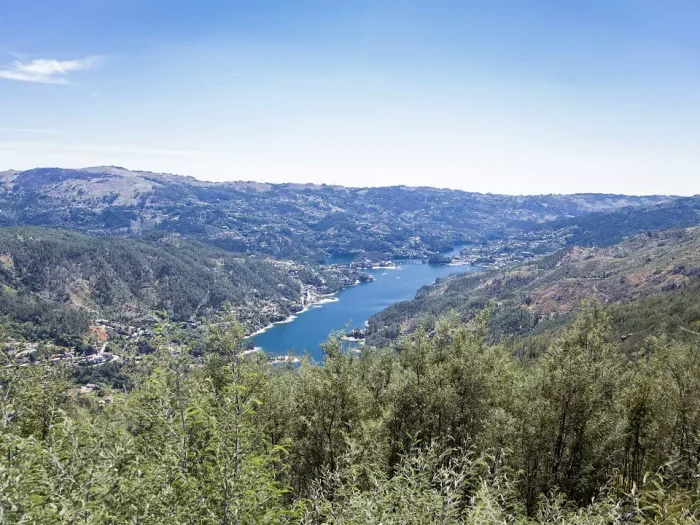
Portugal’s protected-area network is more substantial than most international travelers realise. The country has one continental national park (Peneda-Gerês, in the far north on the Spanish border), thirteen natural parks (including Sintra-Cascais, the Algarve’s Ria Formosa and Costa Vicentina, the Serra da Estrela in the central interior, and the Alvão and Montesinho parks in the north), and dozens of protected-area and reserve designations across Madeira and the Azores. The bike-tour category that has built up around these parks over the past fifteen years now includes well-organised multi-day operations covering the Peneda-Gerês mountains, the Serra da Estrela trails, the Costa Vicentina coast, and the Alentejo plains, with route notes, accommodation, and luggage transfer handled at standards that compare favourably with the better-known cycling regions of southern France or Tuscany.
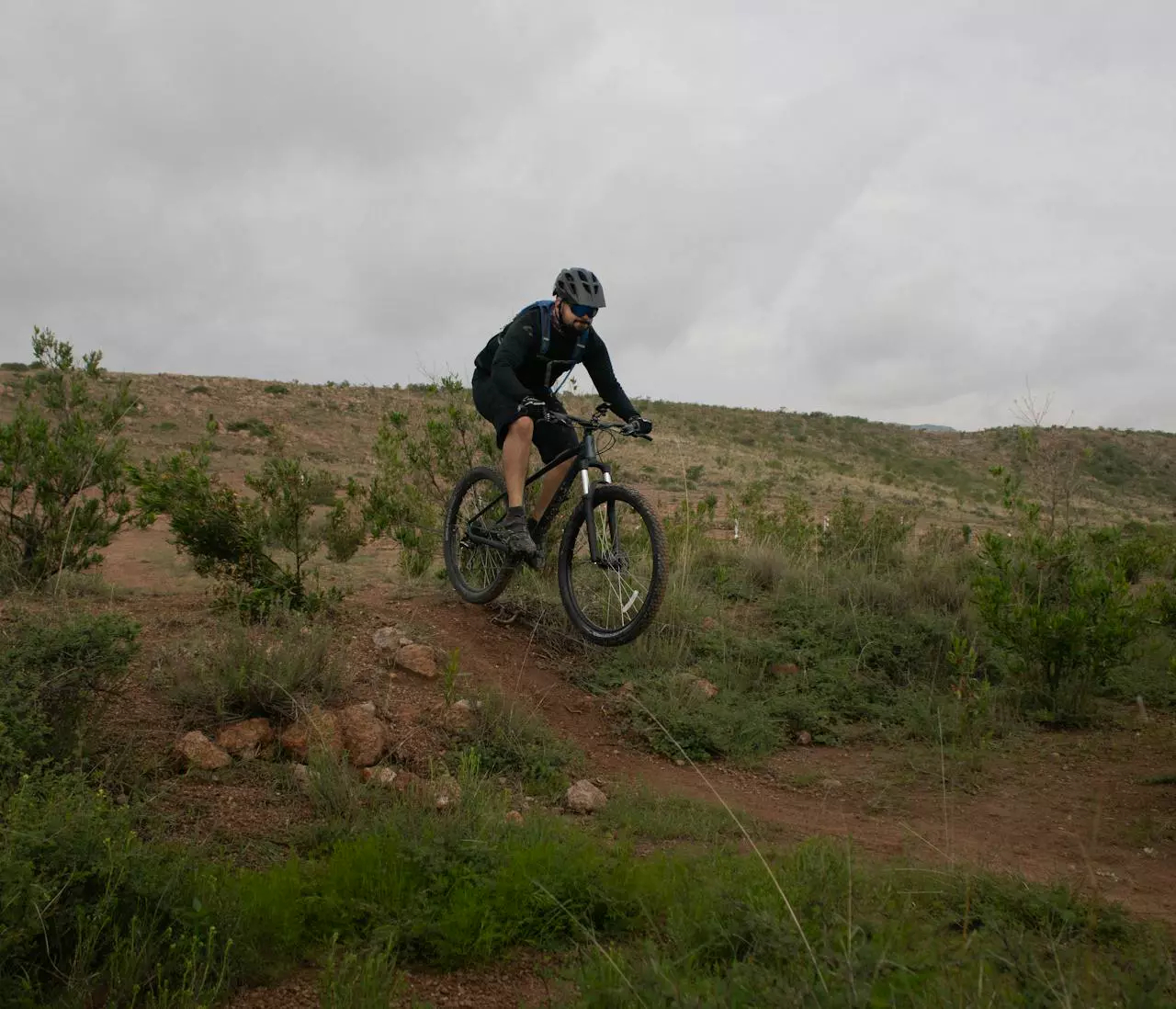
Travelers planning a national-park-focused trip to Portugal benefit from a clearer view of how the bike-tour layer actually works, which parks reward the bike approach over hiking or driving, and how the booking calendar lines up against the seasonal weather patterns. The itineraries offered by specialised operators like Top Bike Tours Portugal have standardised on a recognisable set of route designs, accommodation arrangements, and timing recommendations that travelers should understand before booking the flights. Portugal’s parks are not as crowded as the headline US or European national parks, the cycling infrastructure is more developed than the parks’ international profile suggests, and the planning rewards a few hours of preparation more than most trip categories do.
Why Does the Bike Tour Approach Work Well for Portugal’s Parks?
The first thing to understand is that Portugal’s protected areas were largely shaped by traditional human settlement (terraced agriculture, transhumance trails, riverside paths) rather than the wilderness-preservation ethos that shaped many US national parks. The trail network that traverses the parks is consequently dense, well-connected, and historically used for moving between villages on foot, by mule, or by bicycle. This makes the parks unusually well-suited to multi-day bike tours rather than the trailhead-and-back-to-the-car day-hiking model that dominates US national park visits.
The infrastructure that supports a bike-tour approach:
The trail network in Peneda-Gerês alone spans hundreds of kilometres of marked routes connecting traditional villages, with overnight accommodation in restored stone cottages, family-run guesthouses, and rural quintas. Routes range from gentle valley rides at 200 to 400 metres elevation to the more demanding mountain crossings at 1,200 to 1,500 metres.
The Sintra-Cascais Natural Park west of Lisbon offers a coastal-and-forest combination that fits cleanly into a 2 or 3 day bike trip, with the cycling distances short enough to allow detours into the Sintra palaces, the Cabo da Roca cliffs, and the Atlantic-facing villages.
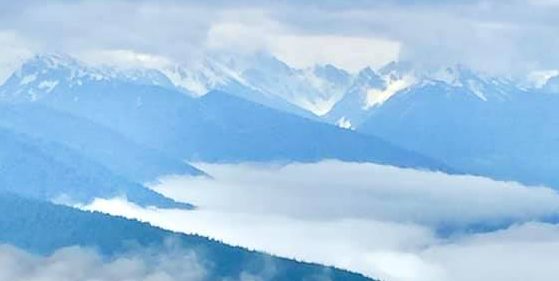
The Serra da Estrela in central Portugal carries the country’s highest peaks (the highest mainland Portuguese summit at Torre, 1,993 metres) and supports both gentle valley routes and demanding alpine climbs, with traditional shepherd-village accommodation along the way.
The Costa Vicentina, the wild Atlantic coast of the Algarve and Alentejo, supports the well-known Rota Vicentina trails that combine cycling and walking sections, with the Fishermen’s Trail running clifftop and the Historical Way moving inland through cork-oak forests and small villages.
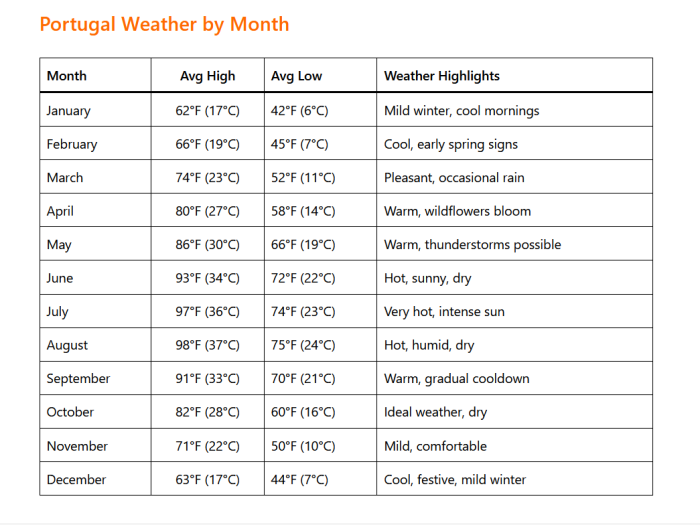
The same monthly-weather lens that travelers apply when reading a Portugal weather by month guide extends naturally to bike-tour timing. The cycling season for the southern parks runs October through May (summer is too hot); the Peneda-Gerês mountains run April through October (winter brings rain and occasional snow at altitude); the Serra da Estrela higher routes run May through October.
A definition useful here: a self-guided bike tour is a structured trip where the operator provides the route, the accommodation, and the luggage transfer between overnight stops, but the cyclist rides the daily route alone or with companions, without a live guide. A guided bike tour is the same trip with a professional cycling guide accompanying the group each day. Self-guided is the more popular choice in Portugal because the routes are well-marked and most cyclists prefer the flexibility of setting their own pace.
What Are the Main National-Park Bike Tour Regions in Portugal?
Portugal’s bike-tour category clusters around four park-and-protected-area regions, each with its own profile.
- Peneda-Gerês National Park (north, Spanish border): Portugal’s only continental national park, with the most-developed bike-tour infrastructure of the protected areas. Multi-day routes range from 4 to 9 days, with daily distances of 30 to 60 kilometres and elevation gains of 300 to 1,200 metres per day depending on the route choice. The terrain is genuinely mountainous; e-bikes are increasingly common.
- Sintra-Cascais Natural Park (west of Lisbon): The most-trafficked of the Portuguese protected areas because of its proximity to the capital. A 2 to 4 day bike trip covers the Sintra palaces, the forested ridges, and the Cabo da Roca coast, with daily distances of 25 to 45 kilometres on a mix of forest tracks and quiet roads.
- Serra da Estrela Natural Park (central interior): Portugal’s highest mountain region, with bike routes ranging from valley rides through traditional villages to demanding climbs near the country’s highest peak. Most operators run 5 to 7 day trips, with the option to combine valley and mountain routes for cyclists with mixed fitness levels.
- Costa Vicentina (Algarve and Alentejo Atlantic coast): The Rota Vicentina trail network supports a 7 to 10 day cycling-and-walking experience along the wild Atlantic coast, with the Fishermen’s Trail running clifftop and the Historical Way moving inland through cork-oak country. The category leader for the Atlantic-coast experience.
The Lisbon-region traveler often pairs a Sintra-Cascais natural-park bike trip with a few city days in Lisbon itself; the Lisbon weather by month framing applies to both the city sightseeing and the start-of-trip timing for the bike portion. The October-November and March-May windows tend to deliver the cleanest weather for both the city and the natural-park routes.
The U.S. State Department’s Portugal country information page covers the broader entry and emergency-contact framework that travelers should know, and UNESCO’s World Heritage listing for the Alto Douro Wine Region covers the cultural context that makes the longer Douro Valley bike-and-wine routes particularly worth the time.
How Should Travelers Book a Portugal National-Park Bike Tour?
The booking pattern that produces the best outcomes follows a recognisable shape.
The first decision is the park and the season. A traveler who wants Peneda-Gerês mountains needs to book for late spring or early autumn; a traveler who wants the Algarve coast needs to book for autumn through spring; a traveler who wants the Serra da Estrela needs to book for late spring through early autumn.
The second decision is the operator. The bike-tour category in Portugal has matured to the point that most international travelers choose between four to six well-reviewed operators rather than dozens. The differences are real: route quality, accommodation standard, luggage-transfer reliability, and the support-line availability when something goes wrong on the trail.
The third decision is the itinerary length. A first-time Portugal cycling traveler often does best with a 6 to 8 day trip; an experienced cyclist comfortable with the daily distances can extend to 10 or 12 days. Trips longer than that often produce fatigue that takes the joy out of the last few days.
The booking timeline that works:
- 4 to 6 months ahead for the most-popular routes in peak season (Peneda-Gerês in May–June, Costa Vicentina in March–April)
- 2 to 3 months ahead for shoulder-season trips on the same routes
- 6 weeks ahead for less-popular routes or off-season windows
Booking inside a month of departure is sometimes possible but usually means accommodation compromises and a reduced choice of operator.
What Should Travelers Look For in a Portugal Bike Tour Operator?
A short checklist for picking an operator before the trip is paid.
A documented route description with daily distances, elevation profiles, and photographs of representative sections. Operators who produce this in a clear PDF tend to also produce a clear trip on the ground.
Accommodation that is consistent across the trip. The cyclist who alternates between a four-star hotel one night and a hostel the next loses the rhythm of the trip; the better operators standardise on a single tier (small hotels, quintas, or guesthouses) so each evening feels predictable.
A documented luggage-transfer protocol with named pickup times and a phone number for the day-of-transfer contact. Lost luggage on a self-guided bike tour is the most common operator failure and the easiest to avoid by checking the protocol before booking.
E-bike availability. The Peneda-Gerês and Serra da Estrela routes carry meaningful elevation, and e-bikes have become a standard option for cyclists who want to cover the same routes without the alpine climb consuming the energy reserves. About 40 to 60 percent of self-guided cyclists on the mountainous Portuguese routes now choose e-bikes; the percentage is lower for the Costa Vicentina coast where the elevation is gentler.
A clear cancellation and weather-contingency policy. Portugal’s weather is generally cooperative for the cycling seasons, but the Atlantic coast can produce a windy or wet stretch that makes a particular day’s ride genuinely unpleasant. The operator’s policy on rest days, alternative routes, or refunds for weather-affected trips should be documented in writing.
Reviews from international cyclists rather than only domestic Portuguese reviews. The international cyclist’s experience is a useful filter for the operator’s English-language support, currency handling, and customer-service responsiveness.
A reasonable price range. A 7-day self-guided national-park bike tour in Portugal in 2026 typically runs €1,000 to €1,800 per person inclusive of accommodation, breakfast, most dinners, luggage transfer, route documentation, and bike rental. A premium operator with four-star accommodation and a fuller meal package runs €1,800 to €2,800. A price meaningfully below €1,000 usually signals corner-cutting on accommodation or route quality.
What Common Mistakes Do Travelers Make Around Portugal National Park Bike Tours?
A short list of recurring mistakes that surface in operator post-trip surveys.
Underestimating the elevation. Portugal’s mountainous parks (Peneda-Gerês, Serra da Estrela) carry meaningful elevation, with daily climbs of 800 to 1,500 metres on the more demanding routes. Cyclists who book a mountain itinerary without checking the elevation profile sometimes discover the difficulty on day two rather than at home.
Booking too short an itinerary for a long-haul flight. A traveler flying from North America or Australia who books only a 5 day bike tour spends as much of the trip in transit as on the bike. The 8 to 12 day window is what produces the trip-to-flight value ratio worth the journey.
Skipping the training. The daily distances on Portuguese national-park bike tours run 30 to 60 kilometres for 6 to 10 consecutive days, achievable for most reasonably fit adults but only with some preparation. Cyclists who arrive without having done a few practice rides of similar distance discover the limitations on day three.
Choosing the wrong bike type. The cobblestone and gravel sections in some of the parks make the difference between a hybrid bike and a gravel-style bike meaningful. Operators who let the cyclist choose between standard hybrid, gravel, and e-bike options tend to deliver better rides than those with one-bike-fits-all rentals.
Mixing the bike trip with too many side trips. The cyclist who plans a Lisbon city break, then the bike tour, then a Porto city break, then a Douro day trip often arrives at each segment more tired than the last. The bike trip needs to be the centre of gravity for the visit, not one of four equal-weight segments.
Ignoring the food angle. Portugal’s regional cuisines (north for the hearty mountain food, the Alentejo for pork and game, the coast for seafood) are part of what makes the bike-tour evenings worth the previous day’s effort. Operators who include dinner at quality regional restaurants rather than generic hotel dining produce trips that cyclists remember a year later.
Frequently Asked Questions From Travelers Planning the Trip
What level of fitness do I need for a Portugal national-park bike tour?
Most operator itineraries assume a baseline of “comfortable cycling 30 to 50 kilometres on rolling terrain over a single day.” A cyclist who already does occasional 30-kilometre weekend rides can usually train up to that standard with 6 to 8 weeks of preparation. Cyclists with knee or hip issues should consider the Costa Vicentina coast (flatter) before the Peneda-Gerês mountains, or rent an e-bike for the mountain routes.
How does a national-park bike tour compare to a city-only Portugal trip?
The city trip covers Lisbon, Porto, and a few day-trip destinations from each. The national-park trip covers the protected areas that the city visitor rarely reaches. Most travelers who have done both prefer to combine the two on subsequent visits: city days at the start to ease the jet lag, then the bike trip in the natural parks, then a few wind-down days back in a city before flying home.
Can I bring my own bike or do I rent one from the operator?
Most travelers rent from the operator. The hassle and cost of flying a bike internationally usually exceeds the rental fee, and operators maintain bike fleets matched to the local terrain. Cyclists who insist on their own bike usually pay airline-level fees for the transport and arrive with a bike that may or may not be ideal for the specific route.
What if I get injured mid-trip and cannot complete the route?
The standard operator protocol is a transfer to the next accommodation by car or operator-arranged transport, with the missed day’s cycling simply skipped. Travel insurance covers any injury-related medical costs. Most operators do not refund the missed day directly but allow flexible re-routing for the rest of the trip.
A Final Note for Travelers Planning the Trip
Portugal’s national-park bike-tour category is one of the more rewarding international cycling experiences available, and the planning rewards travelers who pick the right region for the season, the right operator for the itinerary, and the right itinerary length for the flight investment. The cyclists who book carefully tend to come back from Portugal with a relationship to the country that the city-only trip does not produce. The protected-area network is more developed than the international profile suggests, the operators serving the cycling category have matured into a real specialty service, and the planning effort required is small compared with the experience-quality difference at the end of the trip.