
How to Use an Online Video Editor: A Step-by-Step Guide for Beginners
In today’s fast-paced digital world, video content plays a vital role in communication, marketing, and entertainment. Whether you’re a beginner or a professional, using a Video Editor online can simplify the editing process and help you create high-quality videos without installing heavy software. In this guide, we’ll walk you through everything you need to know about using an online video editor effectively.
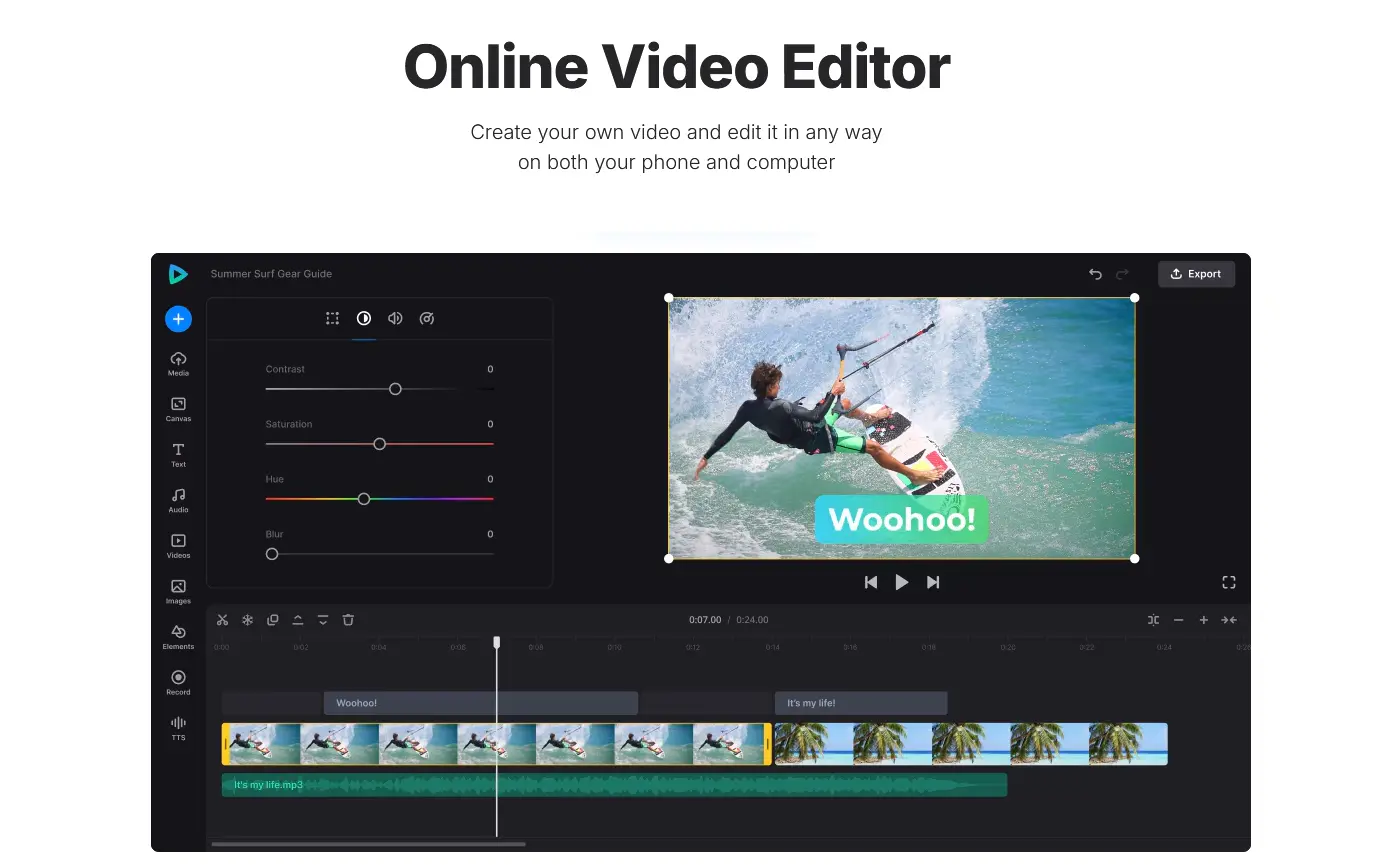
Table of Contents
- Why Using an Online Video Editor Matters
- What You Need to Get Started
- Basic Steps to Use an Online Video Editor
- Common Video Editing Techniques
- Best Online Video Editors for Beginners
- Benefits of Using an Online Video Editor
- Final Thoughts
1. Why Using an Online Video Editor Matters
Online video editors have transformed the way people create videos. Instead of downloading complex software, you can now edit videos directly from your browser.
These tools are designed to be user-friendly, making them perfect for beginners. They also save time and effort by providing ready-made templates, transitions, and effects that help you create professional-looking content quickly.
2. What You Need to Get Started
Before you begin editing your video, make sure you have the following:
- Stable Internet Connection: Essential for smooth editing and uploading.
- Video Footage: Clips recorded from your smartphone, camera, or screen.
- Online Video Editor Platform: Choose a tool that suits your needs.
- Basic Editing Skills: Understanding simple editing concepts will help a lot.
3. Basic Steps to Use an Online Video Editor
Editing videos online is simple if you follow these steps:
Step 1: Upload Your Footage
Start by uploading your video files to the editor. Most platforms support drag-and-drop functionality.
Step 2: Trim and Arrange Clips
Remove unwanted parts and arrange your clips in the desired sequence.
Step 3: Add Transitions and Effects
Use transitions like fades or slides to make your video flow smoothly. Add effects to enhance visuals.
Step 4: Add Text and Captions
Include titles, subtitles, or captions to provide context and improve engagement.
Step 5: Adjust Audio
Balance the sound, add music, or include voiceovers for a better viewing experience.
Step 6: Export Your Video
Once you’re done editing, export your video in the appropriate format and quality.
4. Common Video Editing Techniques
To make your videos more engaging, use these techniques:
- Speed Adjustment: Speed up or slow down clips for creative effects.
- Color Correction: Improve brightness, contrast, and color balance.
- Text Overlays: Highlight important information with on-screen text.
- Background Editing: Use green screen tools to change backgrounds.
5. Best Online Video Editors for Beginners
Here are some beginner-friendly tools you can try:
- Canva Video Editor – Great for templates and quick edits.
- Clipchamp – Offers powerful features with an easy interface.
- Kapwing – Ideal for social media content.
- Clideo – Simple and effective for basic editing tasks.
6. Benefits of Using an Online Video Editor
- Using an online video editor comes with several advantages:
- No Installation Required: Everything works in your browser.
- Easy to Use: Designed for beginners with simple interfaces.
- Accessible Anywhere: Edit videos from any device with internet access.
- Time-Saving: Quick edits with built-in tools and templates.
7. Final Thoughts
Online video editors have made video creation easier and more accessible for everyone. Whether you’re editing videos for social media, business, or personal projects, these tools provide a convenient and efficient solution.
With practice and the right platform, you can quickly master video editing and produce professional-quality content without needing advanced technical skills.