Seasonal Terrain Changes and Their Impact on Equine Mobility
Horseback riding is available in national parks from coast to coast. Some parks offer guided trail rides on rental horses. Many more allow riders to bring their own horses—and that’s where terrain and seasonal planning becomes critical for equine health.
A trail you rode last October on firm ground might greet you with ankle-deep mud five months later. That mud softens hooves, making them wear faster and creating conditions where bacteria can invade. Rocky mountain trails pound joints differently than sandy desert washes. Summer’s baked earth hits harder than spring’s cushioned ground. Winter slows hoof growth rates, which throws off your farrier schedule.
This article covers what happens to horses physically when terrain and seasons change. You’ll learn what to watch for, which problems show up most often, and how to match your management approach to the parks you actually ride. Some adjustments are timing changes with your hoof care professional. Others involve proactive support when horses work across demanding, varied conditions.

How Terrain Variation Affects Horses Physically
Impact forces from hoof strikes travel through leg structures differently depending on what’s underfoot. Hard surfaces affect bones and joints one way, soft surfaces another.
Rocky trails wear down hooves quickly and can cause sole bruising in horses not conditioned for that work. Mud creates a different problem—it softens hoof walls and gives bacteria different entryways for invasion. Hard-packed ground jars joints more than cushioned surfaces do. When horses constantly switch between terrain types, their bodies keep adapting and the stress accumulates.
To relieve their equine partner’s stress, plenty of riders settle for good old hoof care. But plenty of trail riders also use bone and tendon support when horses regularly work across demanding park terrain. For herbal approaches, riders can visit Silver Lining Herbs for supplements formulated around these physical demands.
Actually getting horses to those trails requires planning. Most national parks allow personal horses but don’t offer rentals at trailheads. Riders trailer their own, sometimes moving between parks seasonally to chase better conditions or just hauling out to access distant trail systems.
That transportation matters more than people think. A stressed horse after a rough trailer ride shows up already compromised. Moving horses in a safe and reliable way keeps them sound before they hit demanding terrain.
Seasonal Changes to Hoof Health and Integrity
Hoof growth doesn’t stay consistent year-round. Cold weather slows it down—what took six weeks between trims in July might stretch to eight or nine weeks by January. That six-week schedule you set up with your farrier in spring needs adjusting as winter approaches. Miss that timing and you’re either trimming too often (wasting money) or waiting too long (creating problems).
The transition between wet and dry seasons changes hoof structure itself. A hoof loses moisture as conditions dry out, but it doesn’t lose its natural oils at the same rate. That imbalance makes the wall brittle. You’ll see cracks show up that weren’t there before. The reverse transition causes problems too—hooves absorb water when wet conditions return, and that expansion can open up existing cracks. Riders who track seasonal change patterns can adjust their care approach before issues show up, not after.
Matching Horse Preparation to Park Terrain Types
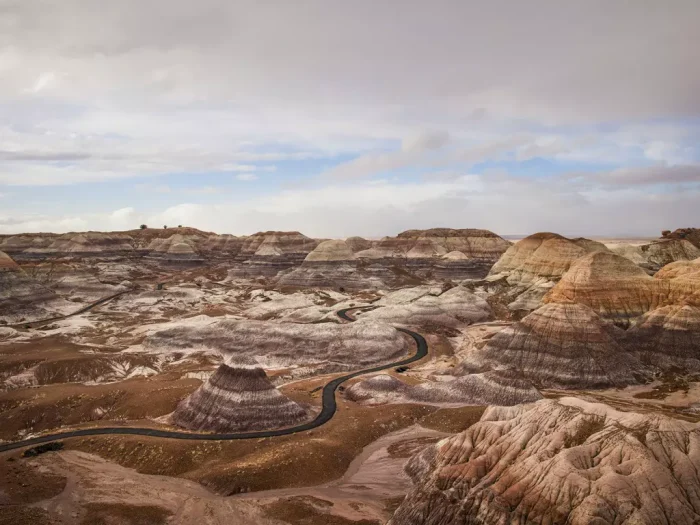
The national parks system covers extreme terrain variety—desert sand dunes, rocky mountain passes, forested valleys, alpine meadows. What works for Great Sand Dunes won’t work for Rocky Mountain. Similarly, Death Valley’s environment is nothing like the Great Smoky Mountains.
Rocky Mountain Terrain
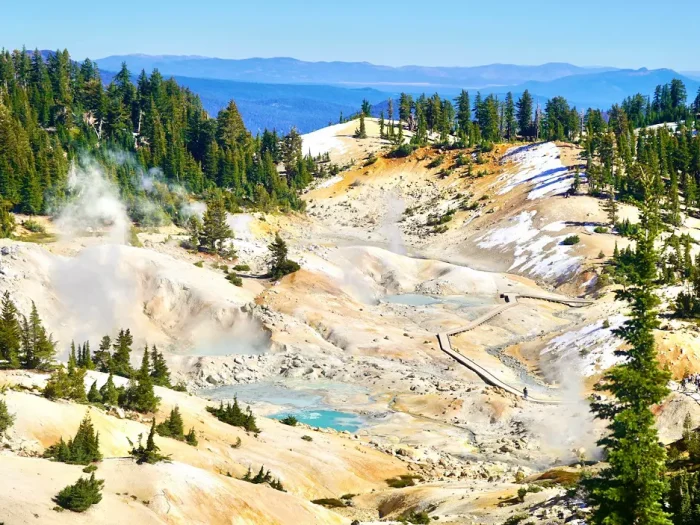
Rocky terrain demands the most from hooves. Some riders use boots for extra protection on particularly rough trails. Others go with shoes and traction devices to prevent slipping on steep grades. The key is matching protection level to how rocky the ground actually is and how much exposure your horse has had to that surface type.
Desert Environments
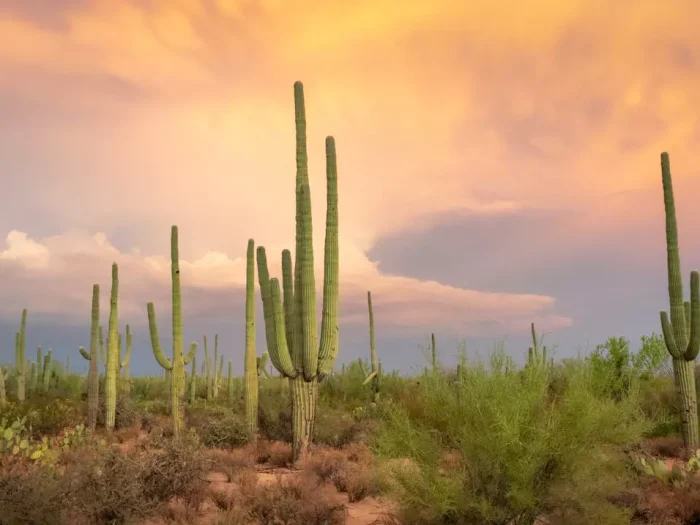
Heat management becomes the priority here. Canyonlands warns about excessive summer heat and unreliable water sources. Death Valley advises strong caution because of harsh terrain combined with lack of water. These aren’t places to test your horse’s limits—you need a plan before you trailer in.
Forested and Wet Conditions
Forested parks often mean wetter conditions, especially in spring. The Great Smoky Mountains get significant rainfall.The Olympic in Washington stays damp most of the year. Hooves stay softer in those environments, which circles back to the moisture management issues covered earlier.
Trail Documentation
Documenting conditions helps for return trips. Take photos of trail surfaces and water crossings on your first visit to a park. Those images tell you what to prepare for next time. For better trail documentation through photography, capturing details like ground texture and potential hazards makes those photos more useful than just scenic shots.
Planning Your Seasonal Riding Calendar
Thinking seasonally lets you ride more while protecting your horse. Home terrain follows predictable patterns—muddy springs, dry summers, frozen winters. When conditions at home aren’t ideal, other parks might be.
Seasonal Planning Strategies:
- Track your home terrain cycle. Note when mud season hits, when ground hardens, when footing gets best. That tells you when to look elsewhere.
- Time farrier visits around transitions. Schedule a visit before ground conditions shift significantly. Don’t let seasonal growth rate changes catch you off guard.
- Target high-elevation parks in summer. Rocky Mountain and similar parks become accessible once snowmelt clears trails. These offer relief from lowland heat.
- Skip parks with spring closure policies during wet months. If a park restricts stock use during mud season, plan that trip for summer or fall instead.
- Do pre-ride hoof checks. Before loading for a trip, assess condition. Cracks, sensitivity, or unusual wear patterns mean dealing with those issues before you leave, not at the trailhead.
Moving between parks based on season extends your riding year. Southern desert parks work in winter. Mountain parks work in summer. Planning around conditions instead of fighting them keeps horses sounder.
Keeping Horses Trail-Ready Year-Round
National parks offer trail riders something arena work never can—genuine terrain diversity that challenges horses physically and mentally. That variety comes with real demands on hooves, joints, and overall soundness.
The tools for managing those demands are available—adjust timing, match protection to conditions, support horses working hard, and get them to the trail safely. What matters is recognizing that terrain and seasons follow patterns you can learn and plan around.
Riders who approach it that way get more sound years from their horses. The physical stress is real—you can’t eliminate it. But planning around it beats reacting to it, which is how you keep riding new trails year after year without preventable problems cutting your season short.