Waterton Lakes National Park: The Complete Guide to Exploring Alberta’s Mountain Paradise
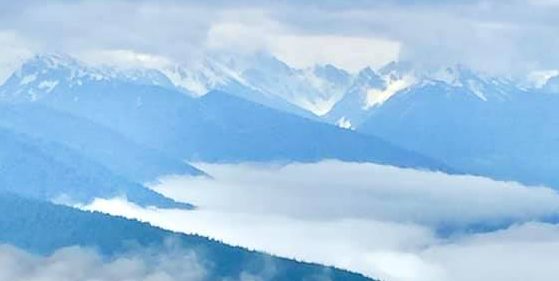
Located in the southwestern corner of Alberta, Canada, Waterton Lakes National Park is one of the most spectacular natural destinations in the Canadian Rockies. Famous for its crystal-clear lakes, dramatic mountain peaks, colorful canyons, cascading waterfalls, and abundant wildlife, this remarkable park offers an unforgettable outdoor experience.
Unlike some of Canada’s larger national parks, Waterton Lakes combines breathtaking mountain scenery with open prairie landscapes in a relatively compact area. Whether you enjoy hiking, wildlife photography, scenic drives, boating, or simply relaxing beside a beautiful lake, this destination has something for everyone.
In this guide, you’ll discover everything you need to know about Waterton Lakes National Park, including its history, top attractions, hiking trails, wildlife, best time to visit, and travel tips.
Where Is Waterton Lakes National Park?
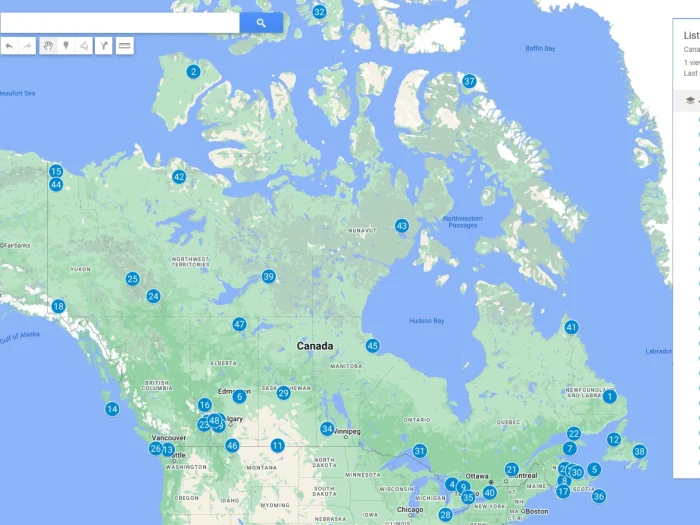
Waterton Lakes National Park is located in southwestern Alberta, Canada, near the border with the United States and the province of British Columbia. It sits within the Crown of the Continent ecosystem, an ecologically diverse region encompassing parts of Alberta, British Columbia, and Montana.
The park covers approximately 505 square kilometers (195 square miles), making it the smallest of Canada’s national mountain parks.
Waterton is particularly famous for its unique geography, where the Canadian Rockies rise dramatically from the surrounding prairie landscape. Visitors can experience forests, grasslands, alpine environments, lakes, and rugged mountain scenery within a relatively short distance.
The nearest major city is Calgary, approximately 270 kilometers (168 miles) north of the park. Driving from Calgary typically takes around three hours, depending on road and weather conditions.
History of Waterton Lakes National Park
Waterton Lakes National Park has a fascinating history dating back thousands of years. Indigenous peoples, particularly the Blackfoot Confederacy, have longstanding cultural and spiritual connections to this landscape.
The traditional Blackfoot name for Waterton Lakes is Paahtómahksikimi, meaning “the inner sacred lake within the mountains.”
The area was officially protected on May 30, 1895, when the Canadian government established a 140-square-kilometer forest reserve. Waterton subsequently became Canada’s fourth national park and eventually expanded to its current size of 505 square kilometers.
In 1932, Waterton Lakes National Park was combined with Glacier National Park in Montana to establish the Waterton-Glacier International Peace Park. This was the world’s first International Peace Park, symbolizing cooperation and friendship between Canada and the United States.
In 1995, UNESCO designated the combined international park a World Heritage Site in recognition of its extraordinary mountain scenery, biodiversity, and ecological significance. Waterton Lakes National Park+2
Top Attractions in Waterton Lakes National Park
Waterton Lakes National Park features numerous natural landmarks and scenic locations. Here are some of the best places to explore during your visit.
1. Upper Waterton Lake
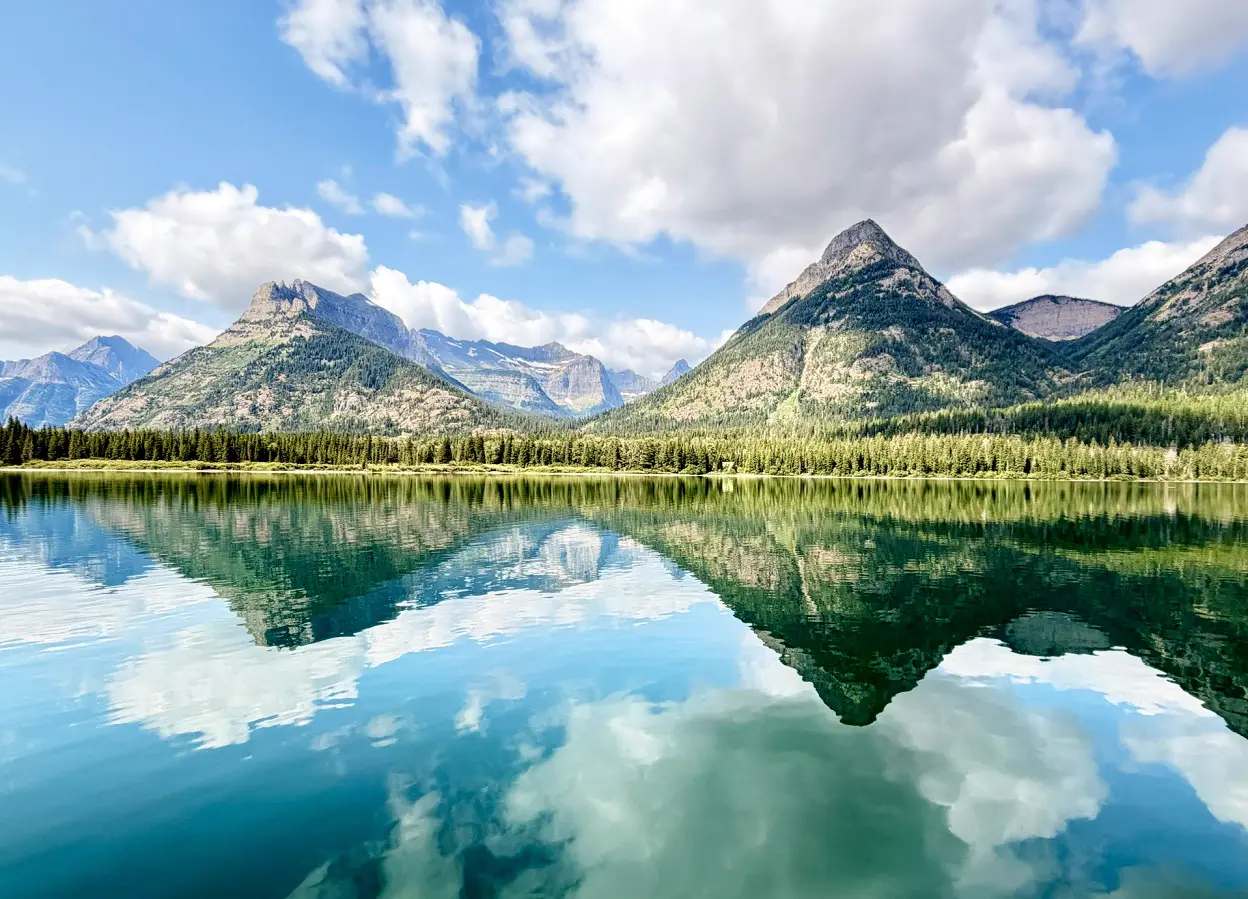
Upper Waterton Lake is one of the park’s most recognizable attractions. Surrounded by towering mountains and forested slopes, this beautiful lake offers some of the most impressive scenery in the Canadian Rockies.
Visitors can enjoy several activities, including boating, kayaking, canoeing, fishing, and lakeside photography.
One of the most popular experiences is taking a boat cruise across the lake. The journey provides spectacular views of the surrounding mountains and connects visitors with the international border area near Glacier National Park.
The lakeshore is also an excellent place to relax, enjoy a picnic, or watch the changing colors of the water throughout the day.
2. Red Rock Canyon
Red Rock Canyon is one of the most visually distinctive attractions in Waterton Lakes National Park.
As its name suggests, the canyon features striking red and green rock formations shaped by millions of years of geological processes. A small stream flows through the canyon, creating a beautiful contrast between colorful rocks and clear water.
A short walking trail follows the canyon and allows visitors to explore the area from different viewpoints.
During summer, the colorful landscape makes Red Rock Canyon a favorite destination for photographers, families, and nature enthusiasts.
3. Cameron Lake
Cameron Lake is a stunning alpine lake located near the international border between Canada and the United States.
Surrounded by steep mountain slopes and evergreen forests, the lake is particularly famous for its brilliant turquoise water. Its peaceful atmosphere makes it an excellent destination for visitors looking to enjoy the natural beauty of the Canadian Rockies.
Popular activities include kayaking, canoeing, fishing, and hiking along the lakeshore.
The Cameron Lake area is also a wonderful location for wildlife watching and landscape photography.
4. Prince of Wales Hotel
The Prince of Wales Hotel is one of the most famous historic landmarks in Waterton Lakes National Park.
Built by the Great Northern Railway and opened in 1927, this impressive hotel sits on a bluff overlooking Upper Waterton Lake and the surrounding mountains.
Its distinctive architecture, traditional design, and spectacular location make it one of the most photographed buildings in the Canadian Rockies.
Even if you are not staying overnight, visiting the hotel is worthwhile. The property offers beautiful panoramic views and provides a glimpse into the area’s early tourism history.
5. Cameron Falls
Cameron Falls is a beautiful waterfall located close to the Waterton townsite, making it one of the easiest natural attractions to visit in the park.
The waterfall flows over ancient rock formations and is particularly impressive during spring and early summer when snowmelt increases the water flow.
One interesting feature is the occasional appearance of pink or reddish water after heavy rainfall. This phenomenon occurs when fine sediment containing iron-rich particles becomes suspended in the water.
A short walk from the townsite provides convenient access to the waterfall and several excellent photography opportunities.
6. Waterton Townsite
Waterton Townsite is the main visitor community within the national park. Located along the shores of Upper Waterton Lake, this charming village offers restaurants, shops, accommodations, and visitor services.
It is an excellent starting point for exploring the park, particularly for visitors planning multiple hiking trips or scenic drives.
You can enjoy lakeside walks, browse local stores, rent watercraft, or relax at one of the village’s restaurants.
The townsite also provides convenient access to popular attractions such as Cameron Falls and the Prince of Wales Hotel.
Best Things to Do in Waterton Lakes National Park
There are plenty of outdoor activities and experiences to enjoy throughout Waterton Lakes National Park.
Here are some of the best things to include in your itinerary.
1. Explore the Hiking Trails
Hiking is one of the most popular activities in Waterton Lakes National Park. The park offers approximately 200 kilometers (124 miles) of hiking trails, ranging from easy lakeside walks to challenging mountain adventures.
Some trails provide spectacular views of alpine lakes, waterfalls, forests, and mountain valleys.
Popular hiking options include:
- Bear’s Hump: A relatively short but steep hike offering panoramic views of Waterton Townsite and Upper Waterton Lake.
- Crypt Lake Trail: A challenging and famous hiking route featuring waterfalls, a tunnel, a ladder, and spectacular mountain scenery.
- Carthew-Alderson Trail: A scenic backcountry route passing alpine lakes and impressive mountain landscapes.
- Bertha Lake Trail: A rewarding hike through forested terrain to a beautiful mountain lake.
- Akamina Ridge Trail: A challenging mountain hike with impressive views of the surrounding peaks.
Always check current trail conditions and seasonal closures before heading out.
2. Enjoy a Boat Tour
A boat tour on Upper Waterton Lake is an excellent way to experience the park from a different perspective.
Visitors can enjoy spectacular views of mountain peaks, forested shorelines, and the surrounding wilderness while learning about the region’s natural and cultural history.
Some boat excursions travel toward Goat Haunt in Montana, allowing visitors to experience the international border region. These trips may involve U.S. border formalities, so check the operator’s requirements before booking.
3. Watch Wildlife
Waterton Lakes National Park is home to an impressive variety of wildlife.
Visitors may encounter black bears, grizzly bears, elk, mule deer, white-tailed deer, bighorn sheep, mountain goats, and numerous bird species.
The park also supports more than 250 bird species and over 60 mammal species.
Wildlife viewing is particularly popular along scenic roads, open grasslands, and quieter areas away from the main village.
Always maintain a safe distance from wildlife, never feed animals, and carry bear spray when hiking in bear country. Waterton Lakes National Park+1
4. Go Kayaking and Canoeing
The park’s beautiful lakes provide excellent opportunities for kayaking and canoeing.
Upper Waterton Lake and Cameron Lake are among the most popular locations for non-motorized water activities.
Paddling allows visitors to explore the shoreline, enjoy peaceful mountain views, and experience the park’s natural beauty at a slower pace.
Water conditions can change quickly, so visitors should wear appropriate personal flotation devices and check local weather conditions before going out.
5. Enjoy Scenic Drives
Waterton Lakes National Park offers several beautiful driving routes.
The Akamina Parkway is particularly popular because it travels through forested mountain landscapes toward Cameron Lake.
Another excellent option is Red Rock Parkway, which provides access to Red Rock Canyon and beautiful views of the surrounding mountains and valleys.
These roads offer numerous opportunities for photography, sightseeing, and wildlife observation.
Wildlife in Waterton Lakes National Park
Waterton Lakes National Park is one of Canada’s most ecologically diverse protected areas relative to its size.
Its combination of grasslands, forests, wetlands, alpine environments, and mountain lakes creates habitats for numerous animal species.
Some of the wildlife visitors may encounter includes:
| Wildlife | Description |
|---|---|
| Grizzly Bears | Large mammals commonly associated with mountain wilderness |
| Black Bears | Found in forests and various park habitats |
| Elk | Frequently seen in open grasslands and forest edges |
| Bighorn Sheep | Often spotted on rocky mountain slopes |
| Mountain Goats | Adapted to steep and rugged alpine terrain |
| Mule Deer | Common in forested and open habitats |
| Bald Eagles | Impressive birds of prey found near lakes and rivers |
| Beavers | Often associated with wetlands and waterways |
The park is also home to numerous smaller mammals, reptiles, amphibians, fish, and insects.
For wildlife enthusiasts, early mornings and evenings can be rewarding times to observe animals. However, sightings are never guaranteed.
Best Time to Visit Waterton Lakes National Park
Waterton Lakes National Park is open throughout the year, but the best time to visit depends on the activities you want to enjoy.
Summer (June to August)
Summer is generally the most popular season for visiting Waterton Lakes National Park. Temperatures are relatively comfortable, hiking trails become more accessible, and many visitor services and recreational facilities operate during this period.
It is an excellent time for hiking, boating, kayaking, wildlife viewing, and sightseeing.
July and August are particularly busy, so booking accommodations and campsites in advance is recommended.
Fall (September to October)
Autumn brings beautiful seasonal colors to the park. Forests and grasslands develop golden and orange tones, creating excellent opportunities for photography.
The weather becomes cooler, and visitor numbers generally decrease after the summer season.
Fall is a great time for scenic drives, hiking, and wildlife observation, although some facilities and services may have reduced operating hours.
Winter (November to March)
Winter transforms Waterton into a quieter mountain destination.
Snow-covered landscapes, frozen waterways, and peaceful forests create a completely different atmosphere.
Popular winter activities include cross-country skiing, snowshoeing, winter photography, and wildlife observation.
Visitors should prepare for cold temperatures, strong winds, changing weather, and possible road or trail closures.
Spring (April to May)
Spring brings melting snow, flowing waterfalls, and emerging wildflowers.
Wildlife becomes increasingly active, and the landscape gradually returns to life after winter.
However, many hiking trails may remain snowy or muddy, and some facilities may not yet be operating at full capacity.
Where to Stay Near Waterton Lakes National Park
There are several accommodation options in and around Waterton Lakes National Park, including historic hotels, lodges, cabins, campgrounds, and vacation rentals.
Here are some popular choices:
- Prince of Wales Hotel: A historic hotel with spectacular views of Upper Waterton Lake.
- Waterton Lakes Lodge Resort: A convenient accommodation option in the Waterton Townsite.
- Bayshore Inn & Spa: A lakeside property offering beautiful mountain and water views.
- Crandell Mountain Lodge: A mountain-style lodge close to the village’s main attractions.
- Townsite Campground: A popular option for visitors who prefer camping close to the lake and village.
During peak summer months, accommodations can fill up quickly. It is best to make reservations well in advance.
How to Get to Waterton Lakes National Park
Waterton Lakes National Park is accessible by car, making it a convenient destination for road trips through Alberta and the Canadian Rockies.
By Car
Driving is the most convenient way to explore the park.
Approximate driving distances from nearby cities include:
| Starting Location | Distance | Driving Time |
|---|---|---|
| Calgary, Alberta | 270 km | 3 hours |
| Lethbridge, Alberta | 130 km | 1.5 hours |
| Pincher Creek, Alberta | 55 km | 45 minutes |
| Edmonton, Alberta | 570 km | 5.5–6 hours |
| Banff, Alberta | 390 km | 4.5–5 hours |
Distances and travel times are approximate and depend on your route, traffic, and weather conditions.
By Air
The closest major international airport is Calgary International Airport (YYC), approximately 270 kilometers from the park.
Visitors can rent a car at the airport and drive south toward Waterton Lakes National Park.
There are also regional transportation options from nearby communities, although having your own vehicle provides considerably more flexibility when exploring the park.
Waterton Lakes National Park Entrance Fees
Waterton Lakes National Park requires visitors to pay applicable Parks Canada admission fees.
The exact cost depends on visitor age, group size, pass type, and applicable seasonal programs.
Visitors can generally choose between:
- Daily admission passes.
- Parks Canada Discovery Passes for eligible annual access.
- Camping and accommodation fees.
- Additional fees for certain tours and recreational activities.
Admission and camping fees are separate from one another. Check the official Parks Canada website for the latest prices, payment information, and reservation requirements before traveling.
Official website: Waterton Lakes National Park – Parks Canada.
Travel Tips for Visiting Waterton Lakes National Park
To make the most of your visit, keep these practical tips in mind:
- Plan ahead: Popular hiking trails, accommodations, and campsites can become busy during summer.
- Check trail conditions: Weather, snow, avalanches, and maintenance work can affect hiking routes.
- Bring appropriate clothing: Mountain weather can change quickly, even during summer.
- Carry bear spray: The park is home to bears, and visitors should understand how to use bear spray safely.
- Start early: Arriving early helps you enjoy popular attractions before parking areas become crowded.
- Respect wildlife: Keep a safe distance from all animals and never feed them.
- Prepare for strong winds: Waterton is known for its windy conditions, which can affect boating and outdoor activities.
- Protect the environment: Stay on designated trails and follow all park regulations.
One important rule to remember is that recreational drone use is prohibited within Waterton Lakes National Park. parks.canada.ca+2
Frequently Asked Questions About Waterton Lakes National Park
1. Where is Waterton Lakes National Park located?
Waterton Lakes National Park is located in southwestern Alberta, Canada, near the United States border and the province of British Columbia.
2. How big is Waterton Lakes National Park?
The park covers approximately 505 square kilometers (195 square miles), making it the smallest of Canada’s national mountain parks.
3. When was Waterton Lakes National Park established?
Waterton Lakes National Park was established on May 30, 1895, when the Canadian government protected the area as a forest park reserve.
4. Why is Waterton Lakes National Park famous?
The park is famous for its spectacular mountain scenery, crystal-clear lakes, colorful rock formations, waterfalls, hiking trails, and diverse wildlife.
5. Is Waterton Lakes National Park worth visiting?
Yes. Waterton is an excellent destination for outdoor enthusiasts, photographers, families, and anyone interested in exploring the Canadian Rockies.
6. How many days do you need in Waterton Lakes National Park?
Two to three days are generally sufficient to explore the main attractions, enjoy several hiking trails, and experience the beautiful lakes and mountain scenery.
7. What is the best time to visit Waterton Lakes National Park?
June through September is generally the best period for hiking, boating, sightseeing, and enjoying outdoor activities.
8. Can you see bears in Waterton Lakes National Park?
Yes. Both black bears and grizzly bears live in the park. Visitors should follow wildlife safety guidelines and carry bear spray when hiking.
9. Does Waterton Lakes National Park have glaciers?
The park contains many landforms created by ancient glaciers, but it currently has no glaciers. Snow patches remain in some mountain areas.
10. Can you swim in Waterton Lakes National Park?
Swimming is possible in designated or suitable lake areas, but the water is often very cold, even during summer. Visitors should exercise caution.
11. Is Waterton Lakes National Park open year-round?
Yes. The park is open throughout the year, although some roads, facilities, and recreational activities may be seasonally restricted.
12. What is the most popular hike in Waterton Lakes National Park?
The Crypt Lake Trail is one of the park’s most famous hiking routes. Bear’s Hump is another popular option for visitors seeking panoramic views without a full-day hike.
13. Is there a town inside Waterton Lakes National Park?
Yes. Waterton Townsite is the main community within the park, offering restaurants, shops, accommodations, and visitor services.
14. How far is Waterton Lakes National Park from Calgary?
The park is approximately 270 kilometers (168 miles) from Calgary, with a typical driving time of around three hours.
15. Can you drive through Waterton Lakes National Park?
Yes. Several scenic roads allow visitors to explore different areas of the park, including Red Rock Parkway and Akamina Parkway.
16. What animals can you see in Waterton Lakes National Park?
Common wildlife includes black bears, grizzly bears, elk, deer, bighorn sheep, mountain goats, bald eagles, and numerous other bird species.
17. Is camping available in Waterton Lakes National Park?
Yes. The park offers camping opportunities, including the popular Townsite Campground. Reservations may be required, especially during summer.
18. Is Waterton Lakes National Park connected to Glacier National Park?
Yes. Waterton Lakes National Park and Glacier National Park in Montana form the Waterton-Glacier International Peace Park, established in 1932.
19. Is Waterton Lakes National Park a UNESCO World Heritage Site?
Yes. Waterton-Glacier International Peace Park was designated a UNESCO World Heritage Site in 1995.
20. What is the closest airport to Waterton Lakes National Park?
Calgary International Airport is the closest major international airport, approximately 270 kilometers (168 miles) from the park.
Final Thoughts
Waterton Lakes National Park is one of Canada’s most beautiful natural destinations, offering an extraordinary combination of mountain scenery, pristine lakes, colorful canyons, and diverse wildlife.
From exploring the turquoise waters of Cameron Lake to hiking the famous Crypt Lake Trail and admiring the historic Prince of Wales Hotel, visitors can enjoy a wide range of unforgettable experiences.
Whether you’re planning a short weekend getaway or a longer Canadian Rockies road trip, Waterton Lakes National Park deserves a place on your travel itinerary. Its remarkable landscapes, peaceful atmosphere, and unique location make it a destination worth discovering.
Official resources:
- Parks Canada – Waterton Lakes National Park
- Activities and Experiences
- UNESCO – Waterton-Glacier International Peace Park