Yoho National Park: A Complete Guide to Canada’s Natural Wonderland
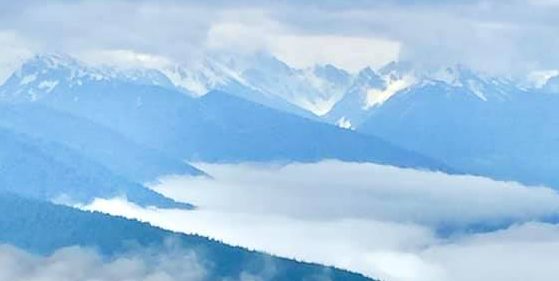
Located in the Canadian Rockies of British Columbia, Yoho National Park is one of Canada’s most spectacular natural destinations. Famous for its turquoise lakes, towering waterfalls, dramatic mountain peaks, ancient fossils, and breathtaking hiking trails, the park offers an unforgettable experience for nature lovers and outdoor enthusiasts.
Although it is often overshadowed by neighboring Banff National Park, Yoho has its own unique attractions and a quieter atmosphere. From the magnificent Emerald Lake to the impressive Takakkaw Falls, visitors can discover some of the most beautiful landscapes in the Canadian Rockies.
Whether you are planning a summer road trip, a hiking adventure, or a relaxing mountain getaway, this guide covers everything you need to know about visiting Yoho National Park.
Where Is Yoho National Park?
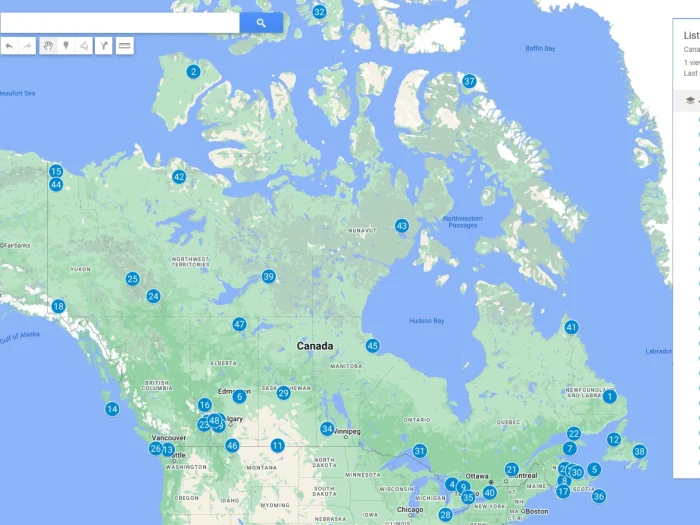
Yoho National Park is located in southeastern British Columbia, Canada, along the western slopes of the Canadian Rocky Mountains. It borders Banff National Park to the east and Kootenay National Park to the south.
The park covers approximately 1,313 square kilometers (507 square miles) of mountainous wilderness. Its landscape includes glaciers, alpine lakes, dense forests, deep valleys, and spectacular waterfalls.
The Trans-Canada Highway (Highway 1) runs through the park, making many of its most popular attractions accessible by car. The small community of Field, British Columbia, is located within the park and serves as a convenient base for visitors.
Yoho is also part of the Canadian Rocky Mountain Parks UNESCO World Heritage Site, recognized for its outstanding mountain scenery, geological features, and important fossil discoveries.
Why Is Yoho National Park Famous?
Yoho National Park is best known for its extraordinary natural scenery and geological significance. The name “Yoho” comes from a Cree expression of awe and wonder, an appropriate description of the park’s dramatic landscapes.
Some of the park’s most notable features include:
- Emerald Lake: A stunning alpine lake famous for its brilliant turquoise-green water and surrounding mountain scenery.
- Takakkaw Falls: One of Canada’s highest waterfalls, plunging approximately 373 meters (1,224 feet).
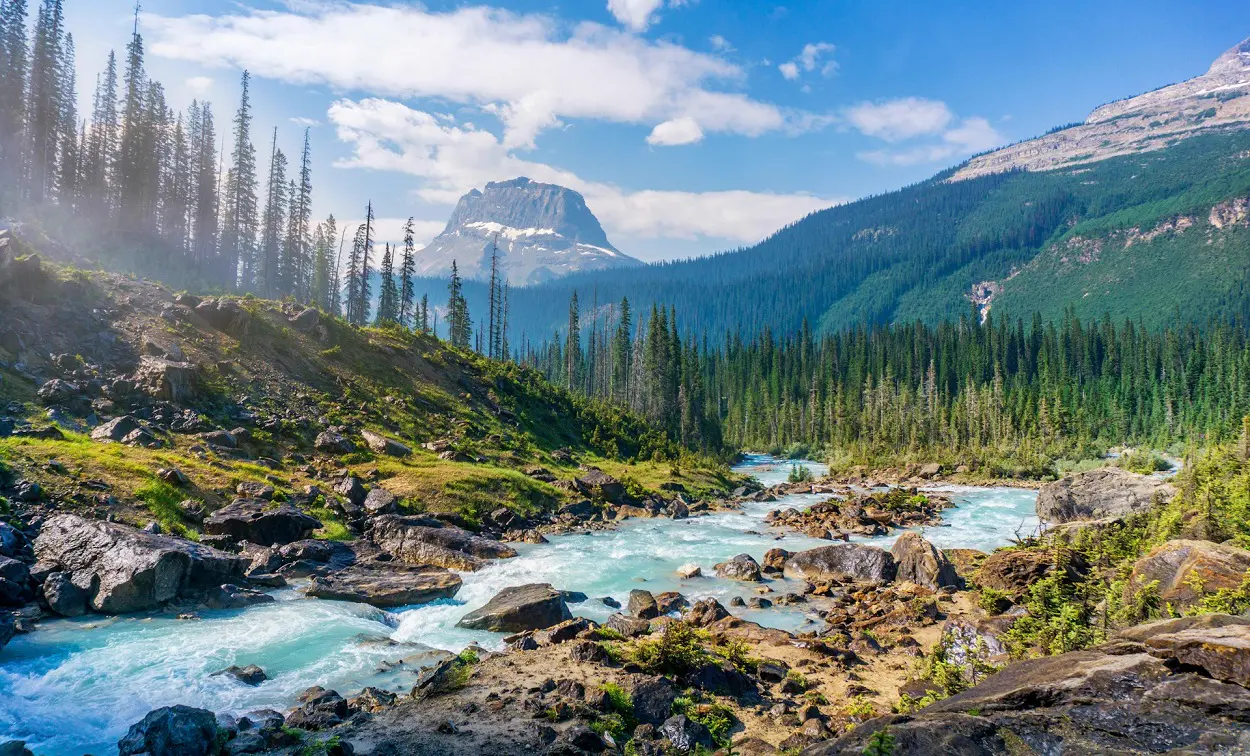
- Natural Bridge: An impressive rock formation created by the powerful flow of the Kicking Horse River.
- Lake O’Hara: A spectacular alpine area featuring beautiful lakes, mountain trails, and breathtaking viewpoints.
- Burgess Shale: A world-famous fossil site containing exceptionally preserved evidence of ancient marine life.
These attractions make Yoho National Park an excellent destination for sightseeing, photography, hiking, and exploring Canada’s natural heritage.
Best Things to Do in Yoho National Park
There are plenty of activities to enjoy in Yoho National Park, whether you prefer easy sightseeing stops or challenging mountain adventures.
1. Visit Emerald Lake
Emerald Lake is arguably the most famous attraction in Yoho National Park. Surrounded by towering mountains and evergreen forests, this beautiful alpine lake is known for its distinctive emerald-colored water.
The lake gets its brilliant color from fine particles of glacial rock flour suspended in the water, which scatter sunlight and create its distinctive appearance.
Visitors can walk along the scenic lakeshore trail, rent a canoe during the summer season, or relax at the historic Emerald Lake Lodge.
The Emerald Lake Loop is approximately 5.2 kilometers (3.2 miles) long and offers beautiful views throughout the walk. It is one of the best ways to experience the lake’s natural beauty.
2. See Takakkaw Falls
Takakkaw Falls is one of the most impressive waterfalls in Canada and a must-see attraction in Yoho National Park.
With a total height of approximately 373 meters (1,224 feet), it is among the tallest waterfalls in the country. The name Takakkaw comes from the Cree language and means “magnificent.”
Fed by the Daly Glacier, the waterfall is especially powerful during the early summer when snow and glacial ice melt.
A short walking trail from the parking area takes visitors close to the base of the falls, where they can enjoy spectacular views and feel the refreshing mist.
Access is seasonal because Yoho Valley Road is generally closed during the winter due to avalanche risks.
3. Explore Lake O’Hara
Lake O’Hara is one of the most beautiful and environmentally sensitive areas in Yoho National Park.
This alpine paradise features crystal-clear lakes, dramatic mountain peaks, colorful wildflowers, and some of the most scenic hiking trails in the Canadian Rockies.
Popular routes include the Lake O’Hara Shoreline Trail and the Alpine Circuit, which offer spectacular views of the surrounding mountains.
Access to the area is limited to protect its fragile environment. Visitors who want to use the Parks Canada shuttle must make a reservation in advance. Walking along the access road is another option, but it involves a substantial additional distance.
Because of its limited access and remarkable scenery, Lake O’Hara is a highlight for many visitors to the park.
4. Discover Natural Bridge
Natural Bridge is a fascinating geological attraction formed by the powerful Kicking Horse River.
Over thousands of years, rushing water gradually eroded the limestone rock, creating a natural opening beneath a section of the riverbed. Today, visitors can observe the river flowing through this unusual rock formation.
Several viewing areas provide opportunities to admire the bridge and photograph the rushing water.
Natural Bridge is an easy sightseeing stop and is particularly convenient for families and travelers who do not want to hike long distances.
5. Visit Wapta Falls
Wapta Falls is another spectacular waterfall worth exploring in Yoho National Park.
Located on the Kicking Horse River, it is approximately 30 meters (98 feet) high and 150 meters (492 feet) wide. Although it is not as tall as Takakkaw Falls, its impressive width and powerful flow make it a memorable sight.
The hiking trail to the waterfall is approximately 4.8 kilometers (3 miles) round trip, depending on the route and starting point.
Visitors can enjoy beautiful forest scenery along the way before reaching viewpoints overlooking the waterfall.
6. Explore the Burgess Shale Fossil Beds
Yoho National Park is not only famous for its mountains and waterfalls but also for its extraordinary geological history.
The Burgess Shale is one of the world’s most important fossil deposits, preserving remarkably detailed remains of marine organisms that lived approximately 508 million years ago.
These fossils provide scientists with valuable insights into the early evolution of complex life on Earth.
Because the fossil sites are protected, visitors cannot explore them independently. Instead, Parks Canada offers guided hikes to selected locations, providing an opportunity to learn about the fossils and the history of the region.
Best Hiking Trails in Yoho National Park
Hiking is one of the most popular activities in Yoho National Park. The park offers trails for different fitness levels, from short lakeside walks to demanding alpine adventures.
| Hiking Trail | Approximate Distance | Difficulty |
|---|---|---|
| Emerald Lake Loop | 5.2 km | Easy |
| Takakkaw Falls Trail | 1.4 km return | Easy |
| Wapta Falls Trail | 4.8 km return | Moderate |
| Iceline Trail | 14 km loop | Difficult |
| Lake O’Hara Alpine Circuit | 12 km | Difficult |
Trail conditions can change throughout the year. Hikers should check current Parks Canada trail reports, carry appropriate equipment, and be prepared for changing mountain weather.
Best Time to Visit Yoho National Park
Yoho National Park is open year-round, but the best time to visit depends on the activities you want to enjoy.
Summer (June to August)
Summer is the most popular season for visiting Yoho National Park. The weather is generally more favorable for hiking, sightseeing, canoeing, and camping. Most major attractions and seasonal roads are accessible during this period.
July and August are particularly popular, so visitors should expect more crowds at famous attractions such as Emerald Lake and Takakkaw Falls.
Fall (September to October)
Fall is an excellent time to experience the park’s colorful scenery and quieter atmosphere. The surrounding forests turn golden, and cooler temperatures make hiking enjoyable.
However, some seasonal facilities and roads begin closing during autumn.
Winter (November to March)
Winter transforms Yoho into a beautiful snowy wilderness. Visitors can enjoy cross-country skiing, snowshoeing, winter photography, and peaceful mountain scenery.
Some roads, hiking trails, and visitor facilities are closed during winter, so advance planning is essential.
Spring (April to May)
Spring brings gradually warmer temperatures and melting snow. It is a quieter season for sightseeing, although many higher-elevation trails remain snow-covered.
Some major attractions accessible by seasonal roads may not be available until later in the spring or early summer.
How to Get to Yoho National Park
The easiest way to reach Yoho National Park is by car. The Trans-Canada Highway passes through the park and connects it with several major destinations in western Canada.
Here are approximate driving distances from nearby cities:
| Starting Location | Approximate Distance | Driving Time |
|---|---|---|
| Banff, Alberta | 85 km | 1 hour |
| Lake Louise, Alberta | 30 km | 25 minutes |
| Golden, British Columbia | 60 km | 45 minutes |
| Calgary, Alberta | 213 km | 2.5 hours |
| Vancouver, British Columbia | 760 km | 8–9 hours |
Driving times are estimates and may vary depending on weather, traffic, and road conditions.
The nearest major airport is Calgary International Airport, approximately 213 kilometers (132 miles) from the park. Visitors can rent a car at the airport and drive west toward the Canadian Rockies.
There is no regular public transportation service within Yoho National Park, so having a rental car is the most convenient option for exploring its attractions.
Where to Stay Near Yoho National Park
Visitors have several accommodation options in and around Yoho National Park.
Emerald Lake Lodge: Located beside Emerald Lake, this historic mountain lodge offers a memorable stay surrounded by spectacular alpine scenery.
Field, British Columbia: This small community inside the park offers guesthouses, bed-and-breakfast accommodations, and convenient access to major attractions.
Golden, British Columbia: Golden is a practical base for visitors seeking hotels, restaurants, and additional accommodation choices.
Lake Louise, Alberta: Located near the eastern entrance of Yoho, Lake Louise offers hotels and lodges with convenient access to both Yoho and Banff National Parks.
Camping is another popular option. Parks Canada operates several campgrounds in the park, with seasonal availability and facilities varying by location.
Yoho National Park Entrance Fees
Visitors generally need a valid Parks Canada national park pass to enter Yoho National Park.
Admission fees vary depending on age and pass type. Visitors can purchase daily admission or a Parks Canada Discovery Pass, which provides access to participating national parks and historic sites across Canada.
Camping, guided fossil hikes, backcountry permits, and other special activities may require additional fees.
For the latest admission prices and camping costs, visit the official Parks Canada Yoho National Park fees page.
Travel Tips for Visiting Yoho National Park
Before visiting Yoho National Park, keep these practical tips in mind:
- Plan ahead: Popular attractions and accommodations can become busy during July and August.
- Reserve Lake O’Hara transportation: Shuttle access is limited, so check reservation availability before your trip.
- Check seasonal road closures: Takakkaw Falls and Wapta Falls have seasonal road access.
- Bring appropriate clothing: Mountain weather can change quickly, even during summer.
- Respect wildlife: Keep a safe distance from bears, elk, and other wild animals. Never feed wildlife.
- Prepare for limited services: Gas stations, restaurants, and shopping options are limited inside the park.
- Follow park regulations: Stay on designated trails and respect restricted areas.
Final Thoughts
Yoho National Park is one of Canada’s most beautiful mountain destinations, offering an incredible combination of turquoise lakes, spectacular waterfalls, dramatic peaks, and ancient geological wonders.
From walking around Emerald Lake and admiring Takakkaw Falls to exploring the remarkable Burgess Shale fossil sites, there is something for every type of traveler.
Its location near Banff and Lake Louise also makes Yoho an excellent addition to a Canadian Rockies road trip.
If you are looking for a destination that combines breathtaking scenery, outdoor adventure, and natural history, Yoho National Park deserves a place on your Canadian travel itinerary.
Read more: