Hiking Boots vs Tactical Boots: What to Wear on National Park Trails
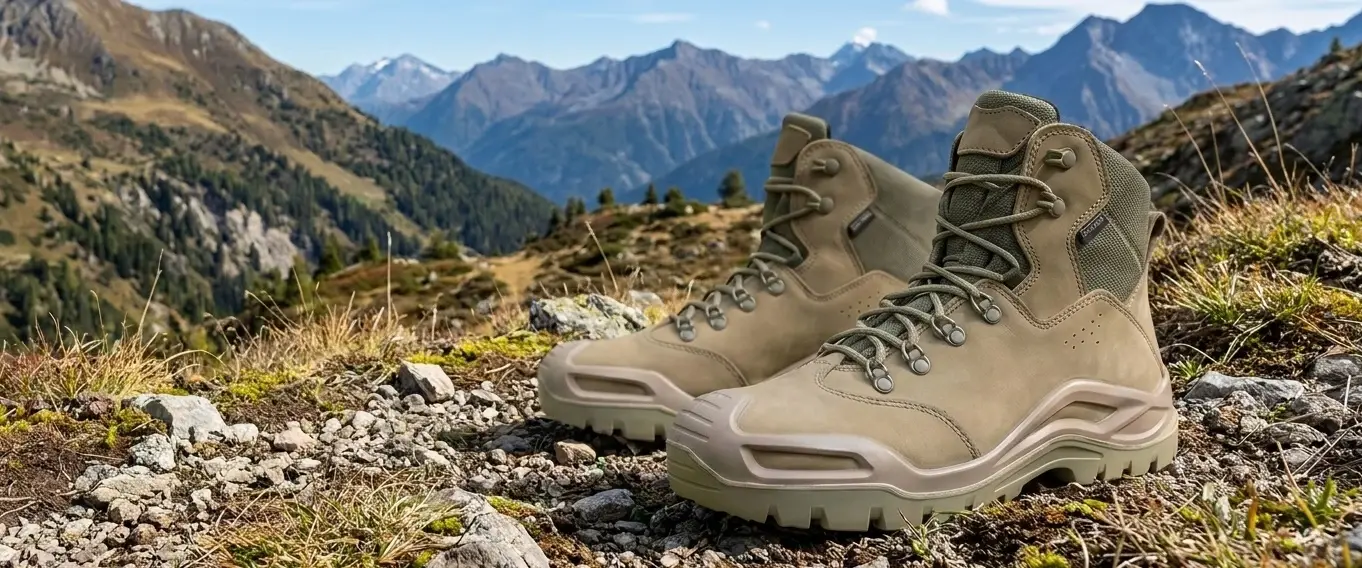
Choosing footwear for a national park trip is one of those decisions that seems simple until you’re two miles into a muddy trail with soaked socks. America’s parks cover almost every terrain imaginable, from the slickrock of Utah to the rainforests of the Olympic Peninsula, and the boots that work well in one can be a poor fit for another. Two categories come up again and again in trail conversations: classic hiking boots and tactical boots. Here’s how they compare and when each one makes sense.
What Makes a Hiking Boot a Hiking Boot
Hiking boots are built around one job: covering long distances on natural trails as comfortably as possible. Most models use a flexible midsole, a moderately aggressive tread and lightweight upper materials that breathe well. Mid-cut and high-cut versions add ankle support for uneven ground, while low-cut hiking shoes trade some support for agility.
Their strengths are comfort over long miles, light weight and a short break-in period. Their weaknesses usually show up in harsh conditions: lighter uppers can wear quickly on sharp rock, and softer soles may feel unstable when you carry a heavy pack over loose scree.
What Tactical Boots Bring to the Trail
Tactical boots were designed for military, law enforcement and field work, where failure isn’t an option. That heritage translates into features many hikers appreciate: reinforced toe and heel areas, sturdy lacing systems, durable leather or high-denier textile uppers, and soles built for grip on mixed surfaces, from wet rock to gravel and mud.
Brands rooted in military production tend to take durability especially seriously. One example is Talan, a Ukrainian footwear maker founded in 1923 whose tactical boots are supplied to units of the Armed Forces of Ukraine and are now available to civilians as well. Their range shows how military design translates to the trail: some models use waterproof leather uppers that keep water out for hours, while trekking models add a breathable ePTFE membrane for wet ground. For hikers who want that level of toughness, outdoor boots built to military standards can be a strong alternative to traditional hiking footwear, especially on rough, wet or rocky routes.
The trade-off is weight and stiffness. Tactical boots are often heavier than hiking boots and may need a longer break-in period before they feel natural on long days.
Matching Your Boots to the Terrain
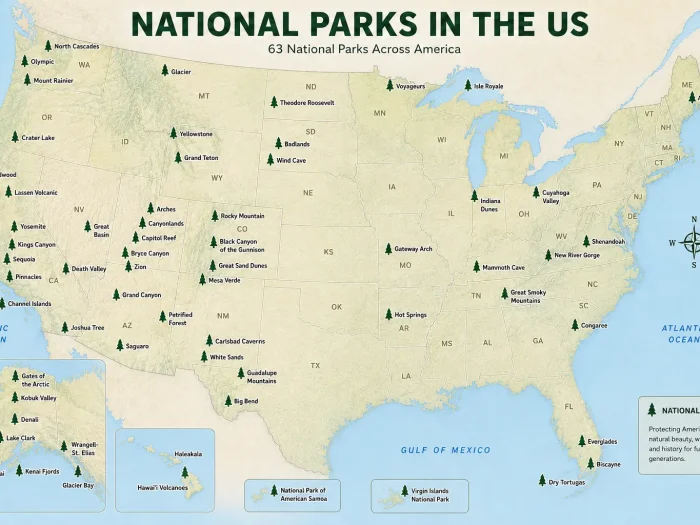
Rocky and steep trails. In parks like Zion, Grand Canyon or Rocky Mountain, sharp stone and steep descents punish footwear. A stiffer sole and a protective toe cap help here, which gives tactical boots an advantage on technical sections. Stable ankle support matters more than saving a few ounces.
Mud and wet conditions. Olympic, Great Smoky Mountains and many Alaskan parks see frequent rain. Look for a waterproof membrane, a gusseted tongue that keeps debris out, and deep lugs that shed mud instead of packing with it. Both categories offer waterproof models, but tactical boots usually hold up better to repeated soaking and drying.
Desert environments. In Death Valley, Joshua Tree or Arches, heat and sand are the main challenges. Breathability becomes the priority, so a lighter hiking boot or a ventilated tactical model is a better choice than a heavy insulated one. Light-colored uppers also absorb less heat.
Cold and snow. For winter visits to Yellowstone or Glacier, insulation and traction on ice are essential. Many hikers pair a sturdy boot with microspikes. Higher shafts help keep snow out, and a durable boot handles freeze-thaw cycles better over a season.
Before any trip, check current trail and weather conditions for the park you’re visiting, since closures, flooding and early snow can change what footwear you actually need.
Comfort and Fit Matter Most
Whatever category you choose, fit is non-negotiable. A few rules apply to every boot:
- Try boots on in the afternoon, when your feet are slightly swollen, and wear the socks you’ll hike in.
- Leave about a thumb’s width of space in front of your toes so they don’t hit the front on descents.
- Your heel should stay put when you walk; heel lift causes blisters.
- Break new boots in gradually with short walks before any long trail day.
Tactical boots in particular reward patience during break-in. Once they mold to your feet, many hikers find them supportive enough for full days on the trail.
So Which Should You Choose?
If your plans focus on well-maintained trails, moderate distances and warm weather, a traditional hiking boot will keep you light and comfortable. If you expect rough terrain, unpredictable weather, heavy packs or simply want boots that will last several seasons of hard use, a tactical boot is worth serious consideration.
Many experienced park visitors end up owning both: a lighter pair for easy day hikes and a tougher pair for backcountry routes, wet seasons and winter trips. Whatever you choose, the right boots let you focus on the views instead of your feet, and that is what a great national park day is all about.