Hiking Portugal’s Atlantic Coast From Porto
If you love long days on a trail, this coast will feel familiar. Portugal’s Atlantic edge north of Porto rewards the same appetite for big scenery and open miles. You trade granite peaks for boardwalks, dunes, and surf. The pace stays steady, and the views rarely quit. Every mile brings a new stretch of coast into view.
The route hugs the ocean as it heads north from the city. Operators such as Top Walking Tours Portugal package it as a multi-day atlantic coast porto walking tour that links quiet beaches with old fishing towns. You walk the coast while someone else moves your bags and books the beds. That leaves you free to focus on the trail.
Why Trail Lovers Should Add This Coast to Their List
Most bucket-list hikes in the United States climb toward a summit. This one runs level beside the sea. The reward is different but just as strong. You cover ground, and the scenery shifts hour by hour.
The northern Portuguese coast mixes wooden boardwalks with hard-packed sand and low cliffs. Wind off the Atlantic is a constant companion. It cools you on warm days and tests you on cool ones. The light shifts through the day and keeps the walk interesting. Trail lovers who like a rhythm will settle in fast.
What Is the Coastal Trail Like?
Long stretches of this route sit on raised boardwalks. They protect the dunes and keep your feet out of soft sand. The walking is easy underfoot, though the boards grow slick after rain. Elsewhere the path drops to the beach or climbs onto low headlands. Signposts are clear, so you rarely need to guess the way.
Distances between stages tend to run 12 to 20 kilometers. That is a full but fair day for most fit walkers. If you are used to matching a hike to your ability, the same habit helps here. A resource like the Zion National Park hiking trails guide helps you read grades and set a pace. The coast rewards the same honesty about your fitness.
Fishing Villages and Seaside Stops
The coast north of Porto is dotted with working fishing towns. Places like Vila do Conde and Povoa de Varzim still land boats each morning. You can end a stage with grilled sardines and a cold drink. Many towns also have a small market or chapel worth a pause. These stops give the walk its human rhythm.
Between towns you pass chapels, old forts, and wide empty beaches. Boardwalk sections often run past nesting dunes and salt marsh. Please treat these spots with care. The seven Leave No Trace principles travel well beyond any single park and keep this coast intact.
How Difficult Is the Coastal Route?
The terrain is gentle by mountain standards. There is little sustained climbing on the main coastal line. The challenge is distance, wind, and sun rather than steep grades. None of it feels technical for a seasoned hiker. Most walkers with regular trail miles will cope well.
Still, the ocean deserves respect. Weather can turn fast, and exposed beaches offer little shade. The National Park Service hiking safety advice about water, limits, and turnaround times applies here too. Carry enough water, watch the forecast, and start early on hot days. Aim for 3 liters of water on a warm stage.
What to Pack for the Atlantic Coast
Pack for wind and sun more than for cold. A light windproof layer earns its place every day. Good trail shoes beat heavy boots on flat boardwalks and sand. Sun protection matters on the open beach stretches.
It pays to build a little fitness before you fly. A short plan to get trail-ready before your trip makes the long days feel easier. Break in your shoes at home first. Add a few back-to-back walks so your legs know the drill.
When Should You Go for the Best Walking?
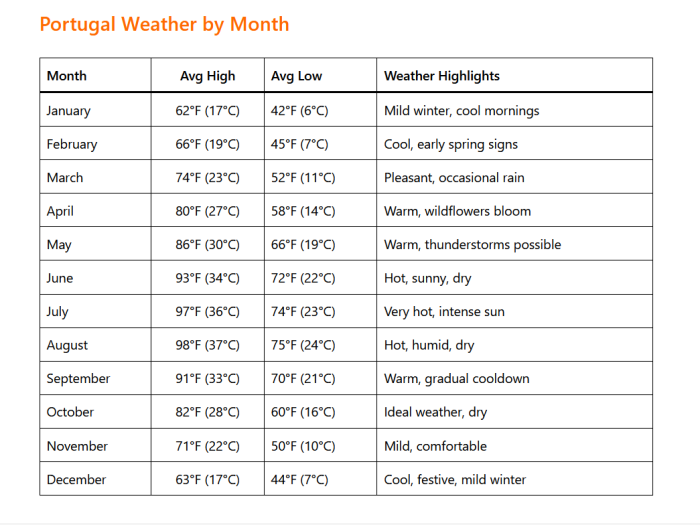
Spring and fall are the sweet spots on this coast. April through June brings wildflowers, mild air, and long light. September and October stay warm with thinner crowds. Sea breezes take the edge off the midday sun. Both windows keep the heat manageable.
Summer works but runs hot and busy on the beaches. Winter is walkable for the prepared, though storms roll in off the ocean. Book early for the shoulder seasons. Reserve 6 to 9 months ahead for the best inns. Daytime highs often sit near 70 to 75 F in spring.
Key Points for Planning Your Coastal Walk
- The route runs north from Porto along boardwalks, sand, and low cliffs.
- Daily stages of 12 to 20 kilometers suit most fit walkers.
- Spring and fall offer the best mix of weather and light.
- Pack for wind and sun, and break in light trail shoes first.
- Treat dunes and villages with care using Leave No Trace habits.
Frequently Asked Questions About the Porto Coast Hike
Do I Need Hiking Experience for This Route?
Not a lot. The coastal line stays mostly flat and well marked. Regular walkers with some trail miles handle it well. Build a little fitness first and you will be fine.
How Many Days Does the Walk Take?
Most itineraries run 4 to 7 days. That covers the main coast between Porto and the northern towns. You can shorten or extend the trip with an operator. Rest days fit easily into a longer plan.
Is the Trail Safe to Walk Alone?
Yes, the route is popular and easy to follow. Fishing towns sit close together along the way. Carry water, watch the weather, and tell someone your plan. Solo walkers report feeling comfortable here.
What Makes This Different From a US National Park Hike?
You trade summits and switchbacks for surf and sand. The trail stays level and passes through living towns. Meals and beds are never far away. It feels like a park trail crossed with a coastal road trip.
Making the Porto Coast Your Next Big Hike
This coast offers a rare kind of trail day. You get open ocean, easy footing, and a warm meal at the end. For hikers who love parks but want something new, it is a fresh challenge. Lace up, face the wind, and let the Atlantic set your pace.