Superyacht Charter Costs, Destinations, and What to Expect at Sea
I once helped a family plan a week-long yacht trip through Alaska’s Glacier Bay. Their initial quote was $180,000. Their final invoice was $274,000.
The base charter rate was only part of the story. Fuel, provisioning, park permits, VAT (value-added tax), and crew gratuity stacked up because no one walked them through the full math.
A superyacht charter is a movable, crewed basecamp. If you understand the cost formula, choose a season-smart region, and respect protected-water rules, the trip runs smoothly.
The goal is simple: know what you’re paying for, and why, before you sign and wire funds.
Costs and Timing at a Glance
If you can’t explain your total as “base rate + APA + taxes + gratuity,” you’re not ready to commit.
- Most crewed superyachts use the MYBA contract. A 50% deposit is typically due at signing, with the balance plus APA and taxes due about four to five weeks before departure.
- Budget APA at 25–40% of the base rate. Motor yachts usually land at 30–40%. Unused APA is refunded after accounts are reconciled.
- Tax varies sharply by region. France charges 20% VAT, Italy 22%, The Bahamas 10% VAT plus 4% port tax, and Montenegro charges 0% for charters starting there.
- Gratuity norms differ by cruising ground. Expect 10–15% of base rate in the Mediterranean and 15–20% in the Caribbean and United States.
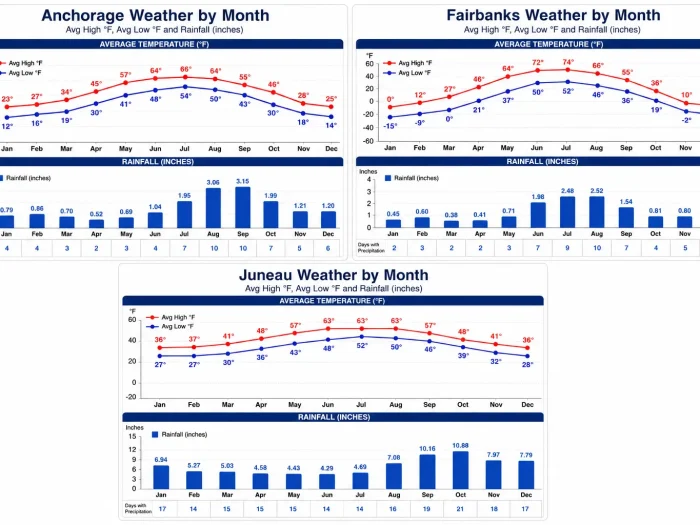
- Let nature set your calendar. The Med peaks June through September, the Caribbean and Bahamas run December through April, Alaska opens late May through August, and Raja Ampat runs April through November.
- Marine-protected areas enforce strict rules. Glacier Bay requires a summer entry permit, drones are prohibited in U.S. national parks, and mooring-buoy time limits apply in places like Biscayne and Dry Tortugas.
- A completed preference sheet upgrades the entire week. Submit dietary needs, activity goals, and medical notes at least two weeks before boarding so the crew can plan.
Charter Basics and Contracts
A charter is a private, crewed vessel, typically 24 meters or longer, hired for a set period with a flexible route.
Once you’re comparing boats, the fastest way to avoid sticker shock is to look at real-time listings in your exact region and week, then read what’s included, what the crew expects for APA, and how delivery or repositioning is handled.
For a practical starting point, you can browse Ocean Independence’s superyacht charter fleet to compare availability, specs, and sample itineraries by region before committing to a contract.
Most large crewed charters run on the MYBA agreement, a widely used industry contract. It’s a “plus expenses” setup: you pay a base rate for the yacht and crew, then pay trip costs at actuals through the Advance Provisioning Allowance (APA).
The standard charter week is seven nights. For shorter trips, many brokers calculate the day rate as the weekly rate divided by six, then multiplied by the number of days. Because turnaround costs don’t shrink, sub-week trips can feel expensive for what you get.
Charter groups range from families to expedition travelers, wildlife photographers, and conservation-minded guests who want comfort without losing access to remote water.
The Core Cost Drivers
The biggest pricing swings come from APA, local taxes, and any repositioning required to get the yacht to your start port.
| Cost Driver | What It Covers | Typical Range | How to Control It |
|---|---|---|---|
| APA | Fuel, food, drinks, port fees, toy fuel | 25–40% of base | Short hops, fewer high-speed runs, fewer marina nights, local provisioning |
| VAT / Local Taxes | Government levies by cruising ground | 0–22% depending on region | Choose start ports and itineraries that legally reduce exposure |
| Delivery / Reposition | Moving the yacht to your start port | Varies widely | Start where the yacht already sits, or pick a nearby alternate embarkation |
| Gratuity | Crew tip given to captain for distribution | 10–20% of base rate | Align expectations up front, then tip based on service and local norms |
Here’s what the math can look like for a 45-meter motor yacht in the Western Med for one week. Base rate €150,000. APA at 35% adds €52,500. French VAT at 20% adds €30,000, subject to proportional exemption for time outside EU waters. Gratuity at 12% adds €18,000. Estimated total: about €250,500, plus any delivery fee.
APA isn’t a surcharge the owner pockets. It’s an advance held by the captain to pay operating expenses during your week. You’ll receive running updates, and you’ll settle any overage or refund after disembarkation.
Destinations by Season
The best charter weeks happen when weather, wildlife, and regulations align, not when your calendar happens to be free.
Mediterranean (May–October, peak June–August). June through early September delivers the most reliable warm-water cruising. Late May and September can feel calmer and more flexible for reservations. Watch for August crowds and strong regional winds like the Meltemi in Greece.
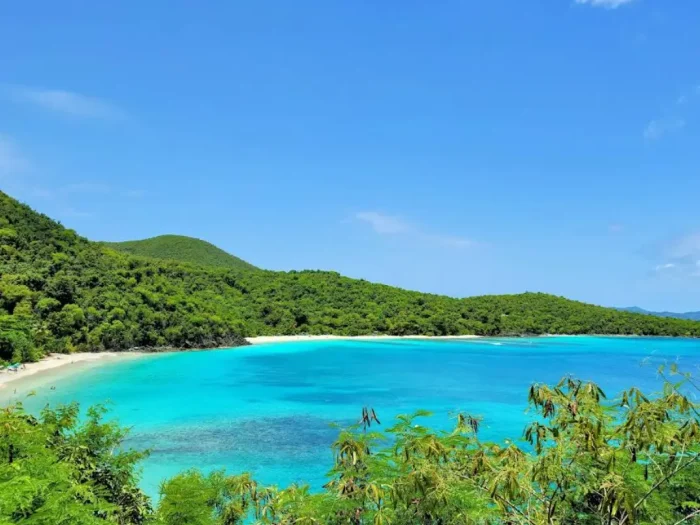
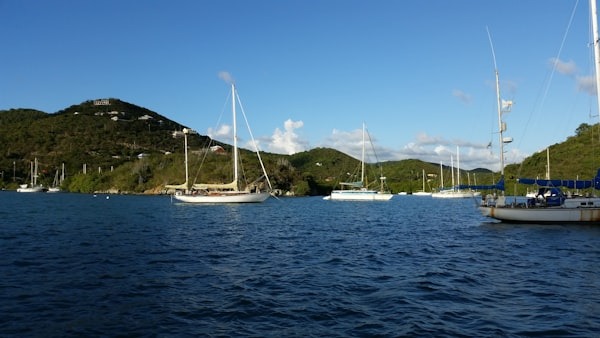
Caribbean and Bahamas (December–April). The Atlantic hurricane season runs June 1 through November 30, so most itineraries aim for winter and early spring. The BVI, Antigua, the Exumas, and the Abacos are built for short hops, clear water, and beach landings.
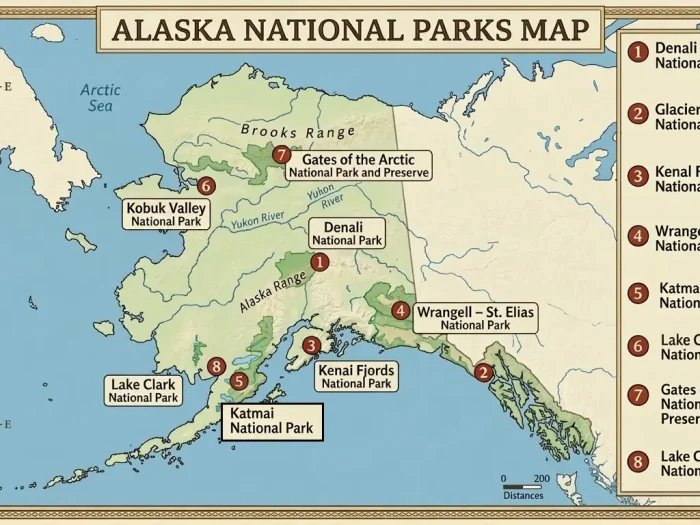
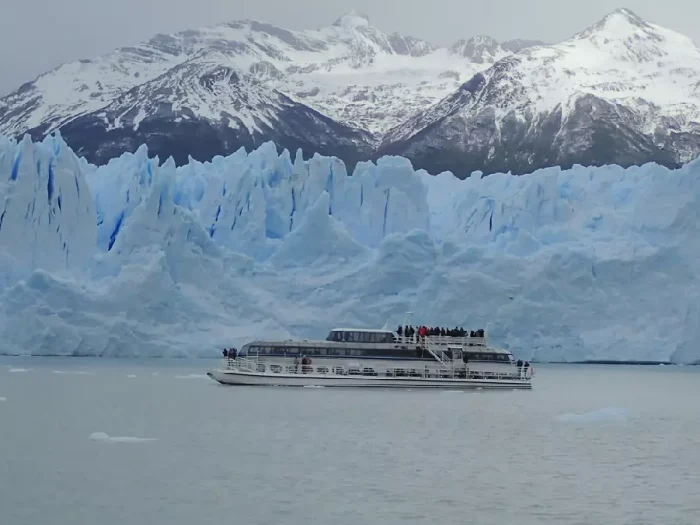
Alaska (late May–August). This is a short, high-reward window for humpback whales, bears, and tidewater glaciers. Glacier Bay National Park requires a private-vessel entry permit between June 1 and August 31, issued via seasonal lotteries and subject to daily vessel quotas. You’ll want strong tenders and a crew comfortable with cold-water operations.
Indonesia, Raja Ampat and Komodo (April–November). Raja Ampat Marine Park requires an Environmental Services Fee, IDR 700,000 for international visitors, valid for twelve months and enforced by ranger checks. Expect conservation rules around anchoring and in-water conduct, especially at popular snorkel and dive sites.
Other protected-water highlights. Dry Tortugas and Biscayne in Florida, Channel Islands in California, and the Galápagos, where international visitors pay $200 per adult for national park entry as of 2024.
Nature-First Sample Itineraries
Route planning works best when you start with permits, moorings, and sensitive habitat, then build “nice-to-haves” around them.
Alaska, seven nights. Juneau to Tracy Arm to Glacier Bay (permit window) to Icy Strait to Hoonah and back. Expect speed advisories in whale areas and clear rules for shore landings in bear country. Long daylight stretches the day without feeling rushed.
Florida Keys, five to seven nights. Key West to Dry Tortugas National Park to Marquesas Cays and back. At Dry Tortugas, overnight anchoring is limited to sandy bottom within one nautical mile of Garden Key, while Research Natural Area mooring buoys are day-use only with a two-hour limit. Drones are prohibited inside all NPS units.
Raja Ampat, seven to ten nights. Sorong to Dampier Strait to Wayag lagoons to Arborek to Pianemo. Carry your marine park entry card, expect ranger checks, and take the crew’s briefing seriously before entering the water. Local rules change by site, and enforcement is real.
Life on Board
A well-run yacht feels like a boutique hotel, but it operates under maritime safety rules that can override your wish list.
The preference sheet. After booking, you’ll fill out a detailed form so the captain and chef can tailor provisioning, menus, and activities. Include allergies, diets, cabin preferences, children’s routines, beverage priorities, and medical notes. Submit it at least two weeks before embarkation so provisioning isn’t rushed or limited.
Safety and onboard norms. Every charter starts with a muster and safety briefing. The captain’s weather decision is final, and reroutes are normal when sea state or visibility shifts. Expect soft-sole footwear, limited storage, and quiet respect for other vessels in anchorages.
Toys and licensing. Personal watercraft rules vary by country and can be stricter than guests expect. In France and Monaco, jet ski operators need a license, must be at least 16, and must stay 300 meters from shorelines with daylight-only operation. Confirm local requirements in the charter’s Special Conditions, not in a casual email.
A typical day. Many groups start with an early swim or a tender run ashore, then cruise late morning. Lunch happens underway or at anchor. Afternoons rotate between water toys, hikes, dives, or wildlife spotting, followed by dinner and an unplanned amount of stargazing.
Yacht Types for Nature Travel
Your route, draft limits, and sea state matter more than an extra meter of length or a flashier toy list.
| Type | Comfort and Space | Draft and Access | Fuel Draw | Best For |
|---|---|---|---|---|
| Motor Yacht | Generous volume, full toy garage | Deeper draft limits shallow reefs | Higher | Families wanting speed and amenities |
| Sailing Yacht | Elegant, quieter motion | Moderate draft | Lower | Guests who enjoy wind-powered cruising |
| Power Catamaran | Wide beam, stable platforms | Shallow draft excels near sandbars | Moderate | Reef and lagoon exploration |
| Expedition Yacht | Rugged, long-range capable | Variable, reinforced hull | Moderate | Alaska and remote MPA voyages |
Access rules can be surprisingly specific. In Biscayne National Park, most reef mooring buoys accommodate boats up to 45 feet and are limited to four hours. Larger yachts must anchor in sand away from coral. The right platform expands your legal options, not just your comfort.
Environmental Rules in Protected Waters
When you cruise parks and marine reserves, “leave no trace” becomes operational, not aspirational.
Mooring over anchoring. Use mooring buoys on coral whenever available, and follow posted time and size limits. In areas like Dry Tortugas, anchoring in Research Natural Areas is prohibited, even if it looks convenient from the chart.
Drones. Launching, landing, or operating drones is broadly prohibited on lands and waters administered by the U.S. National Park Service under a 2014 policy. Plan for long lenses, stabilized cameras, and shore-based viewpoints instead.
Sun protection. Mineral-only sunscreen with zinc oxide or titanium dioxide reduces chemical exposure in the water. Better yet, use UPF clothing so you’re not spraying product on a windy deck.
Waste discipline. Respect no-discharge zones and avoid single-use plastics where possible. Ask the crew how they separate waste, store it, and offload it legally, especially in remote regions with limited marina services.
Booking Steps and Lead Times
Peak weeks sell out because the best yachts have repeat clients, and the best routes have permits, quotas, or both.
Book eight to twelve months out for August in the Med or New Year’s in the Bahamas. Shoulder-season bookings three to six months ahead can still land excellent options, especially if you’re flexible on embarkation port.
Start with a region, a week, and a hard budget range, then share your group profile with your broker. Ask for a pro-forma estimate that itemizes base rate, APA percentage, taxes by jurisdiction, and an expected gratuity range. If the broker can’t explain the assumptions, the estimate isn’t usable.
The MYBA contract will spell out deposits, APA timelines, and Special Conditions covering drones, smoking, fishing, diving, and personal watercraft. Before the final balance is due, confirm passports and visas, diver certifications, child PFD sizes, physician letters for controlled medications, and any required park permits.
Finally, verify taxes, park rules, and closures using official government and park sources, then align your itinerary to what’s actually allowed on the water.