What to Pack, Check and Secure Before a Cross-Country National Park Trip
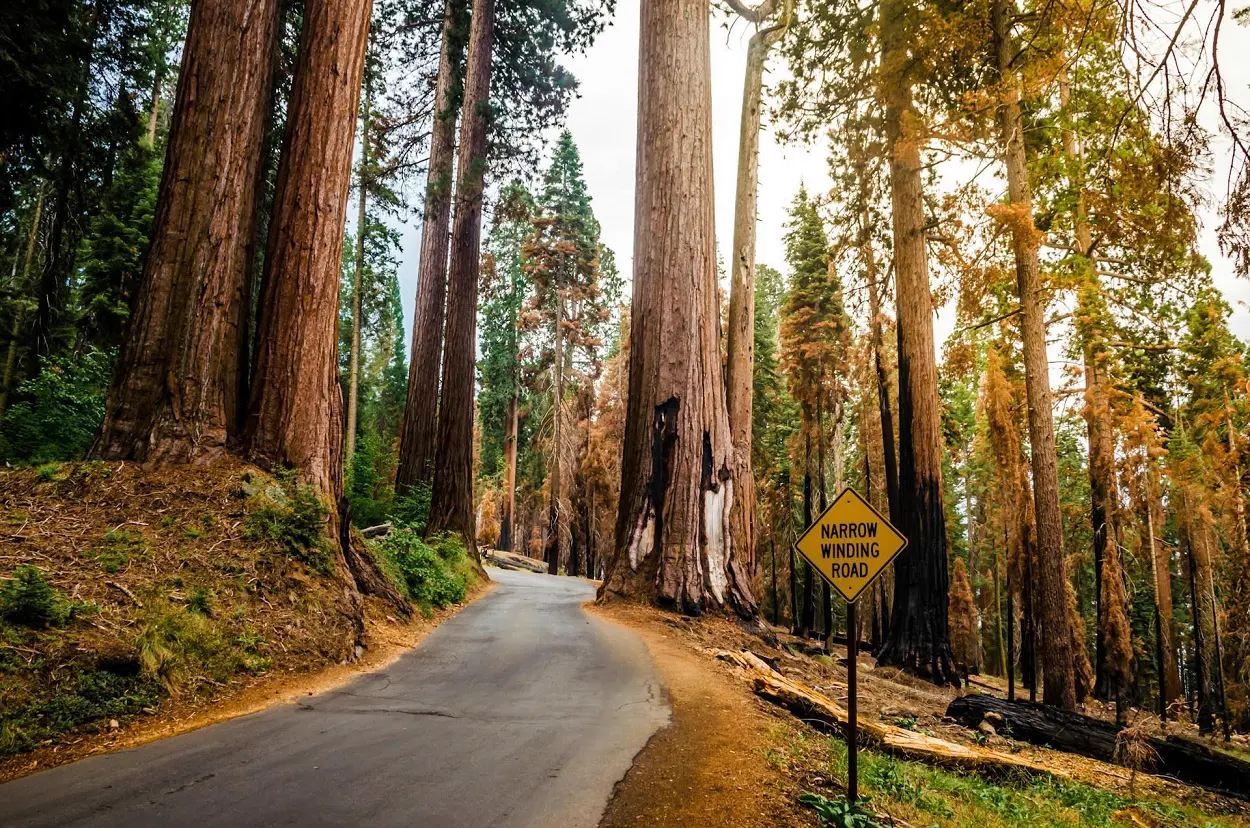
A cross-country national park trip requires more preparation than packing hiking boots and choosing scenic stops. Long driving distances, changing weather, remote stretches of road and limited services can turn small oversights into major problems. Before leaving, travelers should prepare three areas carefully: what they pack, what they check, and what they secure at home and on the road.
The goal is not to bring everything you own. It is to make sure the essentials are covered before you are hundreds of miles from home, cell service, or the nearest store.
Pack for Changing Conditions, Not Just the Forecast
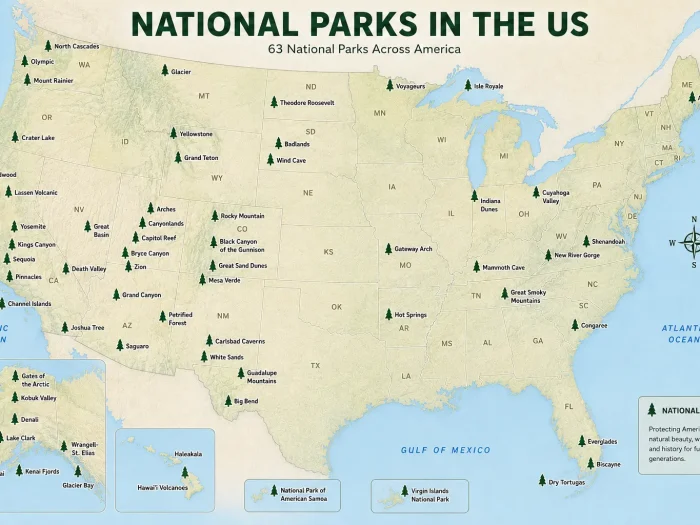
National park weather can change quickly, especially when an itinerary crosses several regions or elevations. A trip through Yellowstone, Rocky Mountain, Grand Canyon, and Joshua Tree can expose travelers to cold mornings, intense sun, rain, and major temperature differences within the same journey. Packing in layers gives you more flexibility than relying on one heavy jacket or a single warm-weather outfit.
Start with moisture-wicking base layers, an insulating layer, and a waterproof outer shell. Bring sturdy footwear that has already been broken in, along with extra socks, sun protection and a hat. Even when most activities are short hikes, keeping basic outdoor clothing in the vehicle prepares you for unexpected weather shifts or a delayed return.
Keep Water, Food and Emergency Supplies in the Vehicle
Remote national park roads can place travelers a long distance from stores, restaurants and gas stations. Carry enough water for everyone in the vehicle, plus extra for unexpected delays. Shelf-stable snacks such as nuts, energy bars and dried fruit can also bridge the gap when a planned meal stop is closed or farther away than expected.
A basic vehicle emergency kit deserves permanent space in the trunk. Include a flashlight, first-aid supplies, jumper cables or a battery jump starter, tire inflator, basic tools and a portable power bank. A blanket and extra water are especially important when driving through desert, mountain or winter conditions where a breakdown can become more serious.
Check Your Vehicle Before the First Long Drive
A cross-country trip puts far more stress on a vehicle than a typical commute. Before departure, check tire pressure and tread, engine oil, coolant, windshield washer fluid, battery condition and exterior lights. Make sure the spare tire is properly inflated and confirm that the jack and tire-changing tools are actually in the vehicle.
Do not wait for a dashboard warning light to identify maintenance needs. If the trip will add several thousand miles, review the vehicle’s maintenance schedule before leaving and address any service due during the journey. Starting with a mechanically sound vehicle reduces both safety risks and expensive disruptions far from home.
Confirm Park Reservations and Entry Requirements
Some of the most popular national parks use reservations, timed-entry systems or permits for specific roads, trails, and attractions. Never assume that paying an entrance fee automatically provides access to everything on your itinerary. Rules can also change by season, time of day and location within the same park.
Review official park information before each major stop and save important details offline. Screenshots or downloaded confirmations help when cell service disappears near an entrance station. Confirm campground bookings, lodging addresses and permit times as well, since arriving on the wrong day or outside an entry window can force major changes to a tightly planned road trip.
Secure Your Finances Before Leaving Home
Financial preparation matters on a long road trip because travelers rely heavily on cards, online reservations and digital accounts while away. Review upcoming bills, enable automatic payments where appropriate and set bank alerts for large or unusual transactions. Carry at least two payment methods and keep them in separate places so a lost wallet doesn’t cut off access to money.
Long trips also create more opportunities for payment information or identification to be exposed through hotels, gas stations, booking sites and public networks. Checking account activity regularly and setting up free credit monitoring can help you watch for unexpected changes while you are away. Treat financial security like vehicle security: it’s easier to prepare in advance than to manage after something goes wrong.
Download Maps Before You Lose Service
Cell coverage can disappear quickly inside national parks and across rural highways. Download offline maps for the parks, surrounding towns and major driving routes before departure. Navigation apps are useful, but they should not be your only source of direction in remote areas.
Keep a physical road map or park map as a backup, especially when traveling through areas with multiple unpaved roads or seasonal closures. Save lodging addresses and emergency contacts somewhere that does not depend on internet access. Knowing the route before leaving a connected area also prevents navigation software from sending you onto unsuitable roads in search of a shortcut.
Secure Your Home for an Extended Absence
Preparing the house is easy to forget when most of the attention is on the trip. Stop or redirect mail if no one will collect it, arrange care for pets and plants and make sure doors and windows are locked. Avoid leaving obvious signs that the property will be empty for several weeks.
Unplug unnecessary electronics and adjust heating or cooling without shutting off systems that protect the home. If someone trustworthy can check the property periodically, provide clear instructions and emergency contact information. A simple home checklist lets you start the trip without wondering whether a garage door, appliance or window was left unsecured.
Plan Fuel Stops Before Entering Remote Areas
Fuel availability varies widely around national parks, particularly across the West. A map may show a gas station near the route without revealing its operating hours, fuel availability or distance from the next station. Fill the tank before entering long remote sections instead of waiting for the fuel gauge to approach empty.
Electric vehicle drivers need even more route planning because charging options can be limited near certain parks and rural corridors. Identify primary and backup charging locations before departure. Whether the vehicle runs on gasoline or electricity, maintaining a comfortable range reserve gives you flexibility when roads close, weather changes or the itinerary shifts.
Prepare for Wildlife and Trail Safety
National parks are wild environments, and visitors should prepare accordingly. Learn each park’s wildlife guidance rather than applying the same habits everywhere. Bear country, desert environments and coastal parks present different risks and require different precautions.
Carry appropriate hiking essentials even for relatively short outings, including water, sun protection, navigation and basic first aid. Tell someone your plans when heading onto a longer trail, and watch for posted closures or hazard notices. Never approach wildlife for photographs, regardless of how calm the animal appears.
A Well-Prepared Road Trip Leaves More Room for the Parks
The best preparation becomes almost invisible once the trip begins. When the vehicle is maintained, reservations are confirmed, finances are secure, and essential supplies are packed, travelers can spend less time solving preventable problems and more time enjoying the landscapes they crossed the country to see.
Before leaving, think beyond a packing list. Check the vehicle, confirm park requirements, download maps, secure the house, and prepare for the stretches of road where help is not immediately available. A few hours of preparation at home can protect weeks of travel once the national park road trip begins.