What to Consider When Choosing Firefighting Equipment
Dry pine needles and parched earth send a clear warning to people living near wild lands. Summer heat peaks and humidity drops in the Western United States every year. This weather makes a small spark very dangerous for those with remote homes. Protection in these areas needs a different plan than city living provides. You cannot rely on a fire hydrant at the curb here. You need your own mobile system to stay safe.
Preparation starts with a look at your tools and water before a fire starts. Adding specialized units like BLZ Fire Skids gives you a big advantage on your land. Big fire trucks often cannot reach spots with narrow trails or steep hills. A dedicated unit on a utility vehicle stops small fires from growing. You can act while waiting for professional crews to drive from far away.
Evaluating Pump Performance and Tank Size
The pump is the most important part of any fire system you buy. It determines how much liquid you can move and how far it goes. High pressure helps the stream reach the top of tall trees. Volume provides the cooling effect to stop heat from spreading. You should look for a setup that balances these two things well.
Engine and Pump Quality
A fire apparatus must start on the first try every time. Most modern systems use four stroke engines for better power and less work. These engines are simpler to fix than older types found in shops.
Consider these factors for the engine and pump:
- Pick a pump that primes itself so the flow starts fast.
- Choose engines from brands with local repair shops nearby.
- The pump body should be aluminum or iron to prevent rust.
- A spark arrestor on the engine prevents you from starting a fire.
Water Weight and Vehicle Limits
The supply is very heavy and changes how your vehicle drives. A standard truck has a limit for the weight it can carry safely. This limit must include the tank, pump, frame, and fuel. Going over this weight can break your truck or cause a rollover.
Small setups usually hold between 50 and 200 gallons of liquid. This amount gives you several minutes of spray to put out spots. It keeps your vehicle light enough to move through tight woods. A small and fast setup is better than a big one that gets stuck. You want to reach the fire before it gets too big.
Build Quality for Rough Land
Equipment used in the woods must handle a lot of shaking and sun. The materials used determine if the system lasts for many years. Good building standards keep the frame from cracking on rocky trails. You need a setup that stays together when you drive fast over bumps.
Tank Materials and Frame Strength
Plastic tanks made of polyethylene are a great choice for remote use. They are light and do not rust when they sit for long periods. These tanks need a special coating to stop damage from the sun. A strong steel frame protects the pump from rocks and low branches.
Reliability is the goal when you see smoke nearby. Manual controls are often better than fancy screens that might fail. Heat and dust can break electronic parts very quickly. Check the welds on the frame to see if they are thick. A solid frame keeps the skid from sliding in your truck bed.
Hose Quality and Nozzle Types
The hose is the tool you will hold in your hands. It must handle high pressure without leaking or bursting. A good hose also resists melting when it gets near hot ground. A reel keeps the hose neat so you can pull it out fast.
Good water use requires a nozzle that changes patterns easily. Here are a few nozzle features to look for:
- A straight stream reaches deep into thick piles of brush.
- Fog patterns cool large areas and protect your home.
- Adjustable flow helps you save your supply when you have a limit.
- A shut off valve on the nozzle stops waste.
Smart Placement and Training for Owners
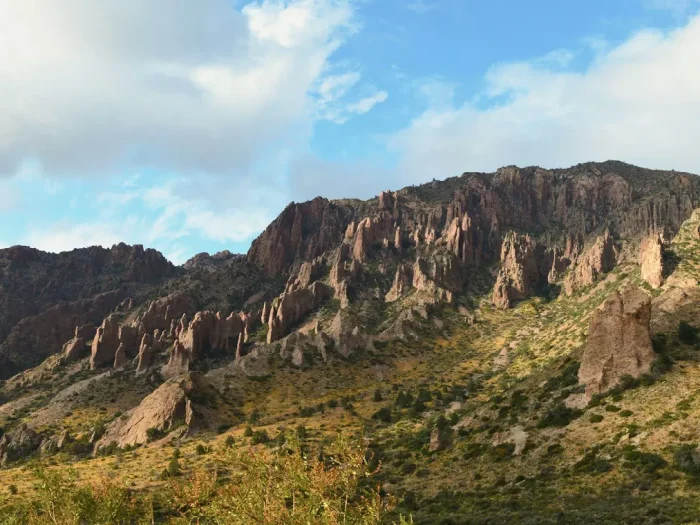
The right gear is only part of a good safety plan. You must know your land to use a mobile setup well. Pinnacles National Park has steep canyons that show how wind moves fire. Learning about hills helps you park your gear in the best spot. You should stay on the side where the wind blows away from you.
Creating a Response Plan
Practice with your gear is the only way to be ready. Everyone on the property should know how to start the pump. You must learn to clear a clogged nozzle before a fire starts. Drills should include driving the skid to your fill spots.
- Check all water sources like ponds or big tanks on your land.
- Your pump needs a hose that pulls from these deep sources.
- Talk to neighbors about how you will help each other.
- Map out two ways to leave if the fire gets too big.
- Keep a log of when you change the engine oil.
Making a Safe Space
A clear yard helps your equipment work much better. Keeping grass short around your house gives you room to move safely. The National Fire Protection Association has many tips for cleaning up your land. This group helps people lower their risk of losing a home. Good yard work and a pump together make a strong defense.
Technical Standards and Personal Safety
Mobile systems are strong but you must also protect your body. Fire clothing and leather gloves are as vital as the pump. Smoke is a big danger so keep a mask in your truck. Drink plenty of liquid to stay cool while you work in the heat. Stop working if you feel dizzy or too hot.
Different woods and plants burn in different ways depending on the state. Olympic National Park shows how wet forests burn differently than dry deserts. Your gear needs to work for the specific plants on your land. You might need foam for thick trees or high pressure for grass. A versatile pump works well for all these different needs.
Modern fire tools are now easy for many people to buy. A high quality skid system gives you a way to defend your home. Focus on a strong build and training to stay safe this year. These tools are the first line of defense for your family. They help stop small fires from becoming huge problems for everyone.