The Complete Guide to Trekking Poles for Safer and Smarter Hiking
When it comes to planning out the next outdoor adventure, having the right equipment is what will see a person through from a smooth experience to a tough one. If a person is going out for a short nature walk or is getting ready for a multi-day mountain expedition, quality gear that is also very safe, comfortable, and performs well is what will be wanted. At sites like exploregears, it is seen that there are at hikers’ and trekkers’ disposal very reliable outdoor resources that help them out in choosing what equipment works best for different terrains and weather. In the great selection of hiking accessories today, trekking poles stand out as the most practical and beneficial tools for outdoor enthusiasts.
What Are Trekking Poles?
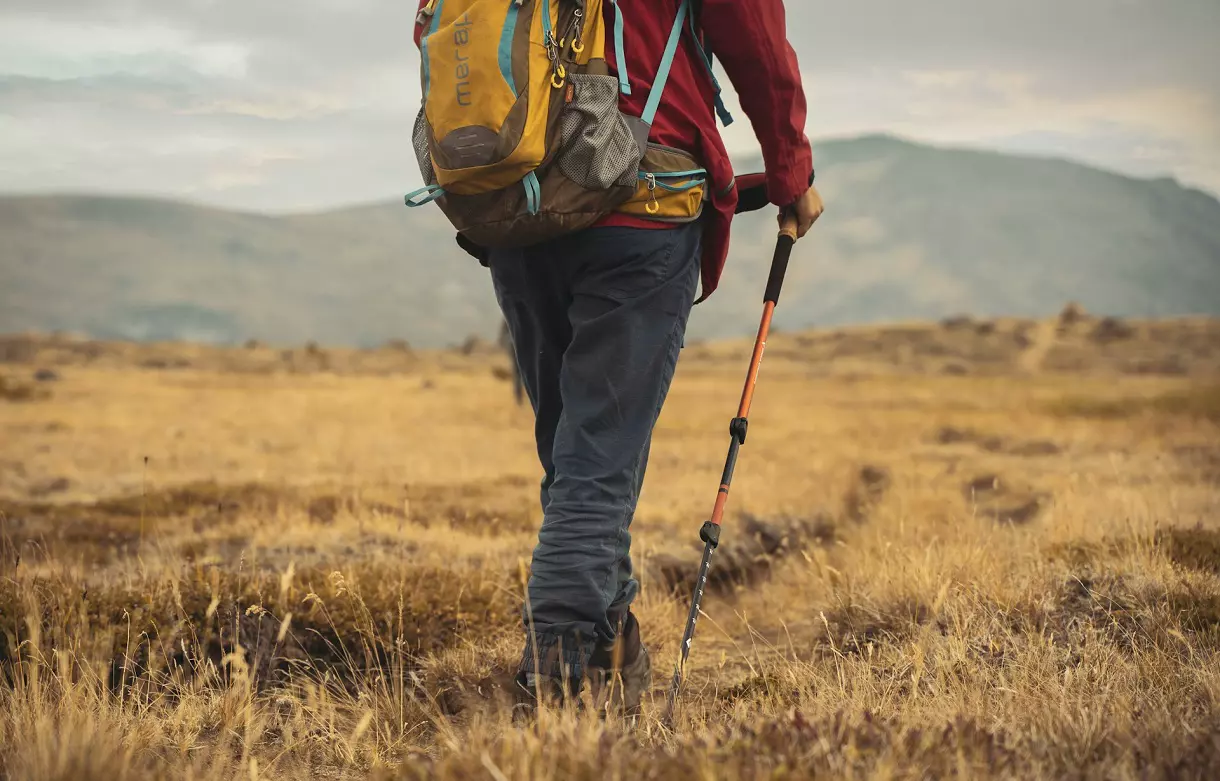
Trekking poles are a type of lightweight walking stick that also folds for adjustment to the user’s height and are very useful for stability on rough terrain. At first used primarily by mountain climbers and long-distance hikers, they have grown in popularity with the average walker and backpacker. Today’s trekking poles are made of aluminum or carbon fiber, which provides a great mix of strength and low weight. Also, they usually feature an ergonomic handle, extendable stem, wrist loop, and stable tips, which all together make for a better and more comfortable hiking experience.
Benefits of Using Trekking Poles
Trekking poles’ main benefit is improved balance. As a person hikes on rocky trails, muddy paths, or steep slopes that present a great challenge to balance, that is when the value will be seen. Also, they add extra points of contact with the ground that in turn decrease the chance of falling. Also, at very steep descents, which are hard on the knees, trekking poles are very useful in providing extra support.
Another key benefit of using trekking poles is that they reduce the stress on joints. When a person is hiking downhill, the knees and ankles in particular bear great stress. By shifting some of the body weight to the poles, joint impact may be minimized, and therefore long-term fatigue may be reduced. Also, which in turn makes trekking poles very useful for people with past injuries or those who are shouldering heavy packs over great distances.
Trekking poles also do for improved endurance. They engage the upper body in addition to the lower, which in turn evens out the physical effort. Instead of putting full use on leg muscles, it is possible to also use arms and shoulders, which in turn may conserve energy and maintain a steady pace during long hikes.
How to Choose the Right Trekking Poles
Choosing the proper trekking poles is a matter of which features they have. Length is a great variable to pay attention to as it varies by terrain. For uphill climbs shorter poles should be used, which provide better leverage; for downhill a little longer should be used, which will give more support. Most trekking poles have either twist-lock or lever-lock adjustment features, which in turn allow for quick and secure on-the-go adjustment.
Material is a key issue. It is seen that aluminum poles do very well in terms of durability and also in terms of price, which is great for tough environments. Carbon fiber poles are also light and do a better job at absorbing shock but may not do as well in heavy impact situations. It’s a matter of what kind of hiking is done, what the terrain is like, and also what each individual prefers.
Grip comfort is a key element that often gets ignored. Cork, foam, and rubber as materials for handles each bring something different. What also may be noted is that a good grip, which is comfortable in the hand, improves control and also helps in reducing hand fatigue out on a long hike.
Proper Technique for Maximum Efficiency
Using proper technique is key to getting the most out of trekking poles. On flat ground the poles should move with each alternate step as with a natural arm swing. For uphill sections, the poles should be planted well in front for that extra push. During downhills, the poles should be put out in front, which will help control the speed and reduce knee impact. Right wrist strap tightness allows a person to keep a loose but secure hold.
Trekking Poles for Different Environments
Trekking poles are a very flexible set of tools that go beyond use on just mountain trails. In forests, deserts, at the beach, and in the city, their use can be seen. In the winter they are an asset on icy paths. Also, some models come with changeable tips or baskets for snow and sand, which in turn increases their use across the seasons and various terrains.
Conclusion
Trekking poles are much more than just walking sticks; they are key tools that improve balance, reduce joint stress, increase endurance, and, in turn, improve safety while hiking. In terms of choice, what is important is adjustability, material, and comfort. By learning of their benefits and proper use, hikers report great improvement in the outdoor experience. Whether a person is a new or an experienced backcountry traveler, trekking poles provide confidence, comfort, and support with every step.