Explore NZ with Affordable Campervan Options
If you live in the UK and you keep finding yourself zooming in on Google Maps, tracing that skinny shape of New Zealand and thinking, “Could I really drive the whole thing in a campervan?” then you are in the right place.
NZ campervan trip searches are rising for a reason. People are craving more freedom, more nature, and a trip that feels like a real break from everyday life, not just another resort week.
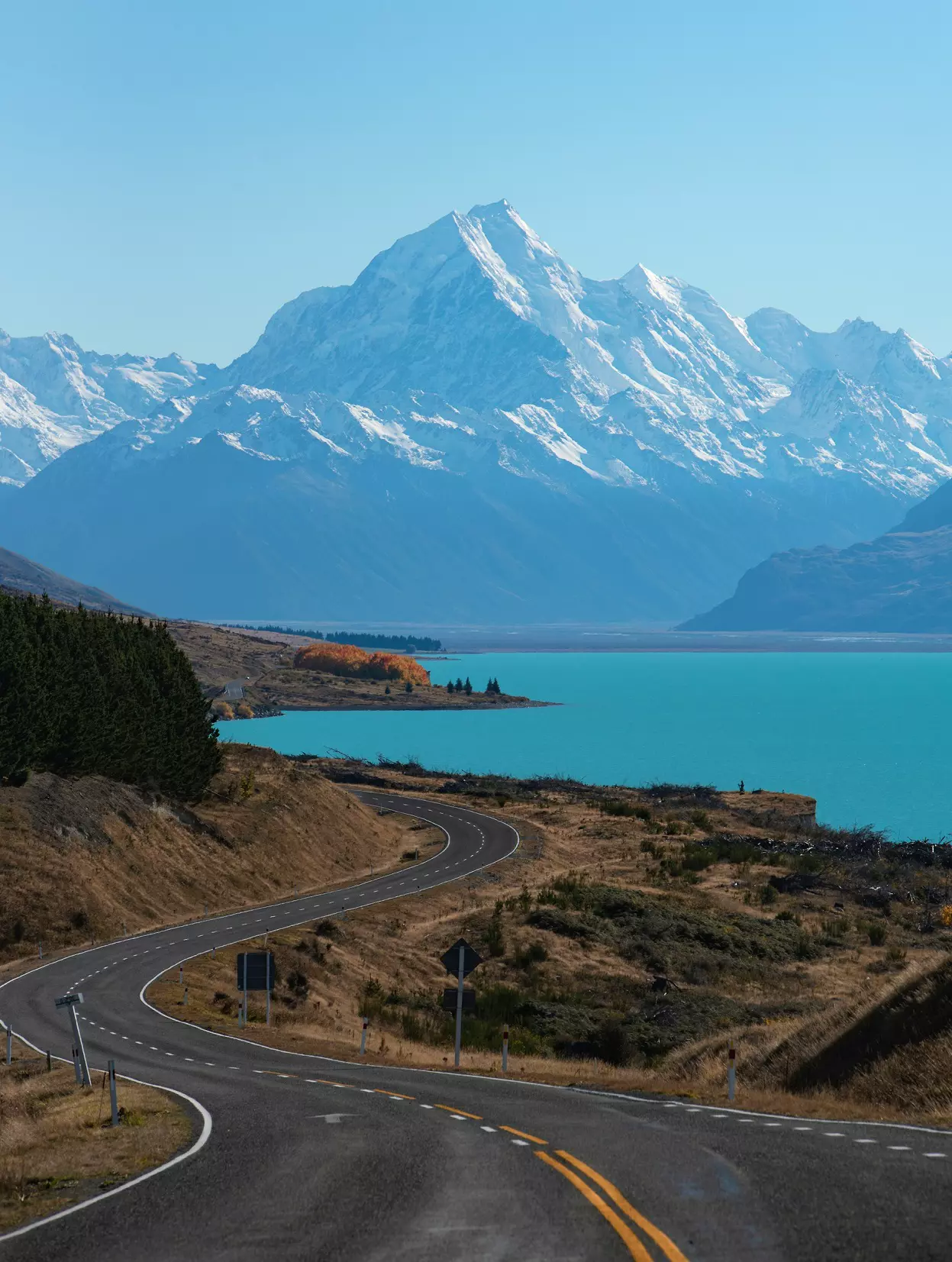
Lake Pukaki, New Zealand
Why UK travelers fall hard for New Zealand road trips
If you love a good road trip across Wales, the Highlands, or the Lake District, New Zealand feels like the next level. You stay on the same side of the road with familiar road signs and a similar language, but the landscapes change fast. The views often feel a bit unreal compared to what you see at home.
Think Scottish mountains one morning and Cornish style coves the next. You will also see stretches that feel like a cleaner, calmer version of the Alps. You drive twenty minutes and the view outside the windscreen looks completely different again.
The big hook for many UK travelers is simple. Once you organize your motorhome or campervan your bed, kitchen, and lounge come with you. No more packing and unpacking suitcases. No more dragging bags through hotel lobbies.
This method lets you explore NZ on your own terms. You can wake up near a beach or deep in a forest. It creates a connection with the land that you just cannot get from a bus tour.
If you are looking to buy a campervan for your NZ adventure visit Zion Motorhomes.
NZ campervan hire UK: how different is it from road trips at home
You might assume New Zealand is tiny and easy to blast through in a week. On the map, it can look like an island you could almost skip across. On the road, it tells a different story.
Distances feel longer because many roads are narrow, bendy, and built around the land rather than carved straight through it. A journey that looks like a two hour drive on Google can easily turn into three or more. This is especially true in a large automatic vehicle that has a lower top speed than your car at home.
Travel info resources often suggest padding your travel times by at least thirty percent. This gives you time to stop for photos. It also reduces stress if you get stuck behind a sheep truck.
Driving and road types you can expect
Good news first. You drive on the left, use kilometers, and most main roads are sealed. If you are used to English country lanes or parts of rural Scotland, nothing here will terrify you. You just need to respect the corners and the weather.
You will run into four main types of roads that matter for campervan trips.
- Coastal routes that hug cliffs and bays with constant bends.
- Mountain passes that climb fast and wind through saddles and valleys.
- Gravel access roads close to some national parks and remote beaches.
- Short motorway sections near larger cities such as Auckland and Wellington.
Gravel needs slow driving and a light touch on corners. Many rental firms limit which unsealed roads you are allowed on. Check your terms regarding vehicle age and road restrictions before you take that tempting detour down a dirt lane.
Weather that changes faster than a British forecast
If you think the UK is changeable, New Zealand still finds a way to surprise you. One morning can start calm and bright, turn into strong wind by midday, and finish with low fog. A fast shower rolling across the hills is common.
Checking the local forecast through the MetService site or app becomes part of your routine. Before you set off each day, take a quick look so you are not stuck on a high alpine pass. Snow or strong wind can hit quickly.
Winter and early spring bring a real chance of black ice, especially in the South Island. In strong winds, you need to ease off the speed. A tall camper can move around much more than your usual car.
Freedom camping and the Tiaki Promise
In the UK, you usually expect clear limits on wild camping and many places simply do not allow it. In New Zealand, the culture is more open. However, it comes with rules that matter just as much as road rules.
Freedom camping is usually only allowed in vehicles that meet a fully self-contained standard. That means the camper can handle its own waste, has a toilet, water storage, and so on. Even then, councils often mark specific spots where you are allowed to park overnight.
Travelers are encouraged to follow the Tiaki Promise. This is a commitment to care for New Zealand, preserving it for future generations. It means you respect the land, leave no trace, and drive safely.
Fines can be steep for staying where you should not. It is smart to use apps and local council information before you decide to settle in. Do not just park beside a pretty lake without checking signs.
Planning your New Zealand campervan route from the UK
If you are flying halfway across the planet, the last thing you want is to lose days of your holiday arguing about which way to drive. A rough plan goes a long way. You can still keep plenty of space for spontaneity once you land.
Start with how many days you truly have on the ground. Then ask yourself a few blunt questions about what you care about most on this trip. Nature, cities, food, adrenaline activities, or long walks? All of that shapes the route more than you think.
Discover your perfect adventure on the road with Wilderness Motorhome Sales. This specialist NZ dealer offers a curated range of new and used motorhomes from premium European brands like HYMER, Carado, and Bürstner — all chosen for quality, comfort and performance suited to Kiwi roads and lifestyles. Whether you’re after a luxury 4×4 or a versatile family motorhome, Wilderness Motorhome Sales provides detailed listings, expert advice and ongoing support across Auckland and Christchurch. Start your journey by exploring current motorhomes for sale and find the right fit for your next New Zealand adventure.
North Island versus South Island, or both
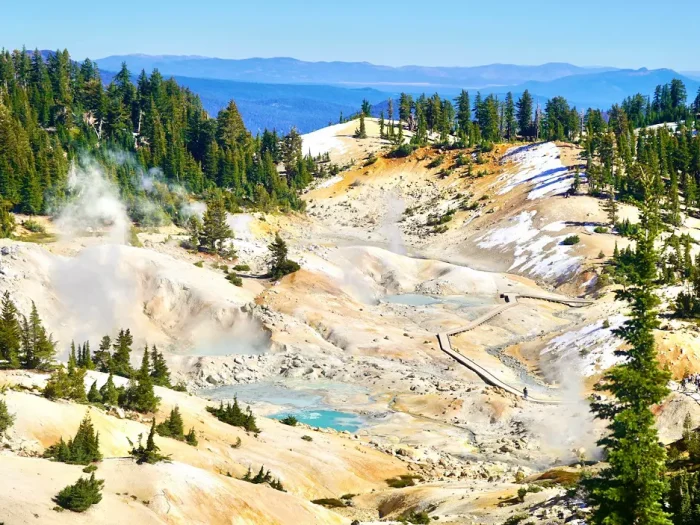
The North Island mixes hot pools, live volcano areas, long rolling hills, and a good dose of Māori culture. If you enjoyed trips through the Peaks or Cumbria and you like the sound of steam vents and mud pools, this side is for you.
The South Island carries the big set piece views most people think of from travel brochures. You will see wide turquoise lakes, glacier fed rivers, and deep fjords. The peaks here make even seasoned UK hillwalkers quiet for a moment.
Many UK travelers want both. That is possible if you give yourself enough time. Two to three weeks lets you drive from Auckland down through the middle of the country and cross the Cook Strait.
Simple sample routes for first timers
Here are a few popular routes to picture what your NZ campervan hire could look like in real life.
- Auckland round trip focused on Northland, Coromandel, and Rotorua.
- Christchurch Queenstown loop through the South Island including Lake Tekapo and the West Coast.
- One way Auckland to Christchurch or the reverse, taking in highlights from both islands.
If one way trips appeal to you, look closely at how the hire firm handles different drop off locations. Some include the one way fee, while others do not. You might find relocation deals in quiet periods that offer cheaper rates.
Choosing the right camper for your style of travel
The type of campervan or motorhome you book can change the entire feel of your holiday. A couple used to tight city parking in London may love a compact two berth that slips into more spaces. A family with two teenagers might lose their minds without enough beds and a real lounge area.
Most New Zealand fleets are grouped by berth size and vehicle age. Newer vans cost more but often feature modern tech. Older models are cheaper but might have higher mileage.
Think of them as moving cottages. Some are basic cabins while others are full apartments on wheels. You can also find premium options like Zion campervans or similar well-known brands.
Key questions to ask yourself before you book
A few simple decisions at the start will cut the noise from dozens of campervan listings down to a short list that suits you. Check availability early to see what is left.
- How many people will sleep in the van?
- Do you need a separate bed for every person or can some share?
- Will you cook most nights or rely more on cafes and takeaways?
- How much time will you spend parked in nature versus at full service holiday parks?
- Do you need child seats or room for bikes?
Using Online Booking Tools and Understanding Terms
Booking your camper online is similar to booking a flight, but with a few more options. You will usually start by entering your dates into a calendar widget. You might see date abbreviations like su mo tu or fr sa to indicate availability.
When you use a search engine to travel dates select, pay attention to pickup and drop-off times. You will typically select a location pick point and a location drop point. Make sure these match your flight itinerary.
During the process, you might encounter a screen where passengers select adults and children counts. Make sure this number does not exceed the legal seatbelts in the van. The reservation team at the rental company will deny the rental if you have too many people.
Drivers and Insurance
You will need to designate a main driver. You can often select main driver details during the checkout or at the counter. Check the rules regarding driver age.
Some companies charge a young driver fee for those under 25. Always read the liability options carefully. Reducing your excess to zero costs more upfront but saves worry on gravel roads.
Budgeting for a New Zealand campervan trip from the UK
There is no way around it. A New Zealand campervan holiday is an investment. But done smartly, it can still compare well with a month of flights, hotels, car hire, and eating out every day.
The main costs you will juggle are either vehicle purchase or vehicle hire, campsites, fuel, food, and activities. Insurance and add-ons sit on top, plus flights of course.
Typical campervan daily rates
Daily rental rates move a lot based on season, vehicle class, and how early you book. A compact, older style camper can cost about the same as a basic hotel room back home in low season. A high end motorhome with more space can push up close to a London hotel price.
Booking early often helps with better deals. This is especially true for Christmas through February. This period lines up with New Zealand summer holidays and is the busiest travel time.
Campgrounds, freedom camping and overnight costs
Once you have your camper, you still need safe and legal places to sleep. This is where your choices can really change your daily spend.
| Overnight option | What it offers | Typical cost range |
| Holiday park powered site | Power, showers, kitchen, laundry, often a playground or pool. | Mid to upper price per night. |
| Holiday park non powered site | Access to shared facilities, but no plug in for your van. | Lower than powered but still paid. |
| Department of Conservation site | Basic facilities, simple toilets, natural setting. | Usually lower cost, sometimes very low. |
| Freedom camping where allowed | No services, often scenic spots, rules apply. | Free, but only in legal areas. |
Many UK travelers mix all of these. You might spend a few nights on the grid with showers and laundry sorted. Then you can spend one or two quieter nights closer to trailheads.
Travel admin for UK citizens heading to New Zealand
The fun stuff is routes, vans, and lakes. But the boring paperwork makes the trip actually possible. Ignore this part and your big trip can hit a wall at the check in desk.
As a UK citizen coming for a holiday, you normally travel under a visa waiver. You will need to complete some digital steps before you board. Your passport needs to be valid for long enough after you plan to leave.
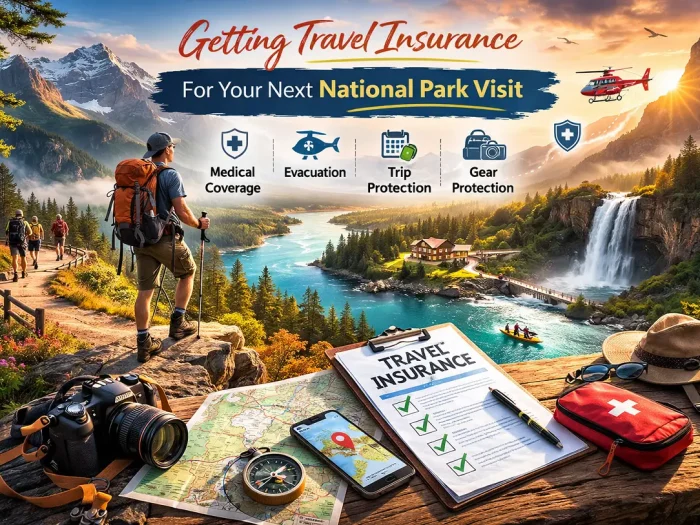
Travel insurance is not mandatory but highly recommended. You can drive most campervans with your full UK license. It must be in English and still current.
Small cultural shifts: from language to daily habits
You might assume that because both countries speak English, you will understand everything. For the most part, you will. But a few words can throw you for a moment at a petrol station.
Hiking becomes tramping. Petrol stations might be called gas stations. Your flip flops are jandals. A swimsuit is called togs.
Getting used to these phrases is part of the fun. You also notice little shifts in daily culture. Campgrounds may feel more relaxed. People might strike up more casual chat with you at a picnic table.
New Zealand has a way of getting under the skin of UK travelers. Maybe it is the shared history or the mix of very familiar and totally fresh experiences. Locking in a long awaited trip lets you build a holiday that feels richer than a simple city break.
You are not just booking a bed and a car. You are booking a moving base where sunrises, muddy boots, lake swims, and hot coffees all run together. That blend of freedom and comfort makes people come back from a New Zealand campervan trip and start planning the next one immediately.