
Comfort and Safety First: Choosing the Right Outdoor Shoes
When it comes to outdoor activities, the right footwear can make all the difference. Whether trekking through forest trails, climbing rocky paths, or navigating wet terrain, shoes that prioritize comfort and safety improve performance and reduce the risk of injury. Outdoor shoes are designed to support your feet in diverse conditions, offering grip, stability, and protection against environmental challenges.
Selecting footwear without considering your specific needs may lead to discomfort, blisters, or accidents, making every adventure less enjoyable. Understanding the key factors that affect comfort and safety helps you make informed choices, ensuring each outdoor experience is secure and enjoyable.
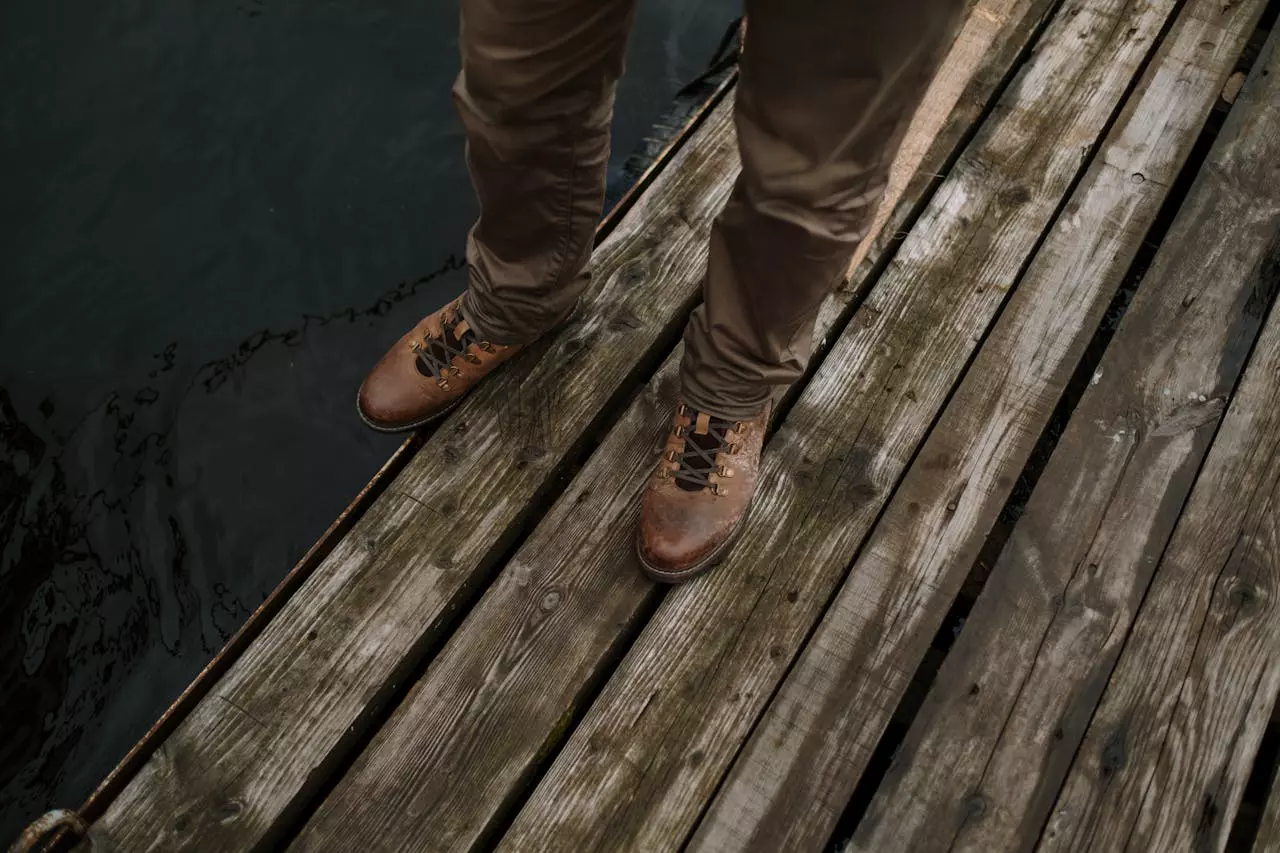
Understanding Terrain and Activity Requirements
Choosing outdoor shoes begins with evaluating the type of terrain and activity you plan to tackle. Hiking on smooth, well-marked trails demands a different shoe than scrambling over uneven rocks or walking through muddy paths. Trail running shoes typically emphasize flexibility and cushioning, while hiking boots focus on ankle support and durability.
For water-based activities, quick-drying shoes with strong traction are crucial. By matching footwear to terrain, you reduce the risk of slips, twists, and other injuries. Assessing your activity in detail ensures your choice addresses the challenges your feet will face, keeping comfort and safety as central priorities throughout your adventure.
Prioritizing Fit and Support
Proper fit and support are fundamental in outdoor footwear. Ill-fitting shoes can cause friction, blisters, and long-term foot problems. Look for shoes, such as these at Wellington Boots, that match your foot shape, width, and arch type, and always account for socks that may add extra space. High-quality shoes offer cushioning in key areas such as the heel and forefoot, while structured midsoles provide stability for uneven surfaces.
Ankle support is crucial for hiking boots, helping prevent twists on irregular terrain. Testing shoes by walking on varied surfaces before committing to a pair ensures that they provide the right balance between comfort and structural support, making long outdoor excursions less taxing on your feet.
Evaluating Traction and Sole Design
Shoe soles are vital for safety, as they determine how effectively your feet grip different surfaces. Vibram and other specialized sole designs offer multidirectional treads that prevent slipping on wet or loose ground. Deeper lugs and flexible soles allow shoes to adapt to rocky or muddy paths while maintaining stability.
Consider the type of surfaces you expect to encounter, from hard-packed trails to slippery rocks, when selecting the tread pattern. Durable soles prolong the life of your footwear, resisting abrasion and wear. A well-designed sole increases confidence on uneven terrain, reducing the likelihood of falls or mishaps during outdoor activities.
Waterproofing and Breathability Balance
Outdoor shoes often require a balance between waterproofing and breathability. Waterproof membranes protect feet from rain, snow, or wet terrain, preventing discomfort and potential foot health issues. Breathable materials allow sweat to escape, reducing overheating and blisters.
Gore-Tex and similar materials offer this balance effectively, while lightweight fabrics may work better in dry, warm conditions. Choosing the right combination ensures your feet stay dry and comfortable, regardless of environmental conditions. Assessing how long and in what conditions you will be outdoors helps determine the level of waterproofing and breathability required for your footwear.
Durability and Material Considerations
Durability is another key factor in outdoor footwear. High-quality materials such as leather, reinforced synthetic fabrics, and protective overlays help shoes withstand harsh conditions and repeated use. Stitching, sole bonding, and construction quality play a significant role in long-term performance.
Shoes that wear down quickly can compromise safety, as worn soles or weakened structures reduce traction and support. Investing in durable shoes ensures they maintain their protective qualities across multiple seasons and varied terrains. Durable footwear provides peace of mind, letting you focus on your outdoor experience instead of worrying about potential failures in your shoes.
Comfort Features for Long-Term Use
Long-term comfort is important for outdoor activities that span several hours or days. Cushioned insoles, padded collars, and flexible midsoles reduce fatigue and pressure on joints and muscles. Some shoes include removable insoles for custom orthotics, enhancing fit and comfort for specific foot needs.
Lightweight construction can ease prolonged use, allowing for easier movement without compromising stability. Paying attention to these comfort features minimizes discomfort and the risk of overuse injuries, ensuring that outdoor adventures remain enjoyable from start to finish. Comfortable shoes let you focus on the journey, rather than on sore feet or limited mobility.
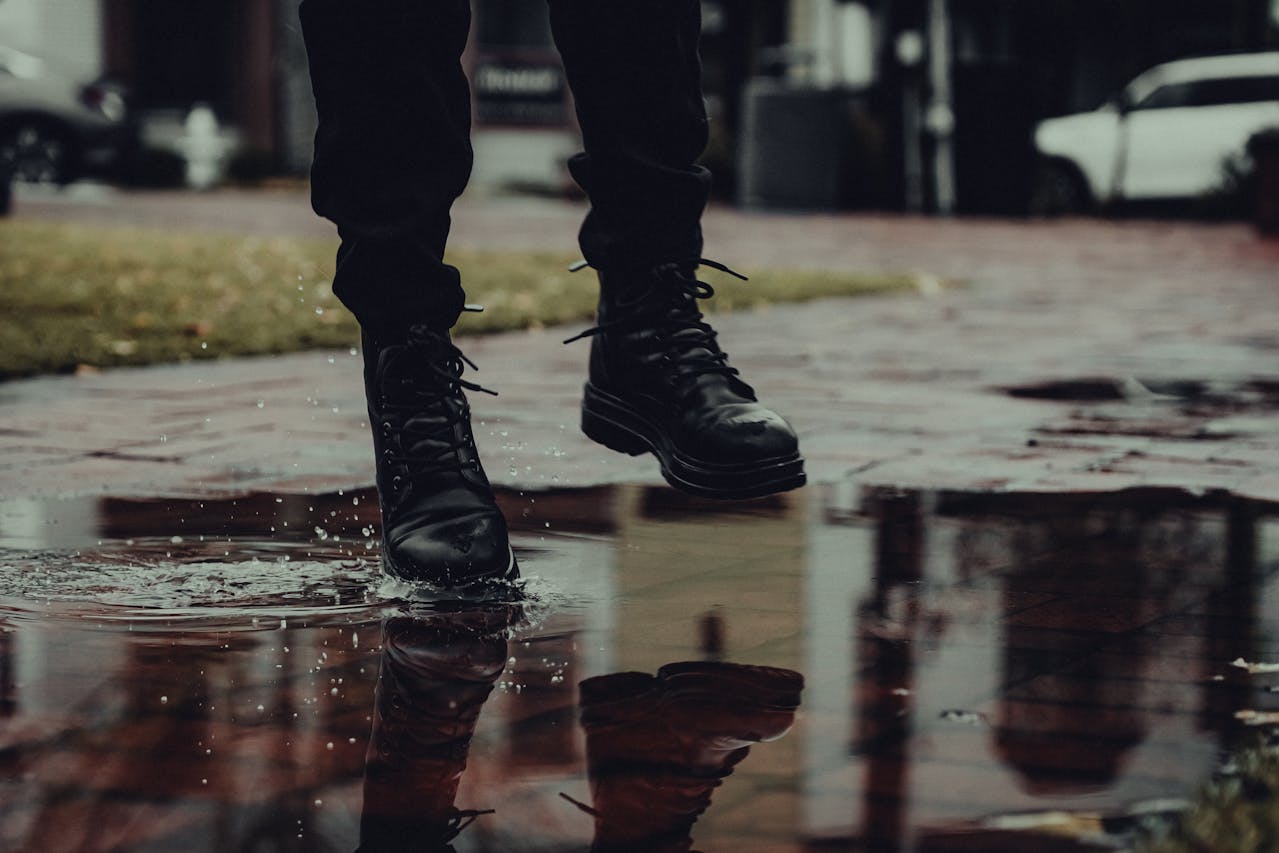
Choosing the right outdoor shoes requires a careful assessment of terrain, activity, fit, support, traction, durability, and comfort. Each factor contributes to safety and enjoyment, preventing injuries and enhancing your experience. Investing in footwear that meets your specific needs ensures that every outdoor excursion is secure, comfortable, and engaging.
Prioritizing quality, thoughtful design, and proper fit allows adventurers to face challenging terrain confidently, knowing their feet are protected and supported. The right shoes transform outdoor activities into safer, more enjoyable journeys, making comfort and safety the foundation of every adventure.