Building Safer, More Inclusive Playgrounds: Lessons from Modern Park Design
Anyone who grew up in the 20th century surely remembers the dangers of public playgrounds. Whether at school or in a local park, there were metal slides, broken swings, merry-go-rounds that flung you across the yard, and sharp woodchips that “broke” your fall. Fortunately, modern park design has cushioned those falls better and upgraded the equipment to be much safer and more inclusive. Here, you’ll find tips to help bring your playground into the future, too:
Prioritize Accessibility
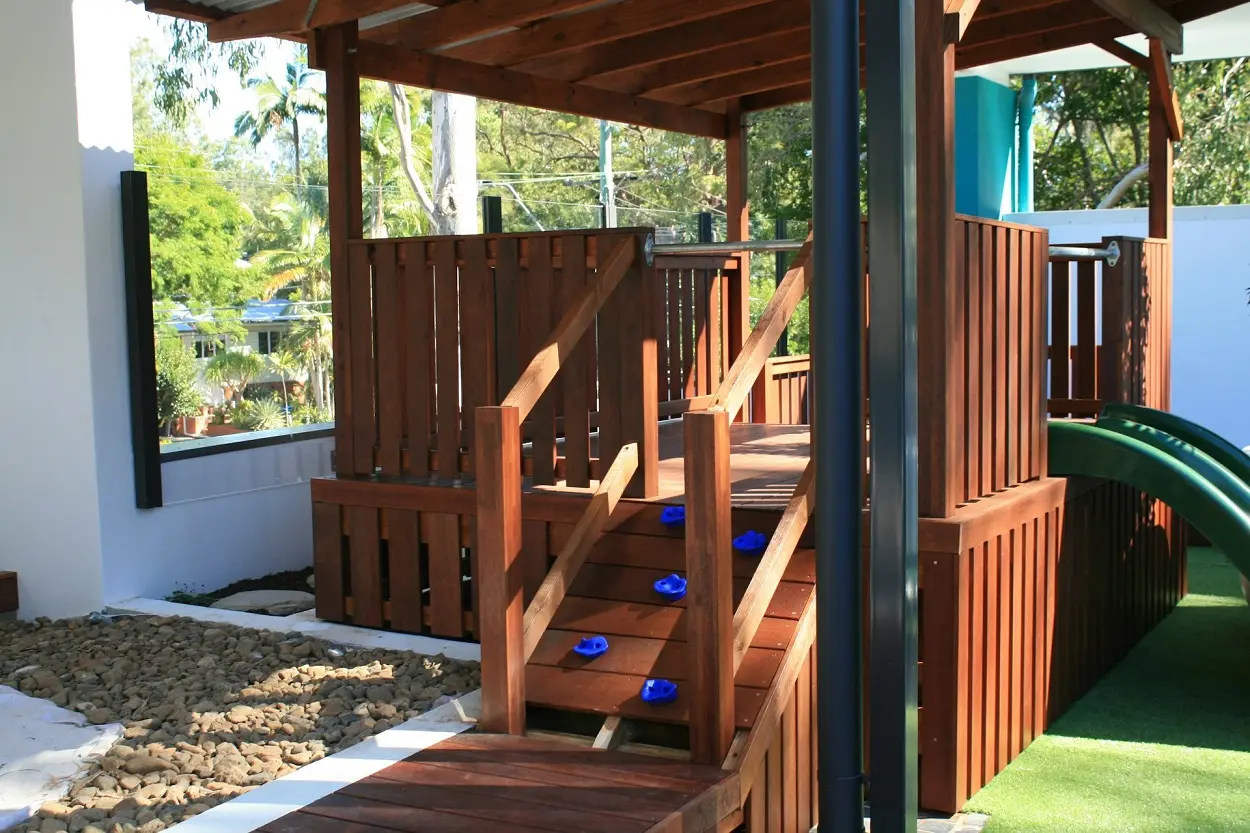
One of the most challenging aspects of traditional playgrounds is that they bar many kids with different abilities from playing. Kids in wheelchairs, children with developmental disorders, and even those with intense sensory needs often couldn’t enjoy the equipment. This left both able-bodied children and those with special needs deprived. Mainstream kids rarely get the chance to build compassion and empathy for those with different abilities. And kids with special needs often felt excluded and isolated.
Modern playgrounds and playground equipment can be the great equalizer for all children. To start, city planners can make sure the surfaces are smooth. Poured-in-place rubber or rubber tiles will allow kids on wheels or walkers to access the entire playground. Another step to take is to include features that allow children and caregivers of all abilities to easily move up, down, and across structures. These simple changes make the entire park more friendly to the community and bring kids together.
Include Graduated Challenges
Time and again, kids age out of playgrounds, finding themselves bored or “over it.” In contrast, smaller kids often find some equipment too challenging to play on, which can lead to injury and, again, boredom. This situation is so common because it’s not easy to figure out exactly which play equipment will be ideal for kids of all ages. But failing to meet these needs can give a playground a reputation for being only for “certain kinds of kids.”
The solution to this problem is to include graduated challenges. Many modern parks have multiple zones or areas for kids of different ages. A toddler section can have lower parallel bars, swings that are closer to the ground, and shorter slides and climbing walls. A play area for elementary school kids can have bigger structures and taller slides. And of course, you can include giant climbing ropes, tall ladders, and swinging bars for older, more capable kids to push themselves physically. Those playgrounds are the ones teeming with kids of all ages.
Aim for Universality
The sad reality is that there will be some challenges that children with different abilities can’t meet. This doesn’t have to be a problem as long as you have equipment that those kids can enjoy as well. The point of creating a universal playground isn’t to make it so that all kids can play on all the equipment. It’s that all kids can find some challenge somewhere within the open play space. And, really, you want all kids to be able to try.
What this means is that your designers should be aiming to create as much access as possible for kids and caregivers with a range of mobility. Wide pathways, wide slides, inclusive merry-go-grounds, and inclusive swings create opportunities for kids to try new equipment. Many parks today still limit this level of access, so your playground can become a beacon of inclusivity through your universal design concepts.
Address Sensory Needs
A relatively new concept in the public conversation is that of sensory issues in children. Many kids today find themselves quickly overwhelmed by too much noise, crowds that are too big, and colors that are too bright. Kids who get overstimulated easily may choose to avoid the park altogether rather than deal with the disruption to their nervous systems. These kinds of reactions can take hours to shake off, and it might not seem worth it.
You can make your playground more welcoming by avoiding big, bold reds, blues, and greens. Instead, work with natural colors like soothing sages, soft yellows, and gentle grays and blues. Across your structures, you can also introduce interactive elements like music instruments, sand, and water features. It’s also a good idea to include calming areas, where kids can rest in corners in the shade, sit on soft benches, and be close to greenery.
Bring In Nature
Finally, a truly innovative way to make your park more inclusive and safe is to bring in the natural elements. Far too many playgrounds today are made of hard plastic over hard concrete. You may find some grass off in the distance, or maybe a few trees dot the area, but nature is otherwise scarce. This setting can be off-putting to many kids who become overstimulated in these big spaces with no natural elements to break up the scenery.
Nature has proven to be incredibly calming for kids and adults alike. You can plant fast-growing trees like the Weeping Willow or the Silver Maple. These will provide shade, climbing branches, and gentle, creative stimulation for visitors. Plant bushes and flowers to make the park feel surrounded by nature, and create a grassy area for kids and caregivers to rest when they’re tired from play. This setting can invite everyone from your community to come, join the fun, and spend time together in a safe environment.
In the end, you can take many steps to design a safe, inclusive playground for everyone to enjoy. From accessible surfaces and wider platforms to graduated challenges and natural surroundings, parks should be a haven for all visitors. And they can be, with just a few tweaks here and color swatches there. Before you know it, your city or school will have all the kids in your community racing eagerly to play with and make new friends.