Best Shoes for National Parks When You’re Not Doing Hardcore Hiking
National parks are often associated with rugged trails and steep climbs, but not every park visit involves serious hiking. Many travelers spend their time walking scenic paths, exploring viewpoints, strolling boardwalks, and enjoying nature at a relaxed pace.
Choosing the right shoes for these kinds of trips is about balance. You want comfort, stability, and grip without committing to heavy boots designed for technical terrain. The right footwear makes it easier to enjoy long days outdoors without sore feet or unnecessary bulk.
Here is a guide to the best shoe options for national parks when hardcore hiking is not on the agenda.
What to Look for in National Park Shoes
Before choosing a specific category, it helps to understand what matters most for light park exploration.
Comfort for extended walking is essential. Many national parks involve more walking than expected, even on easy trails. Traction matters too, as paths can be dusty, uneven, or slightly slippery. Breathability and support help during warm weather and long days.
You do not need stiff soles or ankle-height boots unless you are carrying heavy packs or tackling steep terrain. Flexibility and comfort often matter more.
Hiking Shoes Without the Heavy Boot Feel
Hiking shoes are a great option for national parks when you want trail-ready features without the bulk of full boots.
Altra hiking shoes are especially popular for light hiking and park walking. Known for their natural foot shape and roomy toe boxes, Altra hiking shoes allow feet to move comfortably over long distances. Their traction works well on dirt paths, gravel trails, and uneven ground without feeling stiff.
These shoes are ideal for travelers who want confidence on varied terrain but plan to stick to well-maintained trails and scenic walks rather than technical routes.
Other hiking shoe brands also offer low-profile options that feel closer to sneakers than boots, making them easier to wear all day.
Trail Running Shoes for Versatile Park Days
Trail running shoes are another excellent option for national parks. Designed for grip and movement, they perform well on packed dirt, rocky paths, and mixed surfaces.
Brands like HOKA, Salomon, and Brooks offer trail shoes that combine cushioning with reliable traction.
Trail runners are lighter than hiking shoes and feel more athletic. They work well for travelers who want one shoe that transitions easily from park paths to casual sightseeing.
Everyday Sneakers for Boardwalks and Viewpoints
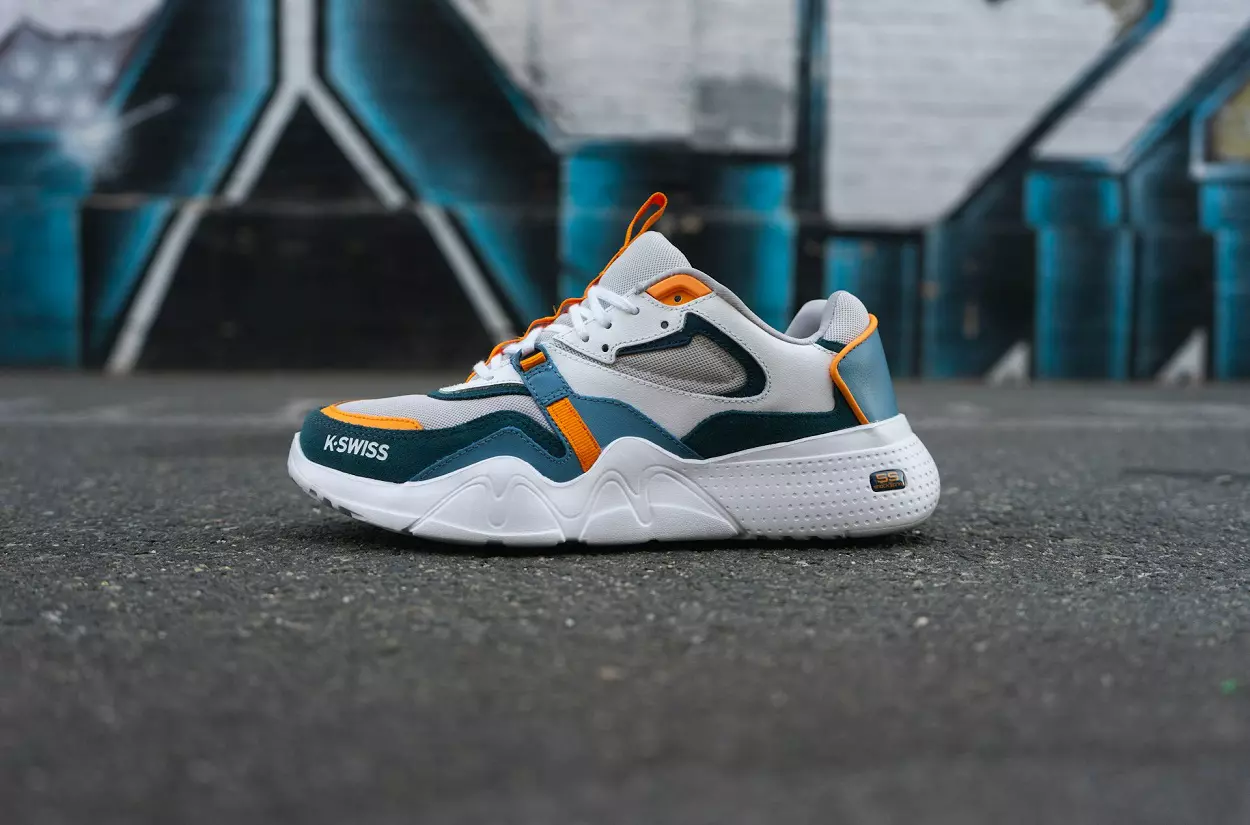
In parks with paved paths, boardwalks, and scenic overlooks, everyday sneakers can be perfectly suitable.
Well-cushioned sneakers from brands like New Balance or Nike work well for long walks on stable surfaces. These shoes are comfortable, familiar, and easy to pack.
The key is choosing sneakers with good support and durable soles. Thin, flat fashion sneakers may struggle on uneven paths, but supportive lifestyle or running-inspired models perform well.
Slip-On and Casual Walking Shoes
For parks focused on gentle walking and sightseeing, casual walking shoes or supportive slip-ons can work surprisingly well.
Brands that specialize in comfort footwear often offer shoes with cushioned soles and flexible uppers that handle light outdoor use. These shoes are ideal for travelers who prioritize ease and plan to explore at a relaxed pace.
They are especially useful in parks with visitor centers, scenic loops, and short nature walks.
Sandals for Warm-Weather Parks
In hot climates or desert parks, sandals can be a practical choice if the terrain allows.
Supportive sandals with secure straps work best. Brands like Teva and Keen offer sandals designed for walking rather than just casual wear.
Sandals are ideal for boardwalks, flat trails, and scenic stops where ventilation matters more than protection. They are less suitable for rocky or uneven paths.
Shoes to Avoid in National Parks
Certain footwear types can make park visits uncomfortable.
Flat fashion sneakers often lack grip and support. Smooth-soled shoes can be slippery on dusty or wet surfaces. Heavy boots may feel excessive and tiring if you are not carrying gear or tackling challenging terrain.
Choosing the wrong shoe often leads to fatigue rather than adventure.
One Pair or Two
If packing space allows, bringing two pairs of shoes can improve comfort. Many travelers bring one trail-ready option like Altra hiking shoes or trail runners, and one casual sneaker or sandal for lighter days.
Rotating footwear helps prevent sore spots and keeps feet fresh during multi-day trips.
Fit Matters More Than Brand
No matter the category, fit should always come first. Shoes should feel comfortable right away, without pressure points or stiffness. Breaking in new shoes during a national park visit is rarely a good idea.
Try shoes on with the socks you plan to wear and walk around before traveling.
Matching Shoes to Your Park Style
Not all national park visits look the same. Some involve scenic drives and short walks. Others include miles of gentle trails. Choosing footwear that matches how you explore ensures a better experience.
If your plans focus on viewpoints, photography, and casual walking, sneakers or walking shoes may be enough. If you expect uneven trails and longer distances, hiking shoes like Altra offer added confidence without the bulk.
Final Thoughts
You do not need heavy boots to enjoy national parks fully. The best shoes for non-hardcore hiking offer comfort, traction, and versatility without overcomplicating your trip.
From hiking shoes like Altra to trail runners, supportive sneakers, and even sandals, there are plenty of options that support relaxed exploration. When your feet are comfortable, you are free to focus on the scenery, the quiet moments, and the reason you came in the first place.