A One-Way National Park Road Trip From the U.S. to Canada: An Unforgettable Journey Through Wild Landscapes
There is something deeply grounding about exploring national parks—wide skies, quiet forests, and the kind of solitude that helps you reset your mind. For many travelers, a long one-way road trip from their home in the United States up into Canada becomes more than just a vacation. It turns into a personal journey through iconic landscapes, wildlife habitats, and the most beautiful protected places on the continent.
Unlike short weekend getaways, this kind of cross-border adventure gives you room to slow down. You can wander through slot canyons at sunrise, hike beneath red rock cliffs, breathe in the scent of alpine air, and follow the ecosystems as they shift with every mile. For national park lovers, this creates a storyline that unfolds naturally—from desert to forest to glacier. At the end of your trip, ship your car back home.
Why a One-Way USA to Canada Road Trip Makes Sense for National Park Travelers
A one-way road trip is often the dream scenario for outdoor enthusiasts who want to see as many parks as possible without repeating the same roads twice. When you’re heading northbound, each stop feels like a stepping-stone toward wilder, cooler, higher terrain.
Starting from home makes the journey accessible, and because you’re not circling back, you can devote more days to exploring instead of retracing highways. This type of trip aligns perfectly with how park lovers like to travel: you go in one direction, exploring each major ecosystem once, fully absorbing its climate, culture, and wildlife before moving on.
Another advantage is flexibility. You can design your route around your favorite parks—or around the ones you’ve always dreamed of visiting. Whether you start in the Southwest, the Great Plains, or the Southeast, you can build a path that fits your preferred scenery and time frame.
Designing a Route That Fits Any Starting Point
Most travelers begin from home in the U.S. and head toward their first national park stop. But for those who want to start the journey farther north, there’s always the option to ship their vehicle ahead and then drive back home. Both approaches keep the trip simple, customizable, and personal.
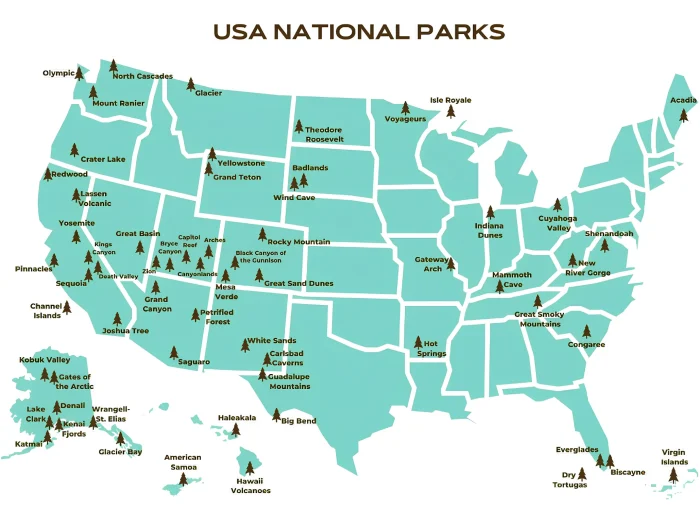
Here’s an example of one of the most popular long-distance national-park-filled routes northbound:
1. The Southwest: Red Rocks, Canyons, and Stargazing
A traveler starting in the southern United States might first point toward Zion National Park, where towering sandstone cliffs glow gold and orange at sunrise. The park lodge is iconic, but travelers on a budget have excellent alternatives—hotels right outside the gate in Springdale or inexpensive options 20 minutes away in La Verkin and Hurricane, sometimes as low as $50–$75 per night.
From there, heading toward Bryce Canyon National Park offers cool air and fairy-tale hoodoos, followed by the dramatic canyon systems of Capitol Reef and the towering peaks of Arches and Canyonlands in Utah.
2. The Rockies: Snow Caps, Wildlife, and High Alpine Meadows
Continuing north brings you through Colorado or Wyoming. Stops like Grand Teton National Park and Yellowstone National Park feel like entering another world—elk bugling in the distance, geysers shooting skyward, and lakes that reflect entire mountain ranges.
3. Montana’s Crown Jewel: Glacier National Park
Before crossing into Canada, Glacier National Park creates a perfect final U.S. highlight. The Going-to-the-Sun Road offers sweeping views of jagged peaks and turquoise glacial lakes.
4. Crossing Into Canada: Waterton, Banff, and Jasper
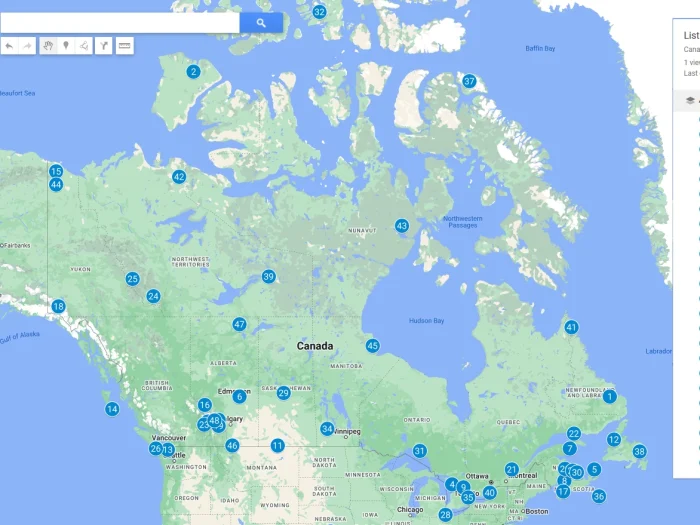
Once across the border, the route blends seamlessly into Waterton Lakes National Park, which connects ecologically with Glacier. Then come two of the world’s most celebrated parks: Banff and Jasper.
Here, wildlife is abundant—bears lumber near berry bushes, elk graze in meadows, and mountain goats cling to cliffs. The Icefields Parkway between these two parks is considered one of the most beautiful roads in the world.
This example route is simply a framework. Your real route can begin anywhere—Florida, Texas, the Midwest, the East Coast—and still flow naturally toward Canada’s mountain corridors.
Ending the Journey: Where to Leave Your Vehicle and Fly Home
One of the hallmarks of a true one-way road trip is that the traveler doesn’t need to drive all the way back. Once the route is complete—whether you finish in Alberta, British Columbia, or another Canadian destination—you can leave your vehicle in any secure place that makes sense. This could be a hotel parking lot where you spent your last night, a friend’s driveway, or even a long-term public parking area near town.
From there, you simply catch your flight home. It’s an easy ending that lets you maximize your time in the parks rather than dedicating extra days or weeks to the return drive. Meanwhile, a professional auto transport service can pick up your vehicle from wherever you left it and bring it back to your home in the U.S. without requiring any extra effort from you.
Many travelers planning long-distance adventures like this realize the return drive is the least exciting part. Some even choose to ship a car to Canada from USA before their trip so they can simply fly to their starting point and enjoy the full drive back home. It keeps the focus on exploring the national parks rather than spending extra days on repetitive highway miles.
Making the Trip Affordable: Lodging Tips for Every Budget
National parks are spectacular, but staying inside them can be pricey—and often unnecessary. In almost every major park, you can cut costs dramatically without losing convenience or comfort.
- Just outside the park gates: Many parks have small towns right at the entrance with motels, boutique lodges, and cabins at a fraction of the in-park price.
- Short drives to nearby towns: Places like Zion, Glacier, and Yellowstone have nearby towns with clean, budget-friendly hotels. Sometimes you’ll find rooms for $50–$75 per night—perfect for travelers focusing on experiences, not luxury.
- Traveling in shoulder seasons: Spring and fall offer lower prices and cooler weather, plus fewer crowds on trails and roads.
These savings free up more of your budget for park entrance fees, meals, unexpected extra nights, and special experiences—like guided wildlife tours or unique local activities.
Conclusion: A Journey Through Nature’s Full Spectrum
A long one-way road trip from the U.S. to Canada is a rare chance to link many of North America’s most iconic national parks into one continuous, meaningful experience. You watch the continent shift from desert cliffs to high alpine meadows, from red rock canyons to glacier-carved valleys.
Whether you’re hiking through Zion’s narrows, watching geysers erupt in Yellowstone, or driving beneath the towering Rockies in Banff, this type of trip allows you to explore nature in its purest form. And with thoughtful planning—especially around lodging and route flexibility—it’s achievable for adventurers on any budget.
For park lovers, this journey becomes more than a vacation. It’s a once-in-a-lifetime passage through the places that define the wild spirit of North America.