A Beginner’s Guide to Exploring National Parks by Kayak
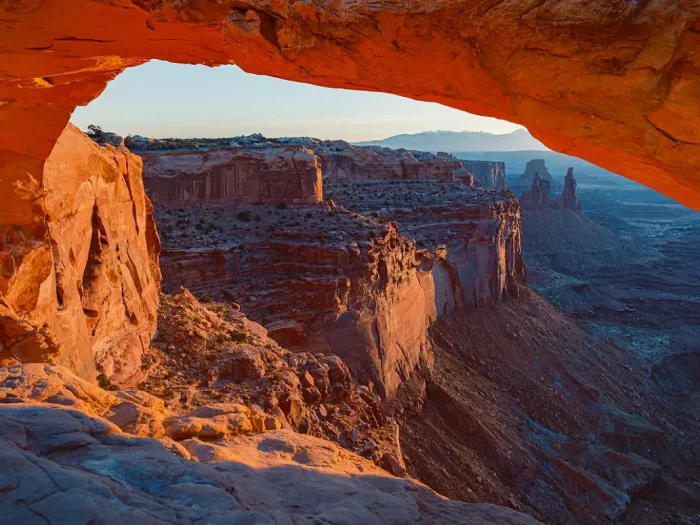
National parks frequently report record-breaking visitor numbers on established hiking trails, leading to congestion at popular overlooks. Consequently, those seeking solitude often find the experience diminished by the sheer volume of foot traffic. Shifting the mode of exploration from land to water reveals a pristine and silent side of these protected landscapes that remains largely unseen. Rivers and lakes act as arteries through the wilderness, offering access to remote areas where silence and nature prevail over human noise. Exploring these waterways provides a vantage point that completely transforms the understanding of a park’s geography.
Advancements in Portable Gear and Accessibility
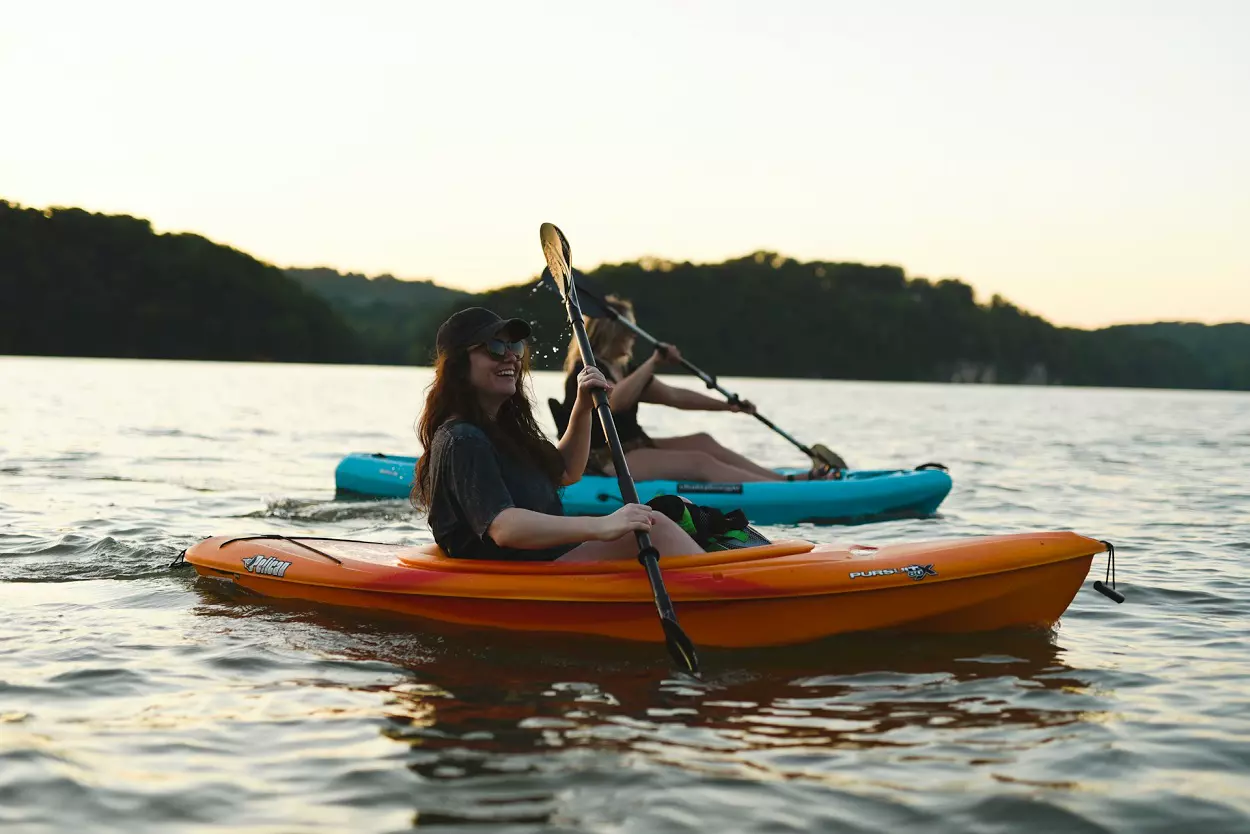
Modern advancements in outdoor equipment have democratized access to aquatic exploration for hikers and campers. Heavy trailers and roof racks are no longer strict requirements for accessing alpine lakes or winding rivers. High-quality inflatable kayaks and packrafts now offer durability and tracking comparable to traditional hard-shell vessels. Experts at Water & Outdoors note that portability allows hikers to carry vessels deep into the backcountry. This evolution in gear technology opens up waterways that were previously inaccessible to anyone without specialized logistical support.
Safety remains the paramount concern when transitioning from solid ground to fluid environments. Alpine weather patterns shift with little warning, transforming a calm lake into a hazardous environment within minutes. Therefore, understanding the risks associated with cold water immersion is crucial for every beginner. Hypothermia can occur even on sunny days if the water temperature stays low, which is common in glacial-fed park waters. A properly fitted Personal Flotation Device is non-negotiable and serves as the single most effective life-saving tool available to paddlers.
Selecting the Right Equipment for Remote Waters
Choosing the correct vessel involves more than just price comparisons or color preferences. Prospective paddlers must evaluate the material quality, specifically looking for drop-stitch construction in inflatables which provides necessary rigidity. Furthermore, sustainability has become a key factor in equipment production. Manufacturers increasingly use recycled materials and eco-friendly production methods to align with the conservation ethos of national parks. Durable gear reduces waste over time, ensuring that the environmental footprint of the activity remains minimal.
Navigating Weather and Water Conditions
Wind presents a significant challenge for kayaks, particularly on large, open bodies of water. A gentle breeze on land often translates to difficult chopping waves on the water surface. Consequently, early morning starts usually offer the calmest conditions before thermal winds develop in the afternoon. Park rangers invariably recommend checking marine forecasts rather than general weather apps. Understanding these specific meteorological nuances ensures a safe return to the shore.
Respectful Wildlife Observation from the Water
Kayaks allow for silent approaches that can inadvertently startle wildlife drinking or feeding at the water’s edge. Federal regulations typically mandate a distance of at least 100 yards for predators like bears and wolves. Quiet observation requires the use of binoculars rather than paddling closer for a better look. Stressing an animal affects its ability to forage and survive, particularly in harsh park environments. Maintaining a respectful distance protects both the observer and the natural inhabitants of the park.
Implementing Leave No Trace Principles on Water
The principles of Leave No Trace extend beyond the hiking trail and apply strictly to waterways. Everything packed in must be packed out, including food scraps that disrupt aquatic ecosystems. Additionally, cleaning the hull of the kayak before entering a new body of water prevents the spread of aquatic invasive species. These microscopic hitchhikers can devastate local biodiversity if transferred between lakes. Responsible exploration necessitates a commitment to preserving the ecological integrity of the park for future generations.
Regional Planning and Permit Requirements
Many national parks require specific aquatic invasive species inspections or boating permits before launch. Fees associated with these permits directly fund conservation efforts and habitat restoration within the park boundaries. Transparency regarding these costs helps visitors understand the direct contribution they make to park maintenance. Visitors should consult the official park website for specific regulations regarding launch sites and restricted zones. Proper administrative preparation prevents fines and ensures a seamless start to the adventure.
Final Preparations for the First Voyage
Mastering basic paddle strokes before the trip enhances control and reduces physical fatigue. Local outfitters often provide introductory courses that cover self-rescue techniques and efficient paddling mechanics. Knowledge builds confidence, allowing the focus to remain on the breathtaking scenery rather than the mechanics of movement. The water offers a sanctuary of solitude that complements the traditional hiking experience. Embracing this dual perspective enriches the overall understanding of the national park system.