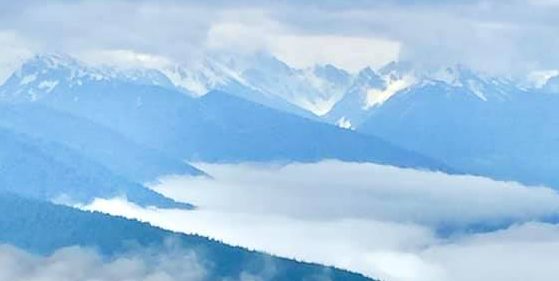
Pacific Rim National Park Reserve: The Complete Travel Guide
Pacific Rim National Park Reserve is one of Canada’s most spectacular coastal destinations, located on the west coast of Vancouver Island in British Columbia. Famous for its rugged Pacific shoreline, ancient temperate rainforests, sandy beaches, and rich Indigenous culture, the park offers visitors an unforgettable outdoor experience.
Whether you want to walk along a beautiful sandy beach, explore lush rainforest trails, watch powerful ocean waves, or experience a challenging multi-day hiking adventure, Pacific Rim National Park Reserve has something for everyone.
Covering a remarkable landscape of coastal ecosystems, the park is an excellent destination for nature lovers, photographers, surfers, hikers, and travelers exploring Vancouver Island.
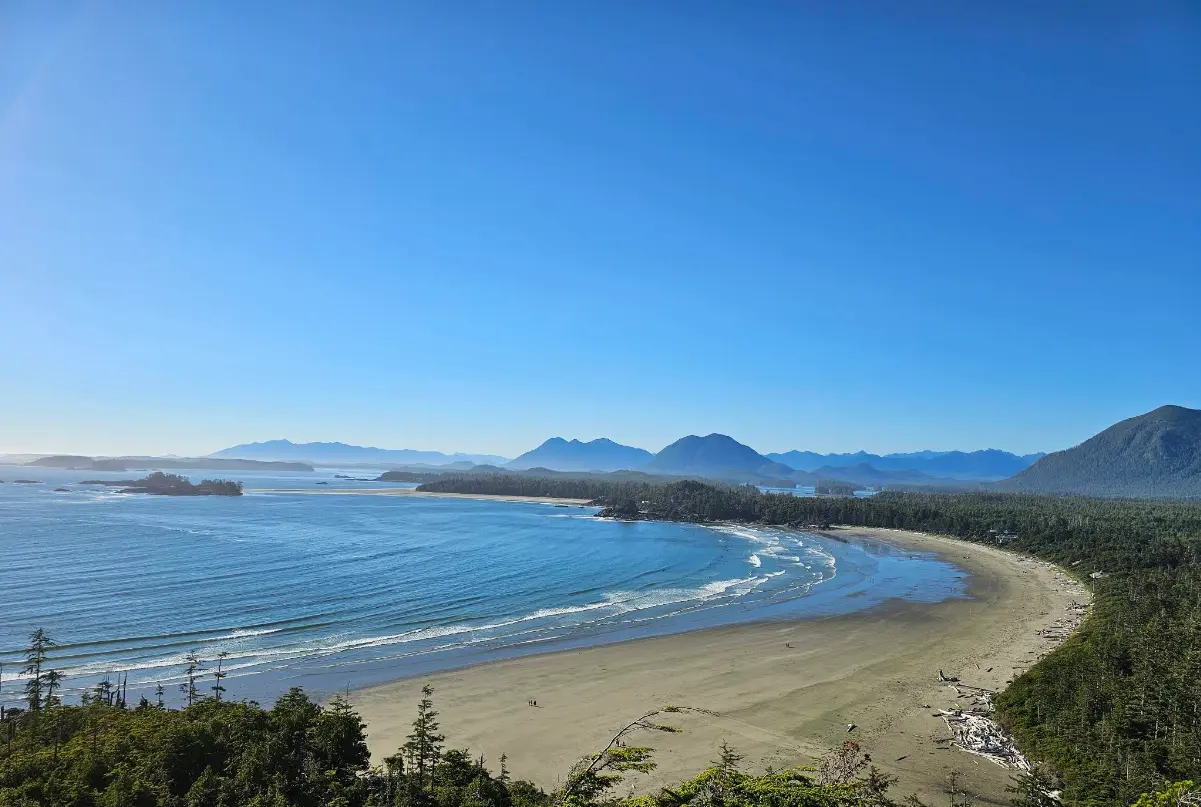
Photo credit: M. Devan
Where Is Pacific Rim National Park Reserve?
Pacific Rim National Park Reserve is located on the southwestern coast of Vancouver Island, British Columbia, Canada. It stretches along the Pacific Ocean between the communities of Tofino and Ucluelet, making it one of the most accessible coastal wilderness destinations on the island.
The park is approximately 200 kilometers northwest of Victoria and can be reached by driving across Vancouver Island from major communities such as Nanaimo and Parksville.
The surrounding region is known for its dramatic coastal scenery, frequent rainfall, dense evergreen forests, and diverse marine wildlife.
Pacific Rim National Park Reserve is divided into three main sections:
- Long Beach Unit: The most visited section, featuring expansive sandy beaches, surfing opportunities, and rainforest hiking trails.
- Broken Group Islands Unit: A collection of more than 100 islands and islets that are popular for kayaking, boating, and wilderness camping.
- West Coast Trail Unit: A challenging coastal hiking destination known for its rugged terrain, beaches, forests, ladders, and historic trails.
Each section provides a different way to experience the natural beauty of Canada’s Pacific coast.
Why Is Pacific Rim National Park Reserve Famous?
Pacific Rim National Park Reserve is famous for its combination of pristine beaches, temperate rainforests, rugged coastlines, and exceptional outdoor recreation opportunities.
Unlike many Canadian national parks known primarily for mountains and lakes, Pacific Rim showcases the beauty of the Pacific Ocean and Vancouver Island’s coastal wilderness.
Some of its most distinctive features include:
- Long Beach: A spectacular sandy beach stretching for kilometers along the Pacific coast.
- Ancient temperate rainforest: Dense forests filled with towering western red cedars, western hemlocks, and Sitka spruces.
- Surfing: One of Canada’s best-known surfing destinations, especially around Tofino.
- Wildlife watching: Opportunities to see whales, sea otters, bald eagles, seals, and black bears.
- Kayaking: Beautiful coastal waters and island landscapes in the Broken Group Islands.
- West Coast Trail: One of Canada’s most famous and challenging long-distance hiking routes.
The park is also culturally significant to the Indigenous peoples who have lived along this coastline for thousands of years.
Best Things to Do in Pacific Rim National Park Reserve
There are plenty of activities to enjoy throughout Pacific Rim National Park Reserve. Visitors can choose between relaxing beach experiences, wildlife encounters, water sports, and challenging outdoor adventures.
3.1. Explore Long Beach
Long Beach is the most famous attraction in Pacific Rim National Park Reserve. Located in the Long Beach Unit, this beautiful stretch of coastline features wide sandy shores, impressive ocean waves, and stunning views of the Pacific Ocean.
Visitors can enjoy beach walks, photography, picnics, and watching surfers ride the waves. During storm season, the beach becomes particularly dramatic as powerful waves crash against the shoreline.
Long Beach is also a wonderful place to enjoy a peaceful sunset over the Pacific Ocean.
3.2. Go Surfing in Tofino
Tofino is widely recognized as one of Canada’s premier surfing destinations. Its location along the Pacific coast provides consistent waves throughout much of the year.
Long Beach and nearby beaches attract surfers of all experience levels. Beginners can take lessons from local surf schools, while experienced surfers can enjoy more challenging ocean conditions.
The water is cold throughout the year, so wearing an appropriate wetsuit is essential.
3.3. Hike Through the Temperate Rainforest
The rainforest trails in Pacific Rim National Park Reserve offer an opportunity to experience one of Canada’s most beautiful coastal ecosystems.
The Rainforest Trail is among the most popular options. Its boardwalks and forest paths take visitors through lush vegetation, towering trees, moss-covered branches, and a peaceful natural environment.
The trails are relatively short and suitable for many visitors, making them an excellent choice for families and travelers who want to explore the forest without undertaking a strenuous hike.
3.4. Kayak Around the Broken Group Islands
The Broken Group Islands Unit is a paradise for kayaking enthusiasts. This collection of more than 100 islands and islets is located in Barkley Sound and offers sheltered waterways, beautiful beaches, and remarkable coastal scenery.
Kayaking allows visitors to explore quiet coves, observe marine wildlife, and discover remote camping locations.
Multi-day kayaking trips are particularly popular, although visitors should have appropriate experience, equipment, and knowledge of changing ocean conditions.
3.5. Hike the West Coast Trail
The West Coast Trail is one of Canada’s most iconic long-distance hiking routes. Stretching approximately 75 kilometers, it takes hikers through dense rainforest, remote beaches, rocky shorelines, and challenging coastal terrain.
The trail is known for its wooden ladders, suspension bridges, muddy paths, and spectacular ocean views.
Most hikers take approximately five to seven days to complete the route. Because of its difficulty, the West Coast Trail is best suited to experienced hikers who are physically prepared for demanding conditions.
Advance reservations and permits are required during the operating season.
3.6. Visit Wickaninnish Beach and Kwisitis Visitor Centre
Wickaninnish Beach is another beautiful destination within the Long Beach Unit. It offers sweeping ocean views, sandy shores, and excellent opportunities for photography and beach exploration.
Nearby, the Kwisitis Visitor Centre provides information about the region’s natural environment, coastal ecosystems, and Indigenous cultural heritage.
It is an excellent place to learn more about the history and ecology of Pacific Rim National Park Reserve before exploring the surrounding coastline.
3.7. Go Storm Watching
Storm watching is one of the most unique experiences on Vancouver Island’s west coast.
During autumn and winter, powerful Pacific storms bring dramatic waves, strong winds, and heavy rainfall to the region. Watching waves crash against the rocky coastline can be an unforgettable experience.
Tofino and Ucluelet are particularly popular destinations for storm watchers. Visitors can enjoy the scenery from designated viewpoints and sheltered locations.
Always stay away from exposed rocks and the water’s edge, as unexpected waves can be extremely dangerous.
3.8. Watch Wildlife Along the Pacific Coast
Pacific Rim National Park Reserve supports a wide variety of wildlife, both on land and in the surrounding ocean.
Depending on the season and location, visitors may encounter:
- Black bears: Occasionally seen along coastal areas searching for food.
- Gray whales: Often spotted during their seasonal migrations along Vancouver Island.
- Sea otters: Frequently associated with coastal waters and kelp forests.
- Harbor seals: Commonly observed resting on rocks and swimming near the shoreline.
- Bald eagles: Often seen flying above beaches and forests.
- Sea lions: Can sometimes be spotted around offshore rocks and marine habitats.
Wildlife viewing should always take place from a safe distance. Never feed animals or approach young wildlife.
Wildlife and Nature in Pacific Rim National Park Reserve
The natural environment of Pacific Rim National Park Reserve is one of its greatest attractions. The park protects a remarkable combination of coastal rainforest, sandy beaches, rocky shorelines, offshore islands, and marine ecosystems.
The coastal temperate rainforest receives substantial rainfall throughout the year, creating ideal conditions for mosses, ferns, and large evergreen trees.
Common tree species include:
- Western red cedar
- Western hemlock
- Sitka spruce
- Douglas fir
The marine environment is equally impressive. Kelp forests, rocky reefs, and sheltered coastal waters support a diverse range of fish, seabirds, marine mammals, and invertebrates.
The park plays an important role in protecting these ecosystems while providing opportunities for visitors to learn about coastal conservation.
Weather in Pacific Rim National Park Reserve
Pacific Rim National Park Reserve has a temperate maritime climate influenced by the Pacific Ocean. The region experiences relatively mild temperatures throughout the year, but rainfall is frequent, particularly during autumn and winter.
Summers are generally pleasant and comparatively dry, while winters are mild but often wet and windy.
Here is an overview of the typical seasonal weather:
| Season | Average Temperature | Weather Conditions |
|---|---|---|
| Spring | 7–14°C (45–57°F) | Mild, rainy, and gradually warming |
| Summer | 12–20°C (54–68°F) | Mild, relatively dry, and pleasant |
| Fall | 8–16°C (46–61°F) | Cool, wet, and increasingly stormy |
| Winter | 3–9°C (37–48°F) | Mild, rainy, and windy |
Visitors should prepare for changing weather conditions regardless of the season. Even during summer, coastal temperatures can feel cool because of ocean winds.
Waterproof clothing, comfortable hiking shoes, and additional warm layers are recommended.
Best Time to Visit Pacific Rim National Park Reserve
The best time to visit Pacific Rim National Park Reserve depends on the activities you want to enjoy.
Summer (June to August)
Summer is generally the best season for beach activities, surfing, hiking, kayaking, and camping. Temperatures are comfortable, and rainfall is usually lower than during the winter months.
However, this is also the busiest tourist season, so accommodations and popular campsites should be booked in advance.
Spring (March to May)
Spring offers beautiful rainforest scenery, fewer crowds, and opportunities to observe migrating wildlife. The weather can be unpredictable, but it is a pleasant time for hiking and exploring the coastline.
Fall (September to November)
Autumn is a great season for storm watching, photography, and experiencing the dramatic Pacific coastline. Rainfall increases, and the beaches become quieter after the summer tourist season.
Winter (December to February)
Winter is particularly popular with storm watchers. Visitors can experience powerful ocean waves, dramatic skies, and peaceful coastal scenery.
However, heavy rain, strong winds, and dangerous ocean conditions can limit outdoor activities.
Overall recommendation: Visit between June and September for the best combination of beach activities, hiking, surfing, and kayaking. Choose November through February if you are interested in storm watching.
How to Get to Pacific Rim National Park Reserve
Pacific Rim National Park Reserve is accessible by road, bus, and commercial flights. Most visitors traveling to the Long Beach Unit arrive through Nanaimo or Victoria before driving across Vancouver Island.
By Car
Driving is one of the most convenient ways to explore Pacific Rim National Park Reserve.
From Nanaimo, follow Highway 4 west toward Port Alberni, then continue along the Pacific Rim Highway toward Tofino and Ucluelet.
Approximate driving times to the Long Beach Unit include:
| Starting Location | Approximate Driving Time |
|---|---|
| Victoria | 5 hours |
| Nanaimo | 3.5 hours |
| Parksville | 2.5 hours |
| Port Alberni | 2 hours |
| Tofino | 15–25 minutes |
| Ucluelet | 20–30 minutes |
Travel times depend on traffic, road conditions, and your exact destination. Highway 4 includes winding sections, so allow extra time for the journey.
By Air
Visitors can take commercial flights to regional airports serving the Vancouver Island west coast, including Tofino-Long Beach Airport.
Alternatively, travelers can fly into Nanaimo or Victoria and rent a car to reach the park.
By Bus
Bus services connect some Vancouver Island communities with Tofino and Ucluelet. However, schedules and service availability vary, so check transportation arrangements before traveling.
By Boat
The Broken Group Islands can only be accessed by boat. Visitors typically use kayaks, private vessels, or licensed commercial operators.
The West Coast Trail has several access points, including Pachena Bay, Nitinaht Village, and Gordon River.
Camping and Accommodation Near Pacific Rim National Park Reserve
Camping is one of the best ways to experience Pacific Rim National Park Reserve. Visitors can stay close to the beaches, enjoy the surrounding rainforest, and experience the natural environment after most day visitors have left.
Green Point Campground
Green Point Campground is the main front-country campground in the Long Beach Unit.
Located above Long Beach, it offers beautiful coastal scenery and convenient access to the park’s beaches and hiking trails.
Facilities include campsites, washrooms, and other campground amenities. Reservations are recommended, especially during summer.
Backcountry Camping
Backcountry camping is available in designated areas of the Broken Group Islands and along the West Coast Trail.
These experiences are best suited to visitors who have suitable equipment and experience with wilderness travel.
A valid camping permit is required for overnight camping in the park.
Hotels and Resorts Near the Park
Visitors who prefer more comfortable accommodations can stay in Tofino or Ucluelet.
Popular accommodation options include:
- Wickaninnish Inn: A luxury coastal property overlooking Chesterman Beach.
- Pacific Sands Beach Resort: A beachfront resort popular with surfers and families.
- Long Beach Lodge Resort: A coastal resort with beautiful ocean views.
- Black Rock Oceanfront Resort: An oceanfront property with impressive views of the rugged coastline.
Staying in Tofino is particularly convenient for visiting Long Beach, while Ucluelet provides easy access to the southern part of the park and several coastal attractions.
Entrance Fees and Visitor Information
Pacific Rim National Park Reserve charges admission fees for visitors entering the park’s developed areas. Camping, backcountry activities, and certain recreational services may require additional payments.
As of November 2026, the regular daily admission fees are:
| Visitor Category | Daily Admission |
|---|---|
| Adult (18–64) | CAD $12.25 |
| Senior (65+) | CAD $10.75 |
| Youth (17 and under) | Free |
| Family/Group | CAD $24.50 |
Fees are subject to change. Check the official Parks Canada website before your visit. Pacific Rim National Park Reserve
Visitor information:
- Park name: Pacific Rim National Park Reserve
- Location: Vancouver Island, British Columbia, Canada
- Main communities: Tofino and Ucluelet
- Park administration address: 2040 Pacific Rim Highway, Ucluelet, BC V0R 3A0, Canada
- Phone: 250-726-3500
- Official website: Parks Canada – Pacific Rim National Park Reserve
Indigenous Culture and History
Pacific Rim National Park Reserve lies within the traditional territories of several Nuu-chah-nulth First Nations. Indigenous communities have maintained deep cultural, spiritual, and economic connections to this coastal landscape for thousands of years.
The ocean, forests, rivers, and islands have historically provided food, transportation routes, and materials for everyday life.
The region is particularly important for its traditional fishing practices, cedar craftsmanship, storytelling, and cultural traditions.
Visitors can learn more about Indigenous heritage through interpretive exhibits, cultural experiences, and educational programs offered in the region.
Respecting Indigenous communities, cultural sites, and traditional territories is an important part of responsible tourism.
Travel Tips for Visiting Pacific Rim National Park Reserve
Before visiting Pacific Rim National Park Reserve, consider these practical tips to make your trip safer and more enjoyable.
- Bring waterproof clothing: Rain is common throughout the year, especially during fall and winter.
- Check weather forecasts: Pacific coastal conditions can change quickly.
- Be careful near the ocean: Sneaker waves, strong currents, and powerful surf can be dangerous.
- Book accommodations early: Tofino and Ucluelet become particularly busy during summer.
- Respect wildlife: Keep a safe distance from bears, wolves, seals, and other animals.
- Wear comfortable footwear: Rainforest trails can be muddy, wet, and slippery.
- Carry drinking water: Bring sufficient water and snacks for longer hikes and outdoor activities.
- Check trail conditions: Some trails may close temporarily because of maintenance, wildlife activity, or hazardous conditions.
- Follow park regulations: Do not remove plants, rocks, shells, or other natural objects.
- Check tide schedules: Tides can significantly affect coastal hiking and kayaking conditions.
For the latest information about closures, trail conditions, weather warnings, and reservations, visit the official Parks Canada website before departure. parks.canada.ca+2
Frequently Asked Questions About Pacific Rim National Park Reserve
1. Where is Pacific Rim National Park Reserve located?
Pacific Rim National Park Reserve is located on the southwestern coast of Vancouver Island in British Columbia, Canada, between the communities of Tofino and Ucluelet.
2. What is Pacific Rim National Park Reserve famous for?
The park is famous for its sandy beaches, temperate rainforests, surfing, kayaking, wildlife viewing, and the legendary West Coast Trail.
3. How many days do you need at Pacific Rim National Park Reserve?
Two to three days are generally sufficient to explore the Long Beach Unit, visit popular beaches, hike rainforest trails, and enjoy nearby attractions. Longer trips are recommended for kayaking and multi-day hiking adventures.
4. Is Pacific Rim National Park Reserve worth visiting?
Yes. It is one of Canada’s most beautiful coastal destinations, offering a unique combination of Pacific Ocean scenery, rainforest landscapes, wildlife, and outdoor adventures.
5. Can you swim at Pacific Rim National Park Reserve?
Swimming is possible at some beaches, but the Pacific Ocean is cold throughout the year. Strong currents, waves, and changing tides can create dangerous conditions, so visitors should exercise caution.
6. Can you see bears at Pacific Rim National Park Reserve?
Yes. Black bears live in the surrounding coastal forests and may occasionally be seen along beaches and other natural areas. Visitors should maintain a safe distance and never approach or feed them.
7. Is Pacific Rim National Park Reserve open year-round?
The Long Beach Unit is accessible throughout the year. However, some facilities, campgrounds, trails, and backcountry activities operate seasonally. The West Coast Trail and overnight camping in the Broken Group Islands generally operate from May 1 through September 30.
8. Is Pacific Rim National Park Reserve good for families?
Yes. Families can enjoy beach walks, wildlife observation, short rainforest trails, educational exhibits, and scenic viewpoints. Parents should supervise children closely near the ocean.
9. Can you camp at Pacific Rim National Park Reserve?
Yes. Green Point Campground offers front-country camping, while designated backcountry camping is available in the Broken Group Islands and along the West Coast Trail. Camping permits are required.
10. What is the best beach in Pacific Rim National Park Reserve?
Long Beach is the most famous beach in the park. Wickaninnish Beach is another excellent option, offering beautiful coastal scenery and access to the Kwisitis Visitor Centre.
11. Can you surf at Pacific Rim National Park Reserve?
Yes. The Long Beach area and nearby Tofino beaches are popular surfing destinations. Surf lessons and equipment rentals are available from local operators.
12. Is Pacific Rim National Park Reserve suitable for beginners?
Yes. Many beaches and short rainforest trails are suitable for beginners. However, the West Coast Trail and multi-day kayaking trips require considerable preparation and outdoor experience.
13. What animals live in Pacific Rim National Park Reserve?
Wildlife includes black bears, gray whales, sea otters, harbor seals, sea lions, bald eagles, wolves, and numerous marine and coastal bird species.
14. What is the closest town to Pacific Rim National Park Reserve?
Tofino and Ucluelet are the two main communities closest to the Long Beach Unit. Both provide accommodation, restaurants, shops, and visitor services.
15. Does Pacific Rim National Park Reserve get snow?
Snow is possible during winter, but it is relatively uncommon along the coastal areas. The park generally experiences mild, rainy winters.
Conclusion
Pacific Rim National Park Reserve is an extraordinary destination that showcases the natural beauty of Canada’s Pacific coastline. From the expansive sands of Long Beach to the ancient rainforest trails and remote Broken Group Islands, the park offers an incredible variety of landscapes and outdoor experiences.
Whether you are interested in surfing, hiking, kayaking, wildlife watching, or simply relaxing beside the ocean, this national park reserve deserves a place on your Vancouver Island travel itinerary.
For travelers exploring British Columbia, Pacific Rim National Park Reserve is an excellent opportunity to experience one of Canada’s most beautiful coastal wilderness areas.
Official resources and further information:
Read more: