How to Create a 12-Month Savings Plan for a National Park Road Trip

A 12-month savings plan turns a national park road trip from a vague goal into a trip you can pay for before you leave. Instead of scrambling for airfare, gas, or lodging a few weeks before departure, you spread the cost across a year and assign each month to a specific part of the plan.
Start by estimating the complete trip cost, including transportation, accommodations, food, park access, gear, and an emergency cushion. Then divide that target across 12 months while adjusting the plan as reservations, routes, and prices become clearer. The goal is not simply to save the same amount every month. It is to make smarter decisions at the right point in the planning cycle.
Months 1–2: Set the Target and Find Budget Space
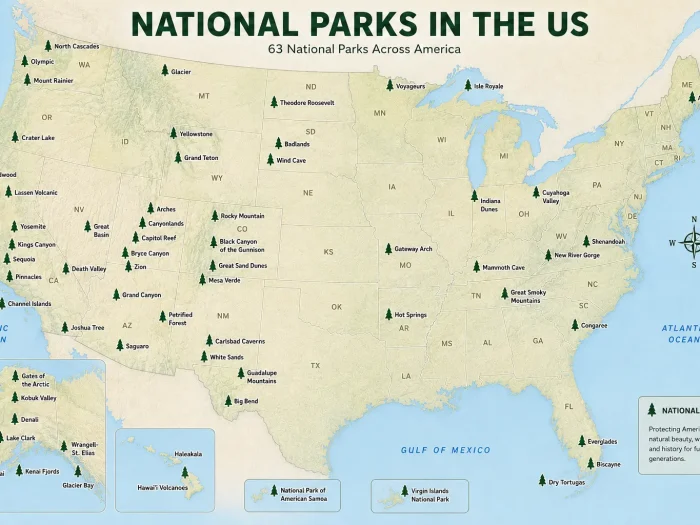
The first two months should establish what the road trip will cost and where the savings will come from. Outline the parks you want to visit, approximate mileage, trip length, and preferred accommodation style. A seven-day camping trip within driving distance requires a very different fund from a three-week route through Yellowstone, Grand Teton, Glacier, and several surrounding destinations.
Next, review recurring expenses rather than immediately cutting every small pleasure. Canceling an unused subscription helps, but reducing a larger fixed expense can create substantially more room over 12 months. Some graduates, for example, may review repayment options to determine whether it makes financial sense to refinance student loan debt and direct part of any resulting monthly savings toward the road-trip fund. However, any refinancing decision should still make sense based on interest rates, repayment terms, and long-term costs, not simply the desire to travel.
Months 3–4: Build the Route Around Cost, Not Just Distance
The cheapest national park itinerary is not automatically the route with the fewest miles. Geography, lodging prices, campground availability, and fuel access all affect what a route really costs. A park that looks like a small detour on a map can add another overnight stay, hundreds of miles, and several restaurant meals.
Create a rough route during months three and four, then price each destination as part of the entire journey. Look at how much time you will actually spend inside each park compared with the cost of reaching it. Removing one inefficient stop can free enough money for an extra night or memorable activity somewhere you care about more.
Months 5–6: Secure the Expenses That Can Rise Fastest
Halfway through the savings year, start locking in costs that become more expensive or harder to secure as the trip approaches. Campgrounds, gateway-town lodging, and certain park reservations can become scarce during busy seasons. Reserving them early gives you more control over both price and location.
Favor refundable reservations when the price difference is reasonable. Flexibility has financial value during a trip planned months in advance because work schedules, road conditions, or the route itself can change. Record every deposit already paid and subtract it from the remaining trip goal so your savings target reflects what you still owe.
Months 7–8: Audit Gear Before Buying Anything
Outdoor gear can quietly become a major part of a first national park road-trip budget. Hiking shoes, rainwear, coolers, tents, sleeping bags, and backpacks can add hundreds of dollars before the vehicle ever leaves the driveway. Buying everything new also makes little sense if you are unsure how often you will use it after the trip.
Make three columns: own, borrow, and buy. Test what you already have, borrow specialized equipment from friends where practical, and purchase only items that affect comfort or safety enough to justify the expense. Spread necessary purchases across these two months rather than making one expensive gear run shortly before departure.
Months 9–10: Build a Separate Disruption Fund
A travel budget should contain money specifically for plans that go wrong. National park road trips face wildfire smoke, storms, extreme heat, road closures, vehicle trouble, and sudden changes in lodging. When every dollar is already assigned to the planned itinerary, one disruption can force travelers to rely on credit.
Keep this reserve separate from the normal food, fuel, and accommodation budget. It can cover an unexpected hotel, a longer route around a closure or a minor vehicle repair. If the trip proceeds exactly as planned, the money remains yours when you return instead of becoming an excuse for extra spending.
Month 11: Test the Budget Against Real Prices
One month before the trip, replace early estimates with current numbers. Check fuel prices along the route, final accommodation balances, campground fees, and the approximate grocery or dining budget. Then calculate how much of the total trip fund remains unassigned.
This is also the right time to identify cost creep. A few upgraded hotels, additional park stops or new activities can change a budget substantially when combined. If the total has grown, adjust before departure by shortening a detour, changing accommodation or removing a lower-priority expense rather than assuming the difference will somehow work itself out on the road.
Month 12: Protect the Money You Saved
The final month is about preserving the travel fund, not expanding the itinerary. Avoid adding expensive last-minute activities simply because the savings account now holds a large balance. That money already has jobs: fuel, accommodation, food, park costs and the reserve you built over the previous 11 months.
Also leave enough money at home for the first week after the trip. Groceries, rent, loan payments and regular bills resume immediately, so the road-trip account should never include money required for normal life after you return. Finishing a national park adventure with cash still available is part of a successful travel budget.
Let 12 Months Do the Heavy Lifting
A year-long savings plan works because it replaces one large financial decision with dozens of smaller ones. A $3,600 road-trip target equals $300 per month before considering deposits already paid, extra income or reductions in recurring expenses. That gives you time to adapt without turning the trip into a financial emergency.
More importantly, the planning year improves the trip itself. You have time to choose an efficient route, reserve the right accommodations, acquire gear gradually and build a cushion for the unexpected. When departure day arrives, the focus can stay where it belongs – on the parks ahead rather than the bill waiting when you get home.