How to Explore National Park Waterways by Boat
A boat opens up parts of a national park that few visitors ever see. Quiet coves, island shorelines, and wide lakes come within reach. Many of the country’s best parks are built around water. Seeing them from the water can change the whole trip.
Getting out safely starts with the right boat and good habits. A trusted local shop makes that first step easier. If you are new to boating, a family-owned boat dealer in Washington NC can help you match a boat to the parks you plan to visit. This guide covers where to go, what to pack, and how to protect the water you came to enjoy.
Why Explore a National Park by Water?
Water reveals a park from a fresh angle. You reach beaches, sea caves, and inlets that trails never touch. Wildlife often feels calmer near a slow, quiet boat.
A day on the water also spreads out the crowds. Popular trails can feel packed by mid-morning. Out on a lake, you find space and quiet with ease.
Boating fits many skill levels too. A calm bay suits a first-time captain. Open water rewards those with more time behind the wheel. Each trip builds comfort and confidence for the next one.
The water also lets you cover more ground. A short paddle reaches a distant beach in minutes. That same spot might take hours on foot.
Which Parks Offer the Best Boating?
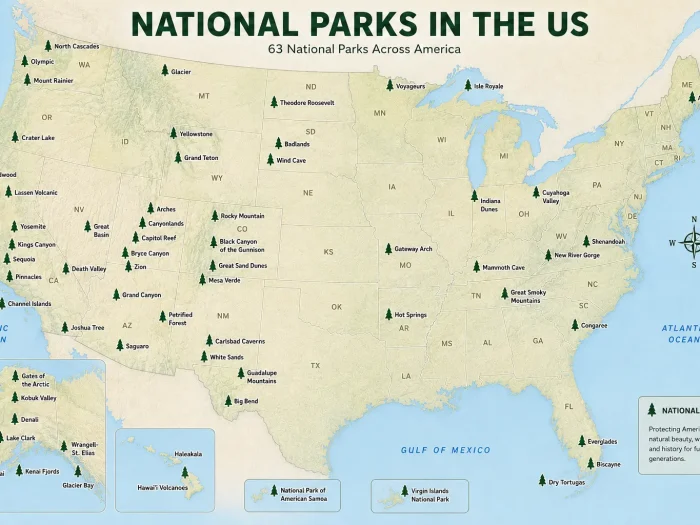
Several parks are made for time on the water. Voyageurs in Minnesota is one clear example. Water covers about 40 percent of the park, across four large lakes. You can read this guide to things to do in Voyageurs National Park for trip ideas.
Great Lakes parks belong on the list as well. Indiana Dunes offers open water and quiet river paddling. This overview of Indiana Dunes National Park is a great place to start planning.
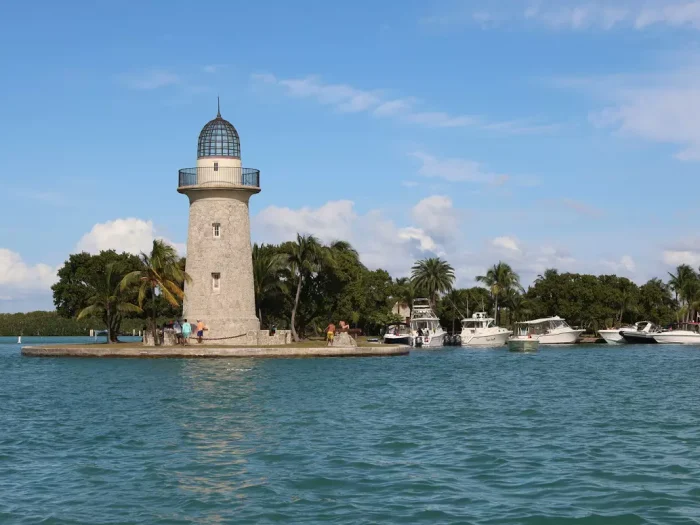
Coastal parks add saltwater trips to the mix. Biscayne protects a bright, shallow bay near Miami. Channel Islands and Acadia reward paddlers with sea caves and quiet coves. Each park sets its own rules, so check before you launch.
How Do You Choose the Right Boat?
The right boat depends on where you plan to go. A center console is a boat with the helm in the middle and open deck around it. That layout gives you stable footing and a clear view.
Match the hull to the water you expect. A calm inland lake needs less boat than open coast. Most nearshore trips suit a boat in the 18 to 24 foot range.
A few features matter most:
- A stable hull that holds steady at rest.
- Enough seating for your usual group.
- Dry storage for gear and safety items.
- A reliable engine sized for the water.
A good dealer helps you weigh these trade-offs before you buy. Take a test run if the shop offers one. The feel of a boat tells you as much as the spec sheet.
Boating Without Harming the Water and Wildlife
Clean water is the reason these parks draw visitors. Small habits keep it that way. The EPA offers clear steps for cleaner boating and marinas that cut fuel and oil runoff.
Wildlife needs room as well. Keep at least 50 yards from seals, dolphins, and manatees. Slow down early so your wake stays small near shore.
Leave each place better than you found it. Pack out all trash and stow loose gear. The park service sums up the idea in its Leave No Trace principles, which apply on the water too.
Planning a Safe Day On the Water
Good planning turns a trip into a smooth day. Check the weather before you launch. Wind and storms build fast on open water.
A no-wake zone is a marked area where boats must slow to idle speed. Learn where these zones sit before you go. Tell someone your route and return time.
Pack these before every trip:
- A life jacket for each person aboard.
- Water, snacks, and sun protection.
- A charged phone in a dry bag.
- A paper map in case signal drops.
A float plan is a simple note that could save your life. Share it with a friend who stays on shore. Set a time when they should call for help.
When Is the Best Season for Park Boating?
Timing shapes both safety and scenery. Summer brings warm water and long days. It also brings the biggest crowds at busy ramps.
Spring and fall can be quieter and cooler. Water levels shift with the season on many lakes. Call the park to confirm ramp access before you drive out.
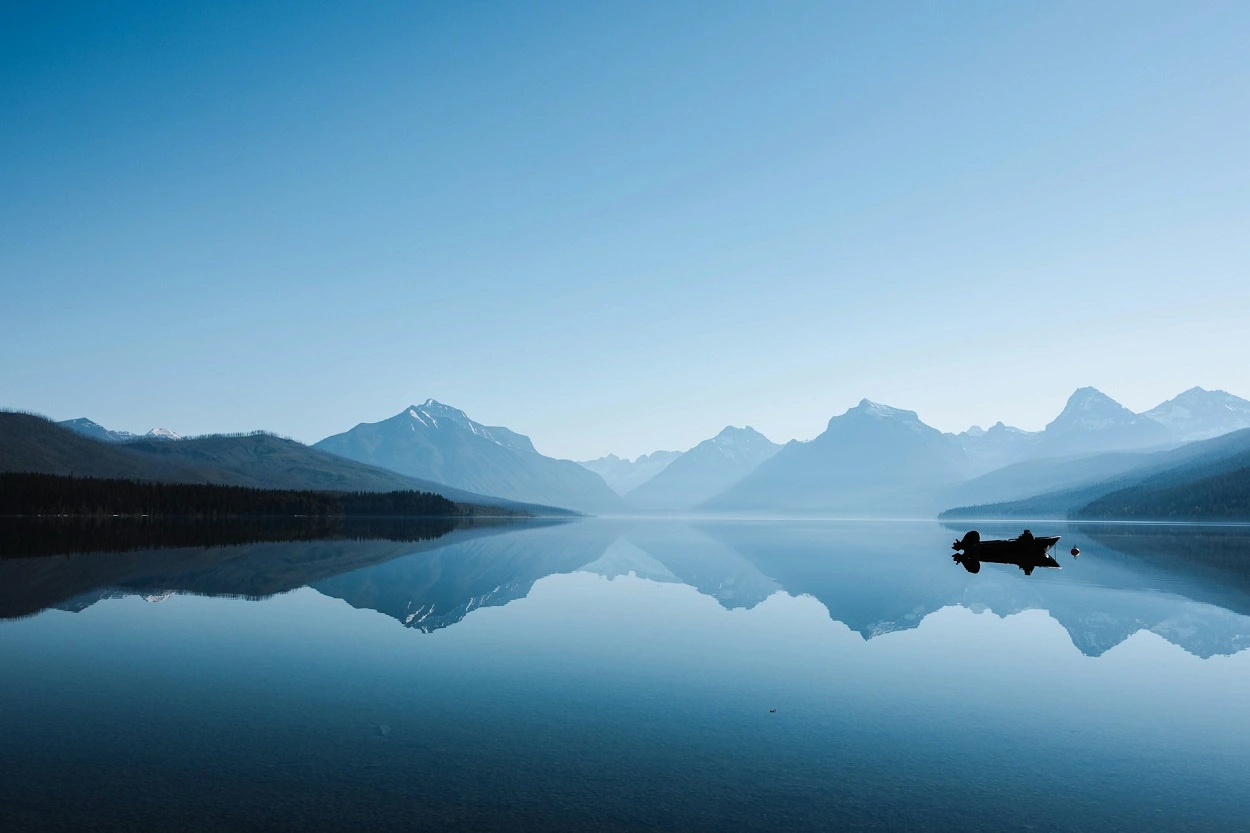
Early morning is often the calmest window. Wind tends to build through the afternoon. A dawn launch rewards you with glassy water and soft light.
Key Points for National Park Boating
- Pick a park where water is a main feature, such as Voyageurs or Biscayne.
- Match your boat size to the water, often 18 to 24 feet nearshore.
- Keep at least 50 yards from marine wildlife.
- Idle down early to keep your wake small near shore.
- Pack a life jacket for every person on board.
- Follow Leave No Trace habits and pack out all trash.
Frequently Asked Questions
Do You Need a Boating License at a National Park?
Rules vary by park and by state. Many states require a boater education card for certain ages. Check both the park website and state law before you launch.
What Size Boat Is Best for Park Lakes and Coasts?
A boat in the 18 to 24 foot range fits most nearshore trips. Calm inland lakes can suit smaller boats. Open coast calls for a larger, more stable hull.
How Close Can You Get to Wildlife by Boat?
Stay at least 50 yards from marine mammals. Move slowly and let the animal set the distance. If it reacts to you, ease back right away.
Can You Rent a Boat Inside National Parks?
Many water parks offer rentals through park concessioners. Voyageurs and others rent canoes, kayaks, and motorboats. Book early during the busy summer season.
Making the Most of Your Time On the Water
A boat turns a park visit into something you remember for years. Start with a calm lake and a short trip. Build your skills and your range from there. Plan well, respect the water, and every outing gets better.