North Cascades National Park Weather by Month
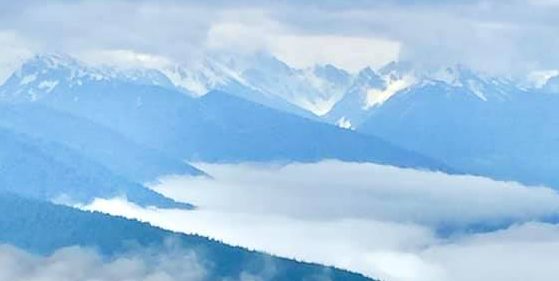
North Cascades National Park is famous for its rugged mountains, glaciers, alpine lakes, and rapidly changing mountain weather. The park experiences cold snowy winters, cool summers, and high precipitation throughout much of the year. Below is a detailed month-by-month weather guide including temperatures in both Celsius and Fahrenheit, daylight hours, and average rainfall. Rainfall data is based on long-term climate averages.
North Cascades National Park Weather by Month
Click the image below to view the full-size version.

January
January is the coldest and snowiest time of the year.
- Average High: -9°C (15.8°F)
- Average Low: -13°C (8.6°F)
- Average Rainfall: 193 mm (7.6 inches)
- Daylight: around 9 hours
Heavy snow blankets much of the park, and many roads become inaccessible during winter storms.
February
Winter conditions continue throughout February.
- Average High: -7°C (19.4°F)
- Average Low: -13°C (8.6°F)
- Average Rainfall: 142 mm (5.6 inches)
- Daylight: around 10 hours
The landscape remains snowy and quiet, ideal for winter photography and snow adventures.
March
March marks the gradual transition toward spring.
- Average High: -4°C (24.8°F)
- Average Low: -12°C (10.4°F)
- Average Rainfall: 117 mm (4.6 inches)
- Daylight: around 12 hours
Snow still dominates higher elevations, although lower valleys slowly begin to thaw.
April
Spring weather slowly arrives in April.
- Average High: 1°C (33.8°F)
- Average Low: -9°C (15.8°F)
- Average Rainfall: 79 mm (3.1 inches)
- Daylight: around 13.5 hours
Melting snow creates dramatic waterfalls and fast-flowing rivers throughout the park.
May
May brings milder temperatures and longer days.
- Average High: 5°C (41°F)
- Average Low: -6°C (21.2°F)
- Average Rainfall: 61 mm (2.4 inches)
- Daylight: around 15 hours
Wildflowers begin blooming at lower elevations, while some hiking trails reopen.
June
June marks the beginning of the short mountain summer.
- Average High: 8°C (46.4°F)
- Average Low: -4°C (24.8°F)
- Average Rainfall: 56 mm (2.2 inches)
- Daylight: around 16 hours
Long days and greener landscapes make June a popular time for hiking and sightseeing.
July
July is one of the warmest and driest months in the park.
- Average High: 12°C (53.6°F)
- Average Low: -1°C (30.2°F)
- Average Rainfall: 43 mm (1.7 inches)
- Daylight: around 15.5 hours
Most alpine hiking trails become fully accessible during this peak travel season.
August
August offers weather conditions similar to July.
- Average High: 12°C (53.6°F)
- Average Low: -1°C (30.2°F)
- Average Rainfall: 43 mm (1.7 inches)
- Daylight: around 14.5 hours
Warm days and relatively dry weather make August ideal for camping and backpacking.
September
Cooler temperatures return as autumn begins.
- Average High: 8°C (46.4°F)
- Average Low: -3°C (26.6°F)
- Average Rainfall: 64 mm (2.5 inches)
- Daylight: around 12.5 hours
Early fall colors appear across the mountains, especially in alpine meadows.
October
October brings colder weather and increasing rainfall.
- Average High: 1°C (33.8°F)
- Average Low: -7°C (19.4°F)
- Average Rainfall: 112 mm (4.4 inches)
- Daylight: around 11 hours
Rain, fog, and occasional early snowfall become common during this month.
November
Winter conditions quickly return in November.
- Average High: -6°C (21.2°F)
- Average Low: -11°C (12.2°F)
- Average Rainfall: 188 mm (7.4 inches)
- Daylight: around 9.5 hours
Snowfall increases significantly, especially at higher elevations.
December
December is cold, wet, and snowy.
- Average High: -9°C (15.8°F)
- Average Low: -13°C (8.6°F)
- Average Rainfall: 198 mm (7.8 inches)
- Daylight: around 8.5 hours
The park transforms into a dramatic winter landscape with deep snow and limited road access.
North Cascades National Park Weather by Month Table
| Month | Avg High (°F) | Avg Low (°F) | Rainfall (inches) | Sun (hrs/day) | Snowfall (inches)* |
|---|---|---|---|---|---|
| January | 15.8°F | 8.6°F | 7.6 | 9 | 45 |
| February | 19.4°F | 8.6°F | 5.6 | 10 | 38 |
| March | 24.8°F | 10.4°F | 4.6 | 12 | 32 |
| April | 33.8°F | 15.8°F | 3.1 | 13.5 | 20 |
| May | 41.0°F | 21.2°F | 2.4 | 15 | 10 |
| June | 46.4°F | 24.8°F | 2.2 | 16 | 4 |
| July | 53.6°F | 30.2°F | 1.7 | 15.5 | 1 |
| August | 53.6°F | 30.2°F | 1.7 | 14.5 | 1 |
| September | 46.4°F | 26.6°F | 2.5 | 12.5 | 5 |
| October | 33.8°F | 19.4°F | 4.4 | 11 | 18 |
| November | 21.2°F | 12.2°F | 7.4 | 9.5 | 36 |
| December | 15.8°F | 8.6°F | 7.8 | 8.5 | 48 |
Best Time to Visit North Cascades National Park
- June to August: Best for hiking, camping, and scenic drives.
- September to October: Great for autumn colors and fewer crowds.
- November to March: Perfect for snow lovers and winter scenery.
- April to May: Ideal for waterfalls and spring landscapes.
Overall, North Cascades National Park has a cool alpine climate year-round. Visitors should always prepare for sudden weather changes, rain, and cold temperatures—even during summer months.
20 FAQs About North Cascades National Park Weather
1. What is the best time to visit North Cascades National Park?
The best time to visit is usually from June through September when the weather is milder, trails are open, and snowfall is minimal.
2. Does North Cascades National Park get a lot of snow?
Yes. The park receives heavy snowfall during winter, especially at higher elevations, with some areas getting several feet of snow each year.
3. How cold does North Cascades National Park get in winter?
Winter temperatures often drop below freezing, with average lows around 8–15°F (-13 to -9°C).
4. Is North Cascades National Park warm in summer?
Summer is cool rather than hot. Average daytime temperatures are usually around 46–54°F (8–12°C).
5. What is the rainiest month in North Cascades National Park?
December is typically the wettest month, with nearly 8 inches of precipitation on average.
6. What is the driest month in the park?
July and August are usually the driest months, with around 1.7 inches of rainfall.
7. Does it rain during summer in North Cascades National Park?
Yes, but rainfall is generally lighter during summer compared to fall and winter.
8. How many hours of sunlight does the park get in summer?
During June and July, the park receives approximately 15–16 hours of daylight per day.
9. Is North Cascades National Park foggy?
Yes. Fog and low clouds are common during fall, winter, and rainy periods.
10. Can weather change quickly in North Cascades National Park?
Absolutely. Mountain weather can shift rapidly, even during summer, so visitors should always be prepared for sudden rain or temperature drops.
11. What should I wear when visiting North Cascades National Park?
Layered clothing, waterproof gear, hiking boots, and warm jackets are recommended year-round.
12. Are roads closed during winter?
Yes. Some roads and mountain passes may close seasonally due to heavy snow and avalanche risk.
13. Is July a good month for hiking?
Yes. July is one of the best months for hiking because most trails are snow-free and weather conditions are relatively stable.
14. When does snow start falling in the park?
Snow can begin as early as October at higher elevations and may continue through late spring.
15. Does the park experience extreme weather?
The park can experience severe winter storms, strong winds, heavy snowfall, and sudden temperature changes.
16. Is camping possible year-round?
Some campgrounds remain open year-round, but winter camping requires special preparation and weather awareness.
17. What is spring weather like in North Cascades National Park?
Spring is cool and wet, with melting snow, blooming wildflowers, and strong waterfalls.
18. When are fall colors best in the park?
Fall foliage usually peaks from late September to early October.
19. How much snowfall does the park receive annually?
Snowfall varies greatly depending on elevation, but mountain areas can receive hundreds of inches annually.
20. Is North Cascades National Park worth visiting in winter?
Yes. Winter offers stunning snowy scenery, peaceful landscapes, and opportunities for snowshoeing and winter photography.