Welcome to Biscayne National Park
Welcome to the Biscayne National Park Guide
Here you will find all you need to know about the natural history of the park.
Learn about the geology, trees, mammals, birds, or other plants and wildlife of the area.
Where is Biscayne National Park located?
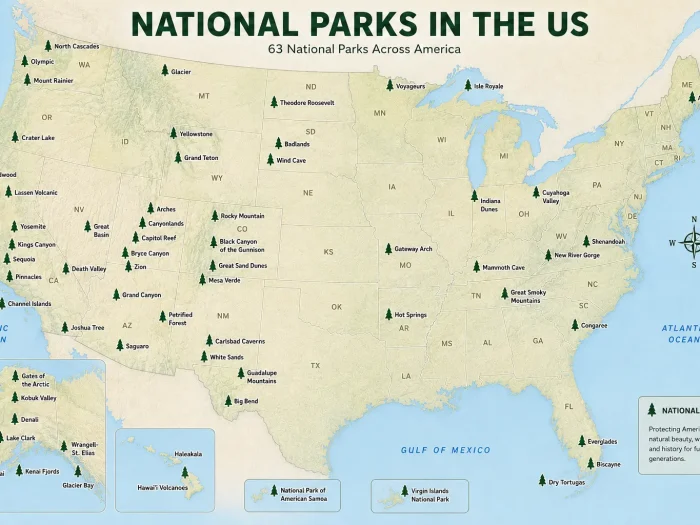
Biscayne National Park is located in the southeastern United States, in the state of Florida.
More specifically, it lies just south of the city of Miami, along the Atlantic coast. The park covers a large portion of Biscayne Bay and includes offshore islands (keys), coral reefs, and mangrove forests.
It’s unique because about 95% of the park is actually underwater, making it a major spot for boating, snorkeling, and diving.
How to get to Biscayne National Park?
Getting to Biscayne National Park is pretty straightforward, but there’s one key thing to know: the main visitor access is on the mainland, while most of the park itself is only reachable by water.
Main entrance (Visitor Center)
The primary access point is the Dante Fascell Visitor Center, located at 9700 SW 328th St in Homestead, FL
🚗 By car
- From Miami:
- Take US-1 (South Dixie Highway) heading south
- Turn left onto SW 328th Street (North Canal Drive)
- Follow the road to the end → you’ll reach the visitor center
- Drive time: about 45–60 minutes
✈️ By Air
The closest major airport is Miami International Airport is 35 miles North of the park. Car rentals are available at the airport. There is no public transportation to the park.
When was Biscayne National Park Established?
Biscayne National Park was officially established as a national park on June 28, 1980.
Before that, the area had been protected as Biscayne National Monument starting in 1968, and later expanded and redesignated as a national park in 1980.
Size of Biscayne National Park
- The park covers about 172,971 acres (≈ 700 km²).
- Around 95% of the park is water, making it one of the largest marine parks in the United States.
- It includes:
- Biscayne Bay
- Part of the northern Florida Keys
- Coral reefs, mangroves, and small islands
Visitation
- Biscayne National Park typically receives around 500,000 to 700,000 visitors per year.
- Compared to more famous parks like Yellowstone National Park, it has moderate visitation, partly because most of the park is only accessible by boat.
- Popular activities include:
- Snorkeling and scuba diving
- Boating and fishing
- Wildlife watching (especially marine life and birds)
Interesting Note
Despite its large size, much of the park feels uncrowded because visitors are spread out across open water rather than concentrated on land trails.
History of Biscayne National Park
The history of Biscayne National Park reflects a long interaction between humans and a rich coastal ecosystem in southern Florida.
🪶 Early Inhabitants
Long before European arrival, the area was home to Native American peoples, including the Tequesta.
- They lived along the shores of Biscayne Bay.
- Relied on fishing, shellfish, and marine resources.
- Left behind archaeological sites such as shell middens.
🚢 European Exploration & Settlement
- In the 1500s, Spanish explorers arrived in the region, beginning European influence.
- Over time, shipwrecks became common along the coral reefs, many of which are now preserved underwater within the park.
- By the 1800s, settlers began farming on some of the keys and mainland areas.
🏡 Early 20th Century Development
- During the early 1900s, parts of the Biscayne Bay area were developed for:
- Coconut plantations
- Small communities
- Tourism and recreation
- Wealthy individuals built homes on islands such as Boca Chita Key and Elliott Key.
⚠️ Threats & Conservation Movement
By the mid-20th century, the region faced major threats:
- Industrial development plans (including oil refineries and ports)
- Dredging and environmental damage
Local citizens, scientists, and conservationists pushed to protect the area’s reefs, mangroves, and marine life.
🛡️ Protection & Establishment
- 1968: The U.S. government created Biscayne National Monument to safeguard the ecosystem.
- 1980: It was expanded and officially designated as Biscayne National Park.
Backcountry Camping
Camping is allowed, but only in designated areas on a few islands:
📍 Main Camping Spots
- Elliott Key
- Largest island in the park
- Campground with picnic tables, grills, and restrooms
- More accessible and popular
- Boca Chita Key
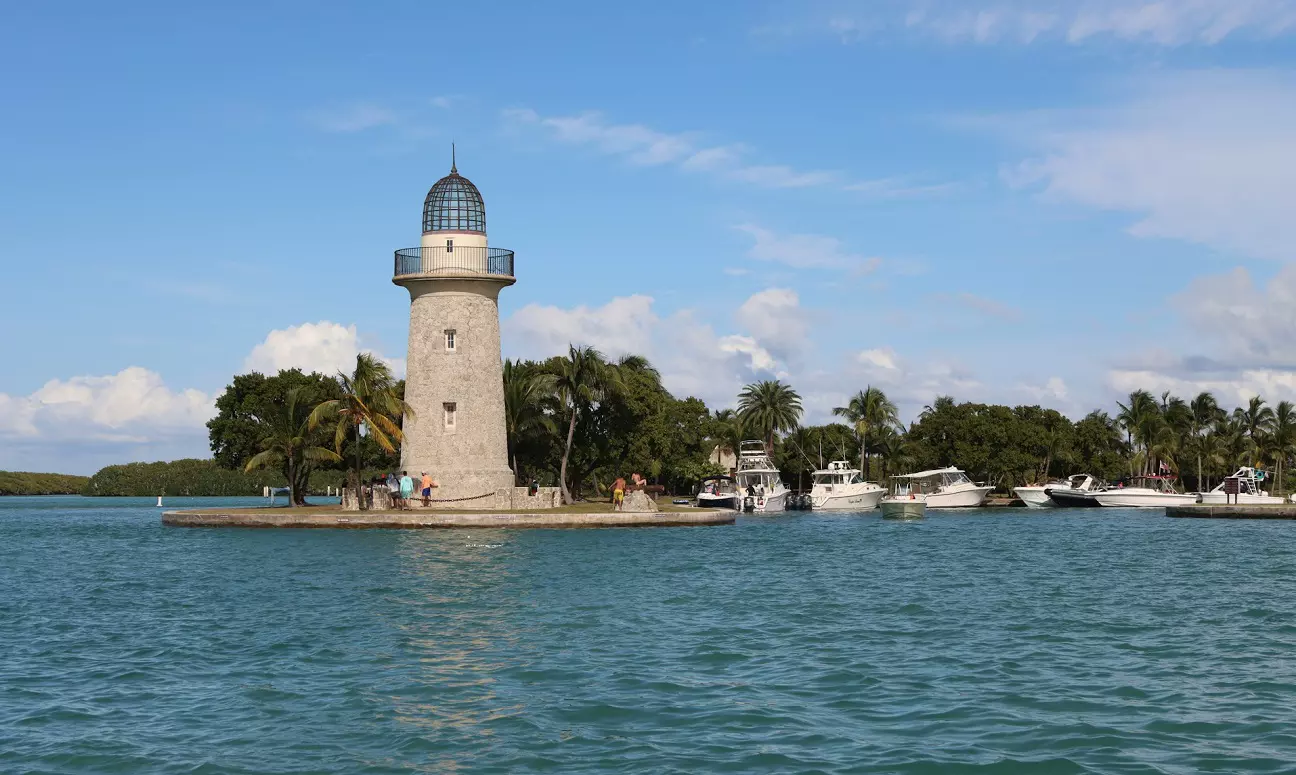
- Famous for its scenic lighthouse
- Limited camping space (first-come, first-served)
- No showers, but has restrooms
⚠️ Important Notes
- You must bring all supplies (water, food, gear)
- No stores or services are available on the islands
- Access is by private boat or guided tour only
- Camping fees are typically required
Hiking Options
Hiking opportunities are limited compared to other parks, but still worthwhile:
🌿 Elliott Key Trail
- The Spite Highway Trail (about 7 miles / 11 km round trip)
- Runs through tropical hardwood hammock forest
- Offers chances to see:
- Birds
- Small wildlife
- Native plants
🌱 Boca Chita Key
- Short walking paths rather than full hiking trails
- Great for exploring the island and coastal views
🌊 What Makes It Unique
- Your “trailhead” often starts with a boat ride
- Combines camping + boating + snorkeling/diving
- Remote, quiet, and far less crowded than most parks
Birding in Biscayne National Park
Biscayne is a fantastic birding destination, especially if you enjoy coastal and marine birds. Its mix of mangroves, shallow waters, and islands creates ideal habitats for both resident and migratory species.
🌴 Why It’s Great for Birding
- Located along major migratory routes in southern Florida
- Diverse habitats: mangrove forests, seagrass beds, open water, and keys
- Less crowded than many other birding hotspots
🐦 Common Birds You Might See
🌊 Water & Shore Birds
- Brown pelican
- Double-crested cormorant
- Osprey (often seen diving for fish)
- Great blue heron
- Snowy egret
🦩 Wading Birds
- Roseate spoonbill (bright pink and very striking)
- Great egret
- Tricolored heron
🐦 Island & Mangrove Birds
- Mangrove cuckoo
- White-crowned pigeon
- Various warblers during migration seasons
📍 Best Birding Locations
- Elliott Key – Great for both land and coastal birds
- Boca Chita Key – Good vantage points and open views
- Mangrove shorelines along Biscayne Bay
Because most of the park is water, many of the best birding spots are accessible by boat or kayak.
🗓️ Best Time to Go
- Winter (Nov–Apr): Peak season for migratory birds
- Early morning & late afternoon: Most active times
Boating in Biscayne National Park
Boating is the main way to explore Biscayne—since most of the park is open water, your entire visit often revolves around being on a boat.
🌊 Why Boating Is Essential
- About 95% of the park is water
- No roads connect most areas
- Boats give access to:
- Coral reefs
- Mangrove shorelines
- Remote islands (keys)
🚤 Types of Boating Activities
🛶 Kayaking & Canoeing
- Great for exploring mangrove forests and shallow waters
- Quiet and ideal for wildlife viewing (birds, fish, sometimes dolphins)
⛵ Motorboats
- Best for reaching farther areas like:
- Elliott Key
- Boca Chita Key
- Offshore reefs
- Requires navigation awareness due to shallow waters
🤿 Snorkel & Dive Boats
- Many visitors boat out to the reef tract for:
- Snorkeling
- Scuba diving
- Clear waters and marine life make this a highlight
🎣 Fishing Boats
- Popular activity (with regulations)
- Common catches include snapper, grouper, and bonefish
📍 Popular Boating Destinations
- Elliott Key – Largest island, camping and hiking
- Boca Chita Key – Scenic harbor and lighthouse
- Jones Lagoon – Calm, shallow waters perfect for paddling
- Coral reef areas offshore
Campfires in Biscayne National Park
Campfires are allowed—but only under specific conditions to protect the park’s fragile island ecosystems.
🔥 Where Campfires Are Allowed
- Campfires are permitted only in designated grills at:
- Elliott Key
- Boca Chita Key
🚫 Not allowed:
- On the ground
- On beaches
- In undeveloped or backcountry areas
🌴 Why Restrictions Exist
The park’s islands are small and environmentally sensitive:
- Fire can easily damage vegetation
- Risk of wildfires is higher in dry conditions
- Limited resources for fire control
⚠️ Rules & Guidelines
- Use existing grills or fire rings only
- Never leave a fire unattended
- Fully extinguish fires before leaving
- Follow any temporary fire bans (especially during dry or windy weather)
🪵 Firewood Tips
- Bring your own firewood
- Do not collect wood from the park (protects habitats)
Camping at Biscayne National Park
Camping at Biscayne National Park is a unique experience—because it’s mostly water, you’ll be camping on remote tropical islands only accessible by boat.
🏝️ What camping looks like
Unlike most national parks:
- 🌊 95% of the park is water
- ⛵ You must have a boat or kayak to reach campsites
- 🏕️ Camping is on small islands (called “keys”)
There are only 2 campgrounds in the entire park.
🏕️ Main campgrounds
1. Boca Chita Key (most popular)
- 🌴 Beautiful island with iconic lighthouse
- 🚽 Toilets available
- ❌ No drinking water, no showers
- 🏕️ Open grassy camping area
- 🚫 No pets allowed
👉 Great for: scenic views, short stays, first-time visitors
2. Elliott Key (larger & more equipped)
- 🌳 Largest island in the park
- 🚿 Cold-water showers + sinks
- 🚰 Drinking water (but bring backup)
- 🥾 Hiking trails (up to ~7 miles)
- 🐕 Pets allowed (leashed, limited areas)
👉 Great for: longer trips, hiking, more comfort
⚠️ Important rules & logistics
- 🚤 Boat required – no road access at all
- 🆓 No reservations – first come, first served
- 💲 Camping fee: about $25/night
- 🚫 No trash service → pack everything out
- 🔥 No ground fires (very strict)
- 🦟 Mosquitoes can be intense year-round
🚤 How to get there
- Private boat (most common)
- Kayak (only for experienced paddlers)
- Guided boat tours (may not allow overnight camping)
👉 There’s no regular ferry, so logistics are the hardest part.
🧠 Pro tips (from real visitors & park info)
- Bring LOTS of water + food (no stores on islands)
- Use strong insect repellent (mosquitoes + “no-see-ums”)
- Check weather + tides before boating
- Arrive early → campsites fill up (especially Boca Chita)
- Download maps offline (weak/no signal)
Entrance Fees
There is no fee to enter Biscayne National Park. The are fees for camping and overnight docking. The overnight docking fee is $ 15.00 per night at Boca Chita Key Harbor and Elliott Key Harbor ($ 7.50 per night for holders of Golden Age or Golden Access Passes).
Fishing
Fishing in Biscayne National Park is one of the park’s top activities—clear tropical waters, coral reefs, and mangroves make it a dream spot for both beginners and experienced anglers.
🎣 What fishing looks like
- 🌊 Mostly saltwater fishing
- 🚤 Best done by boat or kayak
- 🌴 Fish around flats, reefs, and mangroves
- 🤿 You can even combine snorkeling + fishing
🐟 Popular fish species
Inshore (flats & mangroves)
- 🐟 Bonefish (very popular for sport fishing)
- 🐟 Tarpon (big, powerful—“silver king”)
- 🐟 Snook
- 🐟 Redfish
Reef & offshore
- 🐠 Snapper (especially yellowtail & mangrove)
- 🐠 Grouper
- 🐠 Mackerel
- 🐠 Barracuda
📍 Best fishing spots
- Mangrove shorelines → great for snook, tarpon
- Grass flats → bonefish, permit
- Coral reefs (offshore) → snapper, grouper
- Channels & deeper water → larger predators
📜 Rules & regulations
- 🎟️ You must have a Florida saltwater fishing license
- 📏 Size & bag limits apply (strictly enforced)
- 🚫 Some areas are no-fishing zones (especially protected reefs)
- 🐢 Protected species (like certain groupers or turtles) → release immediately
👉 Regulations are managed with the Florida Fish and Wildlife Conservation Commission
🚤 How to fish here
- Private boat (most common)
- Kayak fishing (very popular in shallow flats)
- Guided fishing charters (best for beginners)
⏰ Best time to fish
- 🌅 Early morning & sunset = best bites
- 🌙 Night fishing works well for tarpon
- 🌦️ Spring–summer = peak activity for many species
Flora
Biscayne isn’t just about water and fish—its plant life is surprisingly rich and uniquely adapted to saltwater, sun, and tropical storms. The park protects several coastal ecosystems, each with distinct flora.
🌴 1. Mangrove forests (dominant ecosystem)
Mangroves are the backbone of the park’s ecosystem.
Key species:
- 🌿 Red mangrove (Rhizophora mangle) – recognizable by arching “prop roots” in the water
- 🌿 Black mangrove (Avicennia germinans) – has “breathing roots” sticking up from mud
- 🌿 White mangrove (Laguncularia racemosa)
Why they matter:
- Protect shorelines from erosion
- Provide nursery habitat for fish
- Filter and clean water
🌊 2. Seagrass meadows (underwater plants)
These are true flowering plants (not seaweed!) covering the shallow bay.
Common types:
- 🌱 Turtle grass
- 🌱 Manatee grass
- 🌱 Shoal grass
Role:
- Feed animals like manatees and sea turtles
- Stabilize the seafloor
- Support juvenile fish populations
🌺 3. Tropical hardwood hammocks (on islands)
Found on islands like Elliott Key—dense, jungle-like forests.
Notable plants:
- 🌳 Gumbo limbo (“tourist tree”) with peeling red bark
- 🌳 West Indian mahogany
- ⚠️ Poisonwood (can irritate skin like poison ivy)
Features:
- Thick canopy, shady trails
- Protected from salt spray by elevation
🌸 4. Coastal & beach plants
These plants survive harsh sun, wind, and salt.
Examples:
- 🌿 Sea grape (large round leaves, edible fruit)
- 🌸 Beach morning glory (purple flowers)
- 🌱 Salt-tolerant grasses and shrubs
🌱 Unique adaptations
Plants here survive extreme coastal conditions by:
- Tolerating saltwater
- Developing specialized roots (above water or oxygen-absorbing)
- Withstanding hurricanes and flooding
- Conserving water in sandy soils
🌍 Why Biscayne’s flora is special
- Mix of Caribbean + North American plant species
- One of the largest protected mangrove ecosystems in Florida
- Critical for marine life, birds, and climate resilience
Food and Supplies
There are no restaurants located in the park. You can always bring your own food as there are picnic tables and grills at Convoy Point, Adams Key, Boca Key and Elliott Key or there are restaurants in the local communities listed above.
Lodging in & near Biscayne National Park
Unlike most national parks, there are no hotels or lodges inside Biscayne. Your only “stay” option inside the park is primitive camping on remote islands. If you prefer comfort, you’ll need to stay nearby on the mainland.
🏕️ Option 1: Camping inside the park (only way to stay overnight there)
📍 Main campgrounds
- Boca Chita Key
- Iconic lighthouse, beautiful views
- Basic toilets, no water or showers
- Most popular spot
- Elliott Key
- Larger, more facilities (cold showers, limited water)
- Hiking trails + marina
- Better for longer stays
⚠️ What to know
- 🚤 Boat or kayak required (no road access)
- 🆓 First-come, first-served (no reservations)
- 💲 Small camping fee (~$25/night)
- 🧴 Bring EVERYTHING (food, water, gear)
👉 Best for: adventure travelers, nature lovers, fishing/kayaking trips
🏨 Option 2: Hotels near the park (Homestead & Florida City)
These are the closest and most practical places to stay (about 15–25 minutes to the park entrance).
👍 Pros
- Easy access to Biscayne
- Affordable compared to Miami
- Plenty of parking
👎 Cons
- Not scenic
- Limited nightlife/entertainment
👉 Best for: budget travelers, early park access
🌴 Option 3: Stay in Miami (more comfort & nightlife)
👍 Pros
- Huge range: budget → luxury
- Beaches, restaurants, nightlife
- Great for combining city + nature trip
👎 Cons
- 45 min – 1 hour drive to park
- Higher prices
👉 Best for: first-time visitors, couples, mixed itinerary
🛏️ Popular hotel examples nearby
- Courtyard by Marriott Miami Homestead – reliable mid-range
- Hilton Garden Inn Homestead – comfortable, modern
- Fairfield Inn & Suites by Marriott Homestead Florida City – good value
🤔 Which should you choose?
- 🏕️ Camping (Biscayne islands) → best experience, but requires planning
- 🏨 Homestead/Florida City → easiest & cheapest
- 🌆 Miami → most fun & comfortable
Pets
Pets are only allowed in the developed areas of Convoy Point and Elliott Key and must be on a kept on a leash six feet or less in length. Pets, except those used to assist individuals with disabilities, are not allowed on any other islands (including Boca Chita Key and Adams Key), in the shallow waters (less than three feet deep) surrounding the islands, or on boats docked at the islands.
Programs and Activities
Join a National Park Service ranger to explore Biscayne’s natural and cultural history. Join a ranger to learn about the forces that once shaped this landscape – and continue to do so, see the Calendar Page. Ranger / Naturalist programs include scheduled talks. Programs are provided by park naturalists year-round. These are just some of the ways to discover the diversity of the scenic, natural and historic wonders that comprise Biscayne National Park.
Swimming and Wading
Swimming, diving, snorkeling, wading and waterskiing are permitted. No lifeguards are on duty. All activities are at your own risk. Check at the visitor center and rangers for more information.
Visitor Centers
The only visitor center and park headquarters is located at Convoy Point. Convoy Point and park headquarters are open year round.
Park Headquarters
Open: Year round
Located: Convoy Point
Hours: 8:00 am to 5:00 pm daily
Convoy Point
Open: All Year
Located: Convoy Point
Hours:
8:30 am – 4:30 pm – Weekdays
8:30 am – 5:00 pm – Weekends
Closed Christmas Day
Watercraft
Personal watercraft commonly referred to as jet skis, waverunners, sea-doos, etc are prohibited in the waters of Biscayne National Park
Biscayne National Park Weather
Biscayne’s subtropical climate is characterized by warm, wet summers (May through Oct) and mild, dry winters (Nov through Apr). Expect abundant sunshine and high humidity year round. High temperatures average in the high 80s and low 90s in summer and in the mid 70s and low 80s in winter. Annual rainfall fluctuates greatly, but 65 inches or more are common. Most rain falls in summer in brief, intense afternoon thunderstorms. Summer and fall are peak seasons for tropical storms and hurricanes.
You can read more about Biscayne National Park weather by month here: https://www.national-park.com/biscayne-national-park-weather-by-month/
40 FAQs about Biscayne National Park
General Information
- What is Biscayne National Park known for?
Biscayne National Park is known for its crystal-clear waters, coral reefs, mangrove forests, and diverse marine life. - Where is Biscayne National Park located?
Biscayne National Park is located in southern Florida, USA, just south of Miami. - How big is Biscayne National Park?
Biscayne National Park covers about 172,971 acres, with 95% of it being water. - When was Biscayne National Park established?
Biscayne National Park was established in 1980. - Why is Biscayne important?
Biscayne protects rare ecosystems like coral reefs and mangroves.
Visiting & Access
- How do you get to Biscayne?
You can reach Biscayne National Park by car to the visitor center or by boat to explore most areas. - Is there an entrance fee for Biscayne?
No, Biscayne National Park does not charge an entrance fee. - What is the best time to visit Biscayne NP?
The best time to visit Biscayne National Park is from December to April. - Can you drive through Biscayne National Park?
No, most of Biscayne National Park is water, so driving is limited. - Where is the main visitor center in Biscayne National Park?
The main visitor center in Biscayne National Park is the Dante Fascell Visitor Center.
Activities
- What activities can you do in Biscayne National Park?
You can enjoy boating, snorkeling, kayaking, fishing, and wildlife watching in Biscayne National Park. - Is snorkeling popular in Biscayne National Park?
Yes, snorkeling in Biscayne National Park is very popular due to its coral reefs. - Can you scuba dive in Biscayne National Park?
Yes, Biscayne National Park is a great place for scuba diving. - Is kayaking allowed in Biscayne National Park?
Yes, kayaking is a great way to explore Biscayne National Park’s mangroves. - Can you fish in Biscayne National Park?
Yes, fishing is allowed in Biscayne National Park with proper regulations.
Wildlife & Nature
- What animals live in Biscayne?
Biscayne National Park is home to manatees, dolphins, sea turtles, and many fish species. - Are there coral reefs in Biscayne?
Yes, Biscayne National Park has part of the Florida Reef, the only coral barrier reef in the continental U.S. - Can you see dolphins in Biscayne NP?
Yes, dolphins are often seen in Biscayne National Park. - Are there endangered species in Biscayne?
Yes, Biscayne National Park protects several endangered species like sea turtles. - What plants grow in Biscayne?
Mangroves and seagrass are common plants in Biscayne.
Islands & Geography
- How many islands are in Biscayne National Park?
Biscayne National Park includes several small islands known as keys. - What is the largest island in Biscayne National Park?
Elliott Key is the largest island in Biscayne National Park. - Can you visit Elliott Key in Biscayne National Park?
Yes, you can visit Elliott Key by boat. - What are the keys in Biscayne National Park?
The keys in Biscayne National Park are small tropical islands. - Is Biscayne Bay part of Biscayne National Park?
Yes, Biscayne Bay is a major part of Biscayne National Park.
Camping & Boating
- Can you camp in Biscayne National Park?
Yes, camping is allowed on certain islands in Biscayne National Park. - Where can you camp in Biscayne National Park?
You can camp on Elliott Key and Boca Chita Key in Biscayne National Park. - Do you need a boat in Biscayne National Park?
Yes, a boat is usually needed to fully explore Biscayne National Park. - Are there boat tours in Biscayne National Park?
Yes, guided boat tours are available in Biscayne National Park. - Is boating safe in Biscayne National Park?
Yes, boating is safe if you follow guidelines and weather conditions.
History & Culture
- What is the history of Biscayne National Park?
Biscayne National Park was once home to Native Americans and early settlers. - Are there shipwrecks in Biscayne National Park?
Yes, Biscayne National Park has a Maritime Heritage Trail with shipwrecks. - Can you explore shipwrecks in Biscayne National Park?
Yes, many shipwrecks in Biscayne National Park can be explored by diving. - Who lived in Biscayne National Park before it became a park?
Native Americans and early pioneers lived in Biscayne National Park. - Why are shipwrecks important in Biscayne National Park?
They tell the history of trade and travel in the Biscayne area.
Conservation & Tips
- How does Biscayne National Park protect the environment?
Biscayne National Park protects habitats and regulates human activity. - What should you bring to Biscayne National Park?
Bring sunscreen, water, snorkeling gear, and a hat when visiting Biscayne National Park. - Is Biscayne good for families?
Yes, Biscayne National Park is great for family outdoor activities. - Can you swim in Biscayne?
Yes, swimming is allowed in Biscayne National Park. - What makes Biscayne unique?
Biscayne National Park is unique because most of it is underwater and rich in marine life.