

Stretching across Northern California, the Sierra Nevada Mountain range delivers two experiences that couldn’t be more different yet somehow belong together. Yosemite National Park throws granite cliffs and thundering waterfalls at you with an intensity that leaves most visitors physically drained by midday. Lake Tahoe, just a few hours north, offers the kind of alpine calm that makes you wonder why anyone rushes mountain vacations. Combining them into one loop creates a complete picture of what California’s high country can do, but only if you understand the realities of moving between these two worlds.
Planning the Loop Without Common Mistakes
Most first-timers glance at a map and assume Yosemite to Lake Tahoe is a quick two-hour drive. The actual distance involves winding mountain roads, elevation changes that your body feels more than your GPS shows, and seasonal variables that can add hours to what looked simple on paper. A proper loop takes four to five days minimum. Yosemite’s trails climb quickly from a 4,000-foot valley floor, and altitude hits harder when you’re carrying camera gear and hiking for hours. By day’s end, the last thing most people want is navigating two more hours of mountain curves to reach Tahoe.
Seasonal considerations for the loop:
- Fall (September-October): Fewer people on trails, cooler hiking temperatures, golden aspens around Tahoe’s higher elevations, and more predictable weather patterns.
- Summer (June-August): Peak season brings timed entry requirements at Yosemite, afternoon thunderstorms that develop quickly, and trailhead parking lots that reach capacity by early morning.
- Spring (April-May): Waterfalls are at their most dramatic from snowmelt, but higher roads stay snowbound longer, and chain requirements remain common even into May.
Yosemite Essentials and Timing Strategy
Yosemite now requires reservations during peak months, not suggestions. The park implemented timed entry permits that sell out weeks in advance, and popular trailheads reach parking capacity before most visitors finish breakfast on summer weekends. These logistics frustrate people who imagine national parks as wide-open spaces where you can show up whenever the mood strikes.
Photography timing that avoids heavy foot traffic:
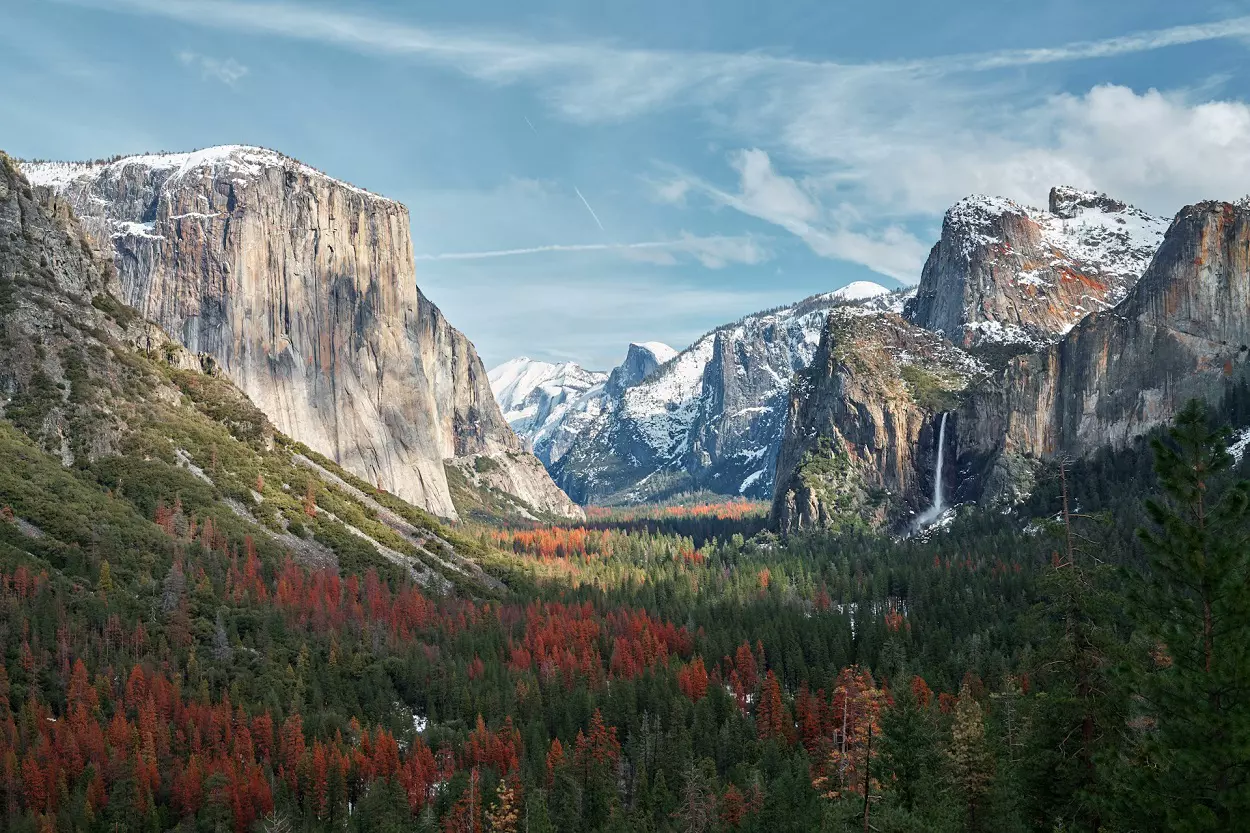
- Tunnel View at sunrise: Soft light on El Capitan and Half Dome before the overlook becomes shoulder-to-shoulder in late morning.
- Valley View before 7 am: Early morning mist rising from the Merced River with space to set up a tripod.
- Midday break: Every viewpoint turns into a parking nightmare between late morning and mid-afternoon, with trails feeling like crowded sidewalks. Use this time to rest.
- Evening return: Thinning foot traffic and better light after 5 pm make for cleaner shots and more pleasant hiking.
Tuolumne Meadows and Hetch Hetchy Reservoir offer alternatives for people willing to drive further. These areas see a fraction of the valley’s visitor traffic and give camera enthusiasts cleaner shots without fighting for position. Tuolumne sits at 8,600 feet and stays snowbound until late June, but once it opens, the subalpine meadows and granite domes create compositions that feel more remote than anything in the main valley.
Lake Tahoe’s Different Energy
Where Yosemite demands constant movement and physical effort, Tahoe lets you slow down. At 6,225 feet, the lake spreads across a natural amphitheater of blue water and pine forest, surrounded by peaks that create a completely different mountain experience.
Emerald Bay captures the classic Tahoe postcard shot. Morning light hits Fannette Island and the bay’s turquoise water at an angle that brings out colors which the midday sun washes flat. Tour buses fill the overlook by mid-morning, so those shooting this scene should arrive before 8 am or wait until late afternoon.
North shore versus south shore becomes a real decision. South Lake Tahoe offers more dining and lodging but carries a commercial energy. Quieter beaches and trails that don’t appear in every guidebook await on the north and west shores. Sand Harbor on the east shore provides another option for striking shots, with massive granite boulders emerging from impossibly clear water.
The Sacramento-to-Sierra Transportation Reality
Both destinations become more accessible when you start from the right location. Sacramento sits in the Central Valley with direct highway access to Yosemite’s western entrance and clear routes north to Tahoe. Departing early from the city means reaching Yosemite before the bulk of day-use visitors and securing trailhead parking while spots remain available.
Chain requirements catch unprepared visitors off guard. Sudden weather can close mountain passes or mandate chains even in spring and fall. Working with a luxury car service provider in Sacramento eliminates these variables. Experienced chauffeurs know which routes run clearest in different seasons, when to depart for optimal park timing, and how to tackle mountain roads. After six hours of hiking and photographing, transition time becomes rest time rather than another exhausting task.
Organizing a Loop That Works
The Sierra Nevada Loop succeeds when you respect what each destination demands. Yosemite requires energy, early starts, and physical stamina. Lake Tahoe asks you to slow down and appreciate subtler beauty. Trying to rush through both in two days leaves you exhausted and frustrated. Taking four or five days, planning around golden hour, and building flexibility into your schedule creates space for both destinations to deliver what makes them worth visiting. Quality beats quantity in mountain tourism.