

Truck travel comes with different challenges than normal daily driving. Long highway hours, changing weather, heavy traffic, dark rural roads, and unfamiliar routes can all increase stress behind the wheel. For many drivers, road trips involve hundreds of miles across states, mountain roads, deserts, and isolated highways where quick help is not always nearby.
Because of that, many travelers now add extra safety tools to their vehicles before starting a long trip. Many long-distance drivers now install a truck dash cam before starting highway travel so they can record traffic conditions, unexpected incidents, and overnight parking activity during road trips.
Dash cameras record the road while driving and help drivers keep visual evidence during unexpected situations. They can also help travelers review incidents, parking damage, sudden braking events, or unsafe driving from nearby vehicles.
For truck travelers who spend long hours on highways, a dash cam has become part of normal road trip preparation.
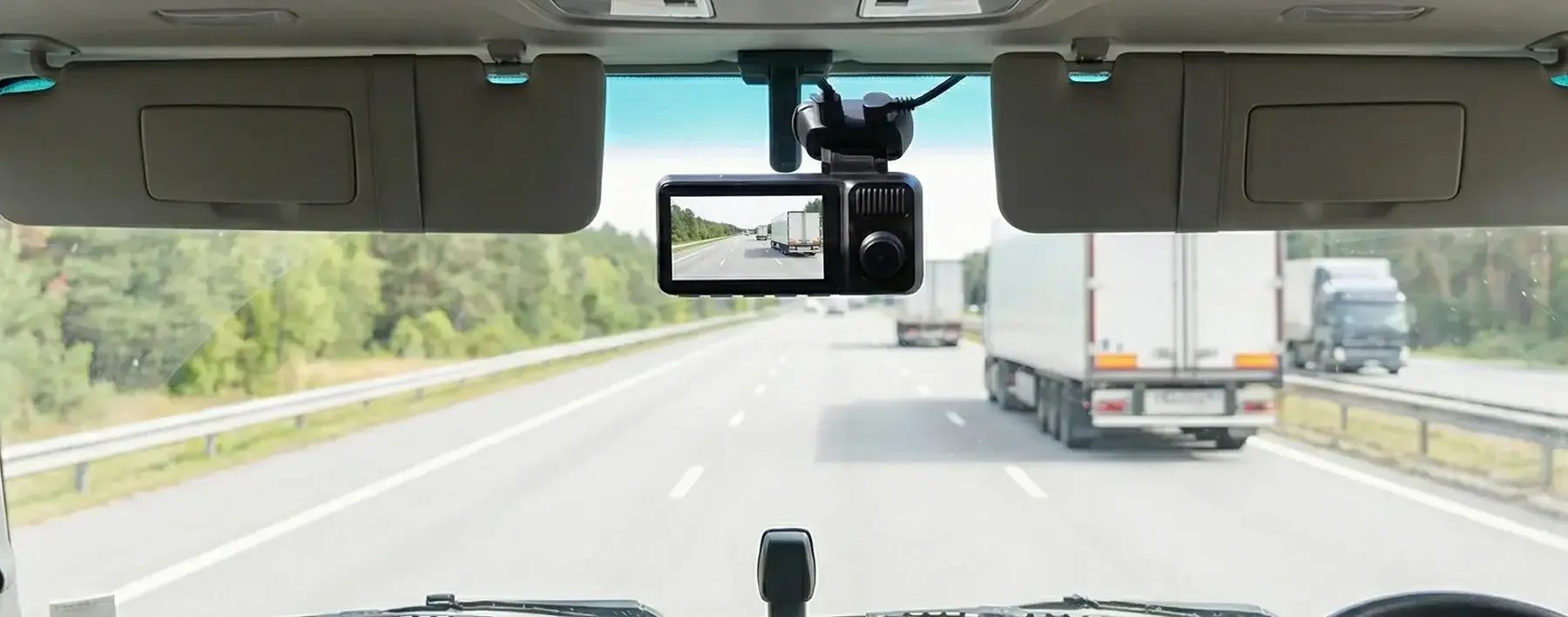
Why Truck Travelers Face Higher Road Risks
Truck drivers usually spend more time on highways than regular commuters. More time on the road naturally increases the chance of accidents, close calls, or unexpected vehicle problems.
Travel routes may include:
- Congested highways
- Mountain roads
- Construction zones
- Heavy rain areas
- Rural roads with limited lighting
- Long nighttime drives
Pickup trucks and larger travel vehicles also require more stopping distance than smaller cars. During road trips, drivers may carry camping supplies, luggage, towing equipment, or outdoor gear that changes vehicle handling.
Fatigue becomes another issue during long travel days. Even experienced drivers can miss sudden traffic changes after many hours behind the wheel.
Because of these conditions, many travelers look for tools that help record events clearly during the trip.
How a Dash Cam Helps During Long-Distance Truck Travel
Drivers often ask what makes a dash cam useful during road trips.
The biggest reason is documentation.
If an accident happens, recorded footage may help show:
- Traffic conditions
- Lane position
- Sudden braking
- Unsafe driving by other vehicles
- Weather conditions during the incident
Road trip travelers also use dash cams for added security while parked overnight.
Some cameras continue monitoring movement around the vehicle when parked. This helps drivers who stop at hotels, campsites, rest stops, or public parking areas.
Truck owners who travel through remote highways also like having recorded footage in case of wildlife collisions or road hazards.
What Truck Drivers Usually Look for in a Dash Cam
Drivers searching for the best dash cam for truckers usually focus on reliability during long highway drives.
Truck travelers often prefer cameras with:
- Wide road coverage
- Clear nighttime recording
- Loop recording
- Parking monitoring
- Heat resistance
- GPS tracking
- Simple video transfer options
Long-distance travelers choose these features because highway driving conditions change constantly.
Night recording matters for drivers traveling before sunrise or after dark. Wide-angle recording helps capture nearby lanes and roadside activity.
Truck owners also prefer devices that continue recording automatically without constant manual setup.
Why Dash Cams Matter for Road Trip Safety
Many travelers planning cross-country drives ask if dash cams are useful for road trips or only for commercial drivers.
Road trip travelers benefit from dash cams for several reasons.
- First, they help drivers keep records during unexpected situations far from home. A small accident in another state may become difficult to explain without visual proof.
- Second, dash cams help monitor parking areas during overnight stops.
- Third, recorded footage may help drivers review dangerous moments later and improve their driving habits.
Drivers traveling with family members also like having extra documentation during busy travel seasons.
For people driving through national parks, mountain roads, or isolated highways, a dash cam provides another layer of awareness during travel.
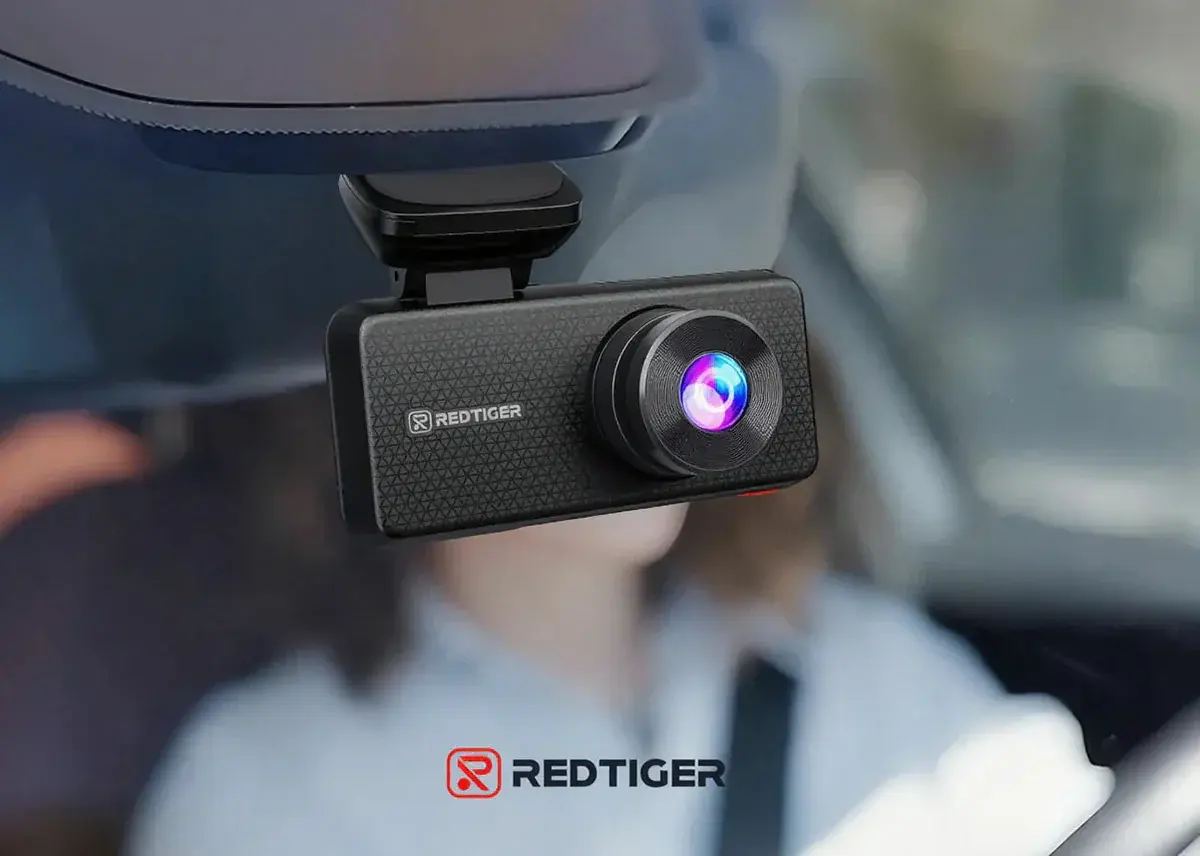
Common Road Problems Truck Travelers Experience
Truck travelers face different risks during long drives. Some of the most common include:
Sudden Tire Debris
Large highways often contain broken tire pieces from commercial vehicles. Hitting debris at highway speed can damage tires or suspension parts.
Unsafe Lane Changes
Heavy traffic areas increase the chance of aggressive driving from nearby vehicles.
Wildlife Crossings
Rural roads and national park routes may involve sudden animal crossings, especially during early morning or nighttime travel.
Parking Lot Damage
Travelers stopping at hotels or campgrounds sometimes return to minor dents or scratches caused by nearby vehicles.
Weather Changes
Rain, fog, snow, and dust storms reduce visibility quickly during cross-country travel.
Dash cam footage helps document these situations clearly if questions later arise.
Choosing a Dash Cam for Highway and Truck Travel
Drivers searching for the best dash cam for road trips usually want equipment that handles long driving hours without problems.
Truck travelers often choose models designed for:
- Continuous recording
- Heat management
- Long storage support
- Stable video quality during vibration
- Easy mounting
For road trip travel, recording quality matters most during fast-moving highway traffic.
A blurry camera may not clearly capture license plates or nearby vehicle movement.
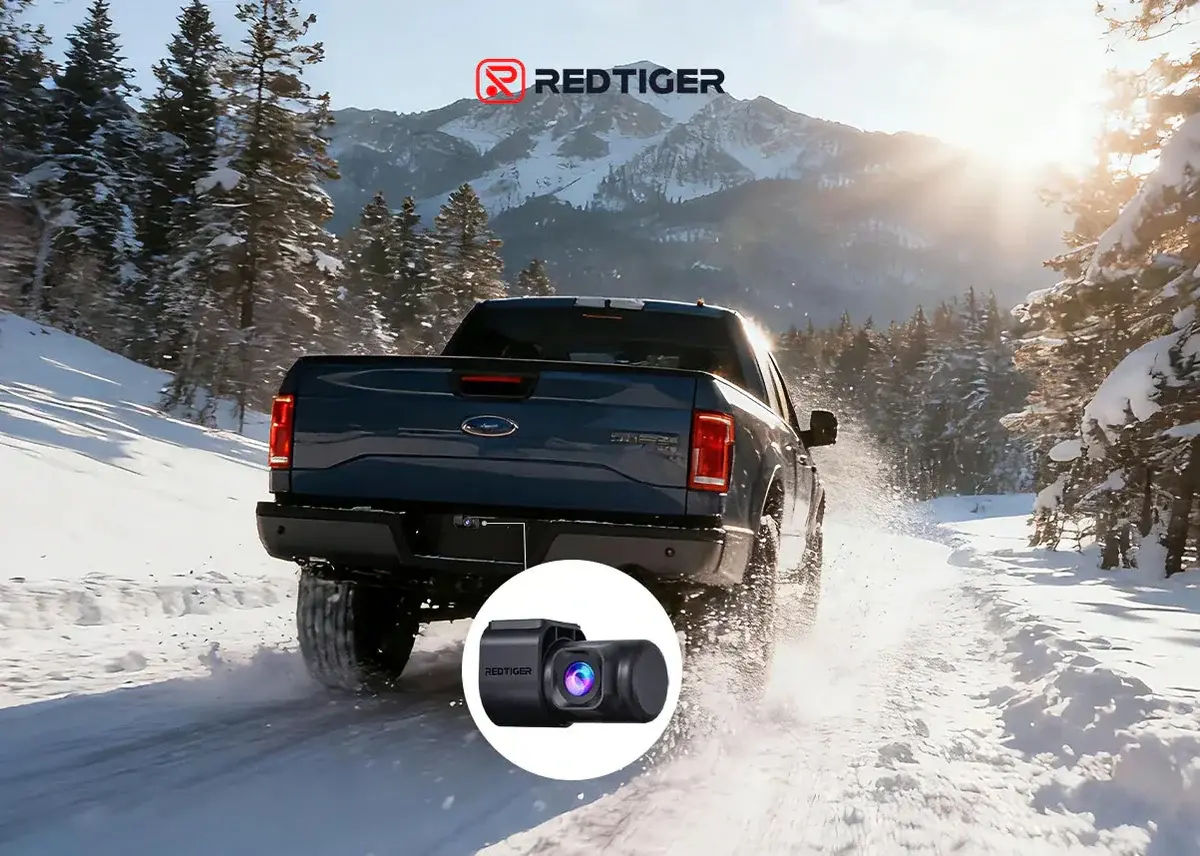
Drivers towing trailers or carrying cargo may also prefer rear camera systems for extra visibility.
Features That Matter Most During Night Driving
Many truck travelers drive during early mornings or late evenings to avoid heavy daytime traffic.
Because of that, nighttime recording quality becomes important.
A good dash camera should record:
- Road markings clearly
- Headlight glare properly
- Nearby lane movement
- Street signs and traffic signals
Drivers traveling through mountain highways or dark rural roads often prefer cameras with strong low-light performance.
Night footage can become important after unexpected wildlife encounters, sudden braking events, or weather-related incidents.
How Dash Cams Help After an Accident
After an accident, stress and confusion can make it difficult to remember every detail.
Drivers may disagree about:
- Vehicle position
- Traffic signals
- Speed
- Lane movement
- Road conditions
Dash cam footage gives drivers recorded evidence from the moment the event happened.
This becomes useful for:
- Insurance discussions
- Police reports
- Vehicle damage review
- Traffic incident clarification
Truck travelers driving through unfamiliar states often prefer having this extra protection during long trips.
Parking Protection During Overnight Stops
Truck travelers regularly stop at:
- Hotels
- Rest areas
- Campgrounds
- Trail parking lots
- Gas stations
Vehicles left unattended may face parking damage or attempted break-ins.
Some dash cams include parking monitoring modes that activate when movement or impact is detected.
Travelers who carry outdoor gear, tools, bicycles, or camping equipment often choose this feature for extra security.
Drivers spending several days on the road usually appreciate added monitoring during overnight stops.
Road Trip Planning Tips for Truck Travelers
Dash cams work best when combined with smart travel preparation.
Before starting a road trip, truck travelers should:
- Inspect tire pressure
- Check brake condition
- Test headlights and signals
- Pack emergency supplies
- Review weather forecasts
- Download offline maps
- Confirm camera storage space
Drivers should also clean the dash cam lens regularly during dusty or rainy trips.
Road construction zones and gravel roads can quickly reduce video clarity if the lens becomes dirty.
What Type of Drivers Benefit Most From Dash Cameras
Drivers often ask who actually needs a dash cam.
The answer depends on driving habits and travel distance.
Dash cams are especially useful for:
- Long-distance truck travelers
- Camping travelers
- Drivers towing trailers
- National park visitors
- Highway commuters
- Drivers covering rural routes frequently
These travelers spend more time in changing road conditions and usually face higher exposure to unexpected incidents.
Many truck owners choose dash cameras simply because they want visual records during travel.
Mistakes Drivers Should Avoid When Using Dash Cams
Some drivers install dash cameras but forget basic setup and maintenance.
Common mistakes include:
- Using low-quality memory cards
- Ignoring storage limits
- Mounting the camera too low
- Forgetting firmware updates
- Leaving dirty lenses uncleaned
- Using unstable power connections
Drivers should also confirm local recording laws when traveling across different regions.
Simple maintenance checks help cameras perform properly during long trips.
Why More Travelers Add Dash Cams Before Road Trips
Road trips often involve unpredictable situations. Even safe drivers cannot control road debris, weather shifts, wildlife crossings, or aggressive traffic.
Because of that, many travelers now treat dash cameras as part of normal travel equipment.
Drivers who spend long hours on highways usually prefer having recorded footage available if problems happen unexpectedly.
For truck travelers covering national park routes, mountain highways, desert roads, and cross-country travel paths, recorded video provides added confidence during the trip.
Final Thoughts
Truck travel brings different road conditions than normal city driving. Long-distance routes, heavy traffic, changing weather, and remote highways all increase driving risks during road trips.
A truck dash cam helps drivers keep clear video records during unexpected situations on the road. Many travelers use dash cameras for accident documentation, parking monitoring, nighttime driving support, and general road awareness during long trips.
Drivers planning highway travel, camping trips, or national park drives often choose dash cameras because they provide useful footage when road conditions change suddenly.
Combined with careful driving habits and regular vehicle inspections, a dash cam can help truck travelers stay better prepared throughout the journey.