

A national park road trip can turn stressful when a tire problem happens far from a gas station or repair shop. Rocky roads, sharp gravel, heat, mud, and long highway drives can all affect tire condition during travel. Many park routes pass through remote areas where roadside help may take hours to arrive. Because of that, drivers should prepare for tire trouble before leaving home.
Many travelers pack snacks, cameras, hiking gear, and maps, but tire equipment often gets ignored. A flat tire or slow leak can ruin a full day of travel plans if you are not prepared. Carrying a few basic tools and learning simple tire safety steps can help drivers stay calm and continue the trip safely.
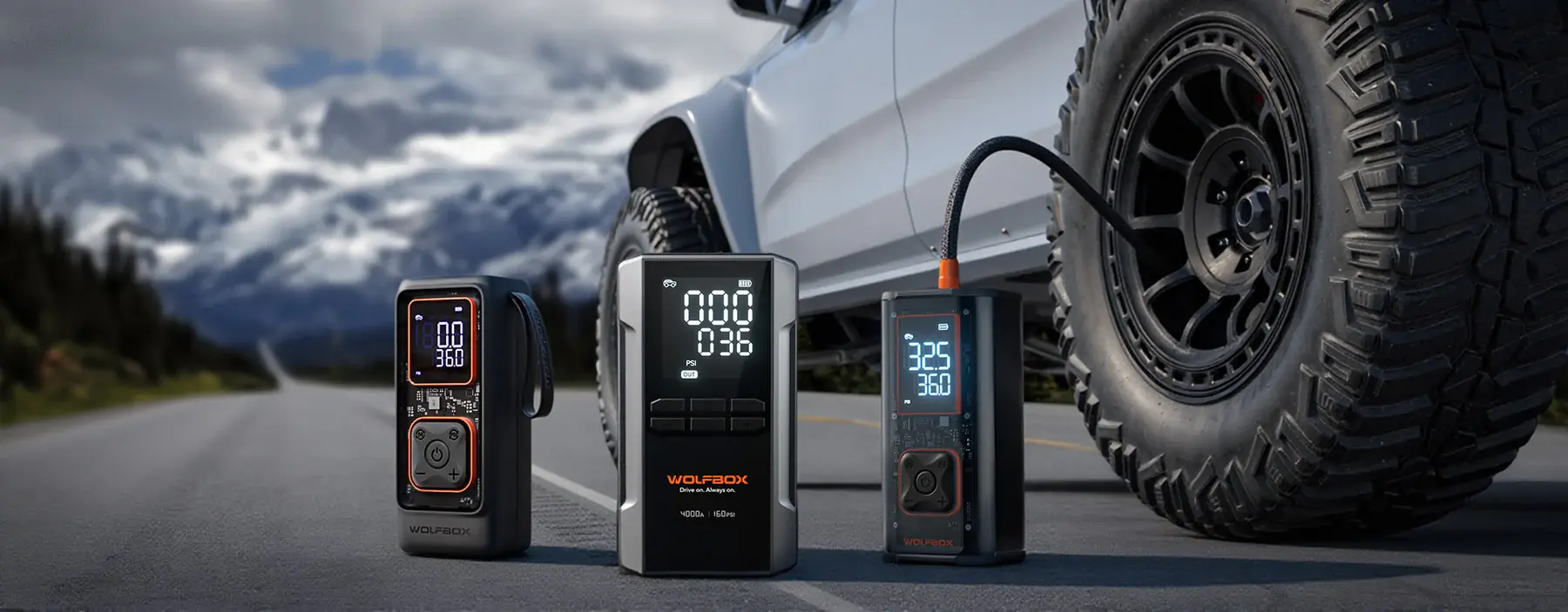
One item many travelers now keep in their vehicle is a portable tire inflator. It helps drivers refill low tires during long drives and can buy enough time to reach a safer location or repair shop.
Why Tire Problems Happen More Often on National Park Trips
National parks usually involve longer drives than normal city travel. Many visitors drive through rough roads, steep hills, gravel trails, and changing weather conditions during the same trip. Tire pressure can shift quickly when temperatures rise during daytime driving.
Small rocks and debris also increase the chance of punctures. In some parks, drivers may travel for hours without seeing a service station. A tire problem that feels minor in the city can become much harder to manage in a remote park area.
Another common issue comes from overloaded vehicles. Road trip travelers often pack camping equipment, coolers, bicycles, hiking supplies, and luggage. Extra weight puts additional pressure on tires, especially during hot weather.
Drivers who check tire condition before leaving usually avoid bigger problems later in the trip.
Warning Signs That a Tire Needs Attention
Some tire issues appear slowly instead of happening all at once. Paying attention to small warning signs can help prevent a complete flat tire.
Here are a few signs drivers should not ignore:
- The vehicle pulls slightly to one side
- Steering feels heavier than normal
- Tire pressure warning light turns on
- A tire looks lower than the others
- Vibrations appear during highway driving
- A hissing sound comes from the tire area
Low pressure is one of the most common road trip tire problems. Some travelers continue driving after noticing it, hoping the issue will disappear. That decision can damage the tire further and increase fuel usage.
What to Do Immediately After a Tire Problem Starts
The first step is staying calm. Sudden steering movements or hard braking can make the situation worse.
If a tire issue begins while driving:
- Reduce speed slowly
- Hold the steering wheel firmly
- Turn on hazard lights
- Move toward a safe shoulder or parking area
- Avoid stopping on sharp curves or narrow roads
After parking safely, inspect the tire carefully. Look for nails, cuts, sidewall damage, or objects stuck in the rubber.
If the tire still has partial air pressure, adding air may help you reach a safer area. This is one reason many drivers carry a portable air pump during road trips through mountain parks and remote highways.
Why Many Travelers Carry a Portable Tire Inflator
Drivers often ask if a tire inflator is worth packing for a road trip. For national park travel, the answer is usually yes.
A portable inflator helps drivers handle small pressure loss without waiting for roadside help. It is useful for travelers who drive through remote roads, campgrounds, desert routes, or mountain areas where gas stations are limited.
Many modern inflators connect directly to the vehicle’s power outlet or battery. Some models include digital pressure settings, built-in lights, and automatic shutoff features.
Travelers usually choose these tools because they help with:
- Low tire pressure during temperature changes
- Slow leaks from small punctures
- Refilling tires after rough gravel driving
- Emergency roadside situations
- Checking tire pressure before long highway travel
Families, solo travelers, campers, and SUV owners often keep one in the trunk for extra peace of mind.
How to Check Tire Pressure During a Road Trip
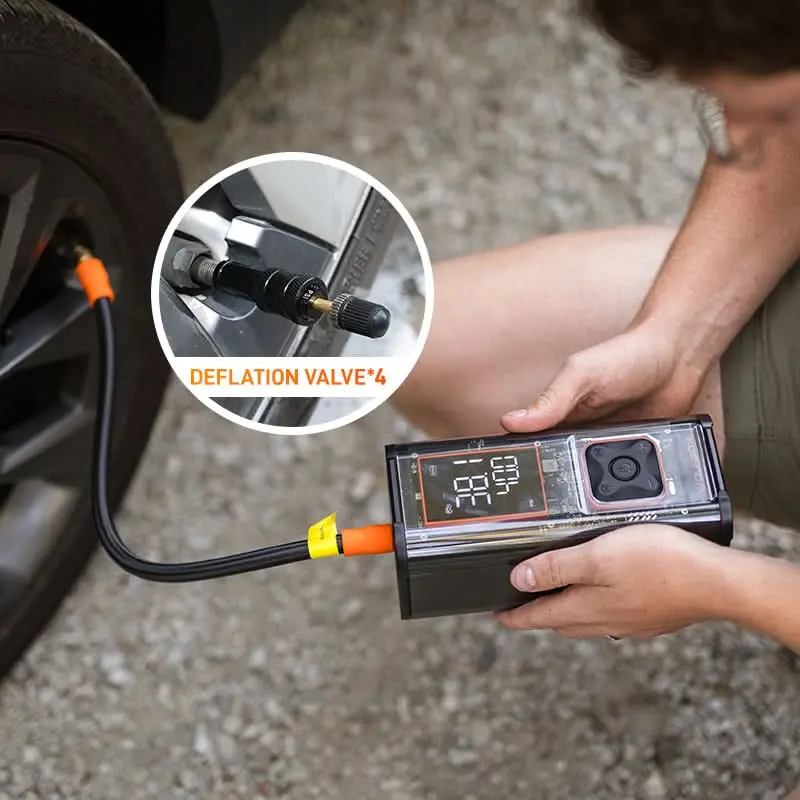
Tire pressure should not only be checked before the trip starts. Long-distance travel changes tire temperature and pressure levels throughout the day.
Drivers should check pressure:
- Before entering rough park roads
- After major temperature changes
- Before long, highway sections
- After carrying heavy cargo
- Every morning during extended road trips
The recommended PSI level is usually listed inside the driver-side door frame.
Too much air can reduce traction on rough roads. Low pressure increases heat buildup and tire wear.
A portable tire inflator becomes useful here because drivers can adjust pressure without searching for a gas station.
Handling a Flat Tire in a Remote Area
Some national parks have weak phone signals and limited roadside support. Drivers should prepare for the possibility of handling a flat tire alone.
A basic roadside tire kit often includes:
- Spare tire
- Jack
- Lug wrench
- Flashlight
- Tire pressure gauge
- Work gloves
- Reflective warning triangles
- Portable air compressor
Before the trip, drivers should confirm that the spare tire is usable. Many people discover too late that their spare tire also has low pressure.
If the tire has major sidewall damage or a large tear, replacing it with the spare tire is usually the safest option.
Choosing the Right Tire Equipment for Long Park Drives
Drivers preparing for mountain parks or cross-country travel often ask what kind of tire gear is best for road trips.
The answer depends on vehicle type and driving conditions.
SUVs and trucks traveling through gravel roads may need stronger all-terrain tires. Smaller sedans used mostly on paved roads can usually stay with standard touring tires.
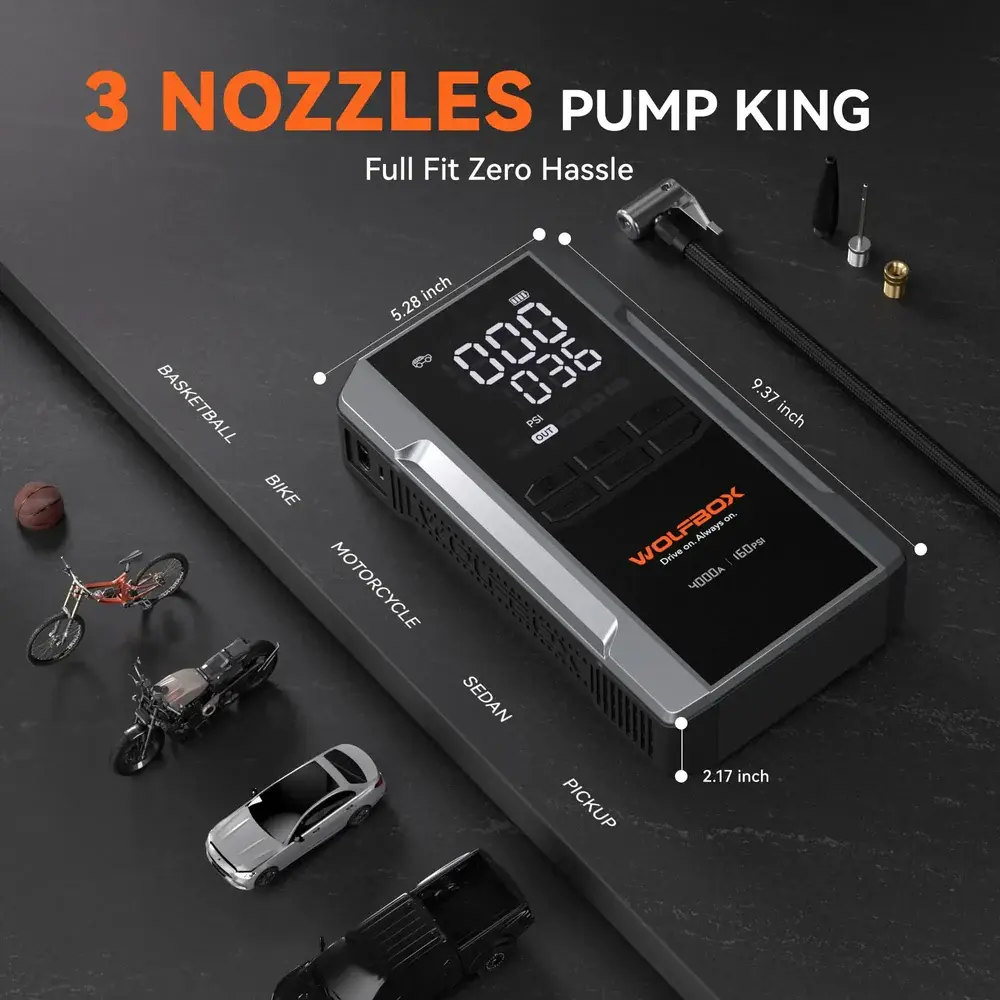
For emergency equipment, many travelers prefer compact tire inflators or portable air compressors that fit easily under a seat or in the trunk. Drivers often look for:
- Easy-to-use pressure controls
- Long power cords that reach all four tires
- Fast inflation performance
- Compact, travel-friendly storage size
- Built-in LED lighting for nighttime emergencies
Road trip travelers choose these tools because they reduce stress during unexpected tire situations.
Tire Problems Caused by Weather and Temperature
National park trips often involve changing weather within a single day. A morning drive through cold mountain air may turn into hot desert driving by afternoon.
Temperature shifts affect tire pressure more than many people realize.
Cold air lowers tire pressure. Hot weather increases internal pressure and heat buildup. Underinflated tires in hot conditions may wear faster and face a higher chance of failure.
Rain also affects tire safety. Worn tread reduces grip on wet roads and increases the risk.
Before entering rain-heavy or muddy areas, drivers should inspect tire tread depth carefully.
What to Keep in Your Vehicle for Tire Emergencies
Experienced road trip travelers usually prepare a small roadside safety kit before visiting national parks.
Useful items include:
Tire Repair Supplies
- Tire plug kit
- Portable tire inflator
- Pressure gauge
- Spare valve caps
Safety Equipment
- Flashlight with extra batteries
- Reflective vest
- Warning triangles
- First aid kit
General Travel Items
- Drinking water
- Power bank
- Paper map
- Emergency blanket
- Multi-tool
Drivers traveling through isolated parks may also carry extra food and fuel depending on route length.
What Drivers Should Avoid After a Tire Problem
Some mistakes can increase tire damage or create safety risks.
Drivers should avoid:
- Driving long distances on a nearly flat tire
- Ignoring tire warning lights
- Overloading the vehicle
- Using damaged spare tires
- Parking too close to traffic lanes
- Inflating tires far above the recommended PSI
Another mistake involves skipping regular inspections during multi-day trips. Even a quick visual tire check during fuel stops can help catch problems early.
Smart Planning Before Entering a National Park
Preparation helps reduce stress during road trips.
Before entering a park area, drivers should:
- Check tire pressure
- Inspect tread depth
- Confirm the spare tire condition
- Pack roadside tools
- Download offline maps
- Review weather forecasts
- Fill the fuel tank when possible
Travelers visiting parks with rough terrain may also research road conditions ahead of time.
Some national parks post seasonal road warnings online for gravel roads, flooding, rock debris, or temporary closures.
Final Thoughts
Tire problems are one of the most common road trip issues during national park travel. Long drives, rough roads, changing weather, and heavy cargo all place extra pressure on tires.
Drivers who prepare ahead usually handle these situations with less stress. Simple habits like checking pressure regularly, carrying emergency tools, and watching for warning signs can make a major difference during travel.
A portable tire inflator can help drivers manage low pressure quickly during remote trips where repair shops are not nearby. Combined with safe driving habits and basic tire knowledge, it helps travelers stay prepared for unexpected road conditions while enjoying the trip.