

A national park trip can look easy on paper. A two-mile trail, a waterfall stop, a short overlook walk, maybe one bigger hike before the drive back. Then the day arrives, the sun is sharper than expected, the parking lot is already full, and the “short” trail starts climbing right away.
Getting trail-ready does not mean training like a backpacker. For most visitors, it means preparing your legs, shoes, food, water, and schedule before the trip starts.
Quick Trail-Ready Checklist
Before visiting a national park, try to have these basics covered:
- Walk regularly before the trip.
- Test the shoes you plan to wear.
- Check trail distance and elevation gain.
- Plan water and snacks before you arrive.
- Leave room in the day for slower hiking.
- Pick trails that match your real fitness level.
If you are still choosing where to go, our list of national parks in the United States is a good place to compare ideas before building the rest of the trip.
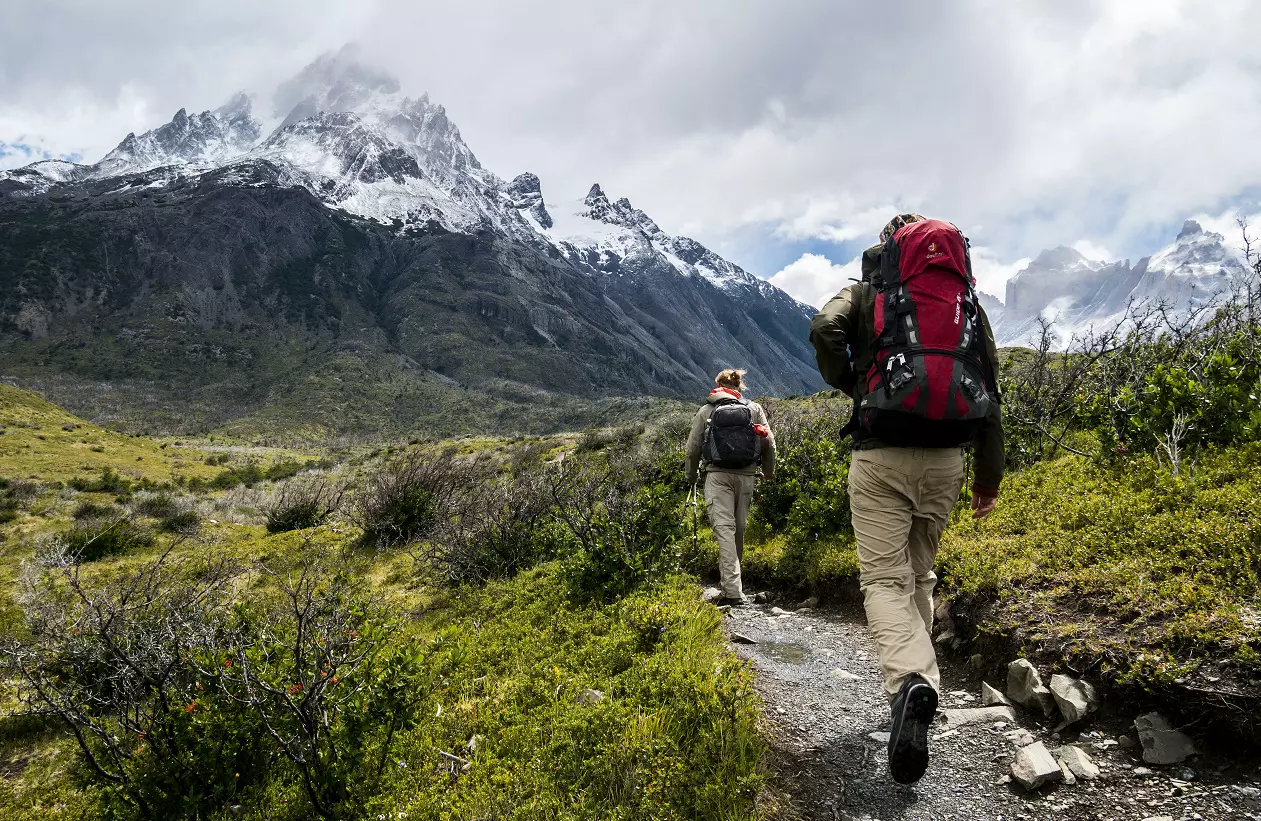
1. Start Walking Before the Trip
The easiest way to prepare for a national park trip is also the least dramatic: walk more before you go.
A few weeks of regular walking makes a difference, especially if your normal day involves a desk, a car, and not much time on your feet. Start with easy neighborhood walks. Then add hills, stairs, or longer weekend walks if the park has steeper trails.
Shoes matter here. A brand-new pair might look ready for the mountains, but your feet may disagree after the first mile. Wear the same shoes on practice walks, and pay attention to hot spots, rubbing, or tired arches.
Trail-ready usually starts on ordinary sidewalks.
2. Match Your Prep to the Park
Not all national park hikes ask the same thing from your body.
A boardwalk trail in Everglades National Park is not the same as a canyon hike in Grand Canyon National Park. A short trail at high elevation can feel harder than a longer walk near sea level. Desert parks bring heat and sun exposure. Mountain parks bring thinner air, afternoon storms, and colder mornings.
Before choosing a trail, look at three details:
- Distance;
- Elevation gain;
- Trail surface.
Distance tells only part of the story. A three-mile trail with steady climbing may take much longer than a flat five-mile walk. Rocks, sand, stairs, mud, snow, and narrow ledges can slow everything down.
The National Park Service’s Hike Smart guidance also urges visitors to know their limits, consider their experience level, and assess how much food, water, and equipment they can comfortably carry.
3. Build One Easy Day Into the Trip
Many national park vacations are planned too tightly.
A family lands late, drives several hours, checks into a hotel, wakes up early, and tries to do the biggest hike on the first morning. It works sometimes. More often, everyone is tired before the trail even starts.
A better plan is to make the first day lighter. Visit a scenic drive, a visitor center, a short overlook trail, or one of the park’s easier walks. Save the bigger hike for the day when you know the weather, parking situation, and how your body feels.
This is especially useful in parks where the best trailheads fill early. A slower first day gives you time to ask rangers about closures, road work, water access, and current trail conditions.
4. Plan Food and Water Before You Arrive
A national park hike is not the place to “see how it goes” with food and water.
Some parks have restaurants, stores, and water stations near busy areas. Others have long stretches with no services at all. Even in popular parks, a trailhead may have restrooms but no drinking water.
Pack more than you think you will need, especially for warm weather or a trail with little shade. Salty snacks, sandwiches, fruit, trail mix, and easy-to-carry food can keep the day from turning miserable halfway through.
For a basic day-trip packing reminder, our packing guide for visiting a national park for a day covers the essentials that are easy to forget.
5. Be Careful With Weight Goals Before a Hiking Trip
Some travelers use an upcoming national park trip as motivation to get healthier. That can be fine, but hiking days need energy.
A hard trail on too little food is not a smart trade. You still need breakfast, water, snacks, and recovery, especially when heat, elevation, or a long drive is part of the day.
If reaching a personal target weight is part of a longer pre-trip plan, a calorie deficit calculator can help estimate a daily intake target before the trip, not during a demanding day on the trail.
Do not make big food changes right before traveling. A park trip already asks your body to deal with different sleep, different meals, more walking, and sometimes altitude or heat. Keep the hiking days practical.
6. Choose the Trail You Will Enjoy, Not the One That Sounds Impressive
Every park has a trail that gets the most talk. Sometimes it deserves the attention. Sometimes it is crowded, exposed, difficult to park near, or simply too much for the time you have.
There is no prize for choosing the hardest route.
A shorter trail with a great overlook may be the better memory. A flat riverside walk may be better for kids, grandparents, or anyone recovering from a long travel day. A sunrise stroll near the lodge may beat a rushed afternoon climb in the heat.
Pick the trail that fits the group, the weather, and the day.
7. Check the Small Details the Night Before
The night before a park day is when small mistakes are easiest to catch.
Look at the weather again. Charge your phone. Download or screenshot maps if the service may be weak. Fill water bottles. Put snacks in the daypack. Check whether the park uses timed entry, shuttle systems, or road closures.
Also, check the drive time to the trailhead. In some parks, the entrance gate is only the beginning. The trail may still be 30, 60, or 90 minutes away by car.
That one detail can change the whole morning.
Frequently Asked Questions
How early should I start preparing for a national park hiking trip?
A few weeks is enough for many casual trips. Start with regular walking, then add hills, stairs, or longer walks if your planned trails include climbing.
Are Hiking Boots Necessary for Every Trail?
No. Easy paved or boardwalk trails may only need comfortable walking shoes. Once a trail turns rocky, muddy, steep, or long, flimsy shoes start to feel like the wrong bargain.
Should I hike while trying to eat less?
Be careful. Hiking days need enough food and water. Longer-term health goals belong in the weeks before the trip. Once the hike starts, the priority is much simpler: enough energy, enough water, and enough sense to turn around when the day calls for it.
Final Thoughts
A good park day usually starts before you reach the entrance gate. A few practice walks, a realistic trail choice, and a packed bottle or two can do more for the day than an ambitious plan made from the hotel room. The best hike is not always the hardest one. It is the one you can enjoy from the first step to the drive back.